Pierced Nipple Jewelry Trends 2026: Minimalist to Bold
Explore 2026 pierced nipple jewelry trends, from ASTM F-136 titanium clickers to delicate chains. Expert sizing, materials, and styling advice.

The Evolution of Intimate Adornment in 2026
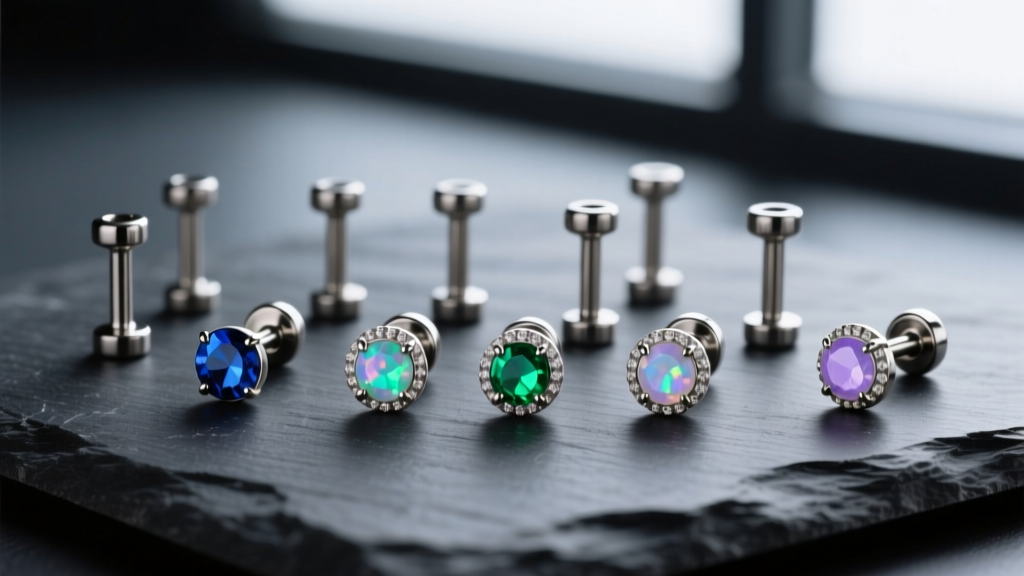
The landscape of body modification has undergone a radical transformation over the last decade, moving from subcultural niches into the realm of high-end, curated self-expression. Nowhere is this more evident than in the realm of intimate piercings. As we navigate 2026, the aesthetic and functional standards for pierced nipple jewelry have reached unprecedented levels of sophistication. Today’s collectors and first-timers alike are no longer satisfied with generic, one-size-fits-all options from mall kiosks. Instead, there is a distinct bifurcation in style: the ultra-minimalist 'barely there' micro-gemstone trend, and the bold, architectural statement pieces featuring intricate shields and draped chains.
This comprehensive style and trend analysis will break down the exact specifications, material sciences, and styling frameworks that define the current market. Whether you are downsizing a freshly healed piercing or curating a heavy-metal aesthetic, understanding the biomechanics of intimate jewelry is crucial for both visual impact and long-term tissue health.
Material Science: Beyond the 'Surgical Steel' Myth
For decades, the term 'surgical steel' was a marketing crutch used to sell low-grade alloys that often contained high levels of nickel, leading to contact dermatitis and delayed healing. In 2026, reputable piercers and high-end jewelry manufacturers strictly adhere to implant-grade standards. When investing in premium pieces, you must look for specific material certifications.
- ASTM F-136 Implant-Grade Titanium: The gold standard for both initial piercings and long-term wear. This specific alloy (Ti-6Al-4V ELI) is completely nickel-free, MRI-safe, and exceptionally lightweight. Brands like BVLA and Anatometal utilize this metal for its ability to hold a mirror polish, which reduces surface friction and bacterial adhesion within the fistula.
- Niobium (99.9% Pure): A highly malleable, nickel-free elemental metal that can be anodized to produce a spectrum of vibrant colors without the use of toxic paints or platings. It is slightly heavier than titanium, giving it a premium, substantial feel that many collectors prefer for nipple shields.
- Solid 14k and 18k Gold: While nickel-free gold alloys are safe for healed piercings, they are generally not recommended for initial healing due to the softness of the metal and the potential for microscopic porosity if cast rather than CNC-milled.
According to the Association of Professional Piercers (APP), the surface finish of the metal is just as critical as its chemical composition. A mirror-polished surface (measuring less than 0.8 µm roughness) prevents the buildup of sebum and dead skin cells, which is especially vital for the complex anatomy of the nipple and areola.
Trend 1: The Dominance of Threadless Push-Pin Mechanics
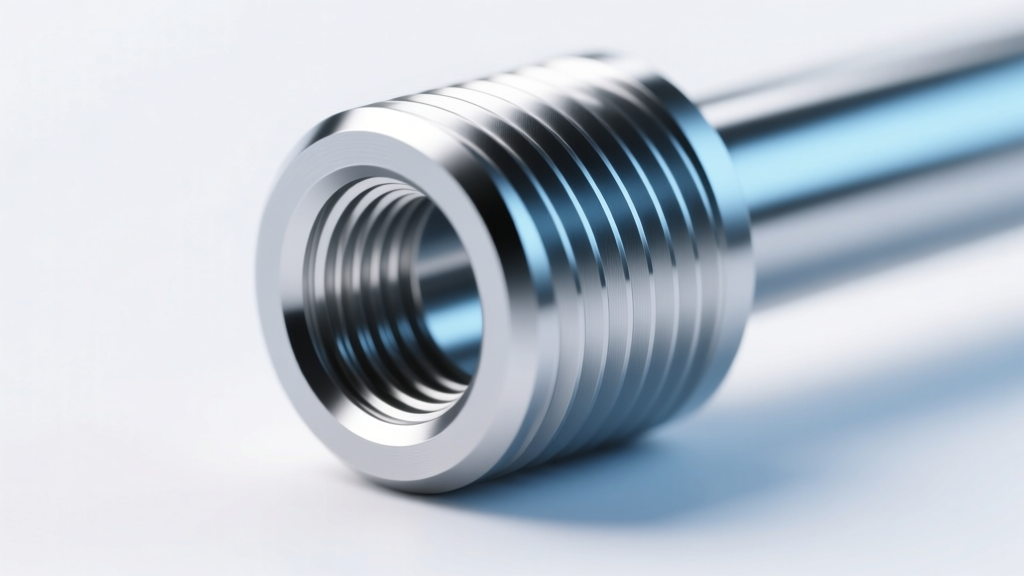
If there is one mechanical innovation that has completely revolutionized pierced nipple jewelry, it is the threadless (or push-pin) system. Traditional internally threaded jewelry requires the decorative end to screw into the barbell post. While vastly superior to externally threaded options—which act like a cheese grater on delicate healing tissue—internal threading can still loosen over time due to body heat and friction, leading to lost gemstones in the bedsheets.
Threadless jewelry, pioneered by companies like NeoMetal, relies on tension. The decorative end features a slightly bent pin that inserts into a hollow post. When pushed together, the tension of the bent pin against the inner wall of the post creates a secure, friction-based lock. This allows for seamless, uninterrupted designs where the gemstone appears to float directly on the skin without the visual interruption of a threading collar.
'The shift toward threadless mechanics in intimate jewelry isn't just about security; it's about achieving a flush, ergonomic profile that minimizes snagging on clothing and lace.' — Senior Piercer, BVLA Design Team.
Trend 2: Nipple Shields and the 'Drape' Aesthetic
Nipple shields have transitioned from aggressive, punk-rock aesthetics to elegant, fine-jewelry statements. The 2026 trend heavily favors 'drape' styles—delicate chains that connect the top and bottom of a circular shield, or shields that feature a single, weighted pendant that rests gently against the lower areola.
However, styling with shields requires a strict adherence to weight limits and gauge sizing. The nipple tissue is highly elastic but susceptible to the 'cheese-cutter effect' if subjected to constant downward pressure from heavy metals.
Rules for Shield Styling and Tissue Health
To achieve the bold shield look without risking migration or tissue thinning, follow these structural guidelines:
- Weight Limit: Keep daily-wear shields under 3 to 4 grams. Save heavier, ornate brass or steel shields for short-term photographic or intimate wear only.
- Gauge Sizing: Never wear a shield on a 16-gauge piercing. The absolute minimum for supporting a shield is 14-gauge (1.6mm), though many professional piercers recommend upsizing to 12-gauge (2.0mm) or even 10-gauge (2.5mm) to distribute the weight across a wider surface area of the fistula.
- Base Diameter: The inner diameter of the shield must accommodate the natural expansion of the nipple during temperature changes and arousal. A shield that is too tight will restrict blood flow and cause necrosis.
The 2026 Sizing Matrix: Gauge, Length, and Diameter
One of the most common failure modes in intimate jewelry styling is purchasing off-the-rack pieces without understanding individual anatomical requirements. Nipple piercings swell significantly during the initial 6 to 12 months of healing, and the tissue profile can change based on hormonal fluctuations. Below is the definitive sizing framework for 2026.
| Measurement Type | Healing Phase (0-12 Months) | Healed / Downsized Phase | Notes & Considerations |
|---|---|---|---|
| Gauge (Thickness) | 14G (1.6mm) or 12G (2.0mm) | 14G, 12G, or 10G (2.5mm) | 14G is the industry standard. 12G is preferred for larger anatomy or shield wearers. |
| Barbell Length | 5/8" (16mm) to 3/4" (19mm) | 3/8" (10mm) to 1/2" (12mm) | Downsizing is critical once swelling subsides to prevent the 'snag-and-tear' cycle. |
| Shield Inner Diameter | N/A (Shields not recommended) | 1/2" (12mm) to 5/8" (16mm) | Must be measured while the nipple is in an erect state to ensure proper fit. |
| Clicker Ring Diameter | N/A (Rings not recommended) | 1/2" (12mm) to 7/16" (11mm) | Hinged segment rings (clickers) must clear the areola without pinching the base. |
Long-Term Maintenance and Migration Prevention
Even the most exquisite, CNC-milled titanium jewelry will cause complications if the piercing anatomy is not properly maintained. The nipple is a dynamic piercing site; it is subjected to friction from bras, sports equipment, and sleeping positions. To protect your investment and your tissue, implement a rigorous, low-impact maintenance routine.
First, abandon the outdated practice of using harsh chemicals, tea tree oil, or alcohol-based astringents on healed intimate piercings. These substances strip the natural lipid barrier of the skin and can cause chemical burns on the sensitive mucosal tissue of the fistula. Instead, use a sterile, isotonic saline wound wash (0.9% sodium chloride with no preservatives) once or twice a week to gently flush out sebum buildup.
Second, perform a monthly 'tension check' on your jewelry. If you are wearing internally threaded pieces, ensure the decorative ends are tightened using a pair of silicone-tipped jewelry pliers. For threadless pieces, verify that the pin tension is still firm; if the end pulls out with a gentle tug, remove the end, bend the pin slightly further (about 2 to 3 degrees), and re-insert it to restore the friction lock.
Final Thoughts on Curating Your Collection
The year 2026 marks a golden era for pierced nipple jewelry, where the boundaries between fine jewelry and body modification have completely dissolved. By prioritizing implant-grade materials, embracing the security of threadless mechanics, and respecting the biomechanical limits of your tissue, you can build an intimate collection that is as safe as it is stunning. Whether you opt for a solitary, bezel-set diamond barbell or an intricate, anodized niobium shield, the key to mastering this trend lies in precision, quality, and an uncompromising commitment to anatomical health.


