Expert Guide to Nipple Jewelry for Women: Sizing & Metals
Discover the technical specs for nipple jewelry for women. Learn about ASTM titanium grades, exact barbell sizing, and biomechanical healing factors.

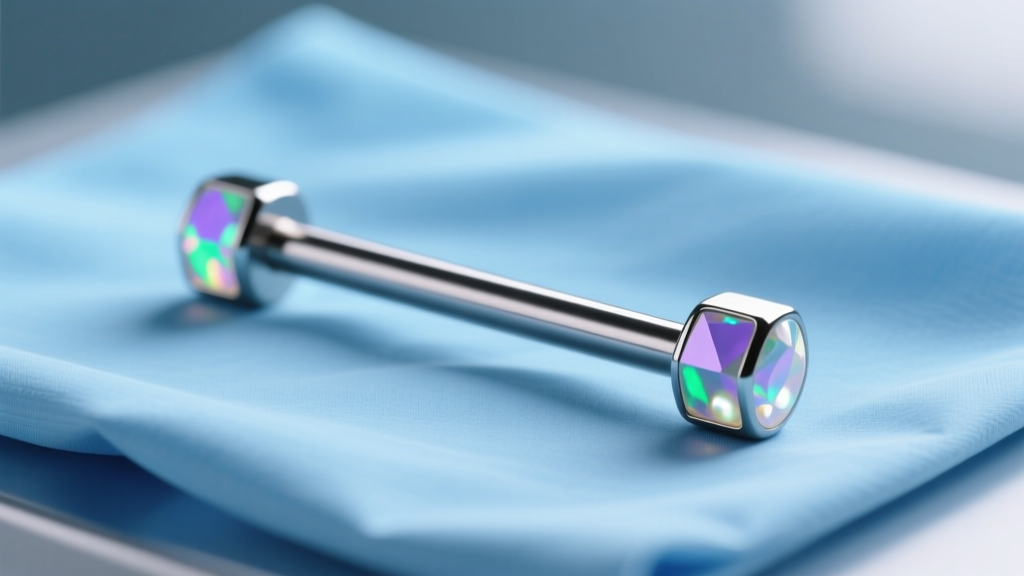
The Metallurgy of Intimate Piercings: Why ASTM F136 is Non-Negotiable
When evaluating nipple jewelry for women, the metallurgical composition of the jewelry is the single most critical factor in preventing contact dermatitis, delayed healing, and tissue rejection. The gold standard in the professional piercing industry is implant-grade titanium, specifically ASTM F136 (Ti-6Al-4V ELI). The 'ELI' designation stands for Extra Low Interstitial, meaning the alloy contains strictly controlled, minimal levels of oxygen, nitrogen, carbon, and iron. This specific elemental balance grants the titanium superior fatigue strength and biocompatibility compared to standard Grade 5 titanium (ASTM F1108).
Unlike surgical steel (which relies on a chromium oxide passivation layer that can degrade in the high-salinity, high-friction environment of a healing fistula), titanium forms a highly stable titanium dioxide (TiO2) passivation layer. This layer is virtually impervious to the body's immune responses and contains zero nickel. According to the Association of Professional Piercers (APP) Jewelry Materials Guide, avoiding nickel leaching is paramount in highly vascularized areas like the nipple-areola complex, where the skin barrier is compromised for several months.
Biomechanical Sizing: Calculating Barbell Length and Gauge
The anatomy of the nipple consists of smooth muscle fibers and lactiferous ducts that respond dynamically to temperature, friction, and hormonal fluctuations. A common failure mode in selecting nipple jewelry for women is measuring the barbell length while the tissue is in a flaccid state, ignoring the physiological reality of nocturnal tumescence and temperature-induced erection. If a healed barbell is fitted entirely flush to the flaccid nipple, natural engorgement will cause the tissue to push against the jewelry ends, leading to embedding, restricted blood flow, and hypertrophic scarring.
The standard gauge for nipple piercings is 14g (1.628mm). While 12g (2.053mm) is occasionally used for specific anatomical requirements or to prevent the 'cheese-cutter effect' (where thin wire slowly migrates through tissue under tension), 14g remains the optimal balance between minimizing initial trauma and providing structural stability. Below is a clinical sizing chart based on standard healing timelines and tissue states.
| Healing Stage | Tissue State | Recommended Gauge | Barbell Length (Inches) | Barbell Length (mm) |
|---|---|---|---|---|
| Initial (0-4 Weeks) | High Swelling / Lymphatic | 14g (1.6mm) | 5/8" - 3/4" | 16mm - 19mm |
| Intermediate (1-3 Months) | Moderate Swelling | 14g (1.6mm) | 1/2" - 5/8" | 12mm - 16mm |
| Fully Healed (6+ Months) | Baseline / Dynamic | 14g or 12g | 3/8" - 1/2" | 10mm - 12mm |
As noted in the APP Guidelines for Fresh Piercing Jewelry, initial barbells must accommodate significant edema. Downsizing is not merely a cosmetic preference; it is a medical necessity to prevent the longer barbell from snagging on clothing and tearing the fragile, newly formed fistula matrix.
Threading Standards: Internal vs. Threadless (Push-Pin) Mechanics
The mechanism by which the decorative end attaches to the barbell post drastically affects tissue health during insertion and removal. Externally threaded jewelry—where the screw pattern is cut into the outside of the post—acts like a file, shredding the delicate epithelial lining of the fistula every time it is passed through the piercing channel. This micro-trauma invites bacterial colonization and scar tissue buildup.
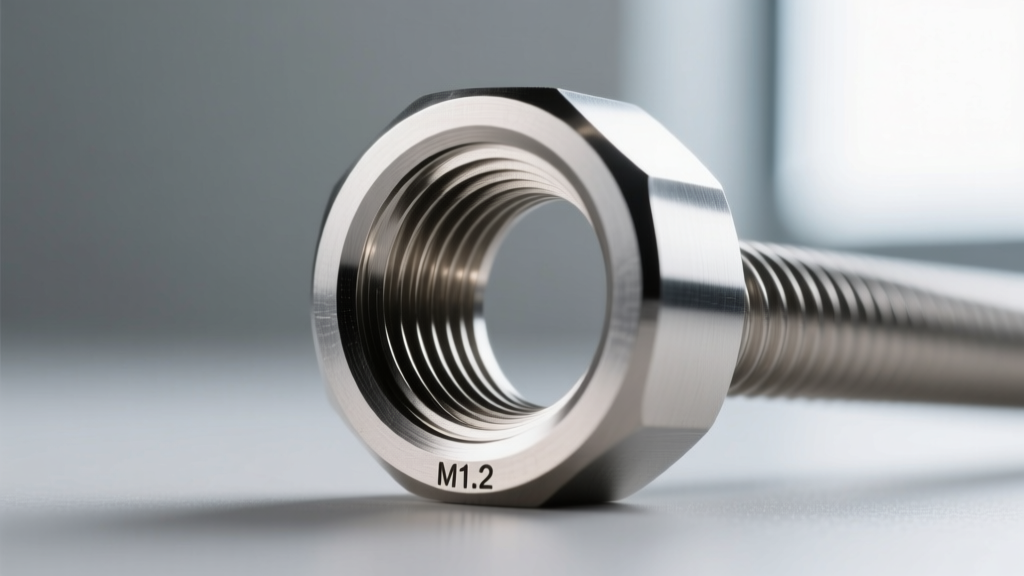
Expert piercers exclusively utilize internally threaded or threadless jewelry. Internally threaded 14g barbells typically feature an M1.2 x 0.25mm pitch tap. This means the post has a smooth exterior and a threaded hole at the end, allowing it to glide seamlessly through the tissue. Alternatively, threadless (push-pin) jewelry relies on the tensile spring tension of a slightly bent pin inserted into a hollow post. Threadless designs are often preferred for nipple jewelry for women because they eliminate the risk of the decorative end unscrewing due to the rotational friction caused by clothing or bedding.
Straight Barbells vs. Nipple Shields: Tension and Migration Risks
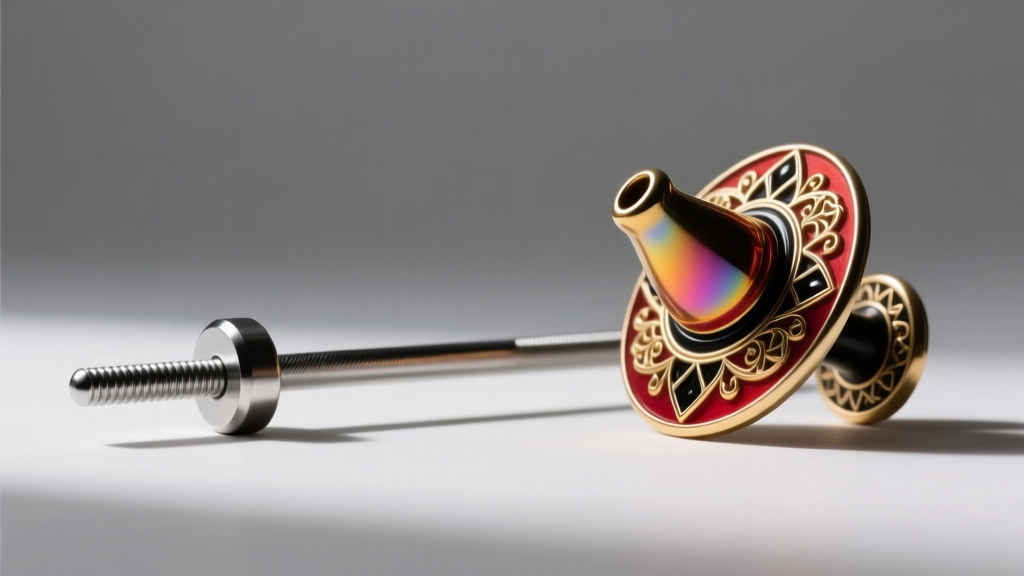
While straight barbells are the undisputed standard for initial piercing and long-term health, nipple shields (decorative rings that encircle the areola and pass through the piercing) require extreme caution. The biomechanics of a rigid or poorly hinged shield can be disastrous. If the shield's internal diameter is too small, or if the decorative elements sit too flush against the areola, the jewelry can act as a tourniquet during periods of tissue engorgement.
This constriction leads to ischemic necrosis—tissue death caused by a lack of oxygenated blood flow. Furthermore, the weight of ornate shields exerts downward gravitational tension on the piercing channel, encouraging migration and altering the angle of the fistula over time. If a client desires the aesthetic of a shield, it should only be worn for short, supervised durations on fully healed, mature piercings, and the jewelry must feature a custom-fitted hinge or flexible segment to accommodate dynamic tissue volume.
Troubleshooting Rejection, Embedding, and Hypertrophic Scarring
Even with perfect initial sizing, complications can arise. It is crucial to differentiate between hypertrophic scarring and keloids. Hypertrophic scars are localized, raised bumps (often pale or pink) that stay within the boundaries of the piercing site, usually caused by mechanical irritation, improper angles, or moisture buildup. Keloids, conversely, are genetic, tumor-like growths of scar tissue that extend far beyond the original wound and require dermatological intervention.
If embedding occurs—where the swollen tissue begins to grow over the jewelry ends—immediate intervention is required. The APP Frequently Asked Questions on Healing and Sizing advises returning to a professional piercer immediately to upsize the barbell length to relieve the tourniquet effect. Attempting to force embedded jewelry out at home causes severe tissue tearing. For persistent hypertrophic bumps, implementing sterile, non-woven gauze soaks with a 0.9% sterile saline solution and eliminating all rotational movement of the jewelry will typically resolve the irritation within 14 to 21 days. By prioritizing precise metallurgy, dynamic anatomical sizing, and flawless threading mechanics, the longevity and safety of intimate piercings are virtually guaranteed.


