How to Size and Change Nipple Jewelry Women Prefer
Learn how to accurately measure, safely change, and maintain nipple jewelry women prefer. Step-by-step guide on sizing, materials, and aftercare.

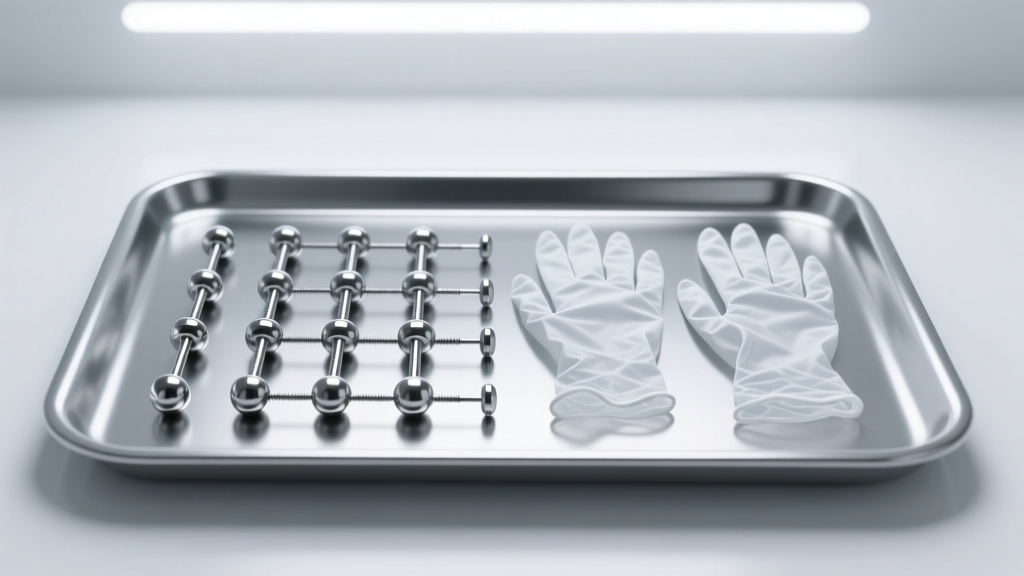
When it comes to intimate adornment, finding the perfect nipple jewelry women trust requires much more than simply picking an aesthetically pleasing design. The female nipple is a highly sensitive, dynamic tissue that changes in size and shape depending on temperature, arousal, and hormonal fluctuations. Consequently, selecting the correct gauge, length, and material is critical for both comfort and long-term tissue health. Whether you are transitioning from initial healing jewelry to a custom piece, or simply exploring non-piercing alternatives, this comprehensive step-by-step guide will walk you through the exact measurements, premium materials, and safe changing techniques required for optimal results.
Understanding Female Nipple Anatomy and Jewelry Sizing
One of the most common mistakes when shopping for nipple jewelry women wear daily is assuming a "one-size-fits-all" approach. Nipple piercings are typically performed at 14-gauge (1.6mm) or 12-gauge (2.0mm). While 14G is the industry standard for initial piercings, many women opt to stretch to 12G or even 10G over time to accommodate heavier ornamental shields or to reduce the risk of the "cheese-cutter effect" (where thin jewelry slowly migrates through the tissue).
Beyond gauge, the length of a straight barbell or the diameter of a captive bead ring (CBR) must account for the nipple's base width and its erect versus resting states. A barbell that is too short will compress the tissue, leading to necrosis or rejection, while a ring with too small a diameter will cause upward migration and chronic irritation.
Standard Sizing Chart for Female Nipple Piercings
| Jewelry Type | Standard Gauge | Resting Length/Diameter | Erect/Swelling Accommodation |
|---|---|---|---|
| Straight Barbell | 14G (1.6mm) | 3/8" (10mm) | 1/2" (12mm) to 5/8" (16mm) |
| Straight Barbell | 12G (2.0mm) | 1/2" (12mm) | 5/8" (16mm) to 3/4" (19mm) |
| Captive Bead Ring (CBR) | 14G or 12G | 1/2" (12mm) | 9/16" (14mm) to 5/8" (16mm) |
| Nipple Shield | 14G or 12G | Custom fit to areola | Hinged designs for fluctuation |
Choosing the Right Materials and Threading Types
The tissue of the nipple is incredibly porous and sensitive to heavy metal toxicity and nickel allergies. When sourcing high-end nipple jewelry women rely on for daily wear, you must look beyond generic "surgical steel." According to the Association of Professional Piercers (APP), the only acceptable materials for long-term wear in intimate piercings are implant-grade titanium, niobium, and specific alloys of solid gold.
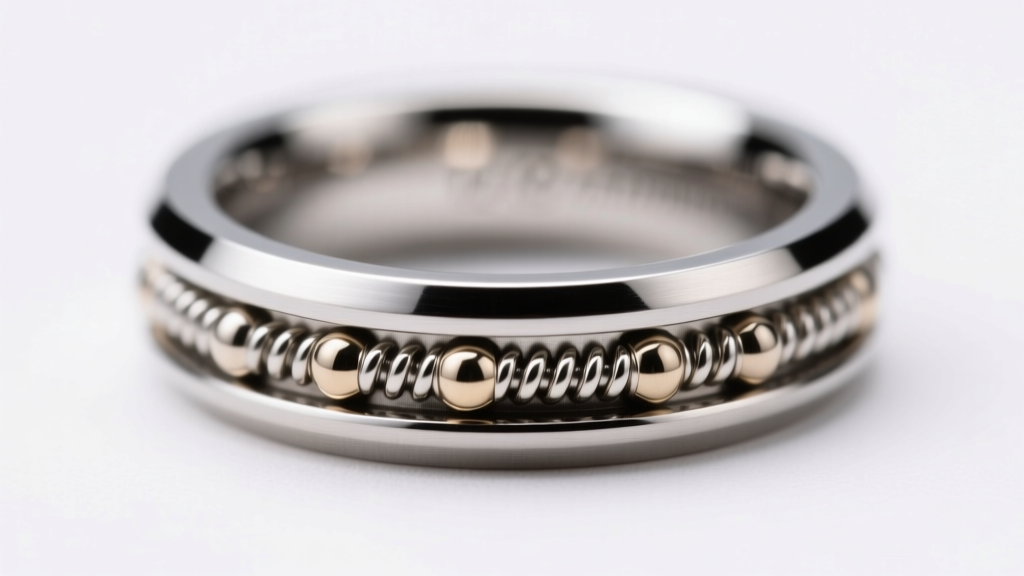
- Implant-Grade Titanium (ASTM F136): The gold standard for sensitive tissue. It is completely nickel-free, lightweight, and can be anodized to produce vibrant colors without compromising biocompatibility. Expect to pay between $40 and $80 for high-quality titanium barbells from brands like Anatometal or Industrial Strength.
- Niobium: Another highly biocompatible, nickel-free metal that is slightly heavier than titanium and often used for captive bead rings due to its malleability.
- Solid Gold (14k or 18k): Must be nickel-free and palladium-based or high-quality yellow gold. White gold often contains nickel and should be avoided. Premium gold pieces from manufacturers like BVLA can range from $200 to over $600 depending on gemstone settings.
The Critical Importance of Threading
Never use externally threaded jewelry (where the screw pattern is on the ball) for a nipple piercing. Forcing coarse threads through the delicate fistula causes micro-tears and scar tissue buildup. Always opt for internally threaded jewelry (the screw is on the bar) or threadless (push-pin) mechanisms, which offer a seamless, mirror-finish insertion that protects the healing tract.
Step-by-Step Guide to Safely Changing Your Jewelry
Changing intimate jewelry requires patience, proper hygiene, and the right tools. Never attempt to change a nipple piercing that is less than 6 to 12 months old, as the fistula will likely close within minutes of removal. For fully healed piercings, follow this professional protocol.
Step 1: Preparation and Sterilization
Wash your hands thoroughly with antibacterial soap for at least 20 seconds. Prepare a clean workspace by laying down a sterile gauze pad or paper towel. Lay out your new, sterilized jewelry, a bottle of sterile saline wound wash, and a pair of powder-free black nitrile gloves. The gloves are not just for hygiene; they provide the essential friction needed to grip smooth metal balls that are often impossible to unscrew with bare, slippery fingers.
Step 2: The Removal Process
Put on your nitrile gloves. Grip the back disc of your current barbell firmly with your non-dominant hand to anchor it. Using your dominant hand, grip the front ball and twist counter-clockwise (lefty-loosey). If the ball is stuck, do not use pliers, which can shatter gemstones or mar the metal. Instead, apply a warm compress to the area for five minutes to reduce minor swelling, or use a piece of latex-free dental dam for extra grip. Once the ball is off, gently slide the barbell out in the exact direction of the piercing angle.
Step 3: Insertion Using a Taper
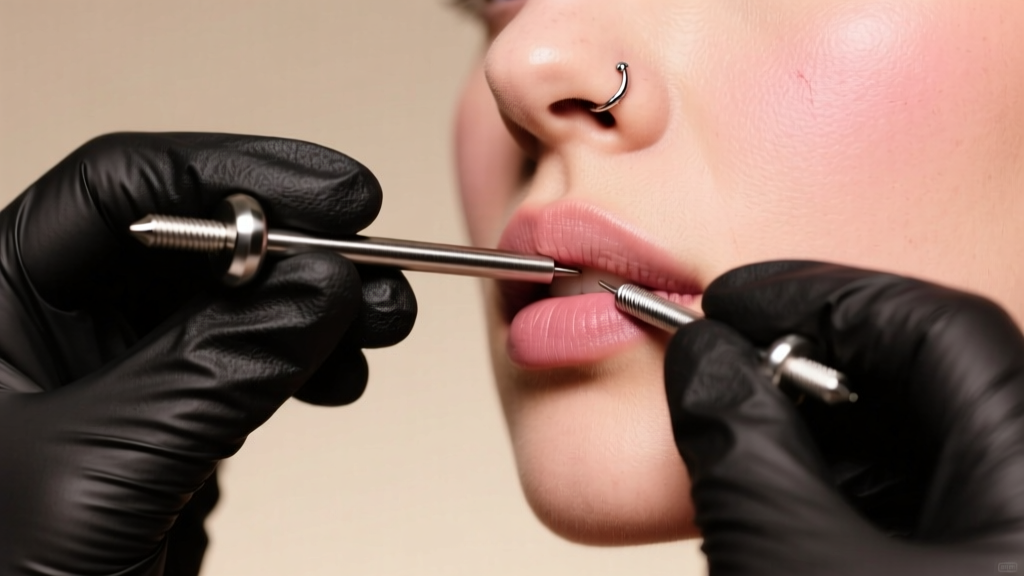
Inserting new jewelry blind can easily snag the inside of the fistula. To prevent this, use a sterilized stainless steel insertion taper that matches your gauge (e.g., a 14G taper for a 14G barbell). Lubricate the taper with a drop of sterile saline or water-based lubricant. Gently guide the taper through the piercing until it exits the opposite side. Align the post of your new threadless or internally threaded jewelry with the back of the taper, and push them through together in one smooth, continuous motion. Secure the end piece according to the manufacturer's instructions.
Non-Piercing Alternatives: Nipple Jewelry Women Choose Without Piercings
Not everyone wants the permanence or healing process of a traditional piercing. For those seeking temporary aesthetic enhancement, the market for non-piercing nipple jewelry women enjoy has expanded significantly. Magnetic nipple rings use high-strength neodymium magnets to clamp onto the nipple base, offering a realistic CBR look without the needle. However, they should only be worn for a few hours at a time to prevent tissue ischemia (restricted blood flow). Clip-on nipple cuffs and adjustable tension rings offer another painless alternative, often featuring dangling charms or ornate shields that adhere via gentle pressure or skin-safe silicone suction cups.
Long-Term Maintenance and Troubleshooting
Even fully healed piercings require routine maintenance. The APP aftercare guidelines recommend cleaning the area daily with a sterile saline solution, especially after heavy sweating or intimate activities. Avoid using harsh chemicals like rubbing alcohol, hydrogen peroxide, or tea tree oil, which will strip the tissue of its natural moisture barrier and cause contact dermatitis.
Periodically inspect your jewelry for signs of wear. Check the threading for cross-threading or stripped screws, and ensure that gemstone prongs on ornamental shields have not snagged on clothing or towels. If you notice any persistent redness, localized heat, or a change in the angle of the piercing, consult a professional piercer or a dermatologist immediately, as these are early indicators of migration or localized infection. By prioritizing premium materials, precise sizing, and meticulous hygiene, you can ensure your intimate jewelry remains safe, comfortable, and beautifully expressive for years to come.


