The Beginner's Guide to Choosing Female Nipple Jewelry
Discover how to select the best female nipple jewelry for initial healing. Learn about implant-grade titanium, 14G sizing, and safe aftercare tips.

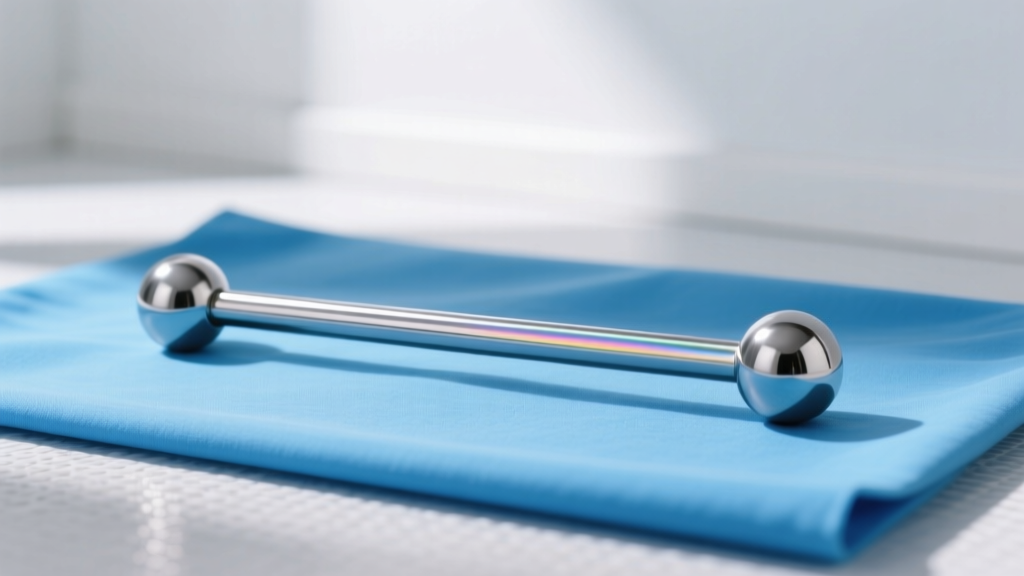
Why Your First Female Nipple Jewelry Choice Matters
Choosing your first piece of female nipple jewelry is not merely an aesthetic decision; it is a critical physiological one. The nipple is a highly sensitive, glandular tissue structure that undergoes significant trauma during the piercing process. The jewelry you select for the initial healing phase will directly dictate your comfort levels, the speed of your recovery, and the long-term viability of the piercing itself. In 2026, professional piercing standards have evolved significantly, moving away from outdated materials and generic sizing in favor of highly specific, biocompatible engineering. If you are preparing for your first piercing or looking to correct a poorly performed one, understanding the exact specifications of safe body jewelry is non-negotiable.
According to the Association of Professional Piercers (APP), the majority of early-stage piercing complications—including contact dermatitis, hypertrophic scarring, and migration—can be traced directly back to improper jewelry material, poor surface finishes, or incorrect sizing. This guide breaks down the exact metallurgical and dimensional requirements you need to know before you sit in the piercer's chair.
The Only Two Metals You Should Consider
When browsing for intimate jewelry, you will frequently encounter the term 'surgical steel.' For a fresh nipple piercing, this material is entirely inappropriate. Surgical steel contains varying amounts of nickel, a known allergen that can trigger severe immune responses when introduced to an open wound. Instead, you must restrict your choices to two specific, highly biocompatible metals:
- Implant-Grade Titanium (ASTM F136): This is the gold standard for fresh piercings. ASTM F136 titanium is completely nickel-free, highly resistant to corrosion from bodily fluids, and lightweight. It can also be anodized to create vibrant, safe colors without the use of toxic dyes or platings that can flake off into the fistula.
- Niobium: A highly reactive, nickel-free elemental metal that is similarly biocompatible. While slightly heavier and softer than titanium, niobium is an excellent alternative, particularly for those who prefer the deep, rich blacks achieved through heat anodization.
Always verify that your jewelry is stamped or certified as 'Implant-Grade' (ASTM F136 or F1295). 'Titanium-plated' or unverified 'titanium' from online marketplaces often harbors microscopic pits and polishing compounds that trap bacteria.
Sizing Specifications: Gauge, Length, and Swelling
Nipple tissue is incredibly vascular and prone to dramatic swelling in the first 72 to 96 hours post-piercing. If your jewelry is too short, the ends will embed into the tissue, requiring emergency intervention and potentially causing necrosis. Conversely, if the jewelry is excessively long, it will catch on clothing, leading to trauma and delayed healing.
| Measurement Type | Initial Healing Phase | Fully Healed Phase |
|---|---|---|
| Gauge (Thickness) | 14G (1.6mm) | 14G (1.6mm) |
| Barbell Length | 5/8' (16mm) to 3/4' (19mm) | 3/8' (10mm) to 1/2' (12mm) |
| Ball End Size | 5mm (3/16') | 4mm (5/32') to 5mm |
The Danger of the Cheese-Cutter Effect
Some beginners request thinner jewelry, such as 16G (1.2mm) or 18G (1.0mm), under the misconception that a smaller needle will hurt less. This is a dangerous fallacy. Thin jewelry placed through mobile, heavy tissue like the nipple creates a 'cheese-cutter effect.' The narrow wire exerts immense localized pressure, slowly slicing through the tissue over time and leading to inevitable rejection and migration. A 14G (1.6mm) barbell provides the necessary surface area to distribute pressure evenly, anchoring the piercing securely for life.
Internal Threading vs. Threadless Designs
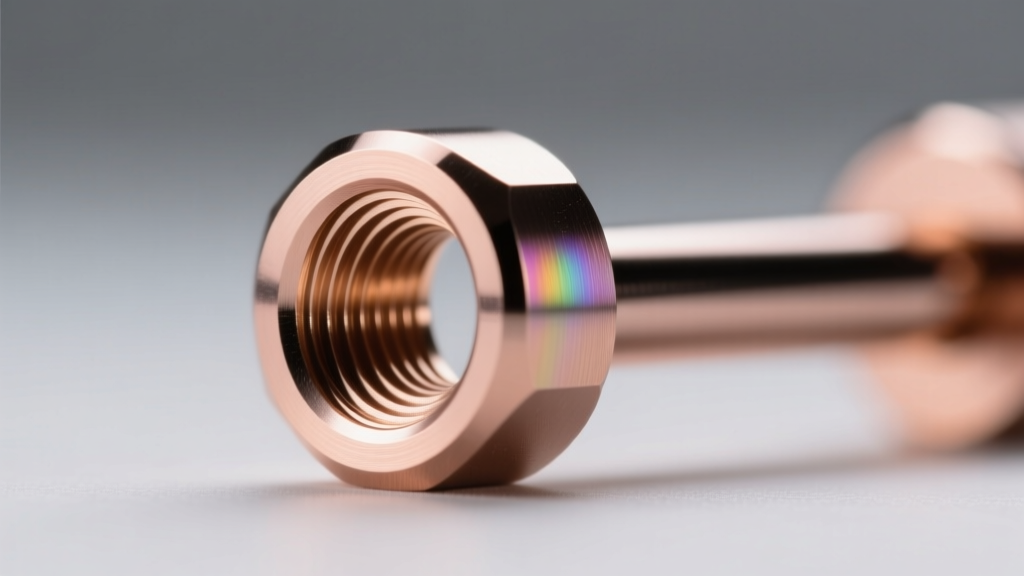
The mechanism by which the decorative ends attach to the barbell shaft is just as important as the metal itself. You must absolutely avoid externally threaded jewelry, where the screw is on the barbell shaft. Forcing external threads through a fresh fistula acts like a file, tearing the delicate healing cells and introducing microscopic metal shavings into the wound.
Instead, insist on one of the following two connection types:
- Internally Threaded: The screw mechanism is located inside the decorative ball or end, while the shaft is perfectly smooth. This allows the jewelry to glide through the piercing channel without causing micro-tears.
- Threadless (Press-Fit): Pioneered by brands like NeoMetal, this system uses a slightly bent pin that creates tension inside the hollow shaft. It is entirely smooth, incredibly secure, and allows for seamless jewelry changes once healed without the risk of cross-threading.
Barbell vs. Ring: The Healing Debate
While captive bead rings (CBRs) and clickers are highly popular for healed nipple adornment, they are universally condemned by reputable piercers for initial healing. Rings possess a natural curvature that forces the jewelry to sit at an angle within the straight piercing channel. This creates continuous pressure on the fistula walls. Furthermore, rings rotate freely, constantly dragging external bacteria, lint, and dead skin cells directly into the healing wound.
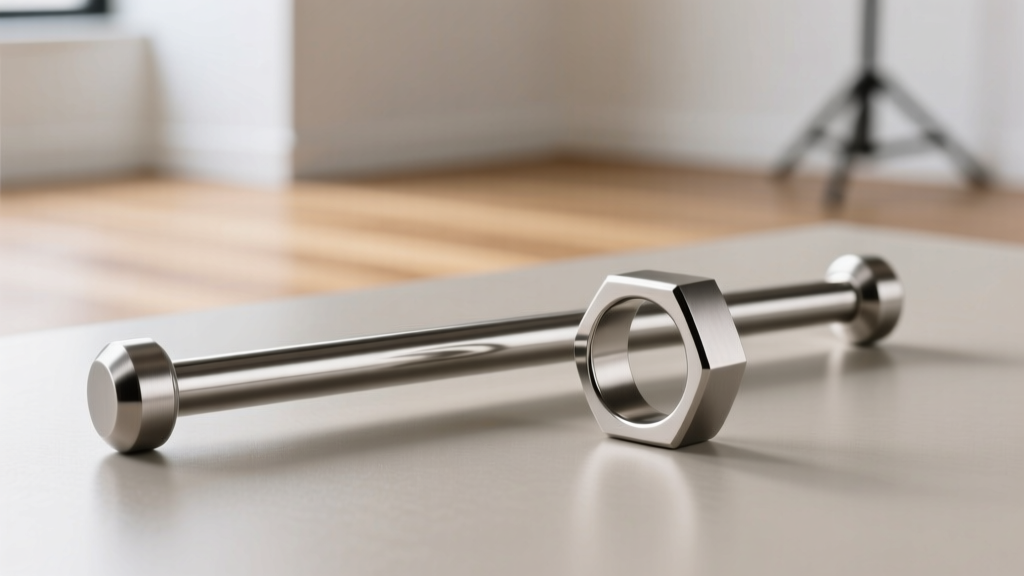
A straight barbell aligns perfectly with the piercing channel, remains relatively stationary, and minimizes snag hazards. You should only transition to a ring after the piercing is fully matured, which for nipple tissue typically takes between 9 to 12 months of meticulous aftercare.
Trusted Brands and Pricing Expectations
High-quality, implant-grade jewelry requires precise CNC machining and rigorous polishing standards. Consequently, it is an investment. You should expect to pay between $30 and $60 per complete barbell (shaft and two ends) from reputable manufacturers. If you are purchasing a complete set of jewelry for under $15, it is almost certainly made of inferior, unverified metals.
When consulting with your piercer, look for these industry-leading brands in their display cases:
- Industrial Strength Body Jewelry: Renowned for their flawless mirror finishes and incredibly precise internal threading.
- Anatometal: A pioneer in implant-grade metals, offering a massive variety of anodized colors and precision-set gemstones.
- NeoMetal: The undisputed leader in threadless, press-fit jewelry technology, offering sleek, low-profile ends perfect for intimate areas.
Aftercare and the Downsizing Milestone
Once your 14G titanium barbell is in place, your focus shifts to healing. The APP's recommended aftercare protocol emphasizes the LITHA method (Leave It The Hell Alone) combined with sterile saline irrigation. Spray a 0.9% sterile sodium chloride solution (with absolutely no added preservatives or aloe) onto the piercings twice daily. Gently pat dry with non-woven gauze; avoid cotton balls or Q-tips, which can leave fibers wrapped around the barbell ends.
Finally, mark your calendar for the 4-to-6-week mark. Once the initial swelling has completely subsided, you must return to your piercer for a 'downsize.' They will swap your long 5/8-inch initial barbell for a snugger 3/8-inch or 1/2-inch post. This crucial step prevents the long bars from catching on bras and towels, securing the foundation for a flawless, lifelong healing process.


