Clit Hood Piercing Jewelry: The Ultimate Buying Guide (2026)
Discover the best clit hood piercing jewelry for 2026. Learn about VCH and HCH sizing, implant-grade materials, and top brands for safe, comfortable wear.

The Anatomy of Intimate Piercings: VCH vs. HCH
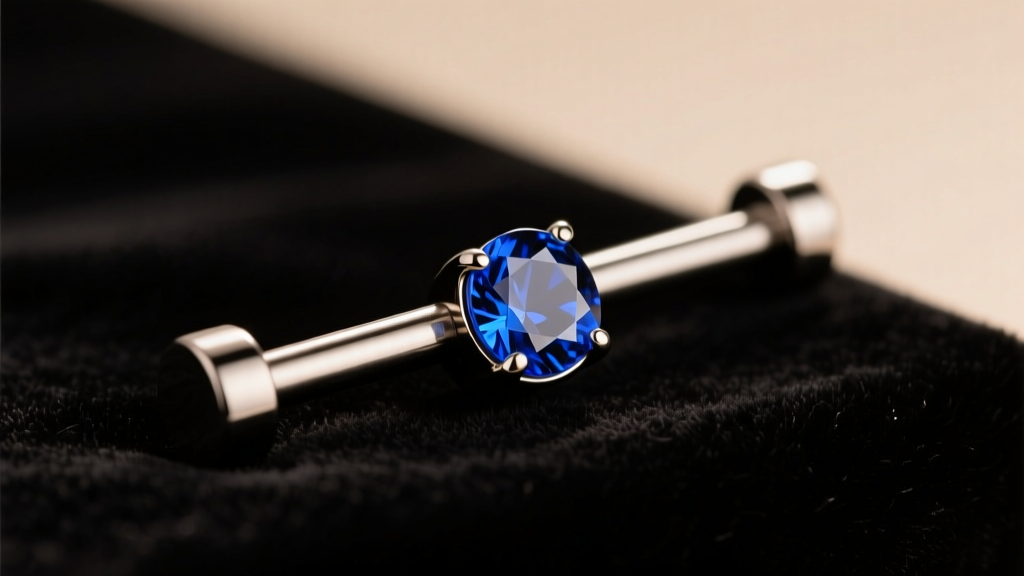
When shopping for clit hood piercing jewelry, understanding your specific anatomy is the critical first step. The term 'clit hood piercing' generally refers to one of two distinct placements, each requiring entirely different jewelry geometries. The Vertical Clitoral Hood (VCH) is the most common and anatomically viable option. The jewelry passes vertically through the apex of the hood, allowing the bottom gemstone or bead to rest directly against the clitoral glans for stimulation. Conversely, the Horizontal Clitoral Hood (HCH) passes horizontally across the hood tissue. HCH piercings are far less common, as they require a specific, pronounced tissue fold to heal properly without rejecting.
Buying the wrong style for your placement isn't just a matter of aesthetics; it is a primary cause of migration, rejection, and the dreaded 'cheese-cutter effect,' where thin or poorly shaped jewelry slowly slices through delicate hood tissue. In this 2026 buyer's guide, we break down the exact material grades, gauge requirements, and structural designs you need to look for to ensure a safe, comfortable, and stimulating experience.
Material Grades: The Non-Negotiable Safety Standards
Genital tissue is highly vascular, sensitive, and prone to absorbing irritants. According to the Association of Professional Piercers (APP), only specific implant-grade materials should ever be worn in a fresh or healed clit hood piercing. Avoid 'surgical steel' (316L) at all costs; it contains up to 10% nickel, which frequently triggers contact dermatitis and swelling in intimate areas.
| Material | Standard / Composition | Nickel Risk | 2026 Price Range |
|---|---|---|---|
| Implant-Grade Titanium | ASTM F-136 | Zero | $35 - $90 |
| Niobium | Pure, Unalloyed Elemental | Zero | $30 - $75 |
| 14k / 18k Solid Gold | Nickel-Free (Palladium Alloy) | Zero | $150 - $450+ |
| Surgical Steel (316L) | Contains Nickel & Chromium | High | $10 - $25 |
| Acrylic / Bioplast | Porous Polymers | Zero (but harbors bacteria) | $5 - $15 |
Expert Tip: If you are buying gold clit hood piercing jewelry, you must verify with the manufacturer that it is alloyed with palladium or silver, not copper or nickel. White gold is particularly notorious for containing nickel unless explicitly certified as nickel-free.
Sizing, Gauge, and the Cheese-Cutter Effect
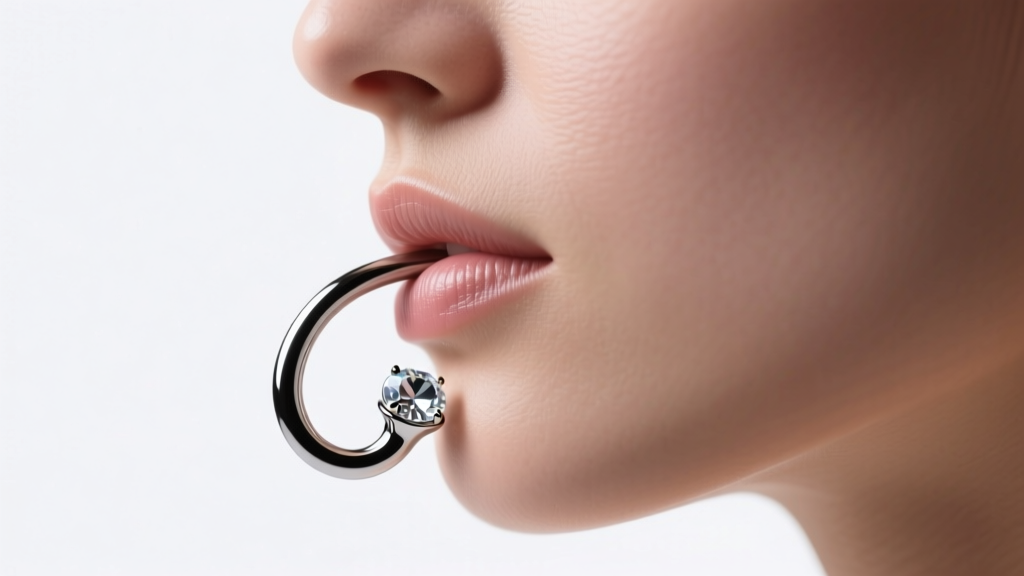
Sizing is where most online purchases fail. A VCH piercing requires a curved barbell that perfectly matches the depth of your hood. If the barbell is too long, it will snag on underwear and cause trauma. If it is too short, it will embed into the swelling tissue during the initial healing phase.
Standard Gauge Thicknesses
- 14 Gauge (1.6mm): The absolute gold standard for VCH and HCH piercings. This thickness provides enough structural integrity to prevent the cheese-cutter effect (migration caused by jewelry acting like a wire through cheese).
- 12 Gauge (2.0mm): Recommended for individuals with thicker hood tissue or those who engage in high-friction activities.
- 16 Gauge (1.2mm): Generally avoided for the hood due to migration risks, though occasionally used for very delicate, shallow HCH placements by expert piercers.
The Crucial Downsizing Protocol
When you are initially pierced, your piercer will use a longer barbell—typically 10mm (3/8") or 12mm (1/2")—to accommodate the inevitable swelling that occurs in the first 7 to 14 days. However, leaving this long barbell in after the swelling subsides is a massive error. You must return to your piercer (or carefully swap it yourself using sterilized tools) to downsize to a 6mm (1/4") or 8mm (5/16") barbell. A properly fitted healed VCH barbell should allow the bottom gem to rest gently on the glans without pulling the top bead away from the hood.
Threading and Gem Settings: Avoiding Snags
The mechanical construction of your clit hood piercing jewelry dictates how comfortable it will be during daily wear and intimacy. In 2026, there is zero excuse for wearing externally threaded jewelry (where the screw threads are on the barbell post). Dragging sharp metal threads through a fistula causes micro-tears and scar tissue buildup.
"For intimate piercings, I exclusively use threadless (press-fit) or internally threaded titanium. The smooth post glides through the tissue without causing trauma, and the tension-fit ends are incredibly secure during vigorous activity." — Senior APP-Certified Piercer
Furthermore, pay close attention to the gemstone settings. Bezel settings (where a smooth rim of metal completely encircles the gem) are vastly superior for VCH piercings. Prong settings, while beautiful, feature tiny metal claws that easily catch on lace lingerie, towels, and partner anatomy, leading to painful snags and potential tearing.
Best Jewelry Styles and Top Brands for 2026
Curved Barbells (The VCH Standard)
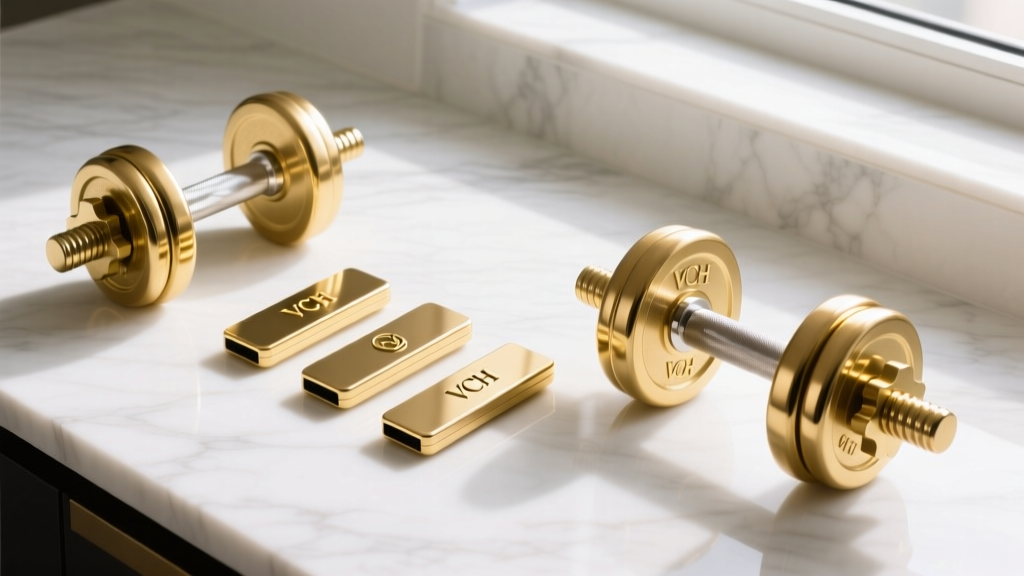
The standard curved barbell remains the undisputed champion for VCH piercings. Look for brands that offer customizable lengths in 1mm increments. Anatometal and Industrial Strength (IS2) are industry leaders, offering flawless internal threading and precise, consistent curves that map perfectly to the female anatomy.
Hinged Segment Rings and Clickers (The HCH Standard)
For HCH piercings, or fully healed VCH piercings where the anatomy allows, hinged clickers offer a seamless look. Maria Tash and BVLA produce high-end, nickel-free gold clickers with invisible closures that eliminate the gap found in traditional captive bead rings (CBRs). CBRs are largely outdated for intimate wear due to the difficulty of opening them and the irritation caused by the tension gap.
Red Flags: What to Avoid When Shopping
When browsing online marketplaces, immediately discard any listings featuring the following:
- Butterfly Backs / Push-Pins: These harbor massive amounts of bacteria and feature sharp posts that will lacerate sensitive genital tissue.
- 'Mystery Metal' or 'Hypoallergenic' Labels: 'Hypoallergenic' is an unregulated marketing term, not a metallurgical standard. If it doesn't explicitly state ASTM F-136 Titanium or Nickel-Free Solid Gold, do not put it in your body.
- Acrylic or Silicone O-Rings: These porous materials absorb bodily fluids and bacteria, creating a breeding ground for infections and toxic shock risks in warm, moist environments.
Final Thoughts on Aftercare and Maintenance
Even the highest quality clit hood piercing jewelry requires diligent aftercare. Genital piercings heal remarkably fast—often within 4 to 8 weeks for a VCH—due to the high blood flow in the area. However, this same environment requires strict hygiene. Cleanse the area twice daily with a sterile saline wound wash (0.9% sodium chloride with no additives). Avoid harsh soaps, tea tree oils, and alcohol-based astringents, which will dry out the mucosal tissue and delay healing. For comprehensive healing timelines and warning signs of infection, always refer to guidelines provided by the Association of Professional Piercers. By prioritizing implant-grade materials, precise millimeter sizing, and snag-free bezel settings, your intimate jewelry will provide safe, long-lasting comfort and enhancement.


