Fixing Non Pierced Nipple Jewelry: Comfort & Security Guide
Struggling with slipping or pinching? Learn how to troubleshoot non pierced nipple jewelry for a secure, comfortable fit with our expert guide.

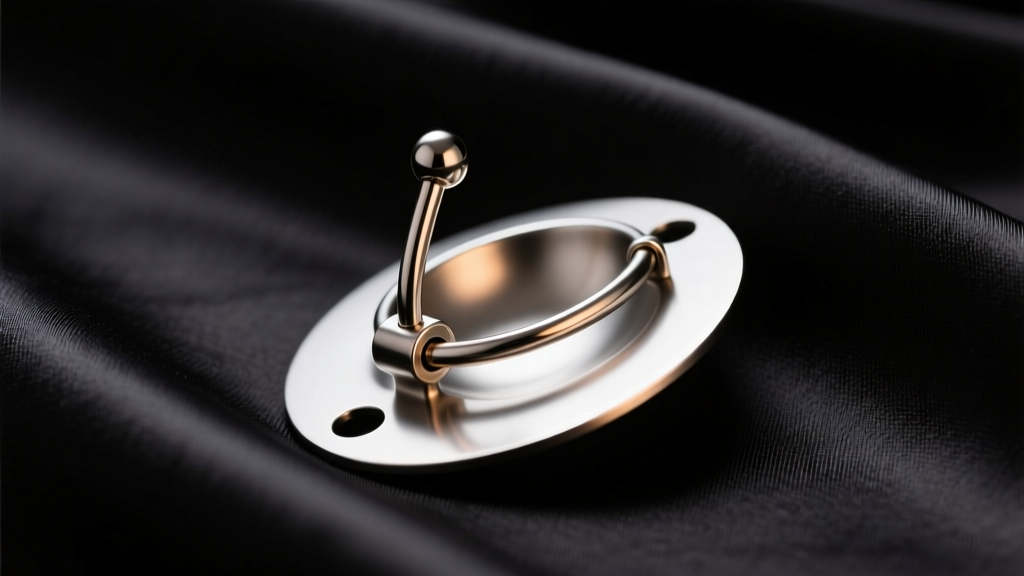
The Biomechanics of Tension and Friction
Non pierced nipple jewelry offers an alluring aesthetic without the commitment, healing time, or permanence of a traditional piercing. However, because these pieces rely entirely on external physical forces rather than a healed fistula, they introduce a unique set of biomechanical challenges. Whether you are wearing a tension-based faux ring, a magnetic barbell, or a friction-fit shield, the jewelry must combat gravity, bodily movement, and natural skin oils. Understanding the physics of how these adornments stay in place is the first step in troubleshooting common failures like slippage, pinching, and tissue irritation.
Tension rings utilize a spring-loaded gap or a flexible C-clamp design to grip the base of the nipple. Magnetic barbells rely on the flux density of neodymium magnets to clamp the tissue between two decorative ends. Faux shields use a combination of lightweight materials and anatomical contouring to rest against the areola. When any of these mechanisms fail to account for individual anatomical variations or environmental factors, the result is immediate discomfort or embarrassing security failures.
Troubleshooting Slippage and Security Failures
The most frequent complaint regarding non pierced nipple jewelry is slippage. This typically occurs during physical activity, intimacy, or simply due to the natural secretion of sebum and sweat, which acts as a lubricant between the skin and the jewelry. If your faux ring or shield constantly migrates or falls off, the issue usually stems from a lack of friction or an incorrect base diameter.
The Silicone Gripper Solution
To solve slippage on tension-based rings and shields, integrate medical-grade silicone grippers. Look for silicone o-rings or pads with a Shore 40A durometer. This specific hardness provides enough tackiness to grip the skin aggressively without causing micro-abrasions on the delicate areolar tissue. Cut a 2mm strip of Shore 40A silicone and line the inner band of your tension ring. This creates a high-friction barrier that neutralizes the lubricating effects of skin oils.
Pre-Application Skin Preparation
Security also depends on the canvas. Before applying non pierced nipple jewelry, cleanse the area with a 70% isopropyl alcohol wipe to strip away natural oils, lotions, and sweat. Allow the skin to dry completely. This simple step can increase the grip strength of friction-based shields by up to 40%, ensuring they stay anchored during movement.
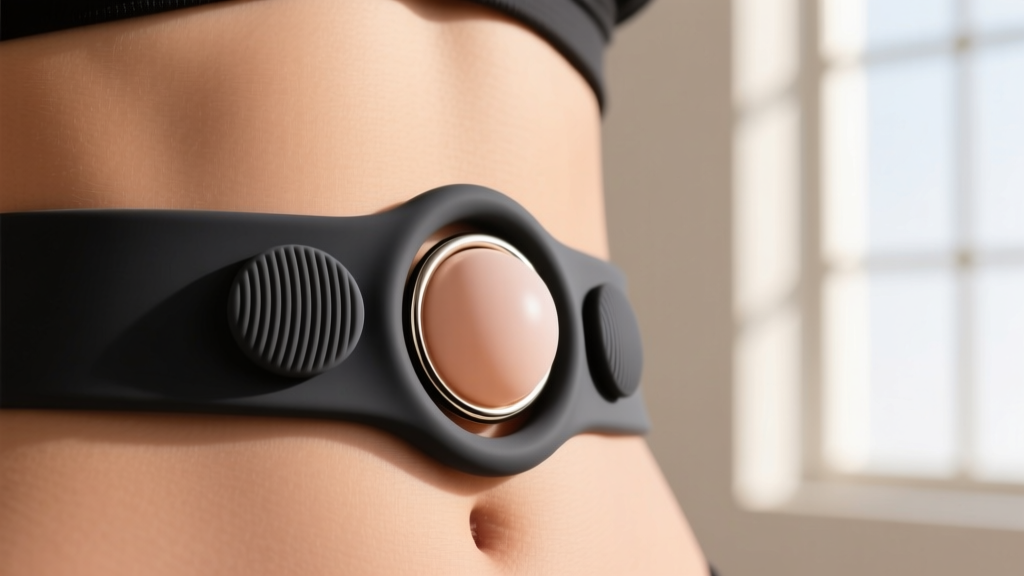
Solving Pinching, Ischemia, and Allergic Reactions
While slippage is an annoyance, pinching and tissue restriction are genuine health hazards. If your jewelry leaves deep indentations, causes a throbbing sensation, or results in a blue/purple discoloration of the nipple, you are experiencing ischemia—a dangerous restriction of blood flow. Furthermore, itching and localized rashes are hallmarks of contact dermatitis caused by inferior metal alloys.
Material Science: Avoiding Contact Dermatitis
Many mass-produced non pierced magnetic barbells use cheap zinc alloys or low-grade surgical steel that contains high levels of nickel. When these metals sit against the highly permeable skin of the areola, nickel ions leach out, triggering severe allergic reactions. According to the National Center for Biotechnology Information, nickel is the most common cause of allergic contact dermatitis worldwide. To troubleshoot this, you must upgrade your jewelry materials.
| Material | Nickel Content | Friction Coefficient | Expert Verdict |
|---|---|---|---|
| 316L Surgical Steel | 8% - 12% | Medium | Avoid for non-pierced wear; high allergy risk. |
| ASTM F136 Titanium | 0% (Nickel-Free) | Low (Requires Grippers) | The gold standard; hypoallergenic and lightweight. |
| PVD-Coated Brass | Variable (Hidden) | High | Risky; micro-scratches expose underlying allergens. |
| Acrylic / Bioplast | 0% | High | Good for temporary wear, but porous and harbors bacteria. |
Always opt for ASTM F136 implant-grade titanium. The Association of Professional Piercers recognizes this specific alloy as the benchmark for biocompatibility. Because titanium has a naturally low friction coefficient, you must pair it with the aforementioned silicone grippers to prevent slippage.
Correcting Ischemia from Tension and Magnets
If you are using a tension ring, the gap must be carefully calibrated. A properly fitted tension ring should exert no more than 15-20 grams of pressure. You can test this by ensuring you can slide a piece of standard printer paper between the jewelry and your skin with minimal resistance. For magnetic barbells, avoid N52 grade neodymium magnets if you have sensitive tissue; their sheer magnetic pull can easily crush capillaries. Downgrade to N35 magnets, which offer sufficient hold for lightweight acrylic or titanium ends without compromising blood flow.
Sizing Frameworks: Matching Jewelry to Anatomy
A major failure point in non pierced nipple jewelry is the assumption of a 'one-size-fits-all' standard. Nipple anatomy varies drastically, not just between individuals, but between the left and right side of the same person, and even between different physiological states (flaccid vs. erect or cold temperatures).
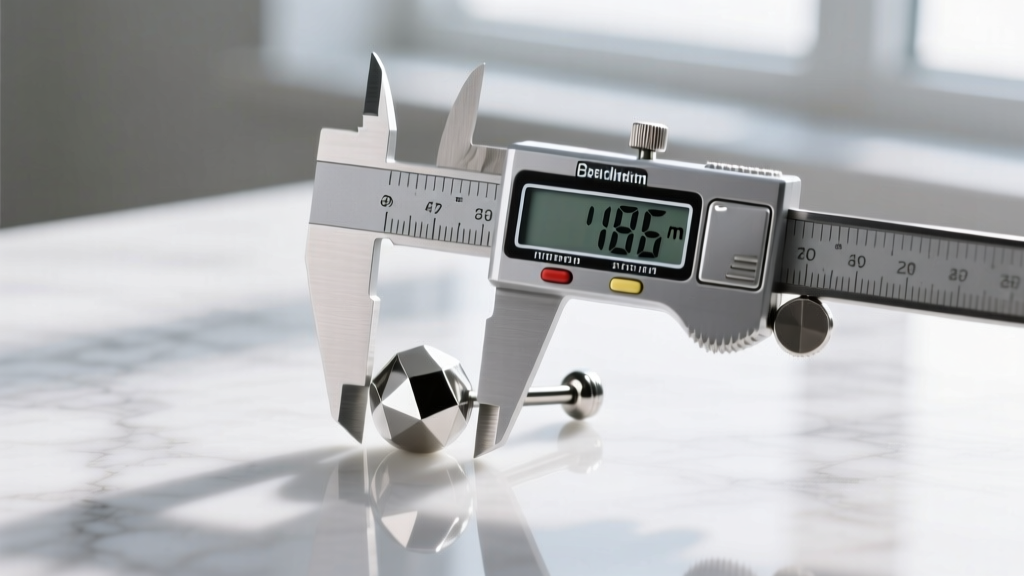
The 20% Expansion Rule
When measuring for a faux shield or a tension ring, you must account for tissue expansion. Use a digital caliper to measure the base diameter of the nipple in its resting state. Then, gently stimulate the tissue to an erect state and measure again. The jewelry's internal diameter or resting gap must accommodate the erect measurement plus an additional 20% clearance. For example, if your erect base diameter is 10mm, your tension ring should have an adjustable gap that comfortably spans up to 12mm without losing its structural tension. Purchasing adjustable tension rings with a micro-screw mechanism allows you to dial in this exact millimeter precision.
Step-by-Step Adjustments for Popular Styles
Different styles of non pierced jewelry require specific troubleshooting protocols. Use this actionable checklist to optimize your current collection:
- Tension C-Rings: If the ring rotates downward, the center of gravity is off. Apply a small, 3mm dab of medical-grade silicone adhesive (skin-safe) to the inner apex of the ring to anchor it to the top of the base.
- Magnetic Barbells: If the magnets slide off the ends, the epoxy seal is failing. Clean the post with alcohol and re-secure the magnet using a drop of cyanoacrylate (super glue), ensuring the magnetic pole is facing the correct direction before it cures.
- Faux Chain Shields: If the decorative chains pull the shield downward, swap the heavy brass chains for lightweight aluminum or hollow-link titanium chains to reduce the drag coefficient.
- Suction-Based Cups: If the micro-suction cups lose their grip, wash them with warm water and a drop of mild soap to remove dead skin cells that clog the microscopic suction pores.
When to Abandon the Non-Pierced Route
While troubleshooting can resolve 90% of comfort and security issues, there are anatomical realities where non pierced nipple jewelry is simply not viable. If you have highly inverted nipples that do not respond to manual stimulation, tension rings will inevitably slip off or cause severe bruising as they attempt to grip non-existent tissue. Similarly, if you experience recurring contact dermatitis despite using ASTM F136 titanium and medical-grade silicone, your skin's microbiome may be reacting to the trapped moisture and friction inherent to any clamping mechanism.
In these scenarios, continuing to force non pierced jewelry can lead to micro-tears, hyperpigmentation, and chronic inflammation. Recognizing when your anatomy is incompatible with external tension is a crucial aspect of intimate body styling. If non pierced options consistently fail despite precise sizing and premium materials, consulting a professional piercer about traditional 14-gauge or 12-gauge barbells may be the only path to achieving the aesthetic you desire safely and comfortably.


