Choosing Safe Materials for Funny Nipple Piercing Jewelry
Discover which materials are safe for funny nipple piercing jewelry. Learn about titanium, niobium, and hazardous novelty alloys to avoid.

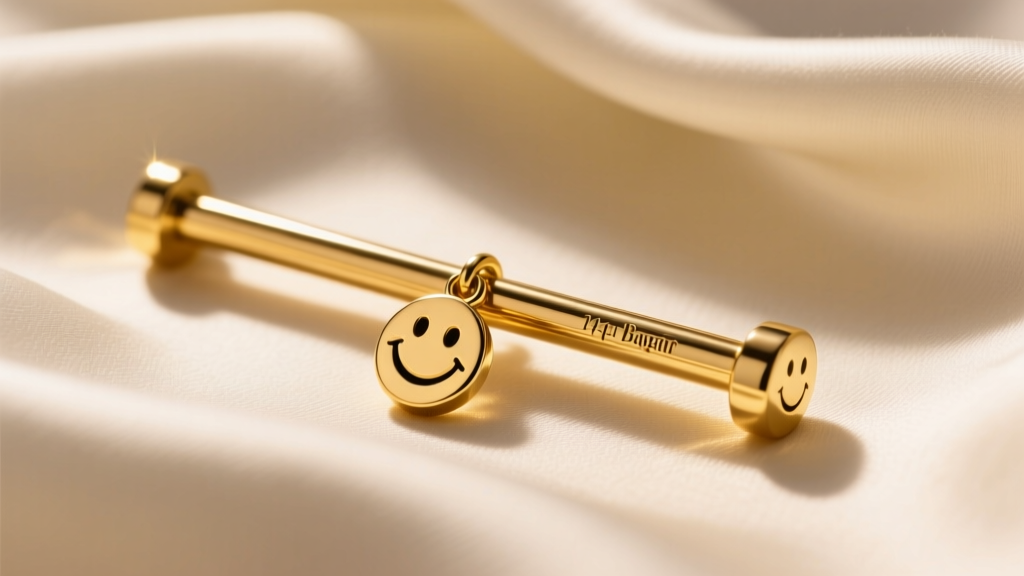
When it comes to intimate modifications, humor and self-expression often collide in the form of funny nipple piercing jewelry. From tiny holiday-themed dangles and novelty cartoon charms to bachelorette party gag gifts, the market for humorous intimate jewelry has exploded in 2026. However, the anatomical reality of the nipple piercing is entirely unforgiving. Unlike an earlobe, the nipple is a highly vascular, sensitive structure with a complex network of nerve endings and smooth muscle tissue. Introducing cheap, porous, or reactive novelty metals into this environment is a fast track to migration, hypertrophic scarring, and severe infection.
As a domain expert in intimate jewelry metallurgy, I frequently see clients suffering from rejection after wearing joke jewelry made from mystery alloys. This guide breaks down the exact material properties you must look for when shopping for novelty nipple bars, ensuring your sense of humor does not compromise your piercing's longevity.
The Metallurgy of Novelty: Why Material Matters More Here
The primary issue with novelty body jewelry is that manufacturers often prioritize cheap casting methods and colorful acrylics over biocompatibility. The piercing canal (the fistula) is essentially a wound that has healed around a foreign object. When you introduce funny nipple piercing jewelry made from reactive metals, the body's immune system triggers a chronic inflammatory response. According to the Association of Professional Piercers (APP), prolonged exposure to non-implant-grade materials can lead to contact dermatitis, localized tissue necrosis, and eventual rejection of the piercing.
Furthermore, novelty jewelry often features heavy charms, asymmetric weight distribution, and rough external threading. When combined with subpar materials, these design flaws create micro-traumas inside the fistula with every movement. To safely wear humorous jewelry, the material in direct contact with your skin must be completely inert, non-porous, and capable of achieving a mirror finish.
Approved Materials for Humorous Nipple Bars
If you want to wear a barbell with a dangling novelty charm, the base bar and the post connecting the charm must be crafted from one of the following approved materials.
Implant-Grade Titanium (ASTM F136)
Implant-grade titanium is the undisputed champion of intimate piercings. Specifically, you need titanium that meets the ASTM F136 standard for surgical implants. This alloy contains zero nickel and relies on a naturally occurring chromium oxide passivation layer that prevents corrosion from bodily fluids. High-end brands like Neometal use CNC-machined F136 titanium to create threadless posts that can securely hold heavy novelty ends without risking the charm detaching inside the fistula.
Niobium (ASTM B392)
Niobium is an elemental metal, meaning it cannot be alloyed with nickel or other reactive metals. It is highly malleable and biocompatible. While it is slightly softer than titanium and heavier, it is exceptionally safe for novelty nipple shields and heavy dangles. Its natural gunmetal grey color can also be anodized to create vibrant, safe colors without the use of toxic paints or platings.
Solid 14k and 18k Gold (Nickel-Free)
Gold is a fantastic option for novelty ends, provided it is solid 14k or 18k and explicitly alloyed without nickel, cadmium, or lead. White gold is particularly risky unless the manufacturer guarantees a palladium or silver alloy instead of nickel. Gold-plated or gold-filled novelty jewelry is strictly forbidden, as the thin layer of gold will quickly wear away in the high-friction environment of a nipple piercing, exposing the reactive brass or copper core beneath.
The 'Do Not Wear' List: Hazardous Novelty Materials
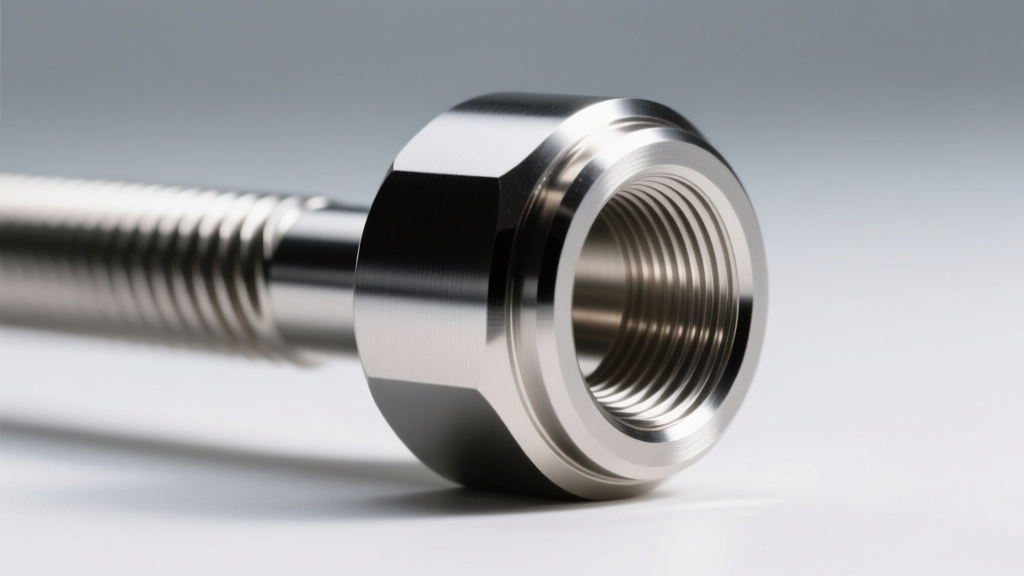
The majority of cheap, funny nipple piercing jewelry found in mall kiosks and unvetted online marketplaces is manufactured from hazardous materials. These materials fail catastrophically in intimate piercings due to their physical and chemical properties.
- Acrylic and PMMA: Acrylic is highly porous and prone to micro-fractures. At body temperature, acrylic can slightly warp and leach toxic monomers into the fistula. It harbors bacterial biofilms that no amount of cleaning can remove.
- Silicone and Bioplast: While soft, these materials have a high coefficient of friction. They grip the delicate tissue of the nipple canal, causing pressure necrosis and tearing. They also expand and contract with temperature changes, which can choke the piercing.
- 'Surgical Steel' (Mystery Alloys): The term 'surgical steel' is unregulated in the jewelry industry. Most novelty steel contains high levels of nickel, which causes severe allergic contact dermatitis in up to 20% of the population.
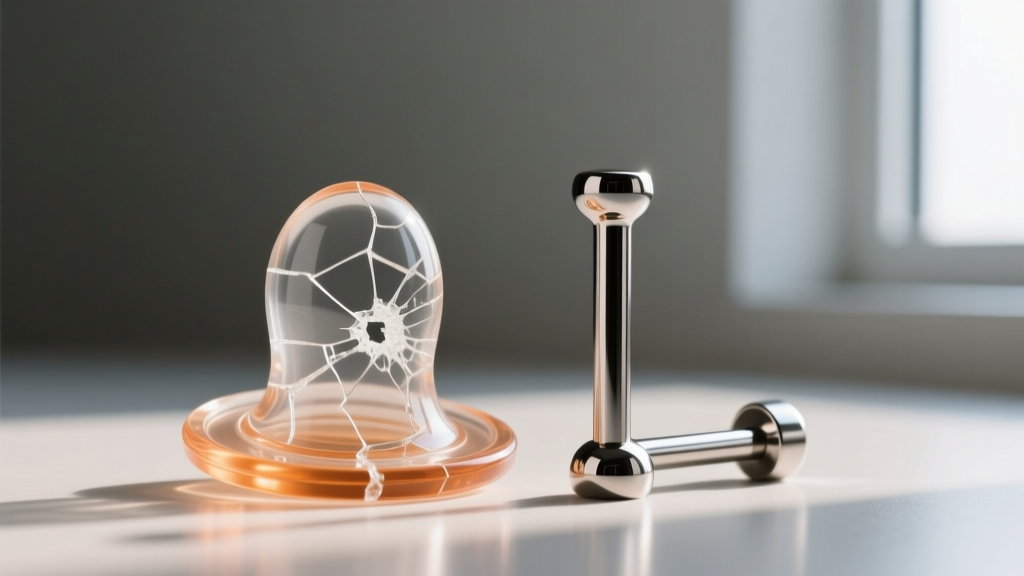
Material Safety Comparison Chart
| Material | Standard / Grade | Porosity | Nickel Content | Suitability for Novelty Nipple Jewelry |
|---|---|---|---|---|
| Implant-Grade Titanium | ASTM F136 | Non-Porous | None | Excellent (Ideal for base bars) |
| Niobium | ASTM B392 | Non-Porous | None | Excellent (Great for shields) |
| Solid Gold | 14k / 18k | Non-Porous | Varies (Must be Ni-Free) | Excellent (Ideal for charm ends) |
| Acrylic / PMMA | N/A | Highly Porous | None | Hazardous (Avoid entirely) |
| Bioplast / PTFE | N/A | Low Porosity | None | Poor (Causes friction tears) |
| Surgical Steel | 316L (Unverified) | Low Porosity | High (8-12%) | Poor (High allergy risk) |
Engineering Safe Novelty: Threading and Weight Distribution
Material is only half the battle; the mechanical engineering of the jewelry dictates whether a heavy, funny charm will destroy your piercing. Novelty jewelry often features oversized ends—think miniature champagne bottles, dangling dice, or heavy cartoon characters. This added weight creates a pendulum effect that can trigger the 'cheese-cutter' effect, where the jewelry slowly migrates through the tissue.
Threading Types Matter
Never use externally threaded jewelry for novelty nipple bars. External threading means the screw is on the barbell post, requiring you to drag sharp, jagged metal threads through your fistula every time you change the charm. Instead, opt for internally threaded jewelry (where the screw is on the charm end) or, preferably, threadless (press-fit) jewelry. Threadless titanium posts rely on the tension of a slightly bent pin, providing a secure hold that can support the weight of heavy novelty ends without unscrewing accidentally.
Sizing Guidelines for Dangle and Charm Jewelry
Nipple piercings are typically pierced at 14-gauge (1.6mm) or 12-gauge (2.0mm). When wearing funny nipple piercing jewelry with heavy dangles, a 12-gauge base bar is highly recommended. The thicker titanium post provides greater structural integrity and distributes the weight of the novelty charm over a wider surface area of tissue, significantly reducing the risk of migration and rejection.
Additionally, ensure the bar length accommodates the natural movement of the nipple. A bar that is too short will restrict blood flow when the nipple becomes erect, while a bar that is excessively long will allow the heavy charm to swing too wildly, causing blunt force trauma to the interior of the fistula.
The 2026 Expert Verdict: Humor in body jewelry is a fantastic way to express personality, but the fistula does not understand jokes. Always invest in an implant-grade titanium base bar and attach high-quality, solid gold or titanium novelty ends. Your piercing will thank you for decades to come.


