Labret Piercing Jewelry Troubleshooting: Fix Bumps and Embedding
Solve common issues with labret piercing jewelry. Expert troubleshooting for irritation bumps, embedding, and sizing errors to save your piercing.

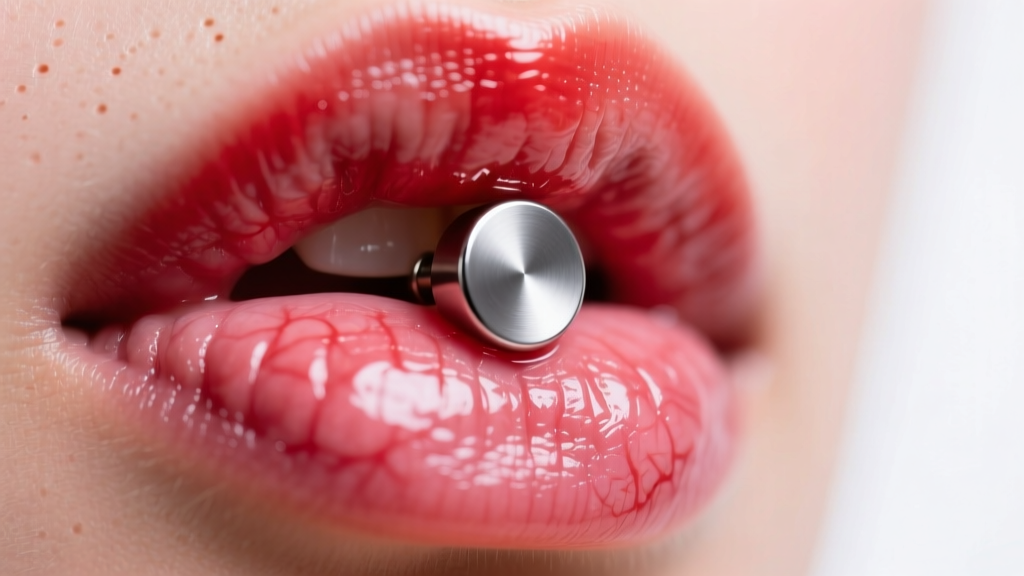
The lower lip is a highly vascular and dynamic environment, making it one of the most rewarding but temperamental placements in body modification. When complications arise, the culprit is rarely the piercing itself; rather, it is almost always the result of improper aftercare, poor initial angles, or incorrectly fitted labret piercing jewelry. Oral tissue swells rapidly and unpredictably, and a piece of jewelry that fit perfectly on day one can become a biological hazard by day three. This guide bypasses generic advice and dives straight into advanced, clinical-level troubleshooting for the most common labret crises, equipping you with the exact protocols needed to save your piercing.
The Anatomy of a Labret Piercing Crisis
Before troubleshooting, you must understand the mucosal environment. The inner lip is lined with a mucous membrane that heals significantly faster than external skin but is highly prone to lymphatic fluid buildup. When labret piercing jewelry is too short, too heavy, or made of reactive alloys, the body initiates an aggressive inflammatory response. The fistula (the healed or healing tunnel of tissue) will attempt to expel the foreign object or wall it off, resulting in embedding, blowouts, or localized granulomas. According to the Association of Professional Piercers (APP), oral piercings require meticulous attention to both the internal flat back and the external decorative end to maintain a stable healing environment.
Issue 1: The Dreaded Embedding (Swallowing the Post)
Embedding occurs when the mucosal tissue swells past the length of the post, causing the flat back disc to sink into the inner lip. If left untreated for more than 24 to 48 hours, the tissue will heal over the jewelry entirely, requiring surgical removal. This is almost always caused by using a post that is too short (e.g., 1/4 inch or 6mm) during the initial swelling phase, or failing to downsize after the swelling subsides, leading to chronic friction that triggers secondary swelling.
Immediate Triage for Embedded Labret Jewelry
If you notice the flat back is no longer visible or you cannot feel it with your tongue, you are in a time-sensitive emergency. Do not attempt to dig the jewelry out with tweezers or needles; this will cause severe tissue trauma and introduce oral bacteria into an open wound. Instead, visit a professional piercer immediately to have the post upsized to a 5/16-inch (8mm) or 3/8-inch (10mm) implant-grade titanium bar. Never use rubber O-rings as a temporary hack to stop the jewelry from sinking, as the porous rubber harbors bacteria and degrades rapidly in the moist, enzymatic environment of the mouth.
Issue 2: Irritation Bumps vs. Hypertrophic Scarring
Often mislabeled as 'keloids' by panicked clients, true keloids are genetic tumor-like growths that are exceedingly rare on the lips. What you are likely experiencing is an irritation bump—a localized collection of lymphatic fluid caused by friction, moisture, or pressure. Sleeping on your face, constantly flipping the lip to check the healing, or using harsh chemicals like tea tree oil will trigger these bumps.
| Complication | Primary Symptoms | Actionable Fix |
|---|---|---|
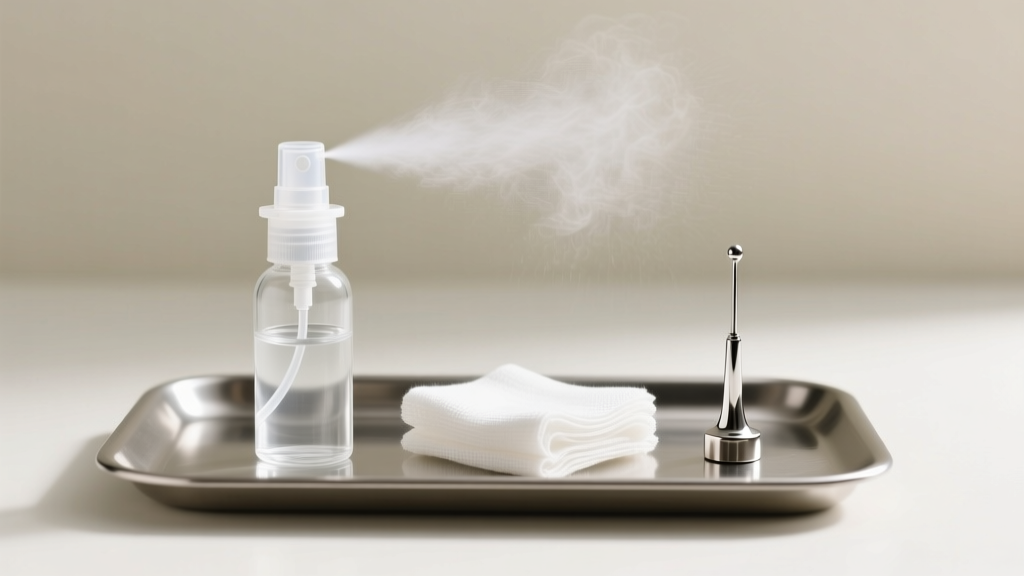
| Irritation Bump (Lymph) | Soft, fluid-filled, pale or red bump near the exit hole; weeps clear fluid. | Implement LITHA (Leave It The Hell Alone). Apply sterile 0.9% saline spray twice daily. Avoid sleeping on the piercing. |
| Contact Dermatitis | Itchy, flaky, red rash spreading outward from the jewelry site; dry skin. | Switch to ASTM F-136 titanium immediately. Stop all ointments, creams, and essential oils. |
| Angle Rejection | Jewelry sits crookedly; tissue between entry and exit thins out; persistent redness. | Consult a piercer for a potential removal and re-piercing at a correct, perpendicular angle once healed. |
For stubborn bumps, the APP guide on irritation bumps recommends warm sterile saline compresses using non-woven gauze for 5 to 10 minutes a day to encourage lymphatic drainage. Avoid Q-tips, as the loose cotton fibers can wrap around the jewelry post and introduce infection.
Issue 3: Material Allergies and Contact Dermatitis
The oral cavity is a harsh chemical environment, constantly exposed to acidic foods, enzymes, and varying pH levels. Surgical stainless steel (even 316L) contains up to 10% nickel, which can leach into the tissue and cause severe contact dermatitis, presenting as chronic redness, itching, and a failure of the fistula to mature. If your labret piercing jewelry is causing a persistent, itchy rash, you are likely experiencing a nickel allergy.
The only acceptable materials for fresh or troubled labret piercings are implant-grade titanium (ASTM F-136) or pure niobium. Furthermore, the construction of the jewelry matters immensely. Externally threaded jewelry (where the screw is on the post) acts like a file, tearing the delicate healing fistula every time it is inserted or removed. You must exclusively use internally threaded (where the screw is on the gem) or threadless push-pin jewelry. Threadless systems, utilizing tension-fit pins from brands like Neometal or BVLA, are particularly superior for oral piercings because they eliminate the risk of the decorative end unscrewing inside the mouth and being accidentally swallowed or chipped against the teeth.
Sizing Matrix: Finding the Perfect Post Length
Incorrect post length is the root cause of 80% of all labret complications. A post that is too long will catch on teeth and food, causing angle shifts and gum recession. A post that is too short will embed. Because oral tissue swells aggressively but deflates quickly, a strict downsizing protocol is mandatory.
| Healing Stage | Standard Gauge | Optimal Post Length | Purpose |
|---|---|---|---|
| Initial Piercing (Days 1-14) | 14G (1.6mm) or 16G (1.2mm) | 5/16' (8mm) to 3/8' (10mm) | Accommodates maximum lymphatic swelling and vascular engorgement. |
| First Downsize (Weeks 2-4) | 14G or 16G | 1/4' (6mm) to 5/16' (8mm) | Prevents the long post from catching on teeth and shifting the angle. |
| Fully Healed (Months 3+) | 14G or 16G | 5/16' (8mm) or custom fit | Snug fit against the mucosal wall to prevent gum and enamel erosion. |
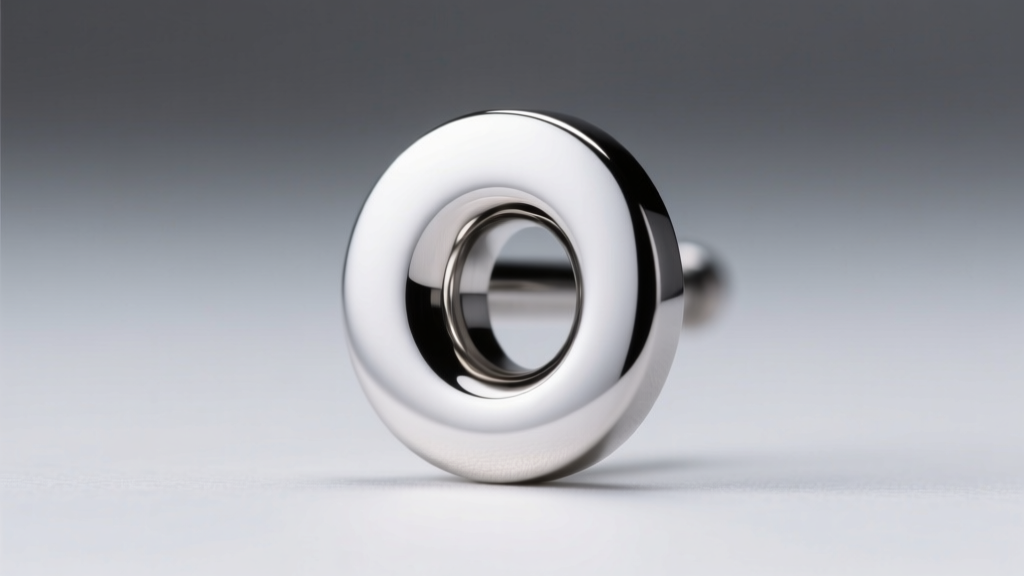
Always consult the APP jewelry standards when purchasing replacement pieces to ensure the flat back disc is adequately sized (usually 3mm or 4mm in diameter) to distribute pressure evenly across the inner lip without sinking into the tissue.
When to See a Professional Piercer
While minor irritation bumps and swelling can be managed at home with sterile saline and LITHA, certain symptoms require immediate professional intervention. If you experience throbbing pain that radiates to your jaw, thick yellow or green discharge accompanied by a foul odor, or a fever, you may have developed a localized infection. Furthermore, if the jewelry is visibly migrating, or if the flat back has completely disappeared beneath the tissue, do not wait. A professional piercer has the sterile tapers, specialized tools, and anatomical knowledge required to swap the jewelry safely without destroying the fistula. Remember, high-quality, properly fitted labret piercing jewelry is not just an aesthetic choice; it is a medical necessity for a safe and permanent modification.


