Belly Dancers Jewelry Crossword Clue: How to Secure Navel Rings
Solve the belly dancers jewelry crossword clue and learn how to select, size, and secure navel piercings for high-movement dance routines.

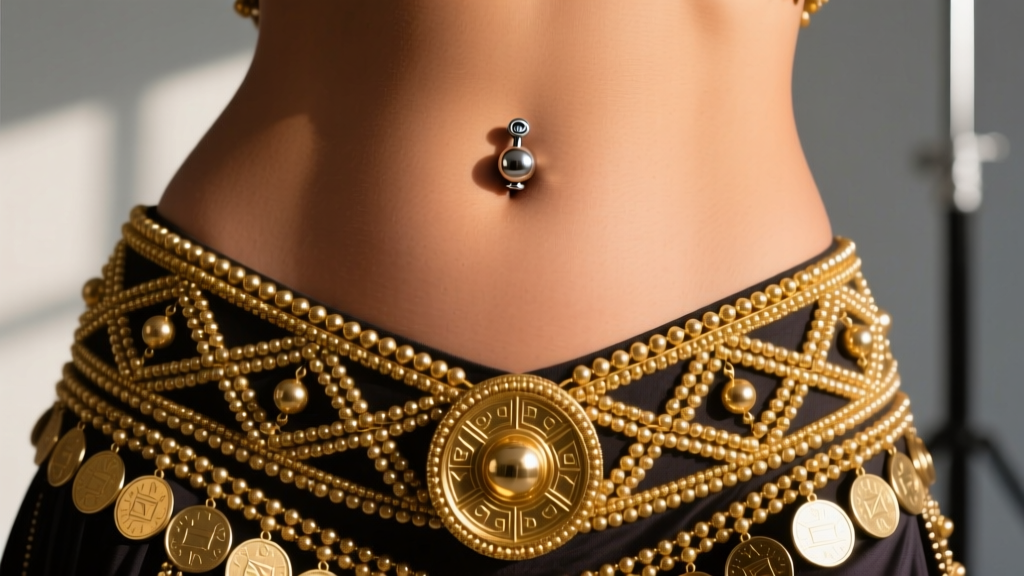
If you have ever stumbled upon a belly dancers jewelry crossword clue while doing the Sunday puzzle, you likely found answers like 'coin belt,' 'hip scarf,' or 'belly chain.' While these fabric and metal accessories are iconic to the art form, professional belly dancers and body modification experts know that the true unsung hero of dance costuming is the navel piercing jewelry itself. High-movement dance routines subject abdominal piercings to intense friction, heavy impacts from costume pieces, and prolonged exposure to sweat. Choosing the wrong jewelry can lead to migration, rejection, or lost gemstones mid-performance.
This step-by-step guide moves beyond the trivia of the belly dancers jewelry crossword clue to provide actionable, expert-level instructions on how to size, select, and secure your navel jewelry specifically for belly dancing. Whether you perform traditional cabaret, tribal fusion, or high-intensity drum solos, this guide will ensure your piercing stays safe and stunning.
Step 1: Selecting the Right Gauge to Prevent the Cheese-Cutter Effect
The most common mistake dancers make is wearing standard, lightweight navel jewelry while supporting heavy costuming. A traditional belly dance coin belt can weigh anywhere from 2 to 5 pounds. When this weight rests directly on or pulls against a standard 14-gauge (1.6mm) curved barbell during hip drops and shimmies, it creates localized pressure. Over time, this causes the 'cheese-cutter effect,' where the thin wire slowly slices through the tissue, leading to irreversible migration and rejection.
Upgrading to 12-Gauge for Heavy Costuming
If your routine involves heavy tribal belts, coin drapes, or thick velvet hip scarves that sit near the navel, you must distribute the weight. Upgrading your piercing to a 12-gauge (2.0mm) barbell increases the surface area resting against the fistula (the piercing channel), drastically reducing point-pressure.
- 14-Gauge (1.6mm): Suitable for lightweight cabaret costumes, sheer hip scarves, and bare midriff routines where no heavy fabric rests on the navel.
- 12-Gauge (2.0mm): Mandatory for dancers wearing heavy coin belts, weighted fringe, or tight waist-cinching skirts that compress the navel area.
Note: Never attempt to force a 12G piece into a 14G piercing. Visit an APP-certified professional piercer for a safe, gradual tapering process using a sterilized insertion taper and a water-based lubricant.
Step 2: Choosing Snag-Free Navel Styles for Dance
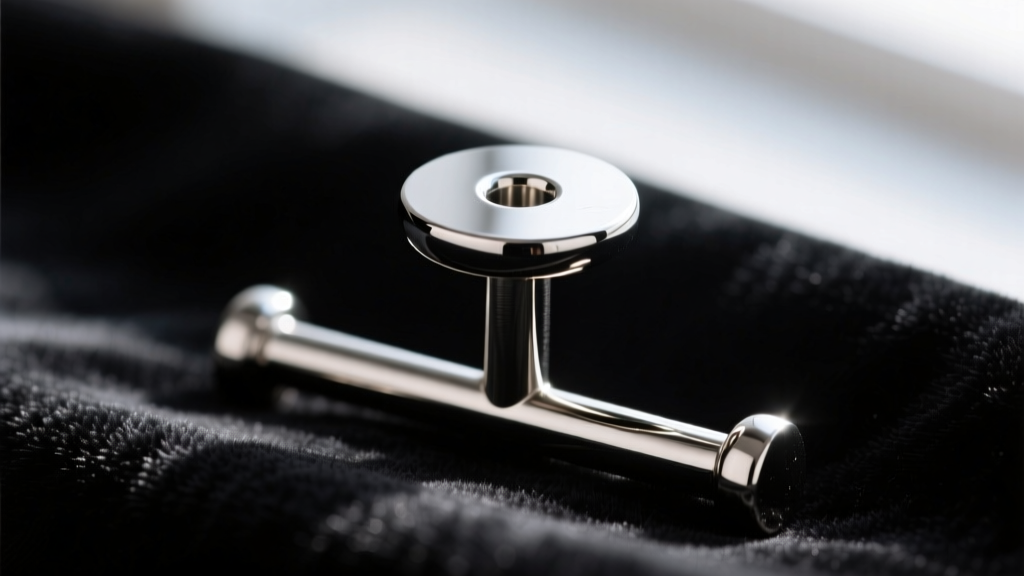
Dangling navel rings with large charms are beautiful for static photography, but they are a liability on the dance floor. Dangles easily catch on the fringes of hip scarves, the netting of coin belts, and even your own fingers during floor work or undulations. To maintain a secure piercing, you must prioritize anatomical, snag-free profiles.
The Floating Navel Setup
The 'floating navel' configuration is the gold standard for belly dancers. This setup utilizes a curved barbell with a small, flat titanium disc on the top (inside the upper lip of the navel) and a decorative gemstone or opal on the bottom.
- Why it works for dancers: Many belly dance skirts feature tight, embellished waistbands that compress the upper abdomen. A standard top gemstone will be driven into the tissue by the waistband, causing irritation bumps. The flat disc glides smoothly against the skin, accommodating the compression of your costume without trauma.
- Pricing Expectation: High-quality titanium floating setups from brands like BVLA or Anatometal typically range from $60 to $120, depending on the gemstone cut and karat gold accents.
Reverse Barbells and PTFE Retainers
If you are performing a routine with extreme isolation where even a bottom gem might catch on a low-slung belt, consider a PTFE (Polytetrafluoroethylene) flexible retainer. PTFE is bio-compatible, highly flexible, and bends with your abdominal muscles during deep backbends and camel walks. Alternatively, a reverse barbell (gem on top, flat disc on bottom) keeps the jewelry tucked securely inside the navel cavity, completely hidden and protected from costume snags.
Step 3: Securing Jewelry Against Sweat and Vibration
The vibration of a 3-minute shimmy drill can easily loosen traditional jewelry threading. Furthermore, the highly acidic nature of performance sweat can degrade low-quality metals, leading to contact dermatitis and green discoloration around the piercing site.
The Superiority of Threadless (Push-Pin) Ends
For belly dancers, threadless jewelry is non-negotiable. Instead of screwing a gem onto a threaded post, threadless ends feature a slightly bent pin that is pushed into the hollow shaft of the barbell. The tension of the bent metal against the inner wall creates a remarkably secure friction fit.
"Threadless ends will not vibrate loose, no matter how intense the shimmy or how heavy the sweat. They are the most secure option for high-impact movement and body percussion."
Brands like Neometal and Junipurr Jewelry offer threadless ends in 14k and 18k gold, as well as anodized titanium, ensuring your jewelry stays locked in place from the first drumbeat to the final pose.
Material Grades: Surviving the Sweat
According to the Association of Professional Piercers, only specific materials should be worn in healing or highly stressed piercings. For dancers, the constant presence of sweat demands absolute corrosion resistance.
- Implant-Grade Titanium (ASTM F-136): The absolute best choice. It contains no nickel, will not tarnish from sweat, and is lightweight. ($15 - $45 per piece)
- Niobium: Another excellent, hypoallergenic metal that can be anodized into vibrant colors to match your costume. ($20 - $50 per piece)
- Avoid: Surgical steel (often contains nickel and causes sweat-induced rashes), sterling silver (tarnishes rapidly and can cause argyria in the fistula), and plated brass.
Quick Reference: Belly Dance Navel Jewelry Specs
| Jewelry Style | Best Dance Style | Material Recommendation | Snag Risk Level |
|---|---|---|---|
| Floating Navel (Flat Top / Gem Bottom) | Cabaret, Golden Era | ASTM F-136 Titanium | Low |
| 12G Threadless Curved Barbell | Tribal Fusion, Heavy Coin | Implant-Grade Titanium | Very Low |
| PTFE Flexible Retainer | Floor Work, Extreme Isolations | Medical-Grade PTFE | Zero |
| Standard Dangle with Charm | Static Photography Only | N/A (Avoid for Dance) | Extreme |
Step 4: Post-Rehearsal Maintenance and Troubleshooting

Belly dance rehearsals generate immense body heat and sweat, which dries into a crust around the jewelry, trapping bacteria against the fistula. Proper aftercare is critical to maintaining the health of your piercing during intense training blocks.
The 60-Second Post-Dance Cleanse
Immediately after removing your costume, you must flush the piercing. Do not use harsh soaps, alcohol, or essential oils, which will dry out the tissue and cause micro-tears. Follow the APP Aftercare Guidelines by using a sterile, pressurized 0.9% sodium chloride wound wash.
- Spray: Generously spray the sterile saline directly onto the top and bottom of the navel jewelry.
- Soak (Optional): If you have heavy sweat buildup, soak a sterile non-woven gauze pad in the saline and hold it against the navel for 60 seconds to soften the crusties.
- Dry: Gently pat the area completely dry with a clean paper towel or use a hairdryer on the 'cool' setting. Moisture trapped beneath the navel lip breeds yeast and bacteria.
Troubleshooting Irritation Bumps
If you develop a small, flesh-colored bump near the top of your navel piercing after a performance, it is likely an irritation bump caused by costume friction, not an infection. Do not remove the jewelry. Removing the jewelry will cause the fistula to shrink, trapping the bump inside. Instead, switch to a floating navel setup with a flat top disc to eliminate the pressure point, apply a warm sterile saline compress for 3 minutes daily, and avoid sleeping on your stomach until the bump subsides.
Final Thoughts on Dance and Piercing Harmony
While the belly dancers jewelry crossword clue might only be looking for a simple five-letter word like 'chain,' the reality of combining body modification with high-impact dance requires deep technical knowledge. By upgrading to a 12-gauge or threadless floating navel setup in implant-grade titanium, you protect your body from migration and ensure your jewelry enhances your performance rather than hindering it. Treat your navel piercing with the same respect and technical precision as your dance technique, and it will shine brilliantly under the stage lights for years to come.


