The Ultimate 10k Gold Herringbone Necklace Buying Guide
Discover what to look for when buying a 10k gold herringbone necklace. Learn about karat durability, kink prevention, widths, and clasp types.

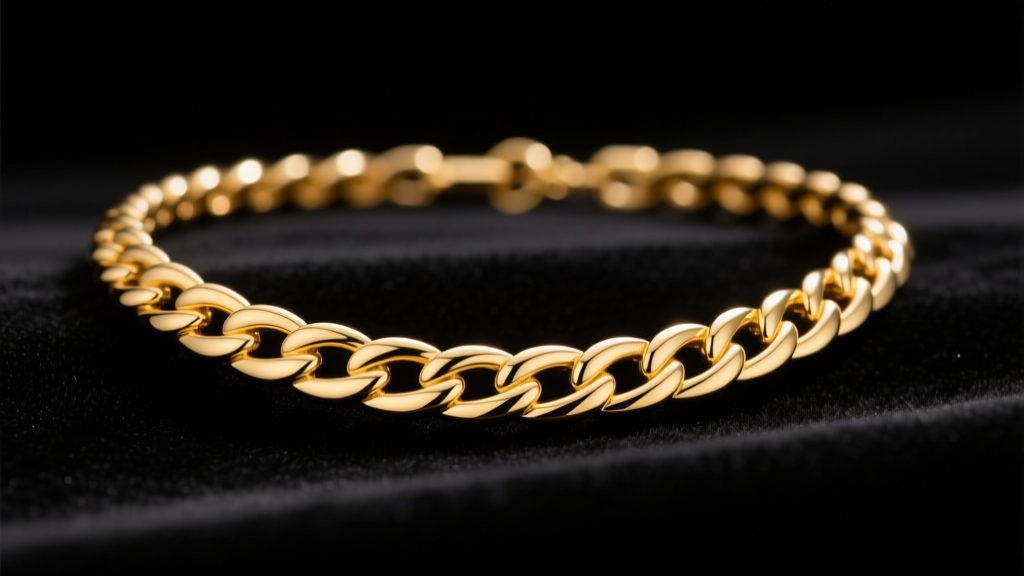
The herringbone chain is widely considered the pinnacle of liquid-metal jewelry design. With its flat, multi-strand parallel links set in a continuous V-shaped pattern, it catches the light like a mirror and drapes against the skin with unparalleled fluidity. However, this stunning visual effect comes with structural vulnerabilities that every buyer must understand. When you factor in the metallurgy of 10-karat gold, you are left with a highly specific piece of jewelry that requires an informed purchasing approach.
If you are in the market for a 10k gold herringbone necklace, you are likely balancing budget, durability, and aesthetic appeal. This comprehensive buying guide will break down the exact specifications, structural quirks, and maintenance realities you need to know before making your purchase in 2026 and beyond.
The Anatomy of the Herringbone Weave
Unlike cable or curb chains, which are made of interlocking oval or round links, a herringbone chain is constructed from short, flat, parallel links that are laid out in a V-shaped, multi-strand pattern. This creates a continuous, flat ribbon of gold. Because the links are flush against one another rather than looping through each other, the chain lacks 'structural memory.'
This lack of memory is what gives the 10k gold herringbone necklace its famous liquid drape, but it is also the root cause of its biggest weakness: kinking. If the chain is bent sharply against the grain of the V-pattern, the links can permanently fold out of alignment. Understanding this mechanical reality is the first step in choosing the right width and weight for your lifestyle.
Why Choose 10k Gold for a Herringbone Chain?
Pure gold (24k) is far too soft for jewelry, which is why it is alloyed with other metals. According to the Gemological Institute of America (GIA), 10k gold consists of 41.7% pure gold and 58.3% alloy metals (typically silver, copper, and zinc). While high-karat purists might turn their noses up at 10k, it is actually a highly pragmatic choice for a herringbone weave for several reasons:
- Superior Scratch Resistance: Because herringbone chains lay flat against the skin and clothing, they are subject to constant surface friction. The higher alloy content in 10k gold makes the metal significantly harder and more resistant to surface scratching and scuffing compared to 18k or even 14k gold.
- Cost-to-Weight Ratio: Herringbone chains are dense. A 6mm herringbone chain uses a substantial amount of gold. Opting for 10k allows you to purchase a wider, heavier, and more luxurious-looking chain for a fraction of the cost of a 14k equivalent.
- Color Variations: 10k yellow gold has a slightly paler, more subtle yellow hue. However, 10k rose gold (alloyed with more copper) offers a beautiful vintage warmth that excels at hiding micro-scratches. Warning: If you are buying a 10k white gold herringbone necklace, verify the alloy. Many 10k white gold mixtures use nickel for bleaching, which is a common contact allergen. Always ask for a nickel-free alloy if you have sensitive skin.
Critical Sizing: Width, Length, and Weight
The dimensions of your chain will dictate not only how it looks, but how it behaves structurally. Here is a breakdown of what to expect across different millimeter (mm) widths:
Width Specifications
- 2mm - 3mm (Delicate): Best for layering or wearing with small pendants. However, thin herringbones are highly susceptible to kinking and can easily snap if snagged on clothing.
- 4mm - 6mm (The Sweet Spot): This is the ideal range for a standalone 10k gold herringbone necklace. It provides the signature liquid drape, substantial weight, and enough structural integrity to withstand daily wear (with proper care).
- 7mm and above (Statement): Heavy, bold, and eye-catching. Chains in this category require a heavy-duty clasp and should be removed before any physical activity, as the weight of the chain can cause it to pull and kink if dropped.
Length and Drape
Because herringbone chains do not bend easily in a lateral direction, length is crucial. A 16-inch chain will sit snugly as a choker, which can cause stress on the links if your neck moves frequently. An 18-inch or 20-inch length allows the chain to rest on the collarbone or chest, letting gravity pull it into its natural, kink-free curve.
10k vs. 14k vs. 18k Herringbone Comparison
How does 10k stack up against higher karats specifically for the herringbone weave? The table below illustrates the trade-offs.
| Feature | 10k Gold | 14k Gold | 18k Gold |
|---|---|---|---|
| Gold Purity | 41.7% | 58.3% | 75.0% |
| Scratch Resistance | Excellent | Good | Poor (Scuffs easily) |
| Kink Vulnerability | High (Alloy doesn't prevent bending) | High | Very High (Soft metal folds easily) |
| Color Depth | Pale Yellow / Warm Rose | Rich Yellow | Deep, Saturated Yellow |
| Approx. Price (5mm, 18in) | $200 - $350 | $450 - $750 | $900 - $1,400+ |
The Kinking Factor: Maintenance and Storage
The most common complaint regarding any herringbone chain is kinking. Once a herringbone chain kinks, the structural integrity of that specific section is permanently compromised. While a skilled jeweler can sometimes run the chain through a rolling mill to flatten the kink out, this compresses the gold and makes the area brittle, meaning it will likely snap there in the future.
To protect your 10k gold herringbone necklace, follow these strict maintenance rules recommended by industry experts like Jewelers of America:
- Never Sleep in It: Tossing and turning will almost guarantee a kink. The friction and body weight will fold the flat links against each other.
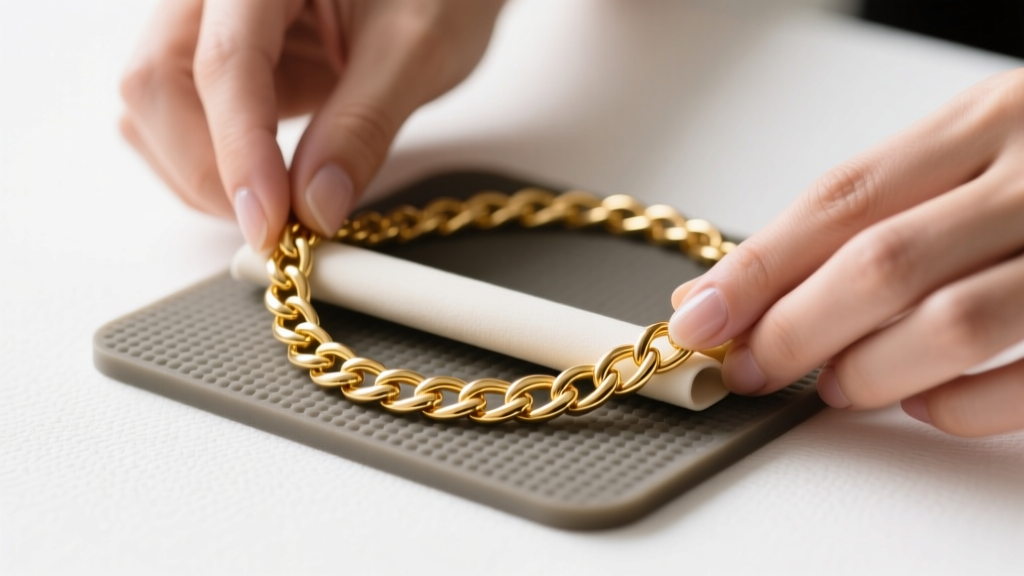
- Store Flat or Hung: Do not toss a herringbone chain into a jewelry box where it can tangle and bend. Store it perfectly flat in a soft velvet pouch, or hang it from a sturdy jewelry stand where it can drape in a wide, natural curve.
- Avoid Ultrasonic Cleaners: The high-frequency vibrations can shake loose weak points in the flush links, and moisture can become trapped between the flat layers, leading to skin irritation or metal degradation over time. Clean your chain gently with a soft polishing cloth and mild soapy water.
- The 'Drape Test': When putting the chain on, always lay it flat against your skin. Never pull it taut or wrap it tightly around your fingers.
Pre-Purchase Inspection Checklist
Whether you are buying from a local jeweler or an online retailer, inspect the following details before finalizing your purchase:
1. Clasp Integrity
For any herringbone chain wider than 3mm, a lobster claw clasp is mandatory. Spring ring clasps are entirely inadequate for flat chains; the lateral torque created by the herringbone weave will easily snap the thin wire of a spring ring. Ensure the lobster claw is solid cast, not hollow.
2. Soldered Jump Rings
Check the small rings connecting the chain to the clasp (the jump rings). These must be fully soldered shut. If there is a visible gap in the jump ring, the heavy, flat chain will eventually slip through and be lost.
3. Hallmark Verification
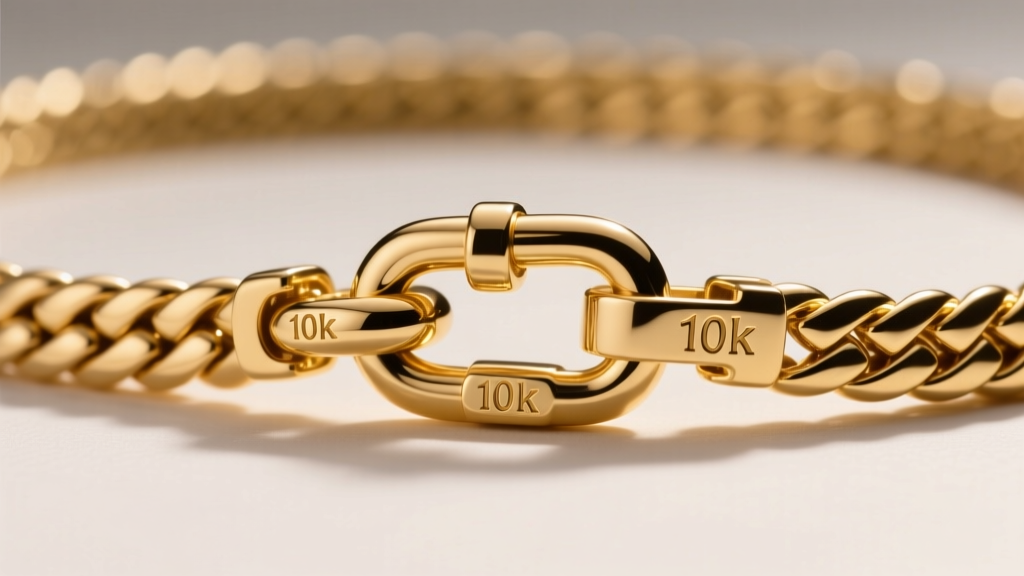
Look for the stamp near the clasp. A legitimate piece will be stamped with '10k', '10KT', or the international standard '417'. If the chain is imported from Italy, you may also see a maker's mark and a star symbol alongside the purity stamp.
4. Link Uniformity
Run your fingers along the length of the chain. It should feel like a smooth, continuous ribbon of silk. If you feel any ridges, bumps, or stiff sections, the manufacturing quality is poor, and those stiff spots will become prime targets for kinking and snapping.
Final Verdict
A 10k gold herringbone necklace is a brilliant investment for those who want the luxurious, mirror-like drape of a herringbone chain without the exorbitant price tag or the extreme softness of higher karats. By prioritizing a 4mm to 6mm width, demanding a sturdy lobster claw clasp, and committing to rigorous flat-storage habits, you can enjoy the liquid gold aesthetic for decades to come.


