Alabaster Necklace Guide: Genuine Stone vs Simulant Properties
Discover how to identify, wear, and care for a genuine alabaster necklace. We compare gypsum vs. calcite alabaster and common simulants.

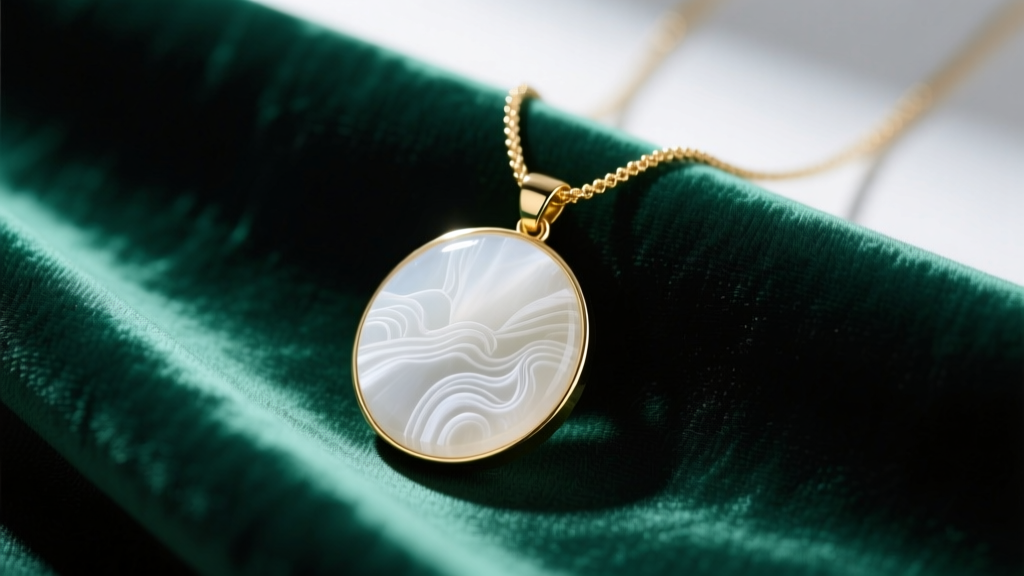
The Allure of the Alabaster Necklace in Modern Jewelry
The alabaster necklace has experienced a massive resurgence in artisan and high-fashion jewelry circles. Prized for its waxy luster, translucent banding, and historical significance dating back to ancient Egyptian cosmetic vessels, alabaster offers a uniquely organic aesthetic that synthetic materials simply cannot replicate. However, as demand for these striking pendants and beaded strands grows in 2026, the market has become saturated with simulants, misidentified minerals, and stabilized composites. For the discerning collector or jewelry designer, understanding the exact material properties of alabaster is not just an academic exercise—it is essential for authentication, proper lapidary work, and long-term wearability.
Unlike crystalline gemstones such as quartz or beryl, alabaster is a relatively soft, microcrystalline or massive stone. This fundamental difference in its geological formation dictates everything from how it must be drilled and set, to how it should be cleaned and stored. In this comprehensive material guide, we will dissect the mineralogy of genuine alabaster, compare it to common market simulants, and provide actionable frameworks for jewelry professionals and collectors.
Gypsum vs. Calcite: The Mineralogical Divide
The most critical point of confusion in the gemological community is the term "alabaster" itself. Historically and commercially, the name is applied to two entirely distinct minerals with vastly different physical properties. According to mineralogical databases like Mindat.org, true alabaster is a massive, fine-grained variety of gypsum (hydrous calcium sulfate, CaSO4·2H2O). Conversely, what is often sold as "Egyptian alabaster" or "onyx marble" is actually a banded variety of calcite (calcium carbonate, CaCO3), as noted in calcite mineral records.
Physical Property Breakdown
- Gypsum Alabaster: Mohs hardness of 1.5 to 2. It is so soft that it can be scratched with a human fingernail. It has a specific gravity of 2.3 and exhibits a waxy to pearly luster. Because of its extreme fragility, gypsum alabaster is rarely used for small, drilled beads in a necklace; it is almost exclusively reserved for large, solid pendants protected by heavy bezel settings.
- Calcite Alabaster: Mohs hardness of 3. While still considered soft for everyday jewelry, it is significantly more durable than gypsum. It has a higher specific gravity (2.71) and a vitreous to pearly luster. Calcite alabaster can withstand the drilling process required for beaded necklaces and takes a much higher, glass-like polish.
When purchasing an alabaster necklace, the first step in material assessment is determining which of these two minerals you are actually holding. The price point, durability, and care requirements will differ drastically between the two.
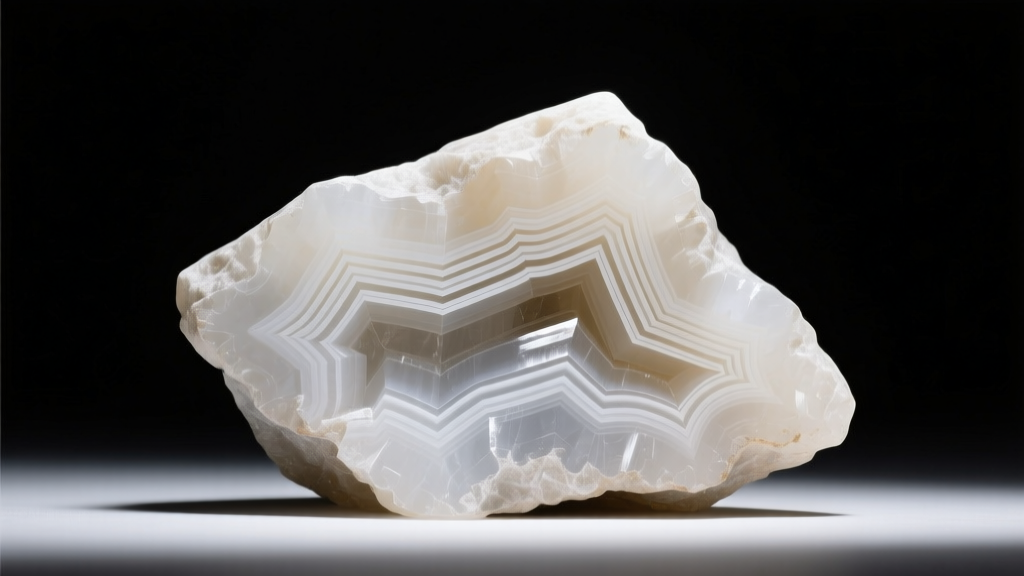
Material Comparison Chart: Genuine Alabaster vs. Simulants
To accurately identify the stone in your necklace, you must compare its physical properties against common simulants. Mass-market jewelry frequently uses dyed howlite, molded resin, or opaque glass to mimic the banded appearance of alabaster. Below is a comparative matrix of the materials you will encounter.
| Material | Mohs Hardness | Specific Gravity | Thermal Conductivity | Diagnostic Feature |
|---|---|---|---|---|
| Gypsum Alabaster | 1.5 - 2.0 | 2.30 | Low (Warm to touch) | Scratches with fingernail; water soluble over time. |
| Calcite Alabaster | 3.0 | 2.71 | Low (Warm to touch) | Fizzes with dilute HCl; scratches with a copper coin. |
| Howlite (Natural) | 3.5 | 2.53 - 2.59 | Low | Will not fizz with HCl; distinct gray veining under magnification. |
| Resin Simulant | 2.0 - 2.5 | 1.05 - 1.20 | Very Low (Plastic feel) | Floats in heavy liquid; emits plastic odor with hot point test. |
| Glass Simulant | 5.5 - 6.0 | 2.40 - 2.60 | High (Cool to touch) | Conchoidal fracture; contains spherical gas bubbles. |
Authentication Frameworks for the Alabaster Pendant
Authenticating an alabaster necklace requires a careful, non-destructive approach, as the stone's softness means that aggressive testing will permanently damage the piece. Begin with the thermal conductivity test. Genuine alabaster (both gypsum and calcite) has low thermal conductivity, meaning it will feel relatively warm to the touch compared to glass or quartz, which draw heat away from the skin rapidly.
Next, perform a visual inspection under a 10x jeweler's loupe. Genuine alabaster will display soft, undulating, parallel banding and a microcrystalline structure that scatters light internally. Resin simulants often feature "flow lines" that look too uniform or contain tiny, perfectly spherical air bubbles trapped during the molding process. Glass simulants will also exhibit bubbles and a glassy, vitreous fracture if chipped, whereas genuine alabaster will show a granular or splintery fracture.
For calcite alabaster, the definitive test is the application of a tiny drop of dilute hydrochloric acid (or even strong white vinegar in a pinch) on an inconspicuous area, such as the back of the pendant or the edge of a bead hole. Calcite will effervesce (fizz) due to the release of carbon dioxide gas. Gypsum will not react to weak acids, but it will readily scratch if you gently drag a copper coin (Mohs 3) across an unpolished edge. Never attempt destructive testing on antique or highly polished alabaster jewelry without the owner's explicit consent.
Lapidary Challenges and Setting Styles
Designing and fabricating an alabaster necklace presents unique challenges for lapidaries and jewelers. Because gypsum alabaster contains water of crystallization, it is highly susceptible to thermal shock. Drilling a gypsum bead with a standard high-speed diamond burr will generate enough friction heat to dehydrate the stone locally, causing it to turn chalky white, crack, or experience severe "blowouts" at the exit point of the drill hole. Professional lapidaries must use low RPM (under 500), high-torque drills with constant water lubrication and specialized diamond core bits to ensure clean channels for necklace stringing.
When it comes to setting an alabaster pendant, prong settings are strictly prohibited. The localized pressure exerted by a metal prong being pushed over the girdle of the stone will almost certainly cause the alabaster to cleave or chip. Jewelers must utilize fully enclosed bezel settings or tension-free wire-wrapping techniques. Furthermore, because gypsum is slightly soluble in water, prolonged exposure to moisture can degrade the polish and structural integrity of the stone over time. Many modern artisans stabilize highly porous gypsum alabaster by vacuum-impregnating it with optically clear, UV-stable resins before cutting and polishing, a practice that should always be disclosed to the buyer.
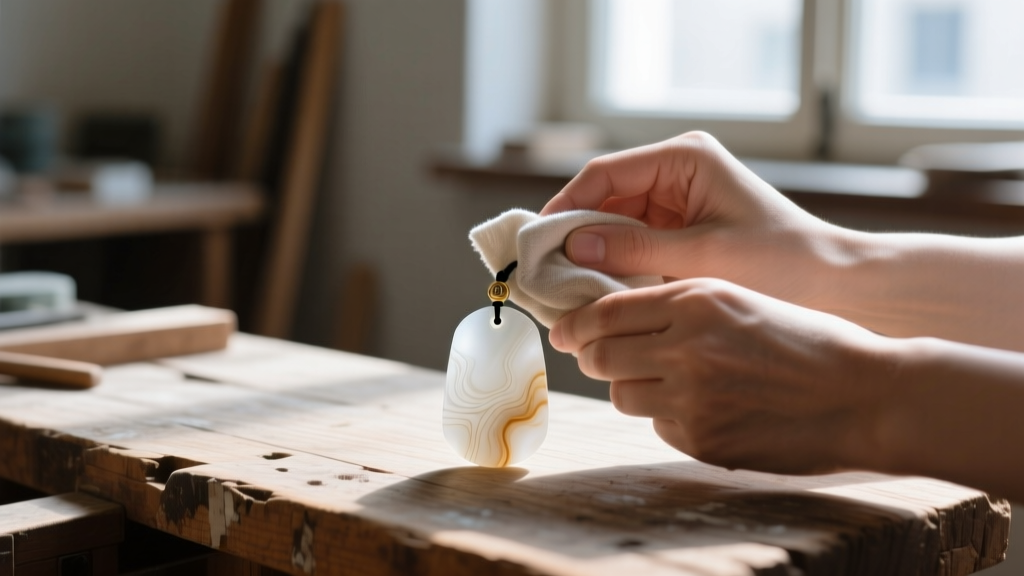
Care, Cleaning, and Long-Term Storage
The long-term preservation of an alabaster necklace requires a strict adherence to gemological care protocols. The Gemological Institute of America (GIA) consistently warns against using mechanical cleaning systems for soft, porous stones. You must never place an alabaster necklace in an ultrasonic cleaner; the high-frequency cavitation will shatter the microcrystalline structure and strip away the polish. Similarly, steam cleaners are entirely off-limits, as the heat and moisture will permanently cloud the stone's translucency.
To clean your alabaster jewelry, use only a soft, dry, untreated microfiber cloth to gently wipe away skin oils and environmental dust. If a deeper clean is absolutely necessary for calcite alabaster, a barely damp cloth can be used, followed immediately by thorough drying. Avoid all contact with perfumes, hairsprays, and harsh chemical solvents, which can stain the porous surface or dissolve the polish.
Storage is equally critical. Alabaster must be stored in a dedicated, soft-lined jewelry pouch, completely isolated from harder gemstones. Storing an alabaster necklace in a communal jewelry box alongside diamond, sapphire, or even quartz pieces will result in severe scratching and surface abrasion, as those materials easily exceed alabaster on the Mohs scale. By understanding and respecting the material limitations of this ancient stone, you can ensure your alabaster necklace remains a luminous and intact piece of wearable art for decades to come.


