Large Seashell Necklace: Troubleshooting Weight and Wear
Learn how to troubleshoot a heavy large seashell necklace. Fix chain breakage, prevent shell degradation, and master styling for perfect proportions.

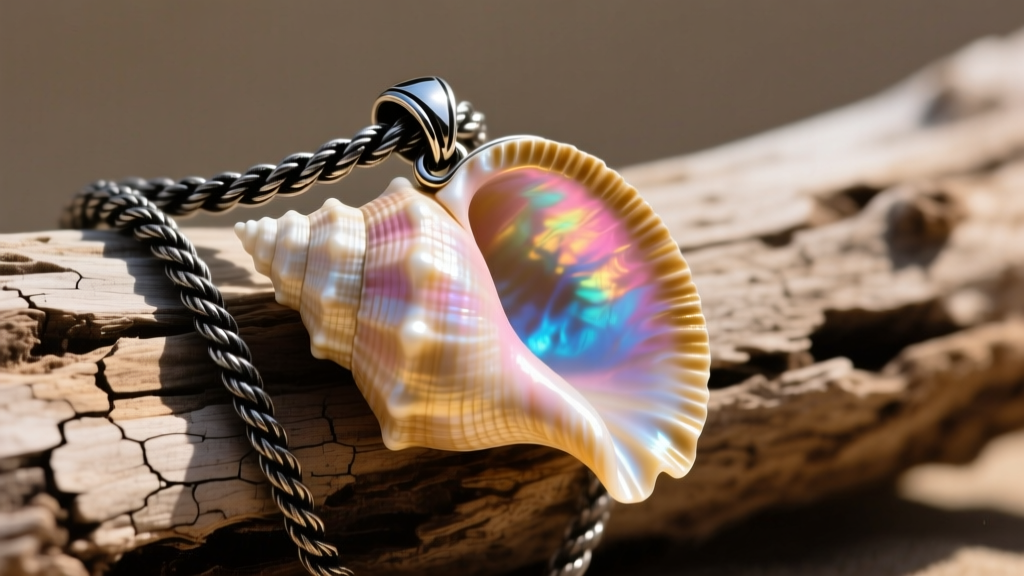
The Hidden Engineering Flaws of Heavy Shell Jewelry
A large seashell necklace is a breathtaking statement piece, evoking coastal elegance and organic artistry. However, from a jewelry engineering perspective, oversized shells present a unique set of structural and chemical challenges. Unlike faceted gemstones or cast metals, seashells are irregular, brittle, and surprisingly heavy. A substantial 3-to-4-inch cowrie, conch, or mother-of-pearl shell can easily weigh between 40 and 85 grams. When subjected to the dynamic load of daily movement, this weight creates immense tensile stress on standard jewelry findings, leading to catastrophic hardware failure, micro-fractures in the shell, and rapid material degradation.
If your favorite shell pendant keeps snapping its chain, loosening its bail, or losing its natural luster, you are experiencing the mechanical limits of traditional jewelry assembly. This comprehensive troubleshooting guide will help you diagnose these failures, upgrade your hardware, and properly maintain the organic integrity of your shell pendants.
Troubleshooting Chain and Hardware Failures
The most common complaint among collectors of heavy organic jewelry is frequent chain breakage. This is rarely the fault of the shell itself, but rather a mismatch between the pendant's static weight and the chain's yield strength. Standard fashion jewelry chains typically range from 18-gauge (1.0mm) to 20-gauge (0.8mm), which are engineered for pendants weighing under 15 grams.
Upgrading the Chain Gauge and Material
To safely support a heavy shell, you must calculate the dynamic load. A 50-gram shell can exert up to 150 grams of force during sudden movements (like leaning forward or jogging). You need a chain with a high tensile strength and a structural design that resists pulling apart.
| Chain Type | Recommended Gauge | Max Safe Load | Best For |
|---|---|---|---|
| Cable Chain (Sterling Silver) | 14-Gauge (1.6mm) | 60 grams | Medium shells, classic aesthetics |
| Rope Chain (Stainless Steel) | 12-Gauge (2.0mm) | 120 grams | Heavy conch/turtle shells, high durability |
| Box Chain (Titanium) | 14-Gauge (1.6mm) | 90 grams | Hypoallergenic needs, modern styling |
| Mariner Link (Solid Gold) | 10-Gauge (2.5mm) | 150+ grams | Massive statement pieces, luxury builds |
Securing the Jump Rings
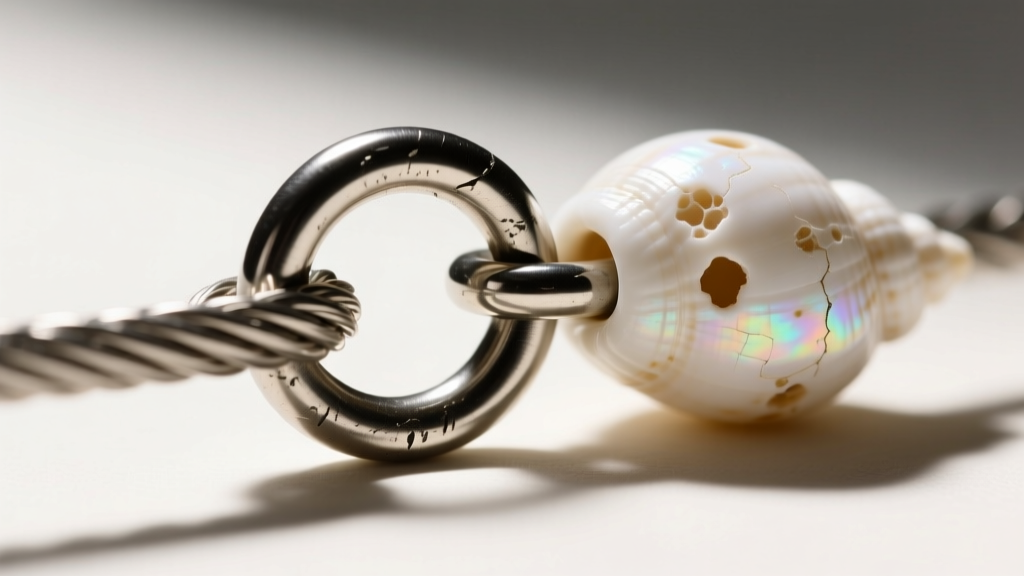
The jump ring connecting the shell bail to the chain is the single weakest point of failure. Under the pendulum effect of a heavy shell, unsoldered jump rings will slowly twist open. The Fix: Replace all standard split rings with soldered jump rings or heavy-duty locking clasps. If you must use an unsoldered ring, use a 12-gauge or 14-gauge stainless steel ring and ensure the cut is perfectly flush, using two pairs of flat-nose pliers to twist it shut laterally, never pulling it apart outward.
Preventing Calcium Carbonate Degradation
Seashells are primarily composed of calcium carbonate in the form of aragonite or calcite. On the Mohs scale of hardness, they rank between 3.0 and 4.0, making them highly susceptible to scratching and chemical etching. The Gemological Institute of America (GIA) classifies shells as organic gem materials, noting their extreme vulnerability to acids and environmental pollutants.
Environmental Threats and Prevention Matrix
When troubleshooting a shell that looks dull, chalky, or pitted, you must identify the chemical culprit. Human sweat contains lactic acid, which actively dissolves the outer nacreous layer of the shell.
- Perfumes and Hairsprays: The alcohol and synthetic esters in cosmetics strip the shell's natural oils, leading to a dry, cracked appearance. Solution: Always apply cosmetics 15 minutes before putting on your necklace.
- Chlorine and Saltwater: While shells come from the ocean, prolonged exposure to highly chlorinated pool water or stagnant saltwater causes the aragonite crystals to break down. Solution: Never wear your shell necklace swimming.
- Ultrasonic Cleaners: The high-frequency cavitation bubbles will literally shatter the micro-structure of a seashell. Solution: Clean only with distilled water and a microfiber cloth.
Solving the Drilling and Micro-Fracture Problem
Many mass-produced shell pendants feature a directly drilled hole at the top. Drilling calcium carbonate generates intense localized heat and mechanical vibration, which creates invisible micro-fractures radiating from the hole. Over time, the friction of a metal jump ring rubbing against this drilled hole will cause the top of the shell to snap off entirely.
The Alternative: Wire-Wrapping and Macrame Bails
If you are sourcing raw shells or repairing a broken drill hole, abandon the drilling method entirely. Instead, use a tension-based bail system that cradles the shell without piercing it.
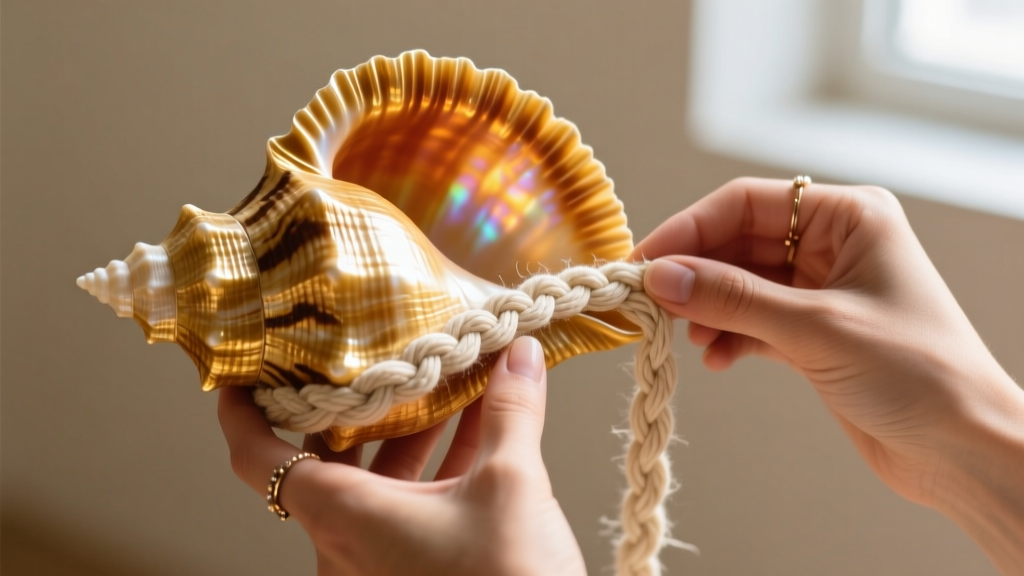
- Macrame Bails: Use 1mm waxed linen or nylon cord to tie a decorative sliding knot or bail around the natural ridge of the shell. This distributes the weight evenly and absorbs shock.
- Wire-Wrapping: Use 20-gauge dead-soft Argentium silver or gold-filled wire. Create a U-shaped channel that hugs the bottom curve of the shell, bringing the wires up the sides and twisting them securely at the top to form a bail. This method provides structural support while showcasing the shell's natural geometry.
Proportion and Neckline Troubleshooting
A large seashell necklace can easily overwhelm the wearer's frame if not styled correctly. The visual weight of the shell must be balanced by the neckline of the garment. If your necklace feels clumsy or visually 'heavy,' use this styling matrix to troubleshoot your outfit pairings.
| Neckline Type | Visual Effect | Troubleshooting Advice |
|---|---|---|
| Deep V-Neck | Elongating, Framing | Ideal. Let the shell rest exactly at the apex of the V to draw the eye downward. |
| Crew Neck / T-Shirt | Cluttered, Competing | Avoid. The shell will clash with the tight collar. If necessary, layer over a longer, contrasting chain. |
| Off-the-Shoulder | Dramatic, Bohemian | Excellent. The bare collarbone provides a negative-space canvas that highlights the shell's organic texture. |
| Turtleneck | Bold, High-Contrast | Use only with long (24-30 inch) chains so the shell rests on the sternum, breaking up the solid block of fabric. |
Expert Maintenance Protocol
To ensure your large seashell necklace remains a lifelong heirloom, implement a strict maintenance routine. Once a month, gently wipe the shell with a soft, lint-free cloth dampened with distilled water to remove microscopic skin cells and acidic residue. Never use commercial silver dips or jewelry polishing liquids, as these contain harsh chemicals like thiourea that will permanently stain the porous surface of the shell.
When storing the necklace, keep it in a breathable cotton pouch rather than an airtight plastic bag. Organic materials need a stable humidity level; extreme dryness can cause the shell to warp or delaminate over decades. By respecting the mechanical limits and chemical sensitivities of calcium carbonate, you can transform a fragile, problematic accessory into a resilient, breathtaking masterpiece of wearable art.


