The 12 Necklace Choker Sizing and Value Guide 2026
Discover the true value of a 12 necklace choker. We break down sizing realities, material durability, and budget tiers for smart jewelry investments.
The Sizing Reality: Who Actually Fits a 12 Necklace?
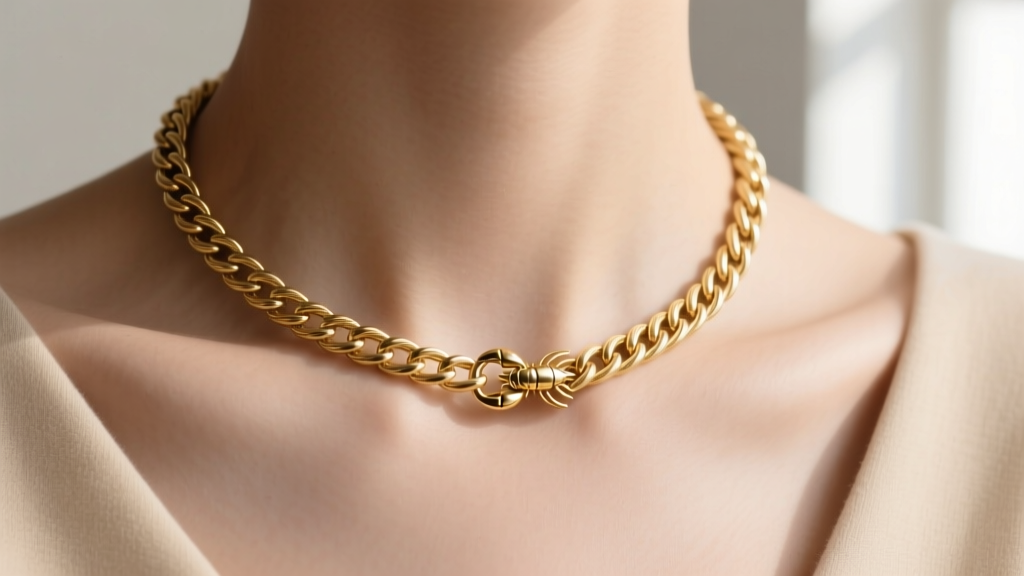
When consumers search for a 12 necklace, they are typically hunting for a tight, classic choker. However, the jewelry industry's standard sizing often leads to immediate buyer's remorse. A true 12-inch necklace leaves zero room for breathing if your neck circumference is exactly 12 inches. The golden rule of choker comfort, backed by ergonomic jewelry design standards, requires at least 0.5 to 1.5 inches of drape or "breathing room" beyond your actual neck measurement.
According to Blue Nile's Necklace Length Guide, a 12-inch chain is designed to sit snugly at the base of the throat. But here is the data-driven reality: the average adult female neck circumference ranges from 12.5 to 14 inches. Therefore, a strict 12 necklace will physically not clasp on the majority of adult women without an extender chain, or it will sit uncomfortably tight, causing skin friction and accelerated metal degradation.
The 12-Inch Choker Measurement Matrix
| Neck Circumference | 12 Necklace Fit Profile | Required Hardware Adjustment |
|---|---|---|
| 10.5" - 11.0" (Petite/Youth) | Standard Choker (0.5" - 1.0" drape) | None required; standard lobster clasp. |
| 11.5" - 12.0" (Slender Adult) | Tight Choker (0.0" - 0.5" drape) | Extender chain recommended for comfort. |
| 12.5" - 13.5" (Average Adult) | Will Not Clasp | Mandatory 2" to 4" extender chain. |
| 14.0"+ (Broad Neck) | Will Not Clasp | Requires custom 14"+ chain; avoid 12". |
If you are investing in a high-end 12 necklace, always verify the inclusion of an adjustable extender chain. A rigid 12-inch chain with no extender is a structural red flag in modern jewelry design, limiting its resale value and wearability to less than 15% of the adult population.
Material Value Matrix: What Holds Up at the Pulse Point?
The collarbone and throat are high-friction, high-moisture zones. Your pulse points generate consistent heat, and the skin here is highly susceptible to sweat accumulation. This environment is brutally unforgiving on lower-tier jewelry finishes. When assessing the budget and value of a 12-inch choker, you must evaluate the metallurgy based on its resistance to friction and acidic skin oils.
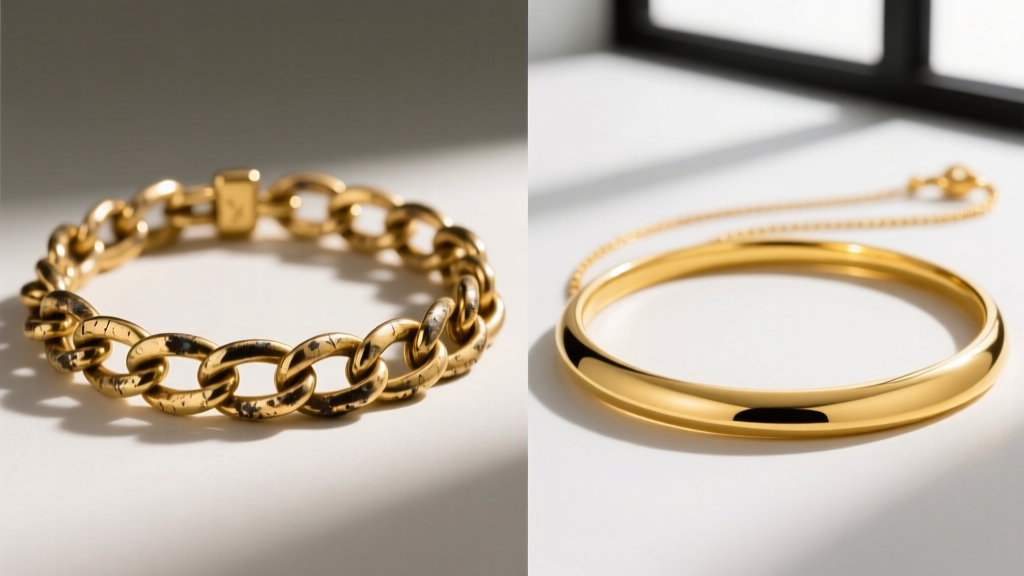
The FTC Jewelry and Precious Metals Guidelines strictly define the thresholds for gold plating and vermeil. Gold vermeil must feature a sterling silver base with a minimum of 2.5 microns of gold plating. While this sounds substantial, the relentless friction of a tight 12 necklace rubbing against the collarbone will wear through 2.5 microns of gold in 6 to 14 months of daily wear. Once the sterling silver core is exposed, it will rapidly oxidize and tarnish from sweat, turning your neck green or grey.
Failure Rates by Material Tier
- Gold Plated (Brass Base, <0.5 microns): High failure rate. The brass core reacts with skin acidity within weeks. Value Verdict: Zero long-term value.
- Gold Vermeil (Sterling Base, 2.5 microns): Moderate failure rate. Beautiful for occasional wear, but daily choker friction will breach the gold layer within a year. Value Verdict: Poor cost-per-wear for daily use.
- Solid 10k / 14k Gold: Excellent durability. Alloyed with copper and zinc for tensile strength, it will not flake or peel. It may require occasional polishing due to micro-scratches from friction. Value Verdict: High intrinsic and wear value.
- Implant-Grade Titanium (ASTM F136): Indestructible in this context. Hypoallergenic, impervious to sweat, and incredibly lightweight. Value Verdict: Ultimate functional value, though lower resale liquidity than gold.
Hardware Economics: The Hidden Cost of Clasps and Extenders
When budgeting for a 12 necklace, the clasp mechanism is a critical point of failure that cheap manufacturers ignore. Because a 12-inch choker sits high on the neck, the clasp is constantly subjected to tension from head movements and hair pulling.
Spring Ring Clasps: Common in budget pieces under $100. These feature a tiny internal steel spring that degrades quickly under the lateral tension of a tight choker. Failure rate within 18 months is exceptionally high.
Lobster Claw Clasps: The industry standard for mid-tier to luxury pieces. A solid 14k gold lobster claw provides a secure, tension-resistant lock. When evaluating a 12 necklace, ensure the lobster clasp is proportionate to the chain gauge; a heavy clasp on a 1mm cable chain will cause the necklace to constantly flip, resting the clasp awkwardly on the front of the throat.
Magnetic Clasps: Emerging in the 2026 market as a premium accessibility feature. Neodymium magnetic clasps encased in platinum or solid gold offer incredible ease of use, but they add $40 to $80 to the manufacturing cost. If a brand offers a magnetic clasp on a vermeil choker, it is a mismatch of hardware value to metal value.
Budget Tiers and Cost-Per-Wear (CPW) Analysis
To truly assess the value of a 12 necklace, we must move beyond the sticker price and calculate the Cost-Per-Wear (CPW) over a realistic 3-year lifespan. The Gemological Institute of America (GIA) notes that solid gold alloys maintain structural integrity indefinitely, whereas plated metals have a finite aesthetic lifespan.
Tier 1: The Fast Fashion Trap ($30 - $75)
At this price point, you are purchasing brass or copper cores with flash plating. While the initial aesthetic is identical to solid gold, the chain links are often machine-stamped with weak solder points. A tight 12-inch chain will snap at the jump ring within months of daily wear. CPW: $0.50 per wear (assuming it lasts 3 months before breaking or tarnishing beyond repair).
Tier 2: The Vermeil Compromise ($90 - $180)
Heavy gold vermeil over sterling silver offers a luxurious weight and rich color. This is the sweet spot for consumers who want the look of a solid gold 12 necklace but only plan to wear it 1-2 times a week for evening events. If worn daily as a staple choker, the friction will expose the silver core by month 10. CPW: $0.35 per wear (assuming 1.5 years of careful, non-daily use).
Tier 3: The Solid Gold Investment ($350 - $850+)
A solid 14k or 18k gold 12-inch cable or paperclip chain represents true jewelry equity. The chain will not tarnish, the links will not degrade from sweat, and the piece retains intrinsic scrap and resale value. Furthermore, solid gold chains can be easily repaired by a bench jeweler if a link snaps, whereas plated chains cannot be soldered without destroying the finish. CPW: $0.12 per wear (assuming 5+ years of daily wear and eventual heirloom transfer).
Final Verdict: Is a 12 Necklace Worth the Investment?
A 12 necklace is a highly specific, statement-making piece of jewelry that demands precision in both sizing and material selection. If you are buying for a petite neck or committing to an extender chain, the styling payoff of a tight choker is unmatched in the 2026 layering trends. However, from a pure budget and value assessment perspective, you must skip the plated and vermeil tiers if you intend to wear the piece against your pulse points daily. The friction and moisture of the collarbone area will destroy lower-tier finishes, turning a seemingly affordable purchase into an expensive mistake. Invest in solid 14k gold or implant-grade titanium, ensure the hardware features a robust lobster or magnetic clasp, and demand an adjustable extender to guarantee the piece actually fits your unique anatomy.


