Inside the Costliest Necklace in the World: Value Explained
Discover what makes the costliest necklace in the world so valuable. A beginner-friendly guide to high jewelry valuation, rare diamonds, and buying tips.

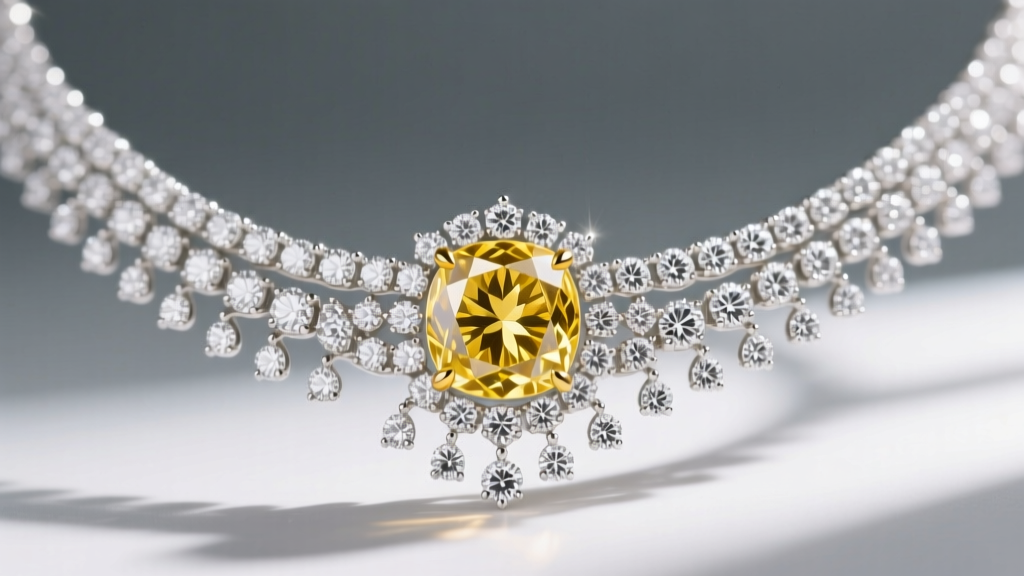
When we think of fine jewelry, we often picture elegant gold chains or delicate diamond pendants. But at the absolute pinnacle of the gemological universe lies a tier of wearable art that transcends fashion and enters the realm of historical artifacts and museum-grade investments. For beginners and seasoned collectors alike, understanding the costliest necklace in the world offers a masterclass in diamond grading, rare earth materials, and the economics of extreme luxury.
In this beginner-friendly explainer, we will dissect the anatomy of the world's most expensive necklaces, explore the gemological anomalies that drive their nine-figure price tags, and translate these high-stakes lessons into actionable advice for your next fine jewelry purchase in 2026.
The Titleholders: Tracking the Costliest Necklace in the World
To understand extreme value, we must look at the current record holders. The title of the most valuable necklace is generally contested by two distinct masterpieces, each representing a different philosophy of high jewelry.
1. Mouawad's L'Incomparable Diamond Necklace ($55 Million)
For years, the Guinness World Record for the most valuable necklace was held by Mouawad’s L'Incomparable. Valued at $55 million, this piece is centered around a staggering 407.48-carat Internally Flawless (IF) shield-cut yellow diamond. The total diamond weight of the necklace exceeds 637 carats, all set in 18k rose gold. The sheer rarity of a yellow diamond of this size, combined with its flawless clarity, anchors its immense valuation.
2. Wallace Chan's A Heritage in Bloom ($200 Million)
Pushing the boundaries of what a necklace can be, master jeweler Wallace Chan created A Heritage in Bloom, valued at an astonishing $200 million. According to Robb Report, this piece is less of a traditional necklace and more of a modular, articulated sculpture. It features a 104-carat D-color, Internally Flawless round brilliant diamond. What truly sets it apart is Chan's use of aerospace-grade titanium, allowing the massive piece to remain lightweight and flexible against the skin.
The Gemology of Extreme Wealth: Why Carat Weight Isn't Everything
Beginners often assume that a higher carat weight automatically equals a higher price. While the 407-carat center stone of L'Incomparable is massive, its true value lies in its chemical purity and color grading.
The Magic of Type IIa Diamonds
At the highest echelons of the auction market, you will frequently encounter the term 'Type IIa'. According to the Gemological Institute of America (GIA), Type IIa diamonds are chemically the purest of all diamond types. They contain virtually no nitrogen impurities, which means they are entirely colorless (like the 104-carat D-color stone in Chan's piece) or, in extremely rare cases, exhibit highly prized structural anomalies that create vivid pinks or blues. Less than 2% of all gem-quality diamonds are Type IIa.
Decoding Yellow Diamond Grading
For yellow diamonds, the presence of nitrogen is actually what creates the color. However, the GIA grades the intensity of this color on a strict scale. A 'Fancy Light' yellow diamond might cost $3,000 per carat, while a 'Fancy Vivid' yellow diamond of the exact same clarity can command upwards of $30,000 to $50,000 per carat. The 407-carat stone in the Mouawad necklace possesses a saturation and tone that places it in the absolute top percentile of known yellow diamonds.
Valuation Mechanics: How Auction Houses Price High Jewelry
How does a piece of jewelry go from costing $500,000 to $55 million? The leap is driven by three non-gemological factors:
- Provenance and Brand Premium: A necklace crafted by a historic maison like Cartier or Van Cleef & Arpels carries a 'signature premium' that can add 30% to 50% to its raw material value.
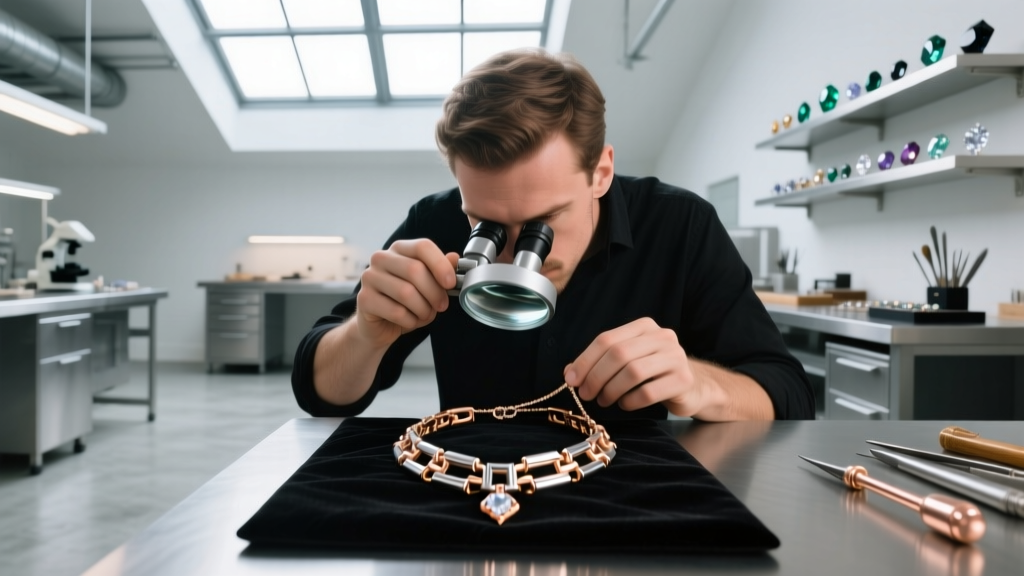
- Articulation and Engineering: Setting hundreds of carats of diamonds so that they lay flat against the collarbone without snapping requires master-level engineering. Hidden Kevlar cores, titanium hinges, and micro-pavé techniques add massive labor costs.
- Market Scarcity: As of 2026, the proliferation of lab-grown diamonds has saturated the commercial market, making exceptional, large-carat natural diamonds increasingly concentrated in the hands of elite investors, driving up auction prices.
Comparing the Titans of High Jewelry
| Necklace Name | Estimated Value | Center Stone | Primary Metal | Key Engineering Feature |
|---|---|---|---|---|
| L'Incomparable (Mouawad) | $55,000,000 | 407.48ct IF Yellow Diamond | 18k Rose Gold | Invisible setting techniques for secondary stones |
| A Heritage in Bloom (Chan) | $200,000,000 | 104ct D-Color IF Round | Titanium & White Gold | Modular, articulated titanium joints for flexibility |
| The Heart of the Kingdom (Bulgari/Graff) | $14,000,000+ | 40.63ct Heart-Shape Diamond | Platinum & 18k Gold | Convertible design (necklace to tiara) |
What Beginners Can Learn: Actionable Buying Advice
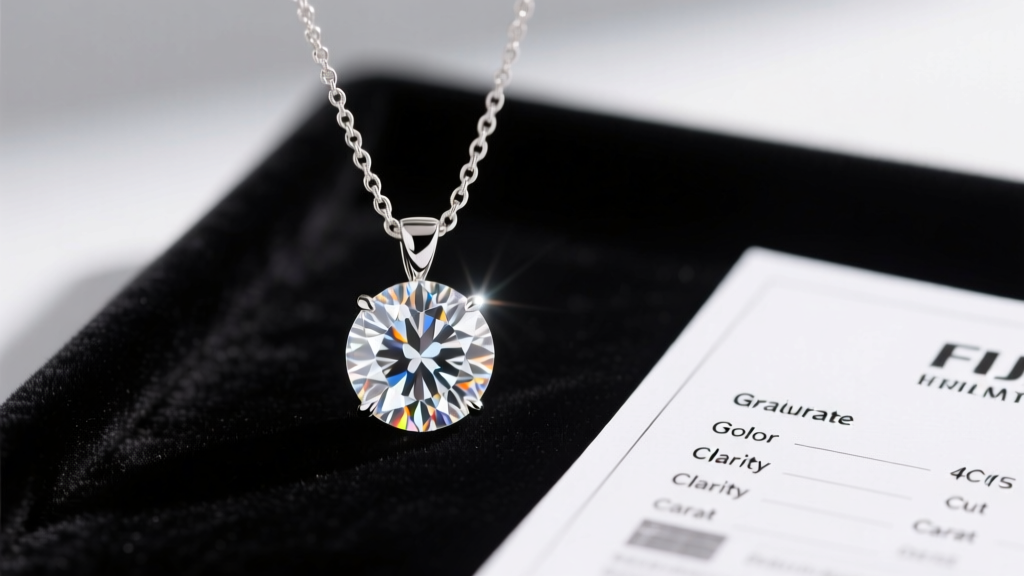
You might not be in the market for a $55 million necklace, but the principles that govern the costliest necklace in the world apply directly to buying a $2,000 or $10,000 pendant. Here is how to apply high-jewelry standards to your next purchase.
1. Prioritize Cut Over Carat
Wallace Chan’s 104-carat diamond is valuable not just because of its size, but because its proportions are mathematically perfect, allowing maximum light return. When buying a diamond pendant under 2 carats, never sacrifice the 'Cut' grade to get a slightly heavier stone. An 'Excellent' or 'Ideal' cut 1.00-carat diamond will face up larger and sparkle significantly more than a poorly cut 1.25-carat diamond. Always demand a GIA or AGS grading report.
2. Choose the Right Chain Gauge and Metal
High jewelry pieces use specialized internal wiring to support massive stones. For everyday pendants, your chain's gauge (thickness) is critical for preventing loss.
- Delicate Pendants (Under 0.50ct): A 0.8mm to 1.0mm 18k gold cable or box chain is sufficient. Look for the '750' hallmark to ensure genuine 18k gold.
- Medium to Heavy Pendants (1.00ct - 3.00ct): Upgrade to a 1.2mm to 1.5mm chain. Consider Platinum (PT950). Platinum is denser and more durable than gold, meaning the prongs and chain links are less likely to wear thin or snap over decades of daily wear.
3. Understand the Setting Architecture
Look closely at how the bail (the loop connecting the pendant to the chain) is attached. In cheaper jewelry, the bail is often glued or soldered with a weak alloy. In fine jewelry, the bail is cast as a single piece with the pendant head or securely laser-welded. Ensure the bail has a smooth interior lining so it doesn't act like a saw, slowly cutting through your chain over time.
Final Thoughts
The costliest necklace in the world is a testament to the earth's geological miracles and the absolute limits of human craftsmanship. While pieces like L'Incomparable and A Heritage in Bloom will remain locked in private vaults and museum displays, the knowledge of what makes them extraordinary empowers you to make smarter, more informed decisions when building your own personal jewelry collection. Whether you are investing in a Type IIa diamond or simply choosing the right platinum chain for a family heirloom, demanding transparency, proper certification, and superior engineering will always be your best investment.


