Best Sensory Chew Necklace Materials: Safety & Durability Guide
Compare silicone, TPE, and natural rubber sensory chew necklace materials. Discover Shore A hardness ratings, safety standards, and durability.

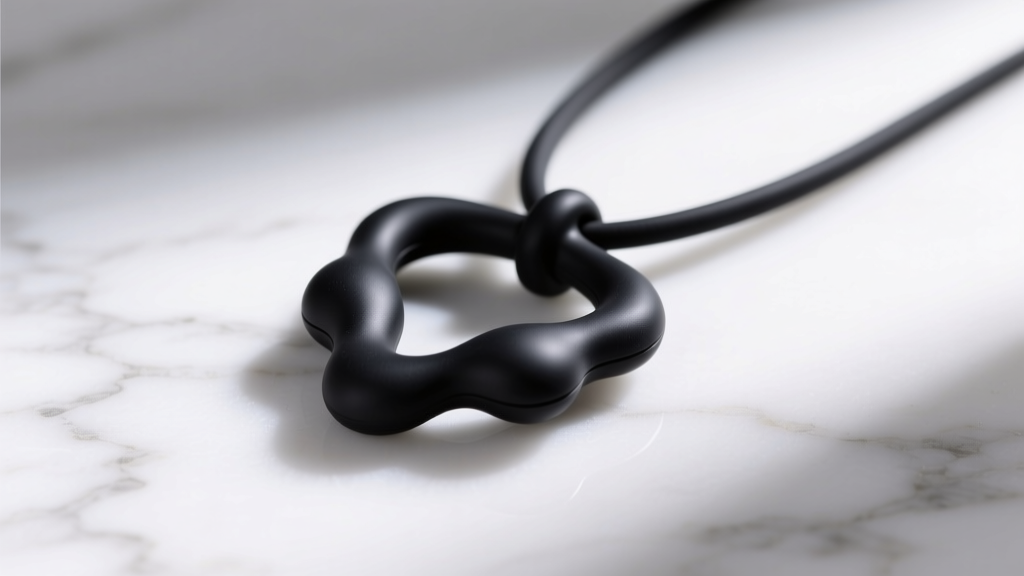
The Anatomy of a Safe Sensory Chew Necklace
When selecting a sensory chew necklace for oral motor stimulation, the aesthetic design is secondary to material science and structural safety. For neurodivergent individuals, children with ADHD or Autism, and adults seeking discreet proprioceptive input, the necklace must withstand repetitive, high-PSI bite forces without degrading, leaching chemicals, or posing a strangulation hazard. The market is currently flooded with vague "BPA-free" claims, but true safety requires a deeper understanding of polymer cross-linking, durometer hardness, and hardware tensile strength. In this guide, we deconstruct the primary materials used in chewelry, evaluating their chemical stability, failure modes, and long-term durability.
Medical-Grade Silicone: The Platinum-Cured Standard
Silicone remains the undisputed gold standard for sensory chew necklaces, but not all silicone is created equal. The critical distinction lies in the vulcanization (curing) process. High-quality chewelry utilizes platinum-cured silicone (addition curing), whereas cheaper alternatives use peroxide curing.
Platinum-Cured vs. Peroxide-Cured Silicone
Platinum-cured silicone uses a platinum catalyst to cross-link the polymer chains. This process yields zero toxic byproducts, resulting in a completely odorless, non-porous, and highly stable material that meets FDA 21 CFR 177.2600 standards for repeated food contact surfaces. It possesses exceptional tensile strength (typically >8 MPa) and tear resistance, meaning it will stretch and deform under heavy bite force rather than chunking or tearing.
Conversely, peroxide-cured silicone (condensation curing) leaves behind residual byproducts that can cause a distinct chemical odor and require extensive post-curing baking to remove. Over time, peroxide-cured silicone is more prone to micro-tearing and surface degradation when exposed to the enzymes and varying pH levels of human saliva.
Thermoplastic Elastomers (TPE/TPR): Understanding the Trade-Offs
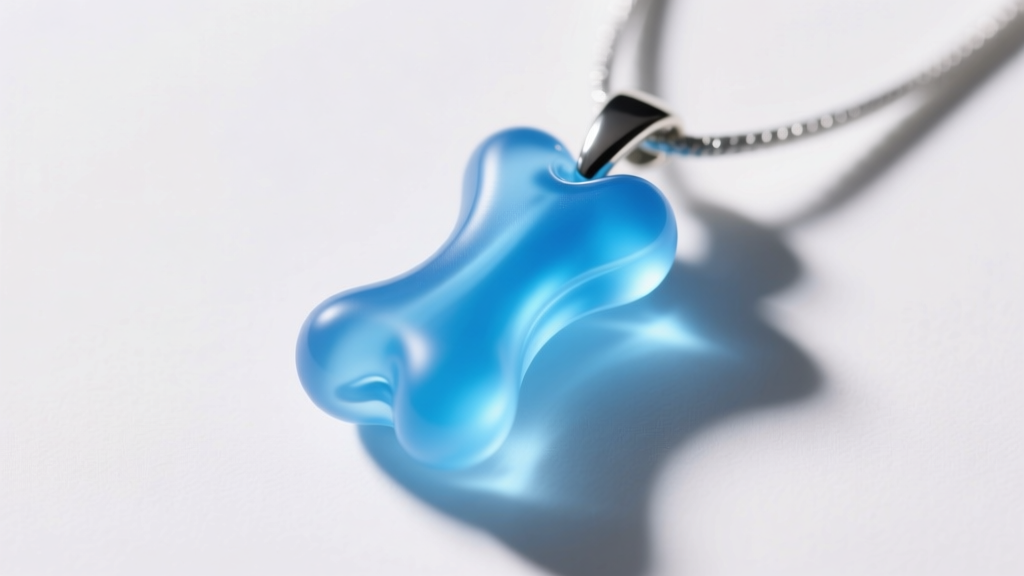
Thermoplastic Elastomers (TPE) and Thermoplastic Rubbers (TPR) are frequently used in budget-friendly sensory jewelry. These materials are styrenic block copolymers that mimic the feel of rubber but can be melted and injection-molded like plastic. While TPE can be formulated to be BPA-free, latex-free, and phthalate-free, it inherently lacks the robust cross-linked molecular structure of vulcanized silicone.
The primary failure mode of TPE in a chew necklace is environmental stress cracking. The continuous exposure to saliva, combined with mechanical fatigue from chewing, causes TPE to develop microscopic fissures. These fissures harbor bacteria and eventually lead to the pendant tearing into small, swallowable chunks. Furthermore, TPE has a lower thermal tolerance than silicone; it cannot be sterilized in boiling water or an autoclave without warping or melting, making long-term sanitization highly problematic.
Decoding Shore A Durometer Ratings for Bite Force
Material safety is only half the equation; the sensory feedback must match the user's bite force. Polymer hardness is measured using the Shore A Durometer scale. Selecting the wrong hardness can lead to rapid material destruction (if too soft for an aggressive chewer) or jaw fatigue and dental damage (if too hard for a light chewer).
| Shore A Rating | Material Feel | Ideal User Profile | Expected Lifespan (Heavy Use) |
|---|---|---|---|
| 20A - 30A | Very Soft (Gel-like) | Light chewers, oral motor exploration, sensitive teeth | 1 - 3 Months |
| 40A - 50A | Medium (Pencil Eraser) | Moderate chewers, everyday wear, anxiety relief | 3 - 6 Months |
| 60A - 80A | Firm (Tire Tread) | Aggressive chewers, high bite force, PICA tendencies | 6 - 12+ Months |
Occupational therapists generally recommend starting with a medium (40A-50A) pendant and adjusting based on the wear patterns observed after two weeks of use. If the pendant shows deep indentations or puncture marks, step up to a 60A+ firmness.
Cord Materials and Breakaway Hardware Mechanics
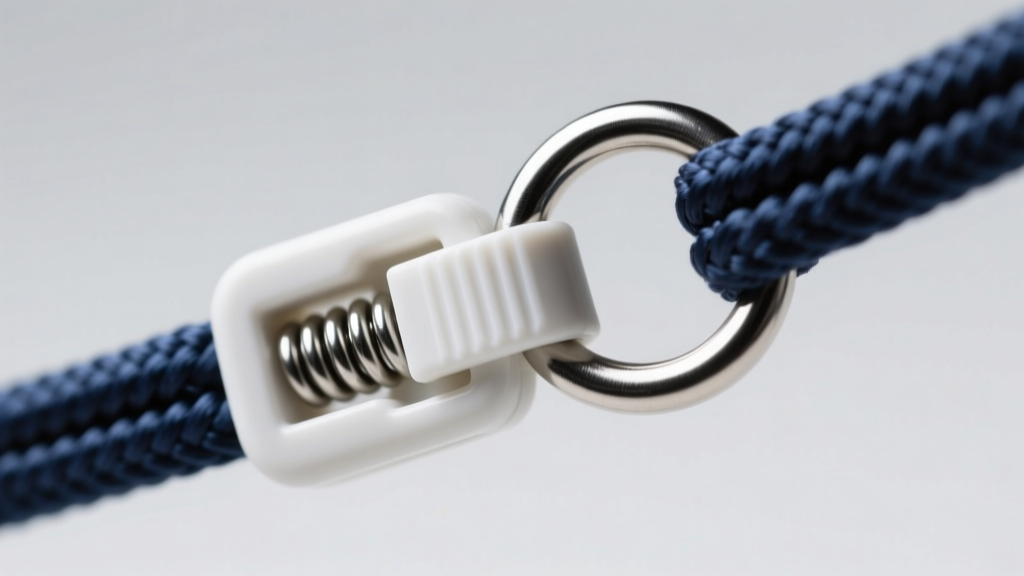
The pendant is only as safe as the cord it hangs from. Strangulation is the most severe risk associated with any neck-worn item. According to guidelines from the U.S. Consumer Product Safety Commission (CPSC), necklaces intended for children or unsupervised adults must incorporate a breakaway mechanism.
The Physics of the Breakaway Clasp
A compliant breakaway clasp is engineered to separate when subjected to a specific tensile load—typically between 5 and 8 pounds of force. This threshold is high enough to prevent accidental popping during normal movement, but low enough to snap open before the cord cuts off circulation or crushes the trachea if caught on playground equipment or furniture.
For the cord itself, braided nylon or satin paracord are vastly superior to cotton or leather. Cotton cords absorb saliva, fostering bacterial growth and emitting a sour odor within days. Leather degrades, stiffens, and eventually snaps unpredictably. Nylon resists moisture, maintains its tensile strength, and can be easily wiped clean or washed.
Sanitization Protocols and Material Degradation
Proper hygiene protocols dictate how long a sensory chew necklace remains viable. Medical-grade platinum silicone is non-porous, meaning bacteria cannot penetrate the surface. It can be safely sanitized via:
- Boiling: Submerging in rolling boiling water for 3-5 minutes.
- Autoclaving: Using pressurized steam (ideal for clinical or school environments).
- Dishwasher: Top-rack placement (though harsh detergents may leave a soapy residue that alters the taste).
TPE and natural rubber alternatives cannot withstand these thermal shocks. They must be washed with warm, soapy water and thoroughly air-dried. If a TPE pendant begins to feel tacky or sticky to the touch, it indicates that the plasticizers are migrating to the surface—a definitive sign of polymer breakdown. At this stage, the necklace must be discarded immediately to prevent the ingestion of degraded chemical compounds.
Conclusion: Choosing the Right Matrix
Investing in a sensory chew necklace requires looking past marketing buzzwords and examining the material data sheet. Always prioritize platinum-cured, FDA-compliant silicone with a verified Shore A durometer rating matched to the user's bite force. Pair this with a moisture-resistant nylon cord and a rigorously tested breakaway clasp. By understanding the chemical and mechanical properties of chewelry, caregivers and users can ensure a safe, durable, and effective sensory tool that provides reliable proprioceptive input without compromising physical safety.


