Beginner's Guide to Choosing a Necklace Rope Gold Chain
Discover everything you need to know before buying a necklace rope gold chain. Learn about karats, solid vs. hollow, sizing, and repair tips.

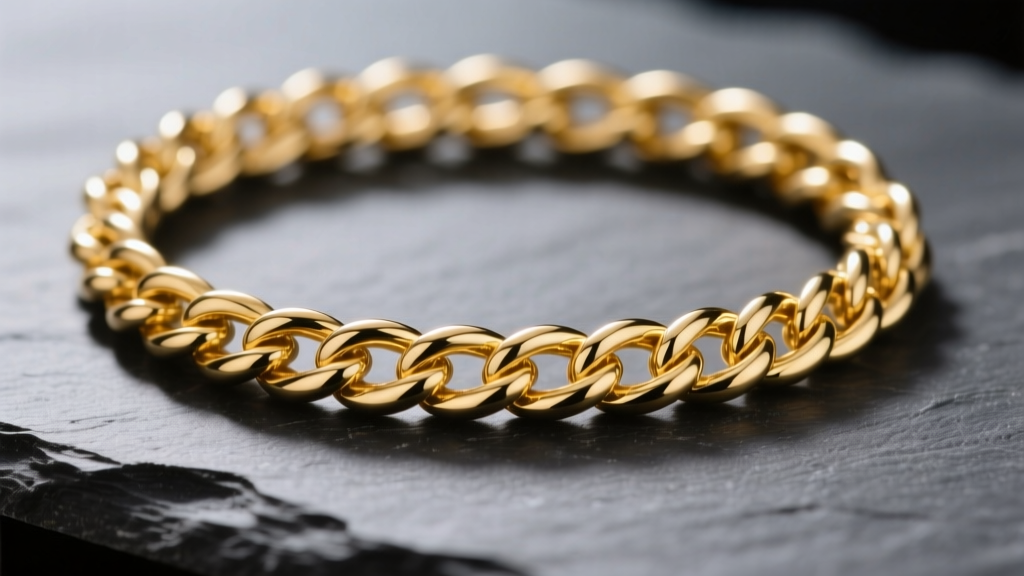
Introduction to the Gold Rope Chain
If you are stepping into the world of fine jewelry for the first time, few styles command as much respect and versatility as the rope chain. Characterized by its intricate, twisted links that mimic the appearance of a woven rope, this style catches the light from multiple angles, creating a brilliant, shimmering effect. When shopping for a necklace rope gold piece, beginners are often overwhelmed by the sheer volume of options, ranging from delicate 1-millimeter strands to heavy, statement-making 10-millimeter cables.
Understanding the nuances of gold purity, manufacturing techniques, and structural integrity is critical. A beautiful chain can quickly become a costly mistake if you purchase the wrong karat for your lifestyle or fall for the trap of hollow manufacturing. This comprehensive guide will break down the exact specifications you need to know to make an informed, confident purchase that will last a lifetime.
The Anatomy of the Twist: How Rope Chains Are Made
Unlike a standard curb or cable chain, which consists of uniform, flat, or oval links connected in a single sequence, a rope chain is constructed by twisting two or three rows of links together. This spiraling effect is what gives the chain its signature texture and high-reflectivity. According to the Jewelers of America, the complexity of this weaving process means that rope chains require precise craftsmanship.
The twisting creates small, uniform gaps between the links. While this contributes to the chain's fluid drape and brilliant sparkle, it also introduces a unique vulnerability: the chain can easily catch on fabrics, hair, or other jewelry. For beginners, this means learning how to properly put on, take off, and store your necklace is just as important as the initial purchase.
Decoding Gold Karats for Everyday Wear
Gold purity is measured in karats (k), with 24k representing pure gold. However, pure gold is far too soft for jewelry that experiences daily friction and tension. Therefore, gold is alloyed with metals like copper, silver, and zinc to increase durability. Choosing the right karat for your necklace rope gold chain depends on your budget, desired color, and lifestyle.
| Karat | Gold Content | Durability | Color Profile | Best For |
|---|---|---|---|---|
| 10k Gold | 41.7% | Very High | Pale Yellow | Tight budgets, high-impact daily wear |
| 14k Gold | 58.3% | High | Warm Yellow | The ultimate sweet spot for daily wear |
| 18k Gold | 75.0% | Moderate | Rich, Deep Yellow | Special occasions, pendant pairing |
| 22k Gold | 91.6% | Low | Intense Orange-Yellow | Investment pieces, rarely worn |
For most beginners, 14k gold is the undisputed champion. It offers the perfect balance of rich color and tensile strength, ensuring the twisted links won't easily stretch or snap under the weight of a pendant. The Gemological Institute of America (GIA) notes that 14k and 18k are the most popular choices for fine jewelry in the United States, but 14k remains the standard for chains due to its superior resistance to deformation.
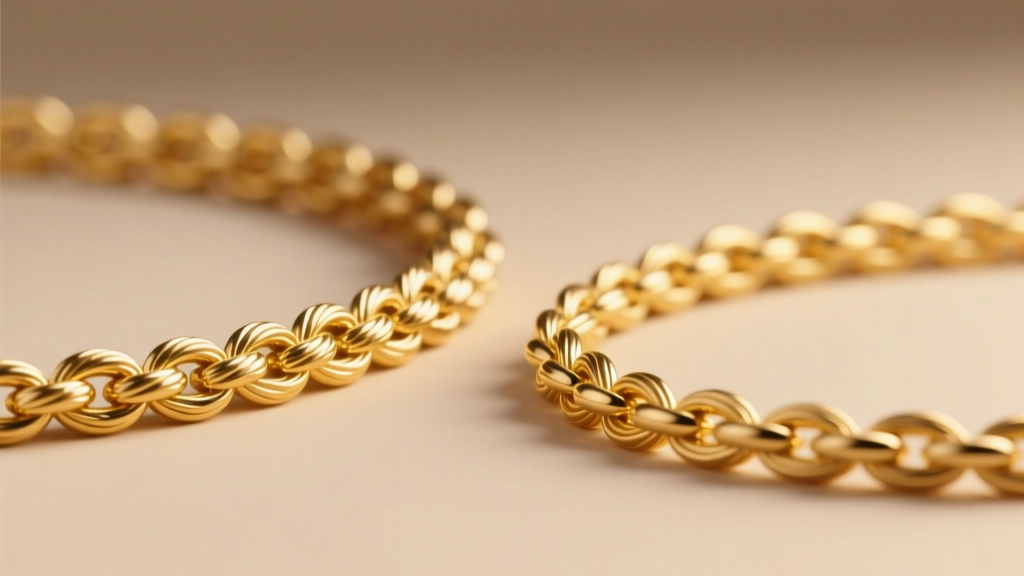
The Hollow Chain Trap: Solid vs. Hollow Manufacturing
This is the most critical section for any first-time buyer. When browsing online or in-store, you will notice massive price discrepancies between chains of the exact same width and karat. The secret? Hollow manufacturing.
Hollow Rope Chains
Hollow chains are made by wrapping a thin sheet of gold around a base metal core (which is later dissolved in acid) or by using extremely thin gold tubing. This creates a chain that looks thick and heavy (e.g., 6mm or 8mm) but weighs only a fraction of its solid counterpart. Avoid these at all costs. Hollow rope chains dent easily if bumped against a hard surface. Once dented, the structural integrity of the twisted link is compromised, and they are virtually impossible for a jeweler to repair because there is no solid metal to solder.
Solid Rope Chains
Solid chains are crafted from thick, continuous wires of gold alloy. They are significantly heavier, more expensive, and infinitely more durable. If a solid rope chain snaps, a skilled jeweler can seamlessly laser-weld or solder the link back together. When investing in a necklace rope gold piece, always check the gram weight. A solid 4mm 14k gold rope chain should weigh roughly 15 to 20 grams at a 20-inch length. If it weighs 4 grams, it is hollow.
Diamond-Cut Variations
Many rope chains are "diamond-cut," meaning a jeweler has used a precision tool to slice off the top layer of the twisted links, creating flat, polished facets. This dramatically increases the chain's sparkle, making it look as though it is encrusted with tiny diamonds. However, this process removes a small amount of metal, slightly weakening the link. For chains under 3mm, opt for a standard smooth rope; for chains 4mm and above, diamond-cut is highly recommended for maximum visual impact.
Sizing Guide: Widths and Lengths
Selecting the right dimensions ensures your chain complements your neckline and personal style rather than overpowering it.
- 1mm - 2mm (Delicate): Ideal for layering or holding lightweight pendants (under 5 grams). These sit close to the collarbone and offer a subtle, sophisticated gleam.
- 3mm - 5mm (Versatile): The most popular range for men and women. A 4mm solid rope chain is thick enough to be worn alone as a statement piece but refined enough to slide through the bail of most medium-to-large pendants.
- 6mm - 10mm (Statement): Heavy, bold, and designed to be worn solo. These are staples in streetwear and hip-hop fashion. Due to the weight, these must be purchased in solid gold to prevent catastrophic snapping.
Regarding length, a 20-inch chain typically rests just below the collarbone, making it the standard for pendant wear. A 24-inch chain falls mid-chest, offering a more relaxed, layered aesthetic.

Real-World Troubleshooting: Knots, Tangles, and Repairs
Because of their spiraled texture, rope chains are notorious for tangling, especially when stored loosely in a jewelry box. Pulling on a knot will only tighten the microscopic links, potentially warping the gold.
The Baby Oil Untangling Method
If your chain knots up, do not use needles or tweezers, which can scratch the gold. Instead, lay the chain flat on a hard surface. Apply a single drop of baby oil or mineral oil directly to the knot. Using two fine sewing needles, gently work the center of the knot outward. The oil reduces friction, allowing the twisted links to slide past one another without bending. Once untangled, wash the chain in warm water with a few drops of mild dish soap to remove the oil residue.
Repairing a Broken Link
If your solid rope chain breaks, traditional torch soldering can leave a visible dark spot or melt the intricate twist pattern. Always seek a jeweler who utilizes laser welding. Laser welders use a highly concentrated beam of light to fuse the gold at a microscopic level without heating the surrounding links, preserving the seamless spiral illusion of the rope chain.
Final Thoughts on Your First Purchase
Buying your first necklace rope gold chain is a milestone. By prioritizing solid construction over hollow illusions, selecting 14k gold for the optimal balance of color and strength, and understanding how to properly maintain the twisted links, you are securing a versatile piece of jewelry that will outlast fleeting trends. Always buy from reputable jewelers who provide clear gram weights and authentic karat hallmarks, ensuring your investment remains secure and brilliant for decades to come.


