14 in Necklace Value Guide: Pricing, Materials & Fit
Discover if a 14 in necklace fits your budget. We break down material costs, pricing tiers, clasp durability, and chain tension for true chokers.

The True Cost of a 14 in Necklace: Beyond the Price Tag
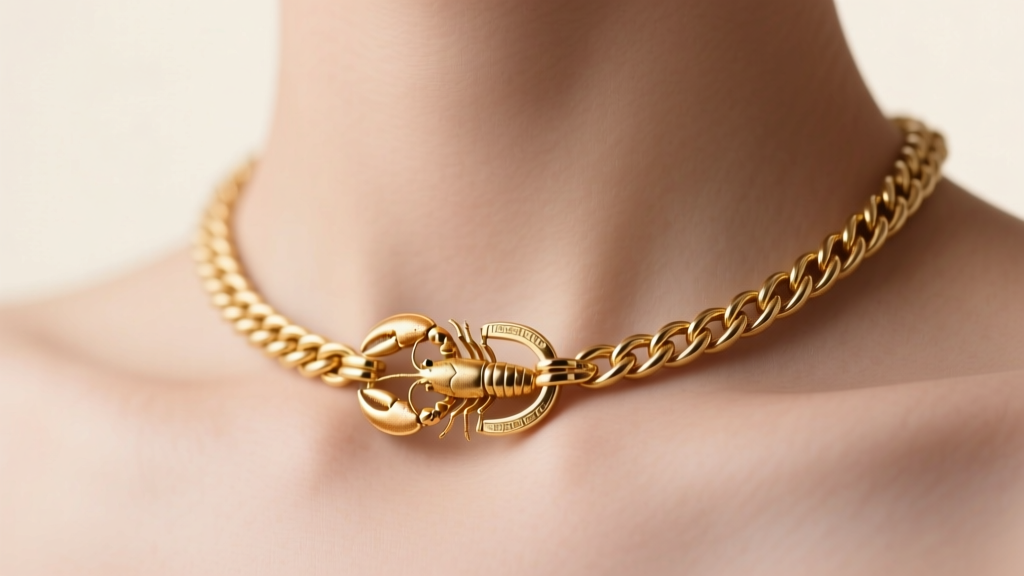
When building a curated jewelry wardrobe, the 14 in necklace occupies a highly specific and stylish niche. Sitting snugly at the base of the neck, this length functions as a true choker or collar, offering a vintage-inspired or modern minimalist aesthetic depending on the chain style. However, from a budget and value assessment perspective, many consumers fundamentally misunderstand how these pieces are priced. There is a pervasive myth in the jewelry market that because a 14-inch chain uses roughly 22% less metal than a standard 18-inch princess chain, it should be proportionally cheaper. In the 2026 jewelry market, this is rarely the case.
The reality of jewelry manufacturing is that fixed costs dominate the price of delicate chains. The labor required to cast, polish, and assemble a clasp, the quality control testing, the packaging, and the shipping logistics remain identical whether the chain is 14 inches or 20 inches. Furthermore, the actual metal weight difference for a delicate 1mm chain is often less than 0.8 grams. Therefore, a high-quality 14 in necklace should only be about 5% to 10% cheaper than its 18-inch counterpart. If a brand is discounting a 14-inch choker by 30% or more compared to their longer chains, they have likely compromised on the clasp hardware or used a thinner, more fragile wire gauge to offset margins.
Material Breakdown: What You Should Actually Pay
Evaluating the value of a choker requires a deep dive into metallurgy, especially because necklaces of this length sit directly against the pulse points of the neck. This area is highly prone to perspiration. Human sweat has a pH ranging from 4.5 to 7.0 and contains lactic acid, urea, and ammonia. When a metal rests against this environment for 12 hours a day, chemical reactions are inevitable.
Flash-Plated Brass and Steel ($15 - $35)
Fast-fashion chokers are typically made from a brass or stainless steel base with a microscopically thin layer of gold or silver (less than 0.5 microns). While the upfront cost is low, the cost-per-wear is incredibly high. The friction of a 14-inch chain rubbing against the collarbone, combined with acidic sweat, will strip flash plating in 4 to 8 weeks, leaving you with a tarnished, green-staining chain. From a value perspective, this is a poor investment.
Solid Sterling Silver ($45 - $90)
Sterling silver (92.5% pure silver, 7.5% copper) offers excellent intrinsic value. It will tarnish due to the copper content reacting with sulfur in the air and sweat, but it can be polished back to its original luster indefinitely. A 14 in necklace in solid sterling silver is a smart budget choice, provided you are willing to perform basic maintenance with a jeweler's cloth every few weeks.
Gold Vermeil ($75 - $140)
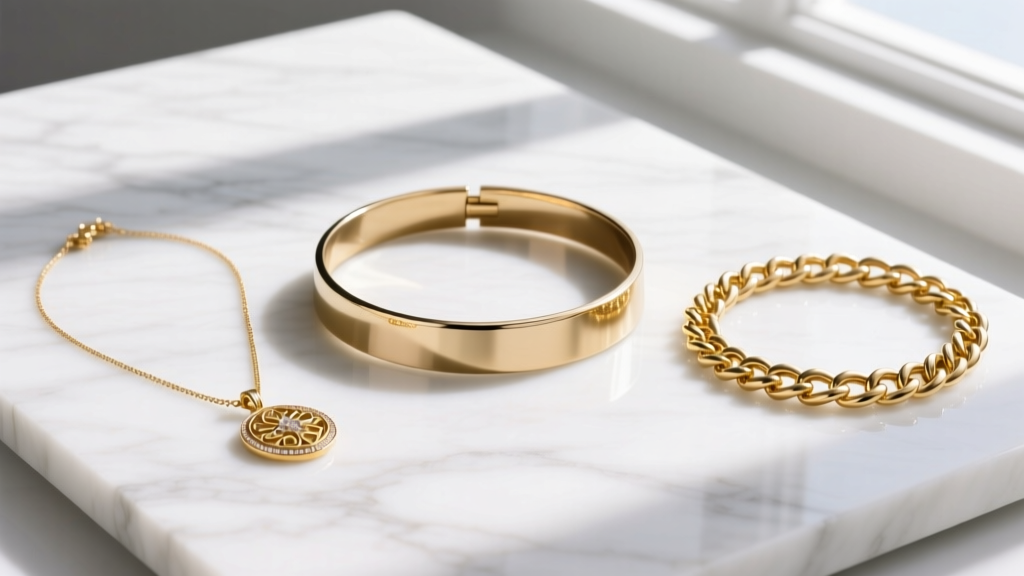
To be legally classified as vermeil under FTC Jewelry Guides, a piece must have a sterling silver base and be plated with at least 2.5 microns of 10k gold or higher. This thickness provides a durable barrier against neck sweat. A well-made vermeil choker will easily last 2 to 4 years of daily wear before requiring re-plating, making it the sweet spot for mid-tier budgets.
Solid 10k and 14k Gold ($280 - $650+)
Solid gold is the ultimate heirloom investment. According to the Gemological Institute of America (GIA), 14k gold (58.5% pure gold) offers the perfect balance of rich color and tensile strength. While the initial outlay for a solid 14k 14 in necklace is steep, its lifespan is measured in decades, not months. It will not flake, peel, or cause contact dermatitis, making it the highest long-term value for daily-wear chokers.
The Hidden Value Killers: Clasps, Extenders, and Tension
The structural integrity of a choker is tested far more rigorously than longer necklaces. Because a 14-inch chain lacks the slack of an 18-inch chain, everyday movements—turning your head to check traffic, looking down at a phone, or swallowing—create acute sheer force and tension on the hardware.
Why 14-Inch Chains Break Faster
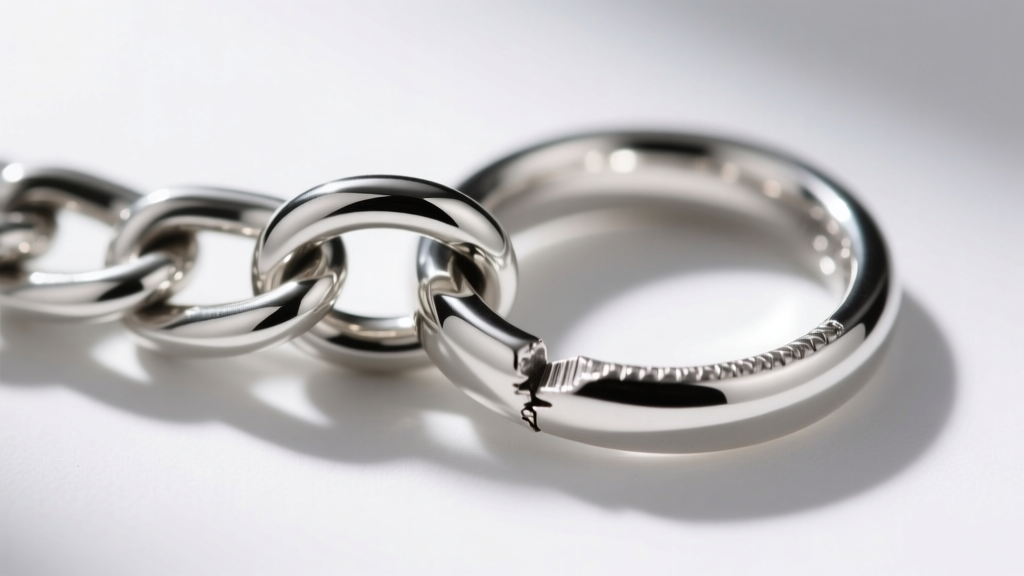
The weakest point of any necklace is the jump ring that connects the chain to the clasp. In budget jewelry, these jump rings are simply bent into a circle, leaving a microscopic gap. Under the constant tension of a snug 14 in necklace, this gap slowly pulls open, and the chain slips off and is lost. When assessing value, you must inspect the jump rings. High-value chains feature soldered jump rings, where the seam is fused shut with a laser or torch. If a brand charges over $80 for a choker and uses unsoldered jump rings, the value proposition is fundamentally flawed.
Additionally, spring-ring clasps are a liability on chokers. The internal spring mechanism is prone to failure when subjected to the lateral pulling forces of a tight-fitting necklace. A sturdy lobster clasp is a non-negotiable requirement for a 14-inch length to ensure longevity.
Budget vs. Value: A 2026 Pricing Matrix
To help you navigate the market, we have compiled a value assessment matrix based on current 2026 pricing for a standard 1mm to 1.5mm cable or rope chain at the 14-inch length.
| Material Grade | Expected Price Range | Lifespan (Daily Wear) | Value Rating |
|---|---|---|---|
| Brass Base / Flash Plated | $15 - $35 | 1 - 3 Months | Poor (High Cost-Per-Wear) |
| Solid Sterling Silver | $45 - $90 | Lifetime (with polishing) | Excellent |
| Gold Vermeil (2.5+ microns) | $75 - $140 | 2 - 4 Years | Good |
| Solid 10k Gold | $180 - $250 | Lifetime | Very Good |
| Solid 14k Gold | $280 - $650+ | Lifetime / Heirloom | Exceptional Investment |
Chain Link Physics: Choosing the Right Style for a Choker
The physical design of the chain links drastically impacts the value and durability of a 14 in necklace. Because the chain must bend at a tight radius to wrap around the human neck, certain link styles are inherently prone to failure at this specific length.
- Box Chains: While beautiful and reflective, box chains are notorious for kinking. At 14 inches, the tight curvature forces the geometric links to lock against one another. If you sleep in a 14-inch box chain, it will likely kink permanently and snap. Avoid this style unless you are diligent about removing it nightly.
- Cable Chains: The classic oval-link cable chain is highly durable and resists kinking. It is an excellent, safe choice for a daily-wear choker, though it can catch on fine body hair.
- Rope Chains: Twisted rope chains offer incredible tensile strength and a diamond-cut sparkle. The twisted structure naturally hides kinks and withstands the tension of a snug 14-inch fit better than almost any other link style. This makes the rope chain the highest-value design for chokers.
How to Maximize the ROI of Your Choker
If you are investing in a premium 14 in necklace, the single most important feature to look for is an extender chain. A 2-inch extender transforms your 14-inch choker into a 16-inch collar, which sits slightly lower on the clavicle. This versatility allows you to adapt the necklace to different necklines—pairing the 14-inch length with a crew neck sweater, and the 16-inch length with a V-neck blouse.
From a budget assessment standpoint, paying a $10 to $15 premium for a high-quality extender chain drastically increases your cost-per-wear ratio by doubling the styling utility of the piece. Furthermore, the extender provides crucial slack, reducing the baseline tension on the clasp and jump rings, thereby extending the physical lifespan of the hardware.
Final Verdict: Is the 14 in Necklace a Smart Investment?
A 14 in necklace is a highly specialized, statement-making piece that anchors any layered jewelry look. However, its snug fit demands rigorous standards for hardware and material quality. Budget shoppers should bypass flash-plated options entirely and opt for solid sterling silver to ensure longevity. Mid-range buyers should strictly verify that vermeil pieces meet the 2.5-micron thickness standard and feature soldered jump rings. For those with a higher budget, a solid 14k gold rope or cable chain with a lobster clasp and a 2-inch extender remains the ultimate benchmark for value, offering a lifetime of wear, unmatched durability against neck tension, and timeless style.


