Amethyst Bead Necklace Value Guide: 2026 Pricing & Quality Tips
Discover how to evaluate an amethyst bead necklace in 2026. Learn pricing tiers, grading factors, treatment red flags, and stringing tips.

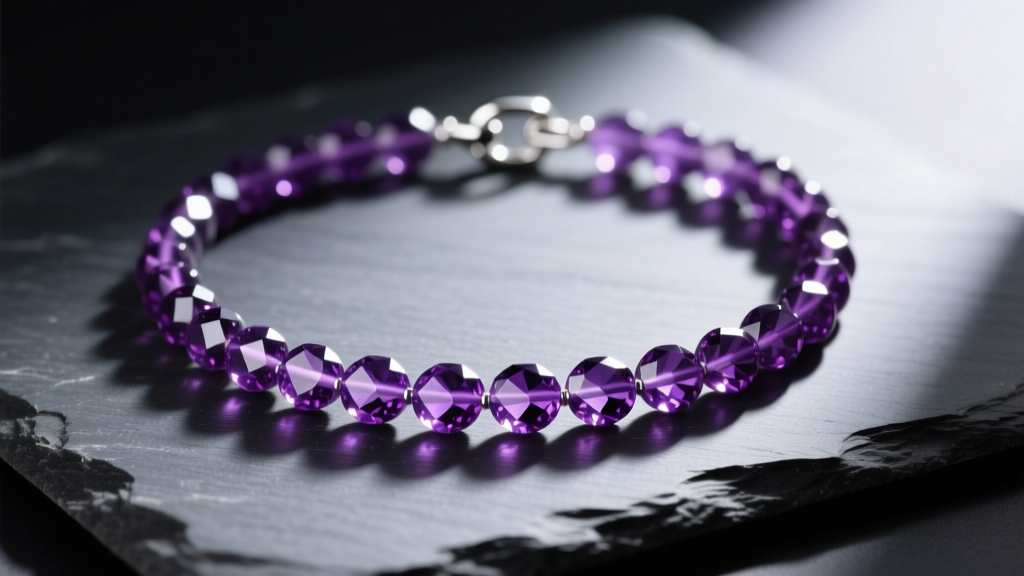
The Real Cost of Amethyst Bead Necklaces in 2026
Navigating the gemstone market requires a sharp eye, especially when evaluating an amethyst bead necklace. Once considered a cardinal gemstone rivaling emeralds and rubies, amethyst's value shifted dramatically after massive Brazilian deposits were discovered in the 19th century. However, as we move through 2026, the market has bifurcated. While commercial-grade amethyst remains highly accessible, top-tier, deeply saturated beads have seen a steady 4-6% annual price increase due to depleting high-yield mines in Zambia and Uruguay.
For collectors and everyday wearers alike, understanding the true value of an amethyst bead necklace means looking past the basic purple hue. You must evaluate color zoning, origin, cut precision, and the structural integrity of the stringing material. This guide breaks down the exact metrics jewelers use to price these necklaces, ensuring you never overpay for heat-treated or synthetically grown alternatives.
Grading Amethyst Beads: Color, Clarity, and Cut
Unlike diamonds, where clarity often dictates the premium, colored gemstones are judged primarily on their color. When assessing an amethyst bead necklace, the grading framework relies on three distinct pillars.
The Color Spectrum and Value Multipliers
The most valuable amethyst exhibits a strong reddish-purple or pure purple hue with no visible color zoning. In the trade, the pinnacle of amethyst color is often referred to as "Siberian" amethyst. This designation does not necessarily mean the stone was mined in Russia; rather, it describes a specific color saturation: roughly 75-80% primary purple, with 15-20% secondary red and blue flashes under incandescent light.
- Light Lilac (Rose de France): Pastel and highly transparent. Beautiful, but commands the lowest price per carat.
- Medium Purple: The standard for most commercial jewelry. Readily available and affordable.
- Deep Siberian Purple: The holy grail for bead necklaces. Deeply saturated without appearing black in low light.
According to the Mindat mineral database, amethyst is a purple variety of macrocrystalline quartz, deriving its color from iron impurities (Fe3+) and natural gamma irradiation within the earth's crust.
Clarity and Cut in Bead Form
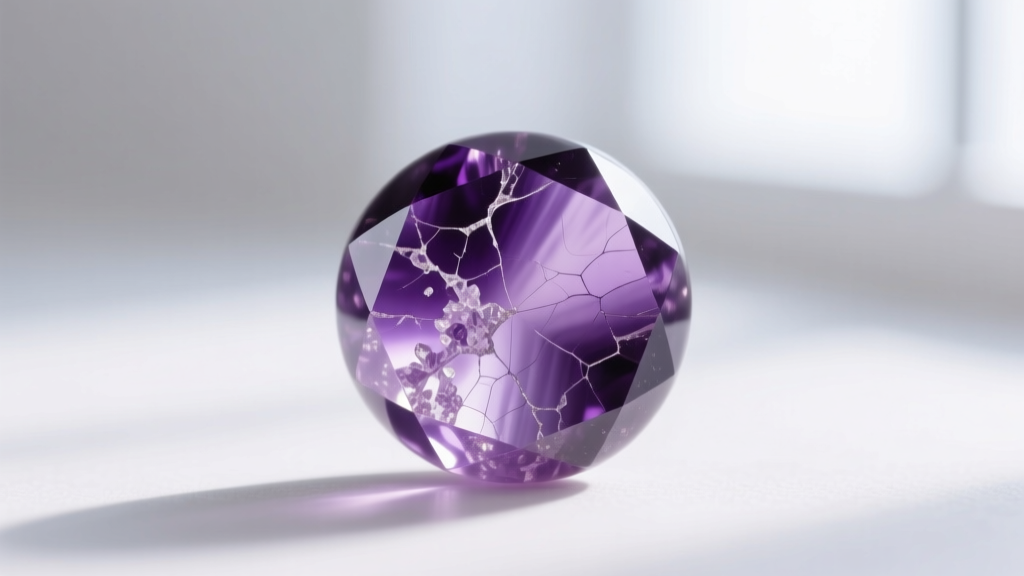
Amethyst is a Type II gemstone, meaning it typically grows with some inclusions. However, in bead form, buyers should expect "eye-clean" stones. Visible fractures or milky inclusions not only reduce the aesthetic value but also create structural weak points that can cause the bead to crack during the drilling process. Furthermore, faceted amethyst beads cost roughly 30% more than smooth cabochon rounds due to the labor involved in cutting and polishing each individual face on a 6mm or 8mm stone.
2026 Pricing Tiers: What You Should Actually Pay
When shopping for an amethyst bead necklace, pricing is heavily dictated by bead diameter, origin, and color saturation. Below is a benchmark pricing chart for a standard 18-inch princess-length necklace in the current 2026 market.
| Quality Tier | Bead Size | Primary Origin | Estimated Price Range |
|---|---|---|---|
| Commercial | 4mm - 6mm | Brazil / India | $30 - $75 |
| Fine | 6mm - 8mm | Zambia | $120 - $280 |
| Extra-Fine | 8mm - 12mm | Uruguay / Zambia | $400 - $950+ |
Note: Prices assume a secure sterling silver or gold-filled clasp. Necklaces featuring solid 14k or 18k gold hardware will add $150-$400 to the baseline cost.
Treatments and Synthetic Red Flags
Because high-quality, deep-purple amethyst is rare and expensive, the market is flooded with treated and lab-created alternatives. The Gemological Institute of America (GIA) notes that heat treatment is a standard, accepted practice in the gem trade to lighten dark stones or remove brownish tints. However, other treatments severely impact value.
Red Flags to Watch For
- Dyed Quartz: Pale or colorless quartz is often fracture-sealed with purple dye. Inspect the bead under a 10x loupe; if you see purple concentrated in the cracks or drill holes, the stone is dyed and practically worthless.
- Irradiation: Some lighter stones are artificially irradiated to deepen their color. While stable, this must be disclosed by the seller.
- Hydrothermal Synthetic: Lab-grown amethyst is chemically identical to natural stone but lacks the natural angular color zoning. Synthetics often appear "too perfect" with uniform, flat color. They should cost a fraction of natural equivalents.
Stringing Materials: The Hidden Cost of Durability
A common mistake buyers make is focusing entirely on the gemstones while ignoring the stringing material. Amethyst ranks at a 7 on the Mohs hardness scale. While it is relatively durable, the sharp edges of the drill holes can easily fray standard silk thread over time, leading to catastrophic necklace failure.
Silk vs. Steel vs. Nylon
For a high-value amethyst bead necklace, the stringing medium must match the investment. Here is how the top materials compare:
- Griffin Silk Thread: Traditional and beautiful, allowing the beads to drape fluidly. However, silk degrades with exposure to moisture and skin oils. It requires knotting between every single bead, which adds to the labor cost but prevents total loss if the strand breaks.
- Beadalon 49-Strand Stainless Steel (0.018" gauge): The modern industry standard for heavy gemstone beads. The 49 micro-strands of steel coated in nylon offer incredible tensile strength and flexibility. An 18-inch 8mm amethyst necklace can weigh over 40 grams; steel wire easily supports this without stretching.
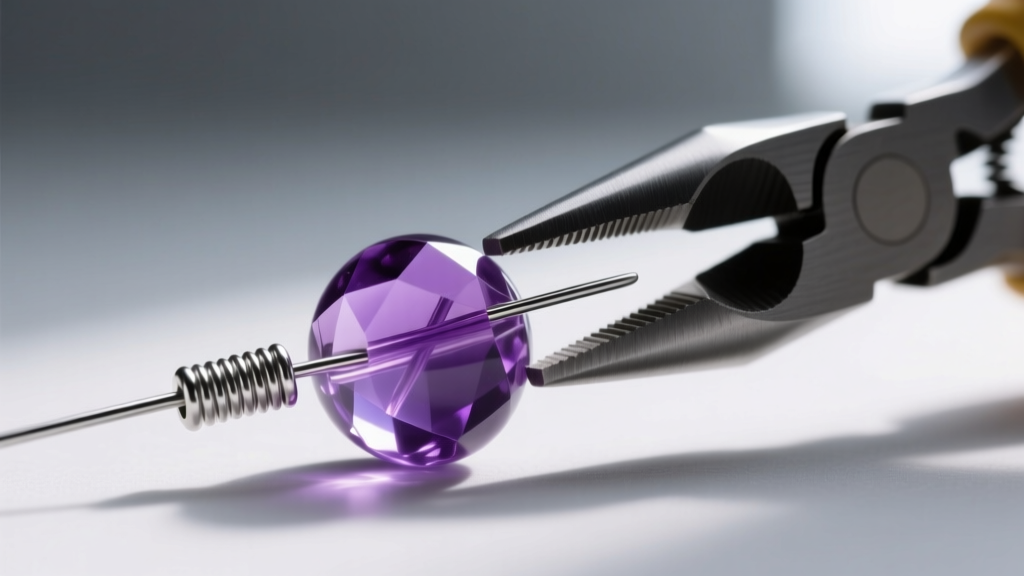
- French Wire (Gimp): A crucial, often overlooked component. High-end necklaces use a tiny coil of fine silver or gold wire where the steel cable meets the clasp. This prevents the metal clasp from sawing through the nylon coating of the beading wire over years of friction.
Final Verdict: Maximizing Your Investment
Purchasing an amethyst bead necklace in 2026 is an exercise in balancing visual impact with structural longevity. If you are operating on a budget under $100, look for 5mm-6mm Zambian beads with medium saturation, strung on knotted nylon. If you are investing $400 or more, demand 8mm+ Uruguayan beads with "Siberian" color flashes, eye-clean clarity, and a 49-strand steel wire finished with French wire and a secure lobster or box clasp. By prioritizing origin transparency and robust stringing architecture, you ensure your necklace remains a staple of your jewelry wardrobe for decades to come.


