Gifting a 14k Gold Clasp Pearl Necklace: 2026 Guide
Discover how to choose, style, and gift a 14k gold clasp pearl necklace for any occasion in 2026. Expert tips on pearl grades, clasp types, and pricing.

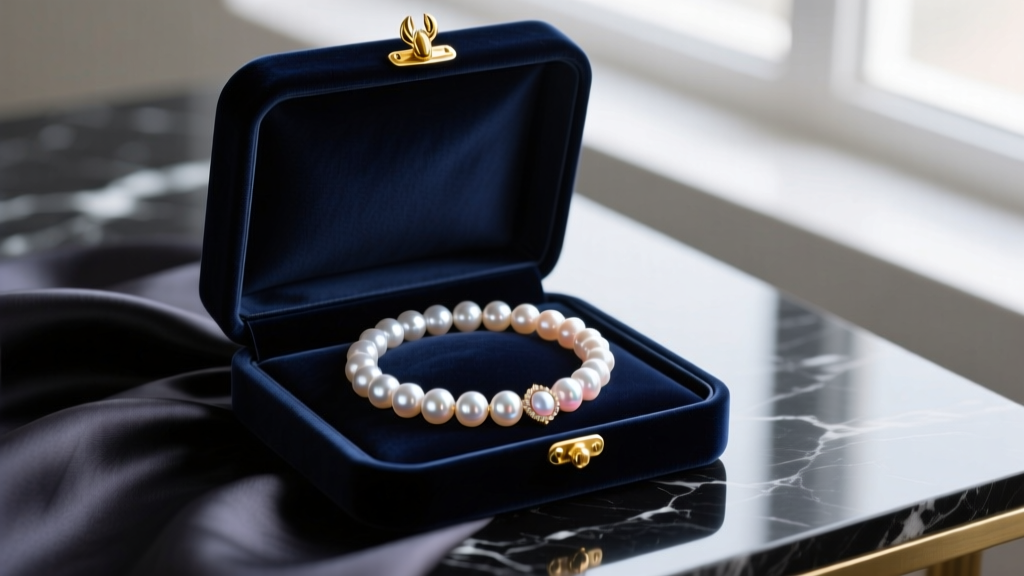
Why the 14k Gold Clasp Pearl Necklace is the Ultimate 2026 Gift
In the landscape of modern fine jewelry, the pendulum has swung decisively toward 'quiet luxury' and heirloom-quality pieces that transcend fleeting trends. As we navigate 2026, the 14k gold clasp pearl necklace remains an unparalleled gifting choice. Unlike gold-plated alternatives or synthetic imitations, a genuine pearl strand secured by a solid 14-karat gold clasp offers a masterclass in material longevity and timeless elegance. Whether you are celebrating a milestone anniversary, a graduation, or a significant career achievement, understanding the precise anatomy of this accessory is crucial for selecting a piece that will endure for generations.
Gifting a pearl necklace is not merely about purchasing a strand of beads; it is an investment in organic gemology and precision metallurgy. The Gemological Institute of America (GIA) emphasizes that pearl quality is dictated by a complex matrix of luster, surface cleanliness, and nacre thickness. When paired with the structural integrity of 14k gold, the result is a garment that balances delicate beauty with everyday resilience. This guide will decode the technical specifications, pricing tiers, and occasion-matching frameworks you need to make an informed, expert-level purchase.
Decoding the Components: Pearls and 14k Gold Clasps
To evaluate a pearl necklace accurately, you must assess its two primary structural elements independently before considering how they interact. The harmony between the organic pearl and the forged metal clasp dictates both the aesthetic value and the physical lifespan of the jewelry.
Pearl Grading and Sizing Metrics
When sourcing pearls for a premium necklace, you will primarily encounter two varieties: Akoya and Freshwater. Akoya pearls, cultivated in saltwater, are the gold standard for classic round strands. They typically range from 6.0mm to 9.0mm in diameter and are prized for their 'mirror-ball' luster—a sharp, high-contrast reflection caused by dense, tightly packed crystalline aragonite layers. Freshwater pearls, while historically irregular, have seen massive cultivation advancements. Modern 'Edison' or metallic freshwater pearls can rival Akoya luster at larger sizes (9.0mm to 12.0mm) and lower price points, though they often exhibit softer, more satiny overtones.
The Critical Role of the 14k Gold Clasp
The clasp is the most common point of mechanical failure on any necklace. Pure 24k gold is far too soft to withstand the repetitive tension of opening and closing, which is why 14k gold (comprising 58.5% pure gold alloyed with copper, silver, and zinc) is the industry standard for functional hardware. The alloying metals provide the necessary tensile strength and 'spring-back' memory required for secure closures.
- Lobster Clasp: The most common secure option. It features an internal spring mechanism that is highly resistant to accidental snags. However, it requires decent manual dexterity to operate, which may be challenging for older recipients with arthritis.
- Box Clasp with Safety Catch: The premium choice for heavy, valuable pearl strands. The tongue-and-groove mechanism locks into place, and a secondary figure-eight wire provides a backup if the primary latch fails.
- Spring Ring: A small, circular clasp with a tiny spring. While inexpensive, these are prone to internal spring fatigue and should be strictly avoided on any pearl necklace valued over $500.
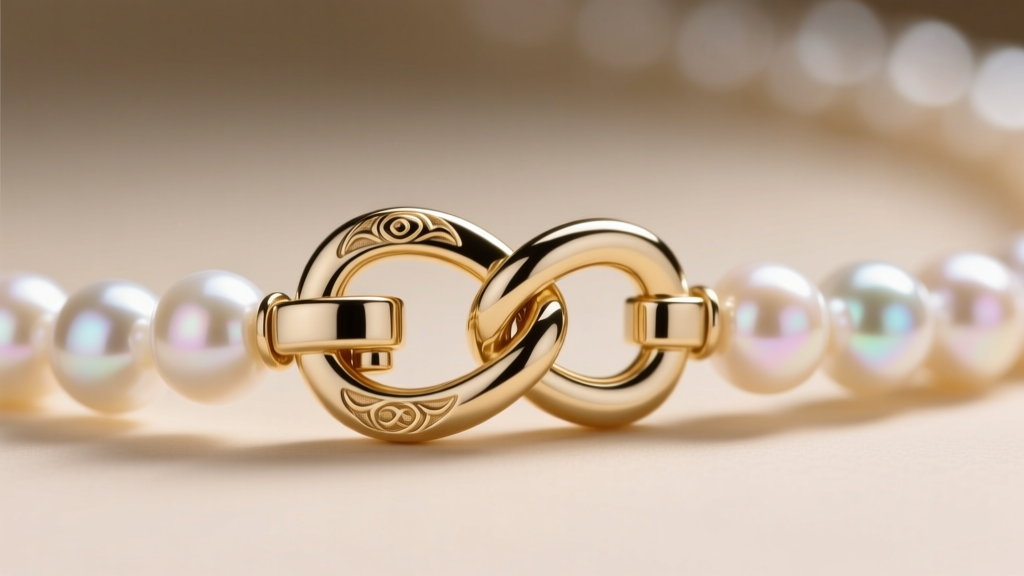
Knotting and French Wire: The Unseen Quality Markers
A high-quality pearl necklace is individually knotted using fine silk thread. These 1mm overhand knots serve two purposes: they prevent the pearls from rubbing against each other (which degrades the nacre), and they ensure that if the strand snaps, only one pearl is lost rather than the entire collection. Furthermore, inspect the area where the silk meets the 14k gold clasp. Premium jewelers use 'French wire' (also known as gimp)—a tiny, hollow coil of fine metal that the silk passes through before looping over the clasp's jump ring. This prevents the silk from fraying against the sharp edges of the gold hardware.
Occasion Matching: Which Pearl Necklace Fits the Milestone?
Matching the pearl size, overtone, and clasp style to the recipient's lifestyle and the specific occasion is what separates a thoughtful gift from a generic one. Use the framework below to align your purchase with the recipient's profile.
| Occasion | Ideal Pearl Type & Size | Recommended 14k Gold Clasp | Style Notes |
|---|---|---|---|
| College Graduation | Freshwater Round (7-8mm) | 14k Yellow Gold Lobster | Versatile, budget-friendly, perfect for transitioning into a professional wardrobe. |
| 10th Wedding Anniversary | Akoya (7.5-8.5mm) | 14k White Gold Box Clasp | Classic, high-luster, white gold enhances the cool, silver/rose overtones of Akoya pearls. |
| 30th Anniversary | White South Sea (10-12mm) | 14k Yellow Gold Diamond-Accent Box | Luxurious, substantial weight, requires a heavy-duty safety clasp due to the strand's value. |
| Mother's Day / New Mom | Baroque Freshwater (8-10mm) | 14k Rose Gold Lobster | Modern, organic shapes pair beautifully with warm rose gold and casual-chic maternity wear. |
| Milestone Birthday (50th) | Akoya Tin-Cup (6mm spaced) | 14k Gold Spring Ring (Hidden) | Lighter, contemporary feel; the clasp is often integrated seamlessly into the chain design. |
2026 Pricing Tiers and Market Expectations
Understanding the current market pricing protects you from both overpaying for inflated retail markup and falling for 'too good to be true' scams. According to the American Gem Society, purchasing from credentialed jewelers ensures accurate grading and ethical sourcing. Here is what you should expect to pay for a genuine 14k gold clasp pearl necklace in 2026:
Tier 1: Accessible Luxury ($250 - $600)
In this range, you will find high-grade, near-round freshwater pearls (7mm-9mm) with good luster, strung on silk with a standard 14k gold lobster clasp. These are excellent for younger recipients or fashion-forward gifting where organic, slightly imperfect shapes are celebrated.
Tier 2: The Classic Standard ($800 - $2,500)
This is the sweet spot for traditional Akoya pearl necklaces (16-inch princess length, 7mm-8.5mm). You are paying for the mirror-like luster, the meticulous hand-knotting, and premium hardware like a 14k gold box clasp with a safety catch. The nacre thickness should be verified to be at least 0.4mm to ensure longevity.
Tier 3: Investment Heirlooms ($3,500 - $10,000+)
At this tier, you enter the realm of Hanadama-certified Akoya (the highest Japanese export grade) or White South Sea pearls. The 14k or 18k gold clasps are often custom-machined, sometimes featuring pavé diamond accents, and the silk knotting is executed with microscopic precision.
Common Failure Modes and How to Inspect Quality
When evaluating a pearl necklace in person or reviewing high-resolution images from an online vendor, actively look for these specific failure modes:
- Jump Ring Gap: The jump ring is the small circle of gold connecting the clasp to the pearl strand. If there is a visible gap or if the wire is not flush, the silk thread will eventually slip through, resulting in a catastrophic loss of the pearls.
- Spring Fatigue: Test the lobster or spring ring clasp. When you release the trigger, it should snap back instantly and forcefully. A sluggish return indicates poor metallurgical tempering or a weak internal spring.
- Silk Stretching and Discoloration: Gently pull the strand taut. If you see significant gaps between the pearls and the knots, the silk has been stretched during manufacturing or wear. Additionally, if the silk is visibly darkened near the clasp, it indicates oil absorption from skin contact, a sign of heavy prior wear or improper storage.
- Chalking or Blinking: Roll the pearls across a white surface. If they leave a white residue (chalking), they may be heavily processed or coated. If you see 'blinking' (a dull, dead spot on the pearl's surface as it rotates), the nacre is unevenly distributed, exposing the inner bead nucleus.
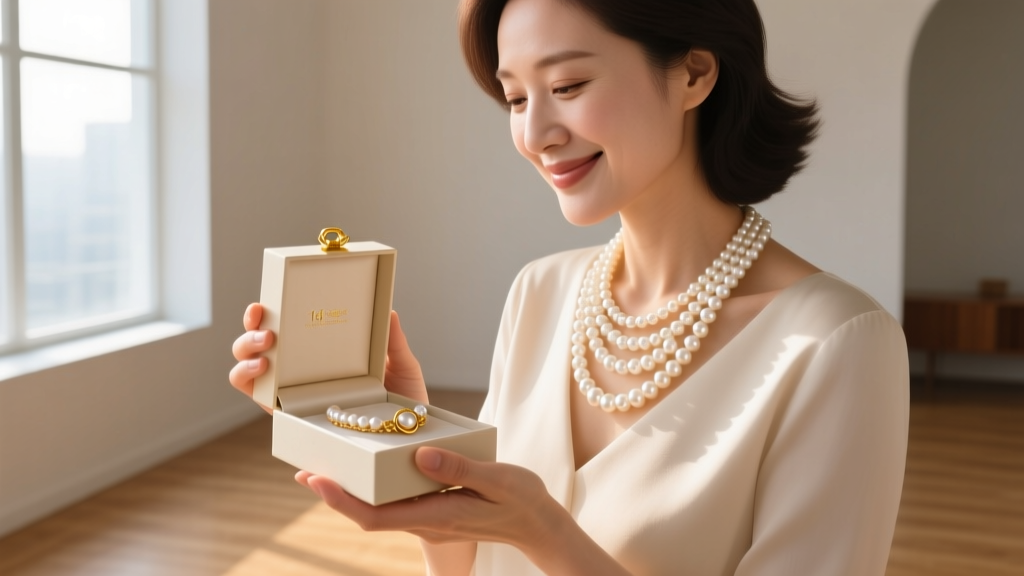
The Final Gifting Checklist
Before finalizing your purchase and wrapping the box, run through this expert checklist to guarantee your gift meets the highest standards of fine jewelry craftsmanship:
- Verify the Stamp: Ensure the clasp is clearly stamped with '14K', '14kt', or '585'. Unclassified gold hardware is a major red flag.
- Check the Knotting: Confirm that every single pearl is separated by a tight, clean silk knot with no fraying.
- Assess the Luster Match: Look down the length of the strand. The pearls should exhibit uniform luster and overtone, without any obviously dull or mismatched beads.
- Request Documentation: For purchases over $1,000, always request a detailed invoice or gemological certificate specifying the pearl type, size range, and gold weight.
- Include Care Instructions: A thoughtful gifter includes a note on pearl care: always put pearls on *after* applying perfume and cosmetics, and wipe them gently with a microfiber cloth before storing them flat, never hanging, to prevent silk stretching.
By prioritizing the structural integrity of the 14k gold clasp and the organic beauty of the pearls, you are not just giving a piece of jewelry; you are presenting a meticulously crafted artifact designed to be worn, loved, and eventually passed down.


