14k Gold Compass Necklace: 2026 Value & Pricing Guide
Discover the true value of a 14k gold compass necklace. We break down 2026 pricing tiers, gold weight metrics, and craftsmanship red flags.

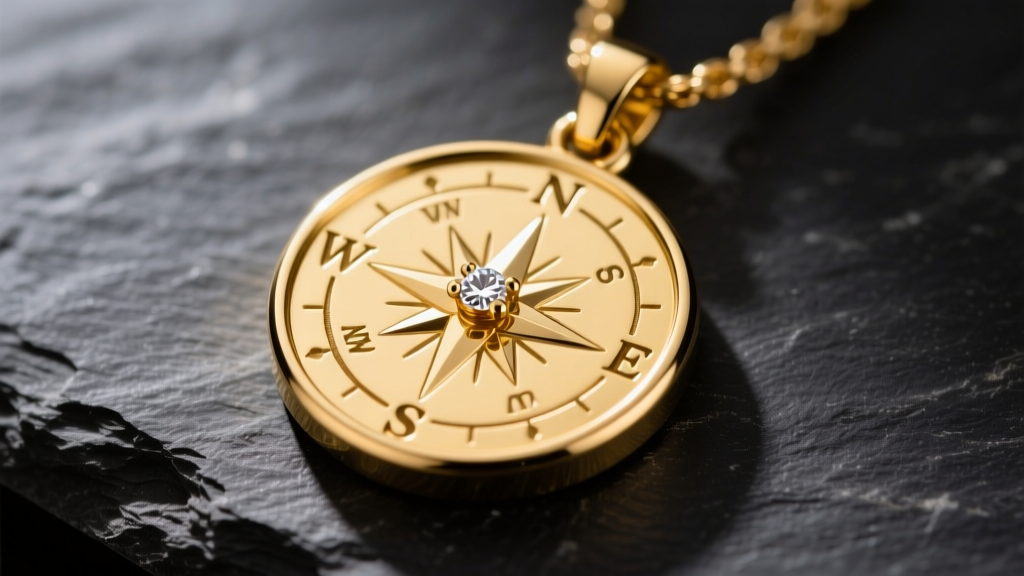
Decoding the True Value of 14k Gold Compass Pendants
The compass necklace has long transcended its origins as a mere travel motif to become a staple of fine jewelry, symbolizing guidance, adventure, and personal direction. However, as the market floods with mass-produced alternatives, distinguishing a genuine heirloom piece from an overpriced trinket requires a keen eye for metallurgy and craftsmanship. When evaluating a 14k gold compass necklace, you are looking at an alloy composed of exactly 58.5% pure gold and 41.5% secondary metals like copper, silver, and zinc. According to the Gemological Institute of America (GIA), this specific ratio provides the ideal balance between the rich, warm luster of pure gold and the structural rigidity required to protect the delicate moving parts or enamel dials of a compass pendant.
In 2026, with precious metal markets experiencing notable volatility, understanding the intrinsic melt value versus the artisan craftsmanship premium is critical for savvy buyers. A standard 15mm to 25mm compass pendant typically weighs between 3.5 and 8 grams. If a retailer is charging luxury prices for a sub-2-gram pendant, you are paying for marketing, not materials.
The Pricing Matrix: What Should You Actually Pay?
To accurately assess budget and value, we must segment the market into three distinct tiers. The following table outlines what you should expect to pay based on current gold premiums, manufacturing techniques, and material integrity.
| Market Tier | Weight Range | Dial Material | Estimated Price Range | Value Verdict |
|---|---|---|---|---|
| Budget / Mass Market | 1.5g - 3.0g | Epoxy Resin / Paint | $180 - $350 | Poor long-term value; hollow casts and cold enamel chip easily. |
| Mid-Tier Artisan | 4.0g - 7.5g | Vitreous Enamel / MOP | $550 - $950 | The sweet spot for durability, daily wear, and intrinsic gold value. |
| Luxury / Heirloom | 8.0g - 15.0g+ | Diamond Accents / Sapphire | $1,400 - $3,800+ | High intrinsic value; features solid casting and precision gem-setting. |
The 2026 Value Rule of Thumb: Calculate the pendant's melt value (weight in grams × current 14k spot price per gram). A fair retail markup for quality craftsmanship ranges from 2.5x to 4x the melt value. Anything beyond a 6x multiplier without significant gemstone inclusions is an inflated brand tax.
Solid Cast vs. Hollow Electroformed: The Hidden Value Trap
The most common point of failure in budget-friendly compass necklaces is the manufacturing method. Many commercial jewelers utilize electroforming or hollow casting to create voluminous, 25mm compass pendants that weigh a mere 2 grams. While this reduces the upfront gold cost, it creates a structural nightmare. Hollow pendants are highly susceptible to denting if dropped on a hard surface, and once the outer shell is compromised, the piece is virtually unrepairable by a bench jeweler.
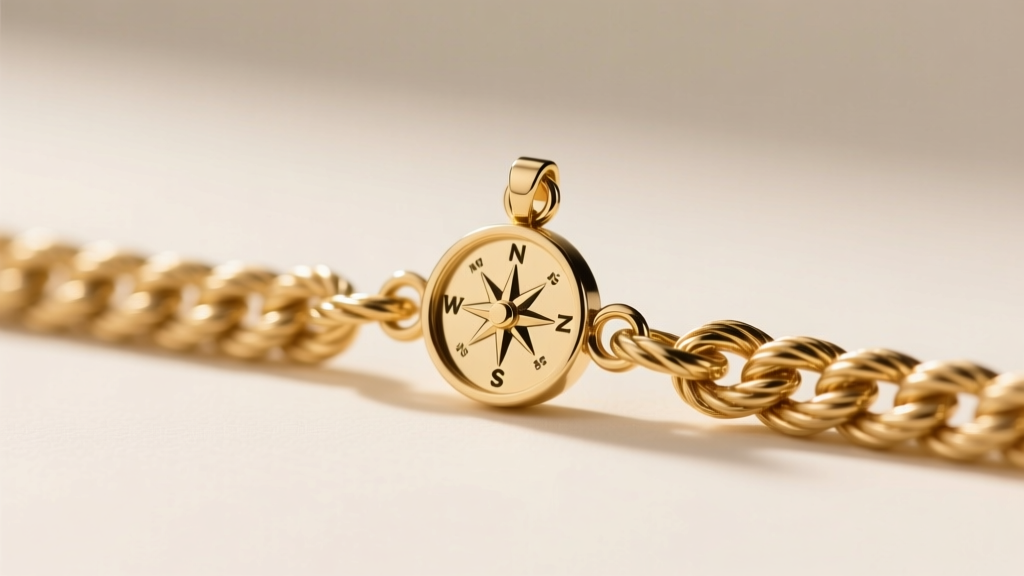
Conversely, a solid cast or die-struck 14k gold compass pendant will feel substantial on the chain. Solid casting ensures that the intricate cardinal direction engravings (N, S, E, W) remain sharp and that the bail—the loop connecting the pendant to the chain—can withstand the friction of daily wear without wearing through. When budget allows, always prioritize a smaller, solid 18mm pendant over a larger, hollow 25mm alternative.
Evaluating the Compass Dial: Enamel, Gemstones, or Engraving?
The face of the compass dictates both its aesthetic longevity and its resale value. There are three primary dial treatments you will encounter:
- Cold Enamel (Epoxy Resin): Common in budget tiers. It is essentially a hardened plastic poured into the recessed gold markings. Over time, UV exposure and contact with perfumes or lotions will cause epoxy to yellow, crack, or peel away from the gold bezel.
- Vitreous Enamel: The hallmark of mid-to-high-tier jewelry. This is crushed glass fused to the gold at temperatures exceeding 1,400°F. Vitreous enamel is impervious to water, chemicals, and UV light, ensuring the compass dial remains vibrant for generations.
- Mother of Pearl (MOP) & Gemstone Inlays: Premium compass necklaces often feature a MOP base dial, which provides an iridescent, natural background for the gold compass rose. High-end iterations may use pavé-set diamonds at True North or a bezel-set sapphire in the center pivot.
Chain Pairing: Weight Ratios and Bail Sizing
A frequent mistake buyers make is pairing a heavy, solid gold compass pendant with a delicate, lightweight chain. This not only looks visually unbalanced but accelerates chain degradation. The friction of a heavy pendant rubbing against a thin chain will act like a saw, eventually snapping the links at the clasp or the bail.
The Golden Ratio of Chain Pairing: Your chain should weigh at least 30% to 50% of the pendant's total weight. If your 14k gold compass pendant weighs 6 grams, opt for a chain that weighs at least 2 to 3 grams. For a standard 6mm bail on a compass pendant, a 1.5mm to 2.0mm box chain or rope chain crafted in 14k gold provides the necessary tensile strength. Always inspect the clasp; a lobster clasp is vastly superior to a spring-ring clasp for pendants exceeding 5 grams, as the internal spring mechanism in a spring-ring is prone to failure under heavy loads.

Authenticity Checks: Hallmarks and FTC Guidelines
Before finalizing any purchase, verify the metal's authenticity. The Federal Trade Commission (FTC) Jewelry Guides mandate that gold alloys sold in the United States must be accurately stamped. Look for the '14K' or '585' hallmark, usually located on the back of the compass pendant or on a small metal tag near the chain's clasp.
However, a stamp alone is not a guarantee of authenticity in the secondary market. Reputable sellers will also include a Maker's Mark—a unique stamp identifying the manufacturer or the assay office. If you are buying vintage or second-hand, request an acid test or an X-ray fluorescence (XRF) scan from a local bench jeweler to verify that the copper-to-gold ratio aligns with true 14k standards, ensuring you aren't overpaying for heavily plated base metals.
Final Verdict: Is the Investment Worth It?
A 14k gold compass necklace is an excellent investment in both personal sentiment and wearable art, provided you navigate the pricing tiers wisely. Avoid the trap of oversized, hollow-cast pendants with epoxy dials. Instead, direct your budget toward a solid-cast, vitreous enamel or Mother of Pearl piece in the 4-gram to 7-gram range, suspended on a proportional box or rope chain. By focusing on metallurgical integrity and structural durability, you secure a piece that will not only retain its intrinsic gold value but also serve as a resilient, meaningful companion for decades of travel and daily wear.


