Gold Filled Necklace 14k: 2026 Value & Budget Assessment
Discover if a gold filled necklace 14k is worth your budget in 2026. We compare pricing, longevity, and failure modes against vermeil and solid gold.

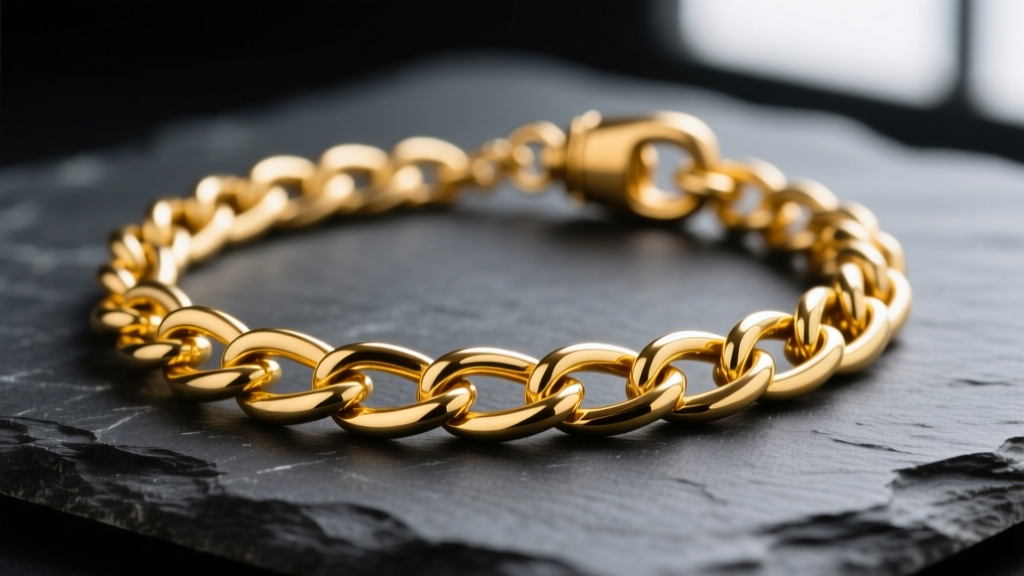
With the spot price of gold reaching unprecedented highs in 2026, building a luxury jewelry collection on a moderate budget requires strategic material choices. For many buyers, the gold filled necklace 14k has emerged as the ultimate middle ground between disposable fast-fashion jewelry and prohibitively expensive solid gold. But does the math actually hold up when you factor in longevity, wearability, and resale value?
In this comprehensive 2026 value assessment, we strip away the marketing jargon to examine the metallurgical reality, realistic pricing brackets, and common failure modes of 14k gold filled chains and pendants. Whether you are layering delicate chokers or investing in a heavy rope chain, understanding the exact composition of your jewelry is the only way to protect your budget.
The Metallurgical Reality: What Makes It "Gold Filled"?
The term "gold filled" is not a marketing invention; it is a strictly regulated legal definition enforced by the Federal Trade Commission (FTC). For a piece to be legally sold as gold filled in the United States, the outer layer of karat gold must constitute at least 1/20th (or 5%) of the total weight of the metal item.
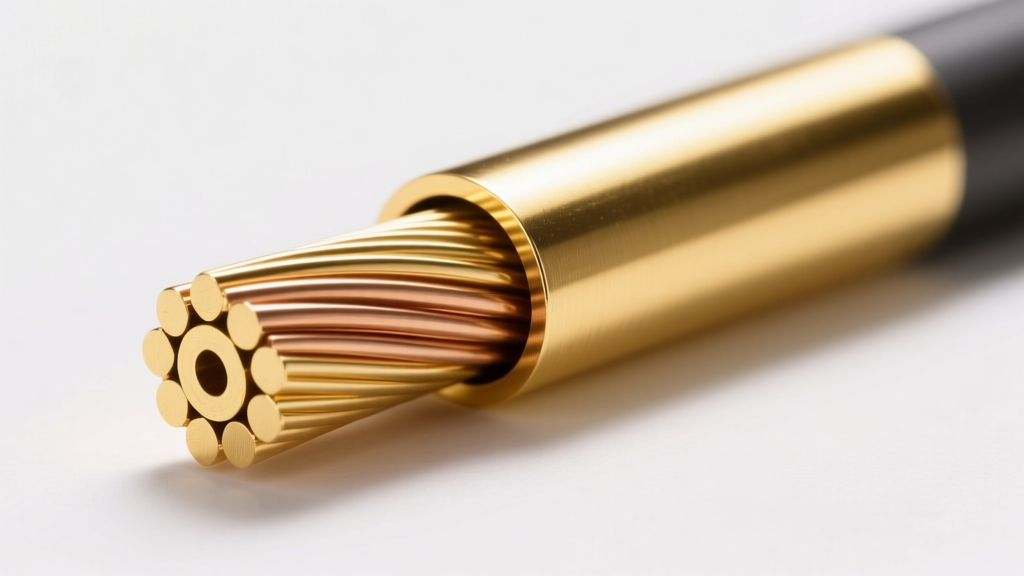
Unlike electroplated jewelry, which uses an electrical current to deposit a microscopically thin layer of gold (often less than 0.5 microns), gold filled jewelry is created through a mechanical bonding process. A sheet of solid 14k gold is placed over a core of base metal—typically jeweler's brass (an alloy of 70% copper and 30% zinc)—and subjected to extreme heat and pressure. This fuses the two metals at a molecular level, resulting in a gold layer that is typically 50 to 100 times thicker than standard gold plating.
Single Clad vs. Double Clad
When shopping for a gold filled necklace 14k, you will encounter two manufacturing variations:
- Single Clad: The 14k gold layer is applied to only one side of the brass core. This is common in sheet metal pendants and lockets.
- Double Clad: The gold is distributed on both sides of the core (or entirely wrapping a wire core). Most high-quality gold filled chain necklaces and wire-wrapped pendants are double clad, ensuring the gold exterior is continuous and the brass core is completely sealed.
2026 Market Pricing: What Should You Actually Pay?
One of the most common traps for consumers is overpaying for gold filled jewelry that is being marketed as "boutique luxury." While a gold filled necklace 14k offers exceptional value, it is still fundamentally a brass-core product. Here is a realistic breakdown of what you should expect to pay for a standard 18-inch, 2mm cable chain in the current 2026 market.
| Material Type | Average 2026 Price (18" Cable Chain) | Gold Layer Thickness | Expected Lifespan (Daily Wear) |
|---|---|---|---|
| Flash Gold Plated (Brass Base) | $15 - $28 | < 0.5 microns | 3 - 6 months |
| Gold Vermeil (Sterling Silver Base) | $45 - $85 | 2.5+ microns | 1 - 3 years |
| 14k Gold Filled (Brass Base) | $35 - $65 | 5.0+ microns (1/20th weight) | 5 - 15+ years |
| Solid 14k Gold | $280 - $450+ | Solid throughout | Lifetime / Heirloom |
If a retailer is charging over $120 for a simple, lightweight gold filled chain without an intricate gemstone pendant, you are paying for brand markup, not material value. Conversely, if you see a "14k gold filled" chain selling for $12, it is almost certainly mislabeled flash plating.
Longevity and Failure Modes: The Brass Core Dilemma
According to the Gemological Institute of America (GIA), the durability of gold jewelry is heavily dependent on its alloy composition and underlying structure. While the 14k gold exterior of a gold filled necklace is highly resistant to tarnish, the piece is not invincible. Understanding its failure modes is critical for budget-conscious buyers.
1. Galvanic Corrosion and Sweat
The primary enemy of gold filled jewelry is not water, but the acidic pH of human sweat combined with friction. Over years of daily wear, the gold layer at high-friction points (like the clasp mechanism or the back of a pendant resting against the collarbone) can eventually wear thin. Once the brass core is exposed, the copper in the brass reacts with oxygen and skin acids, leading to localized tarnishing and the dreaded "green skin" effect.
2. Chemical Stripping
Exposing your gold filled necklace 14k to harsh chemicals—such as chlorine in swimming pools, sulfur in hot springs, or abrasive exfoliating acids (like glycolic or salicylic acid) in your skincare routine—can cause micro-pitting in the gold alloy. While the gold won't flake off like cheap plating, it can lose its luster and become dull or slightly reddish as the underlying brass begins to show through the microscopic scratches.
Pro-Tip for 2026: To maximize the lifespan of your gold filled chains, adopt the "last on, first off" rule. Put your necklace on after applying perfumes, lotions, and sunscreen, and remove it immediately upon returning home before showering or working out.
Vermeil vs. Gold Filled: Which Offers Better ROI?
A frequent question in budget jewelry circles is whether gold vermeil (gold plated over sterling silver) is superior to gold filled. From a pure longevity standpoint, a high-quality gold filled necklace 14k wins. The mechanical bonding of gold filled metal makes it vastly more resistant to chipping and peeling than the electroplated layer on vermeil.
However, vermeil has one distinct advantage: the base metal. If the gold layer on a vermeil necklace eventually wears off, you are left with a solid sterling silver chain, which holds intrinsic scrap value and can be easily polished or re-plated. If a gold filled necklace wears through, you are left with jeweler's brass, which has virtually zero resale value. For pendants and lockets that experience low friction, gold filled is the undisputed king of value. For chains that endure high friction, heavy vermeil or saving up for solid gold may offer a better multi-decade return on investment.
The Authenticity Checklist: Spotting the Real Deal
Because the price gap between gold filled and solid gold is so vast, the market is unfortunately flooded with mislabeled items. Use this checklist to verify the authenticity of your gold filled necklace 14k before purchasing.
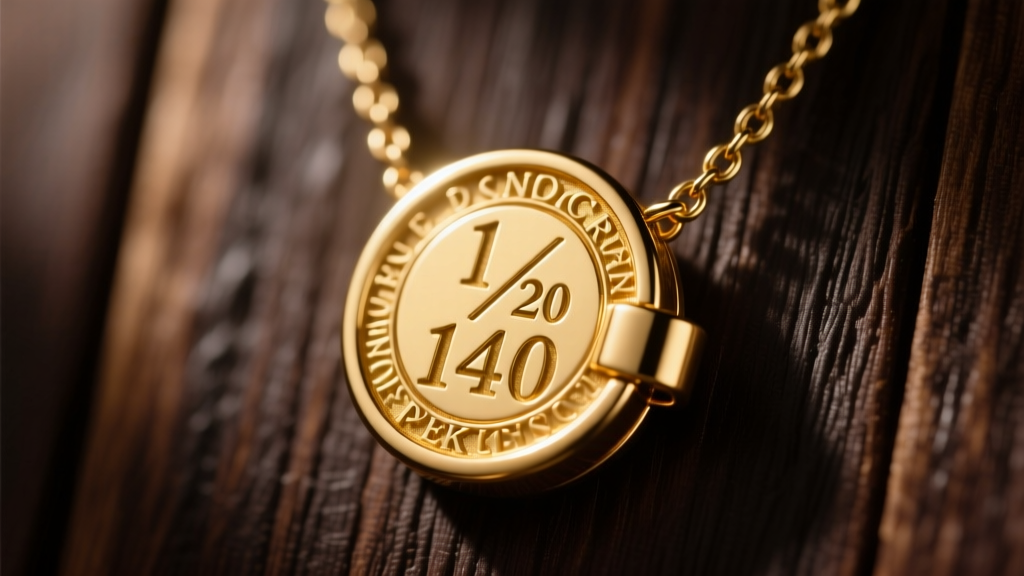
- Check the Stamp: Authentic pieces will be stamped with 1/20 14K GF or 14/20 GF. If it only says "14k HGE" (Heavy Gold Electroplate) or "14k GP" (Gold Plated), it is not gold filled.
- The Weight Test: Gold is a remarkably dense metal (19.3 g/cm³), while brass is significantly lighter (around 8.5 g/cm³). A genuine gold filled chain will feel noticeably heavier and more substantial than a flash-plated brass chain of the exact same dimensions.
- The Magnet Test: Neither 14k gold nor jeweler's brass is magnetic. If your necklace clings to a strong neodymium magnet, the core is likely made of steel or iron, meaning it is definitively not true gold filled jewelry.
- Examine the End Caps: Look closely at where the chain meets the clasp. On poorly made or counterfeit items, you may see a seam where the gold plating is pooling or flaking. True gold filled wire is drawn and cut, meaning the gold layer wraps seamlessly around the core.
The Final Verdict: Is It Worth Your Budget?
For the vast majority of jewelry enthusiasts, a gold filled necklace 14k represents the absolute pinnacle of budget-to-value ratio in 2026. It allows you to achieve the rich, warm luster of solid 14k gold and enjoy years of tarnish-resistant wear without the anxiety of losing a $400 solid gold chain at the beach or gym. By understanding the FTC regulations, respecting the material's limitations regarding friction and chemicals, and buying from transparent retailers, you can build a stunning, layered necklace wardrobe that looks and feels like heirloom luxury, at a fraction of the cost.


