The Necklace of Tongues: 2026 Avant-Garde Gift Guide
Discover the ultimate 2026 gift guide for the necklace of tongues. Explore surrealist art jewelry, material grades, and styling tips.

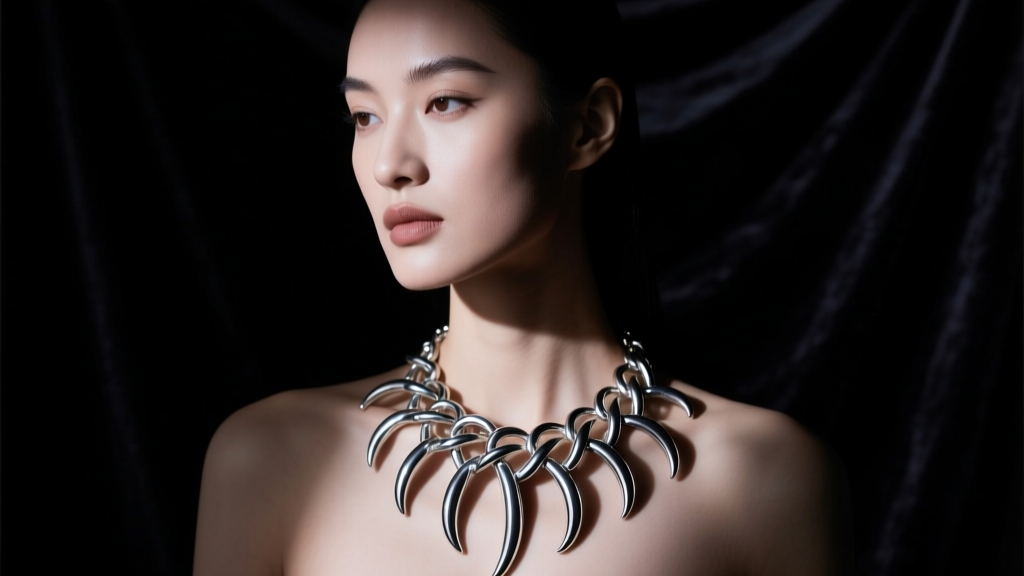
The Renaissance of Surrealist Anatomy in High Jewelry
When it comes to gifting jewelry that transcends mere adornment and enters the realm of wearable art, few motifs are as arresting, provocative, and deeply symbolic as the necklace of tongues. In 2026, the neo-surrealist movement in contemporary jewelry has fully embraced anatomical motifs, moving past the shock value of the 1990s avant-garde runway era into refined, highly engineered pieces of art jewelry. Gifting a necklace of tongues is not for the traditionalist; it is a deliberate choice for the fashion subversive, the art collector, and the bold communicator.
Historically, anatomical jewelry traces its lineage back to Elsa Schiaparelli’s collaborations with surrealist artists in the 1930s, and later, the visceral runway collaborations between Alexander McQueen and jeweler Shaun Leane. Today, the tongue motif represents sensory indulgence, radical self-expression, and the breaking of taboos. As a gift, it signals a deep understanding of the recipient’s avant-garde sensibilities and their appreciation for boundary-pushing design.
Material Science: Crafting the Anatomical Motif
Creating a hyper-realistic or stylized necklace of tongues requires advanced metallurgical and sculptural techniques. The deep undercuts, filiform papillae textures, and organic curves of the tongue present unique challenges in jewelry manufacturing. Understanding these materials is crucial when selecting a high-quality piece for a discerning recipient.
The Shift to Argentium Silver
While standard 925 sterling silver is common, it is highly prone to firescale and rapid tarnishing, especially in the deep, hard-to-polish crevices of an anatomical casting. Top-tier contemporary jewelers now utilize Argentium 935 or 960 silver. The addition of germanium creates a transparent germanium dioxide layer on the surface during the casting process. This prevents firescale entirely and drastically slows tarnish, ensuring that the intricate textures of the tongue motif remain pristine without requiring constant, abrasive polishing that could wear down the sculptural details over time.
Cold Enamel vs. Vitreous Enamel for Mucosal Effects
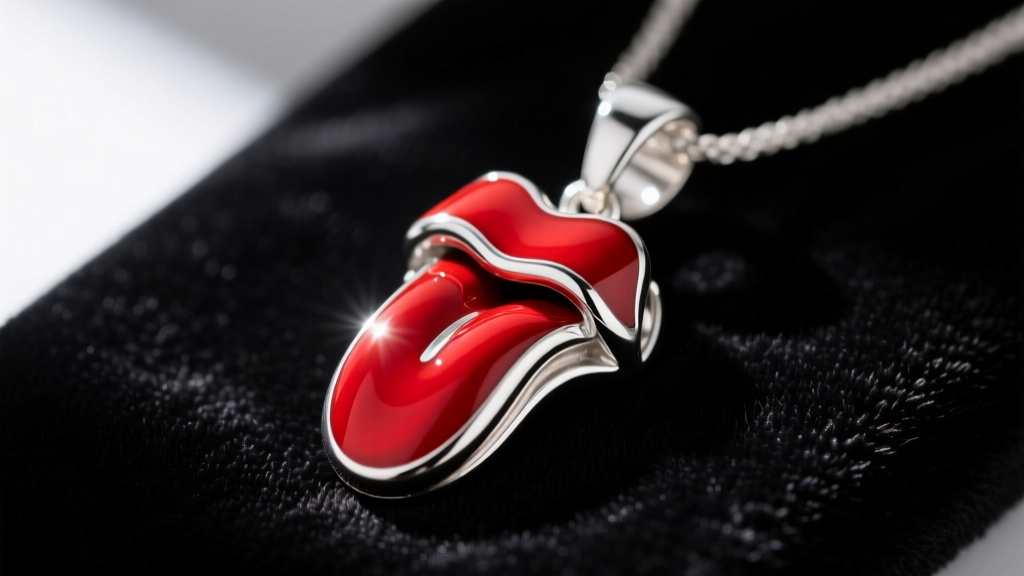
To achieve the lifelike, wet appearance of oral mucosa, artisans must carefully choose their coloring agents. Vitreous enamel (glass fused to metal at 800°C) is durable but poses a risk of thermal shock and warping when applied to complex, varying-thickness 3D-printed master waxes. Instead, the 2026 standard for anatomical art jewelry is optical-grade cold enamel (a specialized jewelry epoxy resin). Cold enamel cures at low temperatures, allowing the jeweler to build up translucent, layered washes of crimson, magenta, and pink. This technique captures the light just beneath the surface, mimicking biological tissue with uncanny accuracy.
Gifting Framework: Matching the Recipient
The necklace of tongues is not a monolith; it spans various design philosophies and price points. Use this decision matrix to match the perfect piece to your recipient’s specific aesthetic profile.
| Recipient Profile | Ideal Design Variation | Material Recommendation | Price Range (USD) |
|---|---|---|---|
| The Art Collector | Hyper-realistic anatomical casting with vitreous enamel accents | 18k Yellow Gold & Plique-à-jour | $4,500 - $12,000 |
| The Fashion Subversive | Oversized, elongated tongue motif with oxidized crevices | Argentium 935 Silver & Cold Enamel | $800 - $2,200 |
| The Minimalist Edge | Abstracted, geometric tongue silhouette on a heavy curb chain | Surgical Steel & Matte Black PVD | $250 - $600 |
Styling the Statement: Necklines and Occasions
Anatomical jewelry demands negative space; it is a sculpture, not a mere accessory. The visual weight and provocative nature of a necklace of tongues dictate how it should be styled. Gifting the piece is only half the equation; providing styling context elevates the gift experience.
- The Plunging V-Neck: The most classic pairing. A deep V-neckline provides a fleshy, organic canvas that frames the pendant perfectly, allowing the anatomical curves to mirror the body’s natural lines.
- The Stark Turtleneck: For high-fashion contrast, wearing an oxidized silver or black PVD tongue necklace over a tight, black mock-neck or turtleneck creates a striking, editorial silhouette. The dark fabric absorbs light, making the metallic and enameled elements pop aggressively.
- Asymmetric Sheer Draping: For avant-garde galas or gallery openings, pairing the necklace with asymmetric, sheer organza blouses allows the piece to interact with the skin in unexpected, layered ways.
"When gifting anatomical jewelry, you are offering a conversation piece. The recipient must be prepared for the gaze of others, and the styling should reflect a confident ownership of that attention."
Preservation and Care for Enamel and Silver
Maintaining a necklace of tongues requires specific care protocols, particularly when cold enamel and intricate silver castings are involved. According to the GIA Silver Quality Guide, silver alloys require careful environmental control to prevent degradation, but the addition of resins complicates standard cleaning methods.
Avoiding Chemical Degradation
Cold enamel, while visually stunning, is essentially a hardened epoxy. It is highly susceptible to chemical clouding. Alcohol-based perfumes, hairsprays, and acetone-based removers will penetrate the microscopic pores of the resin, leading to an irreversible, cloudy haze. Advise the recipient to apply all fragrances and cosmetics at least 15 minutes before donning the necklace, ensuring the alcohol has fully evaporated.
Cleaning Protocols
Never use ultrasonic cleaners on a necklace featuring cold enamel. The high-frequency vibrations can micro-fracture the enamel bond if there are any subsurface air bubbles trapped during the curing process. Instead, use a mild, phosphate-free dish soap and distilled water. Gently agitate with a soft-bristled makeup brush (like a clean eyeshadow blending brush) to reach the deep crevices of the tongue’s underside without scratching the silver or the enamel finish. Dry immediately with a microfiber cloth to prevent water spots.
Where to Source Authentic Pieces in 2026
Sourcing a genuine, high-quality necklace of tongues requires looking beyond mainstream commercial jewelers. The best pieces are found in the contemporary art jewelry sector. Platforms like the Art Jewelry Forum are excellent starting points for discovering independent artisans who specialize in neo-surrealist and anatomical motifs. Additionally, specialized contemporary galleries in fashion hubs like Antwerp, London, and Tokyo frequently commission limited-run anatomical collections.
When purchasing, always request the CAD renderings or the master wax mold photographs. A true artisan will be transparent about their spruing strategy and casting methods, proving that the piece was engineered for structural integrity and not merely 3D-printed in brittle metal. By selecting a piece with this level of provenance and material excellence, you are gifting not just a necklace, but a meticulously crafted artifact of 2026’s most fascinating jewelry movement.


