Nita Ambani Emerald Necklace: Care & Cleaning Tips
Discover expert care, cleaning, and maintenance tips for your Nita Ambani emerald necklace. Learn how to protect oiled emeralds and heavy gold settings.

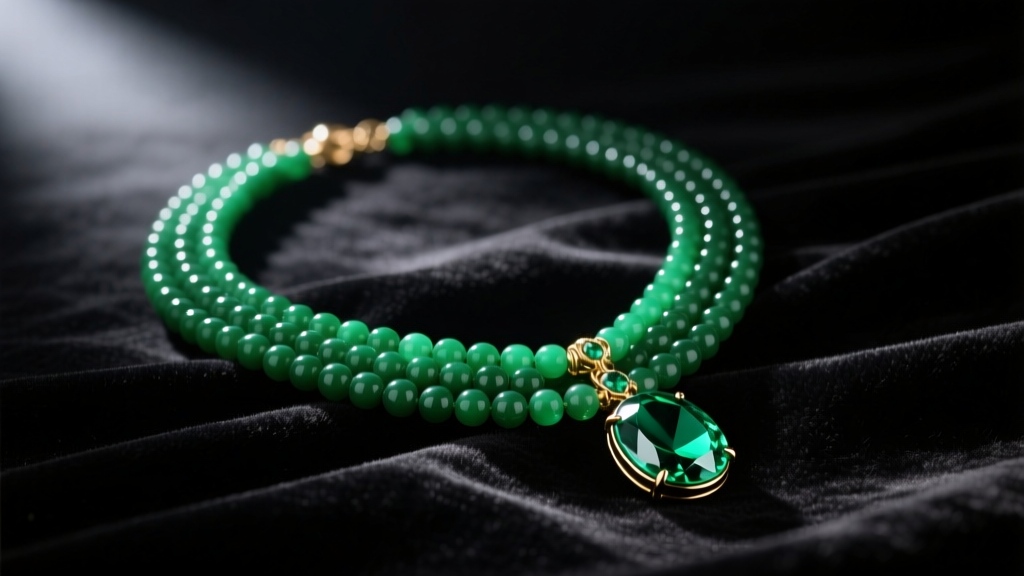
The Allure and Vulnerability of High-Jewelry Emeralds
Nita Ambani’s jewelry collection is globally celebrated, particularly her breathtaking emerald necklaces that frequently feature multi-strand beads, massive cabochon centerpieces, and intricate diamond accents. Whether you are investing in a natural Colombian emerald piece inspired by her iconic NMACC gala appearances or maintaining a high-quality heirloom replica, caring for these statement pieces requires specialized gemological knowledge. Emeralds are not like diamonds or sapphires; their unique internal structure and the treatments used to enhance them demand a meticulous, highly specific approach to cleaning and storage.
The "Ambani aesthetic" in high jewelry relies on bold volume, deep green saturation, and complex multi-strand constructions. However, the very characteristics that make these necklaces so visually striking also make them inherently vulnerable to improper maintenance. Using the wrong cleaning technique can permanently cloud a natural emerald, degrade the silk threading of a multi-strand piece, or loosen the heavy gold bezels that secure massive cabochon stones. This comprehensive guide will walk you through the exact protocols required to maintain the brilliance and structural integrity of high-carat emerald necklaces.
The Gemological Reality: Jardin and Fracture Filling
To properly care for an emerald necklace, you must first understand its internal anatomy. Emeralds belong to the beryl family and rank between 7.5 and 8 on the Mohs scale of hardness. While this makes them relatively hard, they are notoriously brittle due to their natural inclusions, known in the gemological world as jardin (French for garden). These internal fractures and fissures are a natural part of the stone's formation but significantly impact its durability and clarity.
Because of the jardin, the vast majority of natural emeralds on the market—including those used in high-jewelry pieces reminiscent of Nita Ambani's collection—undergo fracture filling. According to the Gemological Institute of America (GIA), cedar oil is the traditional and most widely accepted filler used to mask surface-reaching fractures, improving the stone's apparent clarity and stability. Modern treatments may also use synthetic resins like Opticon. The critical takeaway for jewelry owners is that these fillers are highly sensitive to heat, ultrasonic vibrations, and harsh chemicals. Stripping the oil from an emerald will cause the fractures to become visible again, resulting in a cloudy, opaque appearance and a structurally compromised gemstone.
The Step-by-Step Cleaning Protocol
Cleaning an emerald necklace inspired by high-jewery archives requires a gentle, manual approach. You must avoid any automated cleaning systems. Follow this precise protocol to safely remove skin oils, cosmetic residues, and environmental dust from your emerald and gold pieces.
- Prepare a Mild Solution: Fill a small glass bowl with lukewarm (never hot) distilled water. Add two drops of a pH-neutral, fragrance-free dish soap. Avoid any soaps containing moisturizers, citrus extracts, or harsh degreasers.
- Soak Briefly: Submerge the necklace for no more than three to five minutes. Prolonged exposure to water, especially for multi-strand necklaces, can weaken the silk or nylon threading holding the beads together.
- Agitate Gently: Use a brand-new, ultra-soft baby toothbrush to gently sweep away debris from the back of the gemstones and the intricate gold settings. Brush in light, circular motions, taking care not to apply pressure directly to the emerald's table or cabochon dome.
- Rinse with Distilled Water: Rinse the piece under a gentle stream of room-temperature distilled water. Tap water contains chlorine and hard minerals that can leave a dulling film on both the emerald and the gold settings.
- Dry Meticulously: Pat the necklace dry with a lint-free microfiber cloth. Use a wooden toothpick or a dry, soft cotton swab to carefully wick away any remaining moisture from beneath the gemstone settings and the clasp mechanisms.
Cleaning Agents and Methods: What to Avoid
The most common way high-value emerald necklaces are permanently damaged is through the use of commercial jewelry cleaning methods that are perfectly safe for diamonds but catastrophic for emeralds. Below is a definitive guide to what you must keep away from your high-jewelry pieces.
| Cleaning Method | Safety for Emeralds | Gemological Reason |
|---|---|---|
| Ultrasonic Cleaners | NEVER USE | High-frequency cavitation vibrations will shatter the brittle emerald or violently expel the cedar oil filler from the jardin. |
| Steam Cleaners | NEVER USE | Thermal shock from sudden heat can cause internal fractures to expand, splitting the stone. Heat also melts and evaporates fracture fillers. |
| Ammonia / Bleach | NEVER USE | Harsh alkaline chemicals will strip the oil treatment and can permanently etch the surface of the emerald and damage gold alloys. |
| Mild Soap & Lukewarm Water | SAFE | The only approved method for routine home maintenance of oiled emeralds and high-karat gold settings. |
Maintaining Multi-Strand and Heavy Cabochon Settings
The hallmark of the Nita Ambani emerald necklace aesthetic is the use of multi-strand emerald beads culminating in a massive, often cabochon-cut, centerpiece. These structural elements require specialized mechanical maintenance that goes beyond simple gemstone cleaning.
Multi-strand necklaces are typically strung on high-grade silk or synthetic nylon threads. Over time, the natural acidity of human skin, combined with the immense gravitational pull of heavy emerald beads, causes these threads to stretch, fray, and degrade. If you own a multi-strand emerald piece, it must be professionally restrung every 18 to 24 months, depending on how frequently it is worn. A jeweler should use knotted silk between each bead to prevent total loss in the event of a strand break.

Furthermore, heavy cabochon emeralds are usually secured in gold bezels or robust prong settings. The weight of a 50-carat cabochon places immense stress on the metal. Every six months, a master jeweler must inspect the bezel walls or prong tension using a loupe to ensure the metal has not warped or pulled away from the stone's girdle. Never lift a heavy necklace by its centerpiece; always support the weight of the pendant from underneath when handling or storing it.
Re-Oiling: Restoring the Emerald’s Luster
Even with meticulous care, the cedar oil used to treat natural emeralds will slowly dry out or evaporate over a period of several years. You can tell an emerald needs re-oiling when it begins to look noticeably drier, more opaque, or when white, web-like fractures suddenly become visible near the surface of the stone.
Re-oiling is not a DIY process. According to GIA care guidelines, attempting to oil an emerald at home using store-bought oils can introduce dust and impurities into the fractures, permanently ruining the stone's clarity. A certified gemologist must first gently clean the stone to remove old, degraded oil and trapped debris, then place it in a vacuum chamber with high-grade, colorless cedar oil to ensure deep, even penetration into the jardin. For high-value pieces, schedule a professional re-oiling and structural check-up every three to five years.
Expert Tip: Never apply lotions, perfumes, or hairspray while wearing an emerald necklace. The alcohol and chemicals in cosmetics will rapidly dissolve the stone's fracture-filling oils and leave a stubborn, dulling film on the gold settings.
Archival Storage for Statement Necklaces
Proper storage is the final pillar of high-jewelry maintenance. Emeralds, while hard, can be scratched by diamonds or sapphires, and they can easily scratch softer stones like pearls or opals. A heavy, multi-strand emerald necklace should never be tossed into a communal jewelry box where the gold links can tangle and the beads can grind against one another.
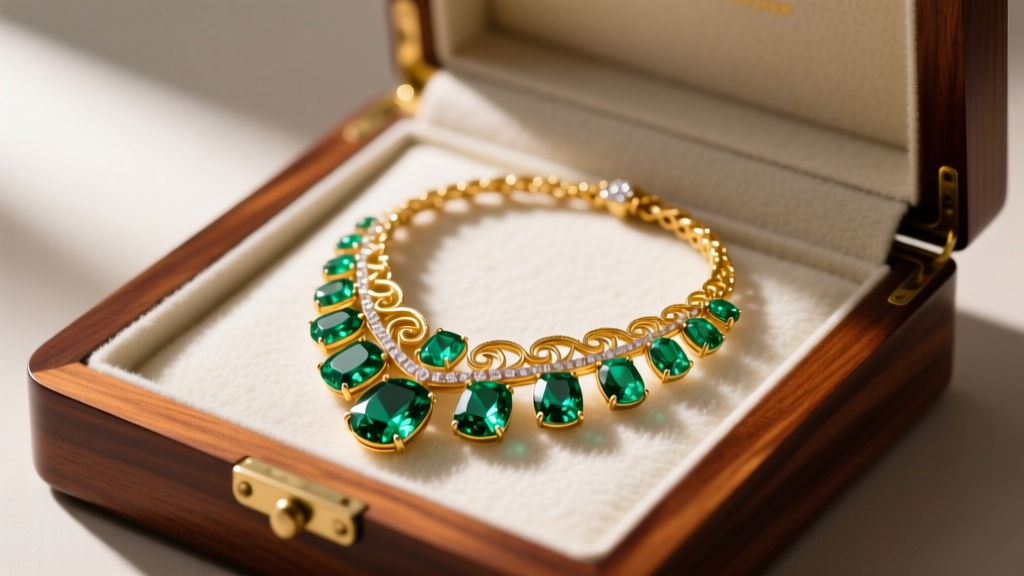
Store your emerald necklace flat in a dedicated, fabric-lined archival box. Hanging a heavy multi-strand necklace on a standard jewelry stand will place unnatural stress on the clasp and the topmost beads, accelerating thread degradation. Line the storage compartment with anti-tarnish treated flannel to protect the gold settings from sulfur-induced oxidation, especially if you live in a humid climate. Finally, maintain a stable environment; extreme fluctuations in temperature and humidity can cause the emerald's internal inclusions to expand and contract, potentially leading to structural failure.
Final Thoughts on High-Jewelry Maintenance
Owning a piece of jewelry that captures the opulent, emerald-drenched elegance of Nita Ambani’s collection is a privilege that requires disciplined stewardship. By respecting the delicate nature of the jardin, strictly avoiding ultrasonic and steam cleaners, and committing to routine professional inspections of the threading and gold settings, you ensure that your high-jewery necklace remains a flawless, vibrant heirloom for generations to come.