Bunny Necklace Gold Guide: Solid, Vermeil, and Plated
Compare bunny necklace gold materials. We analyze solid 14k, 18k, vermeil, and plated options for durability, casting detail, and price.

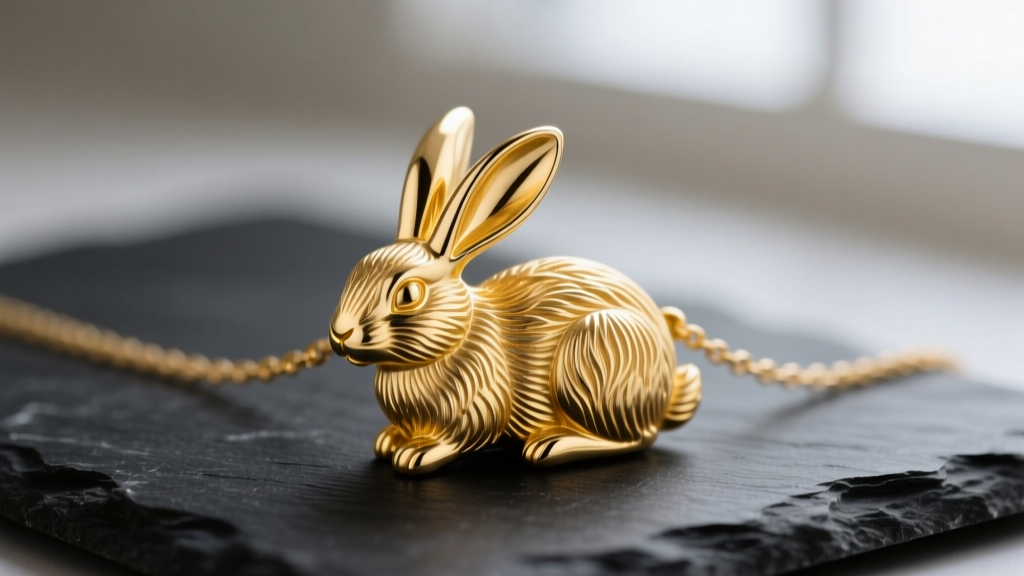
The bunny motif has remained a staple in fine and fashion jewelry for decades, symbolizing luck, renewal, and playful elegance. However, when searching for the perfect bunny necklace gold options can be overwhelmingly diverse. The market is flooded with terms like 'solid gold,' 'gold vermeil,' 'gold-filled,' and 'flash plated,' each representing vastly different manufacturing processes, lifespans, and price points. Because animal pendants often feature intricate details—such as delicate ear tips, textured fur, and tiny facial features—the choice of metal directly impacts how well these details survive daily wear.
In this comprehensive material guide, we break down the metallurgical properties, casting limitations, and long-term durability of the most common gold types used in bunny necklaces. Whether you are investing in an heirloom piece or buying a trendy seasonal accessory, understanding these material differences is critical for making an informed purchase in 2026.
The Anatomy of a Gold Bunny Pendant: Why Material Matters
Unlike simple geometric charms, a bunny pendant is a complex three-dimensional sculpture. Most high-quality gold bunny charms are created using lost-wax casting, a process where a wax model is encased in plaster, melted out, and replaced with molten metal. The fluidity, melting point, and hardness of the chosen gold alloy dictate how sharply the mold captures fine details like whiskers and paw pads.
Furthermore, the structural integrity of the pendant relies on the metal's tensile strength. A bunny with long, upright ears is highly susceptible to bending or snapping if caught on clothing. Therefore, the alloy composition is not just about color and price; it is a fundamental structural requirement for the design's longevity.
Solid Gold Karats: 10k, 14k, and 18k Compared
Solid gold is an alloy, meaning pure 24k gold is mixed with other metals like copper, silver, and zinc to increase durability. For intricate jewelry, the karat weight determines both the hue and the hardness, measured on the Vickers scale (HV).
14k Gold (58.5% Pure Gold)
With a Vickers hardness of approximately 140 HV, 14k gold is the industry standard for detailed cast pendants. The higher ratio of alloy metals provides excellent rigidity, ensuring that thin bunny ears and delicate bail loops resist bending. It also offers a warm, balanced yellow hue that flatters most skin tones. Expect to pay between $350 and $800 for a solid 14k gold bunny pendant, depending on the weight and brand.
18k Gold (75% Pure Gold)
18k gold is softer (around 130 HV) and features a richer, deeper yellow color due to its higher pure gold content. While it is highly resistant to tarnish and hypoallergenic, its softer nature makes it less ideal for pendants with extreme protrusions. If your bunny design features long, thin ears, 18k gold may warp over time under physical stress. Prices for 18k solid gold bunny necklaces typically range from $600 to over $1,200.
10k Gold (41.7% Pure Gold)
10k gold is the most durable and affordable solid gold option, but it contains more copper and zinc, which can cause skin irritation for those with metal sensitivities. It also has a slightly paler, less saturated yellow color. It is an excellent choice for heavy, chunky bunny charms that require maximum impact resistance.
The Plating Spectrum: Vermeil, Gold-Filled, and Flash Plated
For those seeking the look of gold without the solid gold price tag, plated alternatives are abundant. However, the terminology is often misused. The Federal Trade Commission (FTC) strictly regulates these terms to protect consumers from misleading marketing.
Gold Vermeil
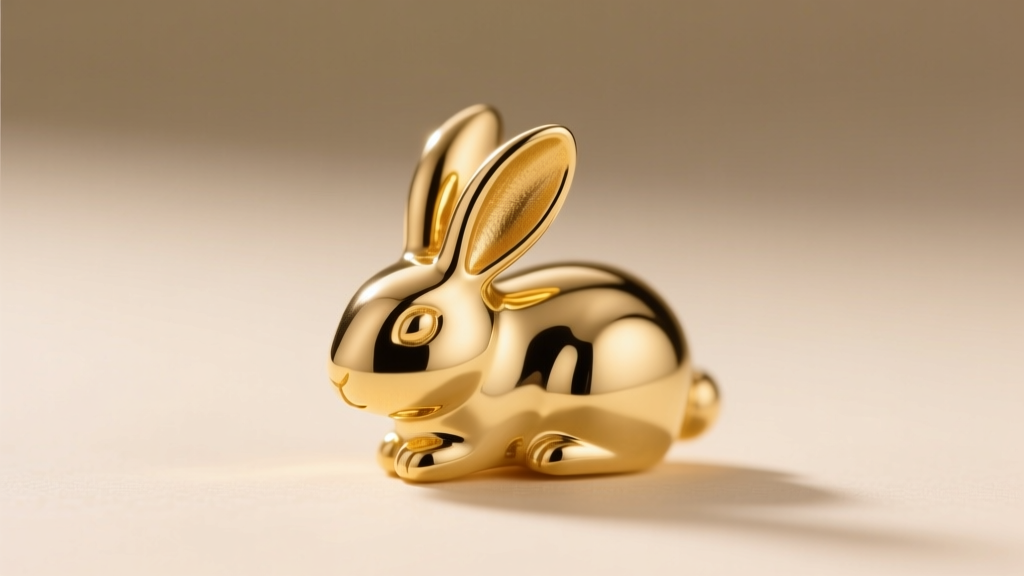
Vermeil (pronounced ver-may) is the highest quality of gold plating. By US standards, it must consist of a thick layer of gold (at least 2.5 microns) plated over a sterling silver (.925) base. Because sterling silver is a premium base metal, vermeil bunny necklaces are generally safe for sensitive skin, even if the gold eventually wears down. Brands like Mejuri and Gorjana frequently use vermeil for their detailed animal charms, with prices hovering between $120 and $250.
Gold-Filled
Gold-filled jewelry features a much thicker layer of gold (at least 5% of the total weight) that is mechanically bonded to a brass or copper core using heat and pressure. Crucial E-E-A-T Note: Gold-filled metal is produced in sheets and wire. It cannot be melted and cast into 3D shapes. Therefore, a 'gold-filled bunny pendant' is almost always a flat, stamped sheet-metal charm rather than a fully sculpted 3D figure. If a seller claims a complex, 3D cast bunny is gold-filled, they are likely misrepresenting the product.
Flash Plated (Gold Plated)
Standard gold-plated jewelry uses a brass or stainless steel base with a microscopic layer of gold (usually 0.03 to 0.1 microns). While highly affordable ($20 to $60), the gold layer will quickly wear away on high-friction areas, revealing the base metal beneath.
| Material Type | Gold Layer Thickness | Base Metal | 3D Casting Viability | Avg. Price Range |
|---|---|---|---|---|
| Solid 14k Gold | 100% (Solid) | N/A (Alloy) | Excellent | $350 - $800 |
| Solid 18k Gold | 100% (Solid) | N/A (Alloy) | Good (Softer) | $600 - $1,200+ |
| Gold Vermeil | Min. 2.5 microns | Sterling Silver | Excellent | $120 - $250 |
| Gold-Filled | Min. 5% by weight | Brass/Copper | Poor (Stamped only) | $40 - $90 |
| Flash Plated | 0.03 - 0.1 microns | Brass/Steel | Excellent | $20 - $60 |
Wear and Tear: How Gold Types Affect Intricate Details
The topography of a bunny pendant creates unique wear patterns. The nose, the tips of the ears, and the back of the charm experience the most friction against the skin and clothing. In solid gold, this friction results in a natural, soft patina over decades. You can safely use a jeweler's polishing cloth to restore the high-shine finish without compromising the metal.
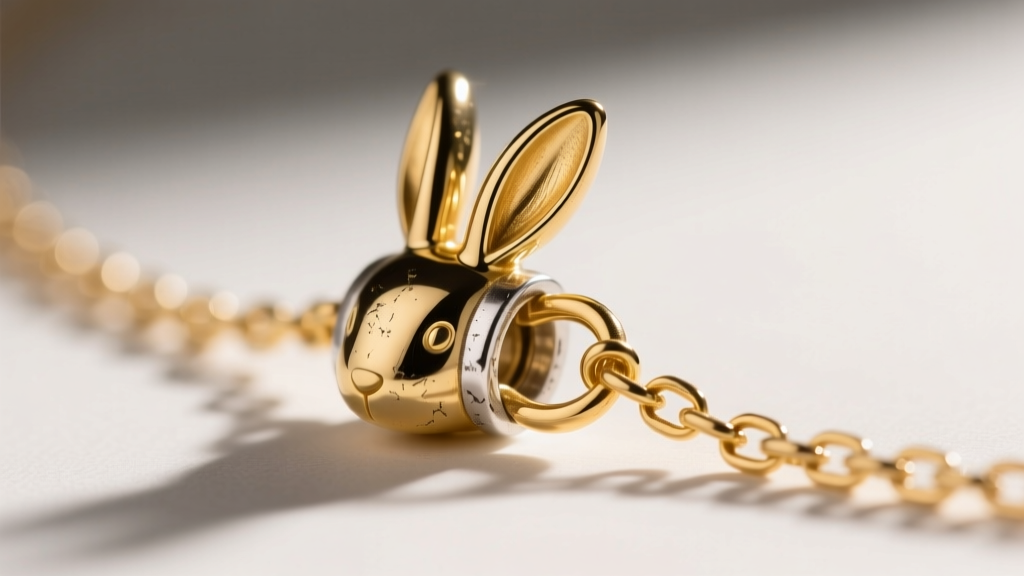
Conversely, polishing a gold vermeil or flash-plated bunny pendant is highly risky. Because the gold layer is measured in microns, aggressive rubbing with a polishing cloth will strip the gold right off the high points of the design. A plated bunny will often develop a 'bald' silver or brass nose within a year of daily wear. To preserve the details on plated pieces, you must avoid polishing entirely and rely only on gentle washing with mild soap and water.
Skin Sensitivity and Hypoallergenic Properties
The neck and décolletage are highly sensitive areas prone to contact dermatitis. According to the Gemological Institute of America (GIA), pure gold is hypoallergenic, but the alloy metals mixed into lower-karat golds can trigger reactions. Nickel is the most common culprit, though modern reputable jewelers largely avoid nickel in yellow gold alloys, opting for copper and silver instead.
If you have severe metal allergies, solid 18k gold or 14k gold from a verified, nickel-free source is your safest bet. Gold vermeil is the second-best option; if the gold plating wears through, the underlying sterling silver is generally well-tolerated by sensitive skin. Avoid flash-plated brass pieces, as the copper and zinc alloys can react with your skin's natural acids, leaving a green or black residue on your chest and causing severe itching.
Buying Framework: Matching Your Budget to the Right Gold Type
To ensure you get the best value for your specific needs, use this decision framework when shopping for a gold bunny necklace:
- For Heirloom & Daily Wear: Choose Solid 14k Gold. It offers the perfect balance of structural rigidity for delicate bunny ears, rich color, and lifetime durability. It can be passed down through generations.
- For Trend-Driven & Occasional Wear: Choose Gold Vermeil. If you want a chunky, detailed 3D bunny charm for seasonal wear or layering, vermeil provides the luxurious weight and look of solid gold at a fraction of the cost, provided you care for it properly.
- For Flat, Minimalist Charms: Choose Gold-Filled. If you prefer a simple, 2D silhouette of a bunny head rather than a sculpted figure, gold-filled stamped charms offer incredible longevity and will not flake or peel.
- For Fast Fashion & Costume Use: Choose Flash Plated. Reserve this for pieces you intend to wear only a handful of times. Keep them away from moisture and perfumes to extend their brief lifespan.
Care and Maintenance for Gold Bunny Pendants
Proper maintenance varies drastically by material. For solid gold bunny necklaces, an annual soak in a solution of warm water and a few drops of phosphate-free dish soap, followed by a gentle brush with a baby toothbrush, will remove lotion and dead skin buildup from the intricate fur texturing. Ultrasonic cleaners are generally safe for solid gold, provided the pendant does not contain fragile gemstone eyes (like opals or emeralds).
For vermeil and plated pieces, never use ultrasonic cleaners or chemical dips. The vibrations and harsh chemicals will accelerate the delamination of the gold layer. Instead, wipe the pendant gently with a damp microfiber cloth after wearing it to remove sweat and oils, and store it in an anti-tarnish pouch. By respecting the material properties of your jewelry, your gold bunny necklace will retain its charm and structural integrity for years to come.


