How Much Is 14kt Gold Necklace Worth? 2026 Melt Value & Appraisal
Discover how much a 14kt gold necklace is worth in 2026. Learn to calculate melt value, avoid pawn shop lowballs, and understand resale pricing.

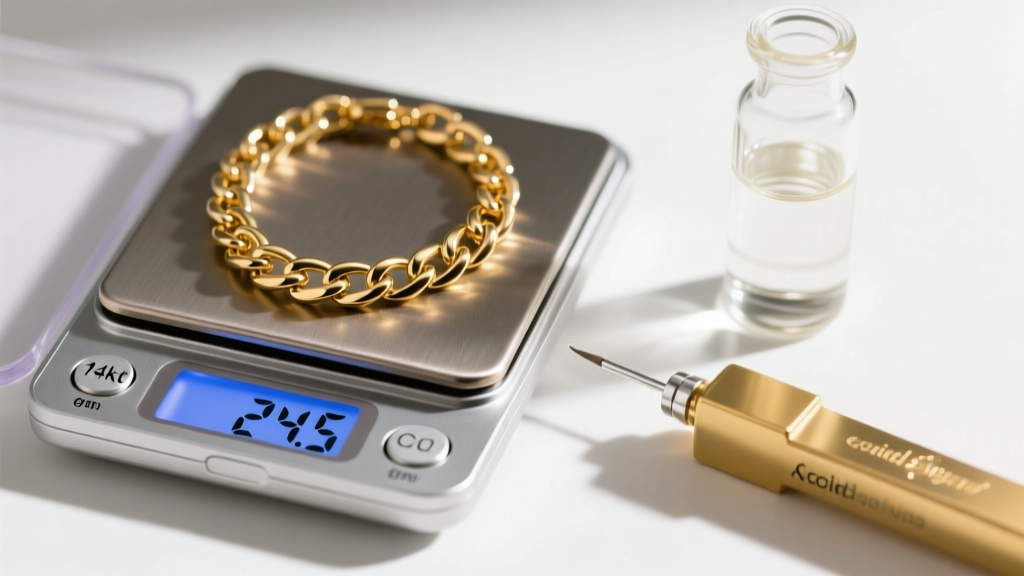
If you are asking, "how much is 14kt gold necklace worth?" you are likely preparing to sell, insure, or pawn a piece of jewelry and want to avoid being taken advantage of. In 2026, with gold spot prices experiencing significant volatility and hovering near historic highs, the gap between a necklace's retail replacement value and its actual cash melt value has never been wider. Uninformed sellers routinely lose hundreds of dollars by misunderstanding how gold buyers calculate payouts.
This troubleshooting guide cuts through the pawn shop smoke and mirrors. We will break down the exact mathematical formula for calculating 14k gold melt value, troubleshoot common valuation roadblocks like hidden steel weights and fake stamps, and provide a strategic framework for maximizing your return.
The Core Problem: Why Buyers Lowball Your 14k Gold
The most common frustration sellers face is the shock of a low appraisal. You might have paid $1,200 for a 14kt gold chain five years ago, only to be offered $350 by a local cash-for-gold kiosk. This discrepancy exists because retail jewelry pricing includes massive markups for design, brand prestige, manufacturing labor, and retail overhead.
When you sell a standard, unsigned 14kt gold necklace to a scrap buyer or pawn shop, they do not care about the craftsmanship. They are buying the raw material. 14-karat gold is an alloy composed of exactly 58.3% pure gold and 41.7% base metals (like copper, silver, nickel, or zinc). Buyers calculate their offers based strictly on the melt value of that 58.3% pure gold content, minus a processing margin that typically ranges from 15% to 60%.
Step-by-Step: Calculating the Exact Melt Value
To troubleshoot a bad offer, you must know your necklace's baseline melt value before walking into a buyer's shop. You need three things: a precise digital jewelry scale (measuring to 0.01 grams), the current 2026 live gold spot price, and a basic calculator.
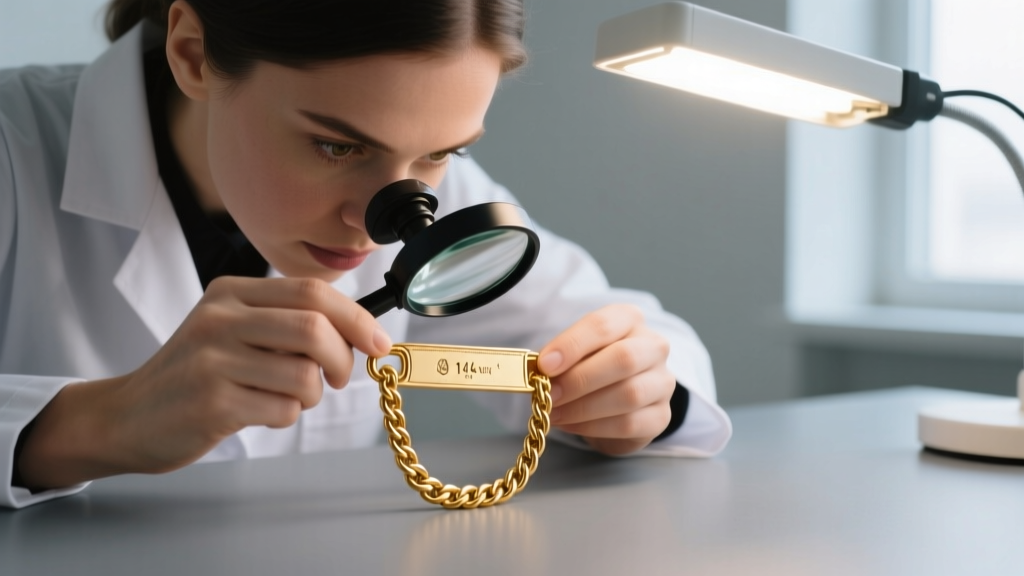
According to live market trackers like Kitco, the spot price of gold is quoted in Troy Ounces (ozt). One Troy Ounce equals exactly 31.103 grams. Here is the master formula to find your melt value:
- Find the Gram Price of 24k Gold: Divide the current spot price by 31.103.
- Apply the 14k Purity Multiplier: Multiply that gram price by 0.583 (the pure gold content of 14k).
- Multiply by Your Necklace's Weight: Multiply the 14k gram price by the weight of your chain.
2026 Melt Value Calculation Table
Note: The table below uses a hypothetical spot price of $2,250 per Troy Ounce for demonstration purposes. Always check live rates on the day of sale.
| Metric | Value / Formula | Example (24.5g Chain) |
|---|---|---|
| Current Spot Price (per oz) | $2,250.00 | $2,250.00 |
| Price per Gram (24k Pure) | $2,250 / 31.103 | $72.34 / gram |
| Price per Gram (14k Pure) | $72.34 * 0.583 | $42.17 / gram |
| Total Melt Value | 14k Gram Price * Weight | $1,033.16 |
| Pawn Shop Offer (approx. 60%) | Melt * 0.60 | $619.89 |
| Direct Refiner Offer (approx. 95%) | Melt * 0.95 | $981.50 |
Troubleshooting Common Valuation Roadblocks
If your math doesn't match the buyer's scale or offer, one of the following physical or chemical anomalies is likely skewing the valuation.
1. The Magnetic Clasp Trap
The most frequent reason a necklace weighs less in pure gold than the digital scale indicates is the clasp mechanism. Standard lobster claws and spring-ring clasps contain a tiny internal steel spring to make them snap shut. Steel is not gold. If you have a heavy 30-gram rope chain, the steel spring might only account for 0.1 grams. But on a delicate 3-gram chain, a 0.4-gram steel clasp means over 13% of your weighed metal is actually base steel. Reputable buyers will crush the clasp with pliers to remove the spring before final weighing, or use a strong rare-earth magnet to isolate the steel components. If a buyer doesn't account for the clasp, they are either sloppy or actively trying to shortchange you on the assay.
2. Hollow vs. Solid Chains (Electroforming)
Many modern 14kt gold necklaces, particularly thick Cuban links or large rope chains, are manufactured using an electroforming process that leaves the center hollow. While these chains are indeed solid 14k gold on the outside, they are incredibly fragile. If a hollow chain is dented, cracked, or filled with trapped dirt and skin oils, the weight calculation becomes problematic. Furthermore, some unscrupulous manufacturers inject a resin or tungsten core into hollow chains to add weight. A buyer will use a specific gravity test or an X-ray fluorescence (XRF) scanner to ensure the chain isn't weighted with hidden metals.
3. Decoding Stamps: 14k vs. 14KP vs. 14K HGE
Never trust a stamp blindly. The Federal Trade Commission (FTC) strictly regulates jewelry markings, but counterfeit stamps flood the secondary market. Here is how to triage your hallmarks:
- 14K or 585: The standard mark for 14-karat gold (58.3% pure).
- 14KP (Plumb Gold): The "P" stands for Plumb, meaning it is guaranteed to be at least 58.5% pure gold, with no negative tolerance. This is highly desirable and often found in vintage or high-end estate pieces.
- 14K HGE or 14K GF: Troubleshooting Alert! HGE means Heavy Gold Electroplate, and GF means Gold Filled. These are base metals (like brass or copper) with a microscopic outer layer of 14k gold. They have virtually zero melt value. If a buyer applies nitric acid to an HGE chain, the acid will eat through the plating and turn the solution a violent, milky green, instantly revealing the brass core.
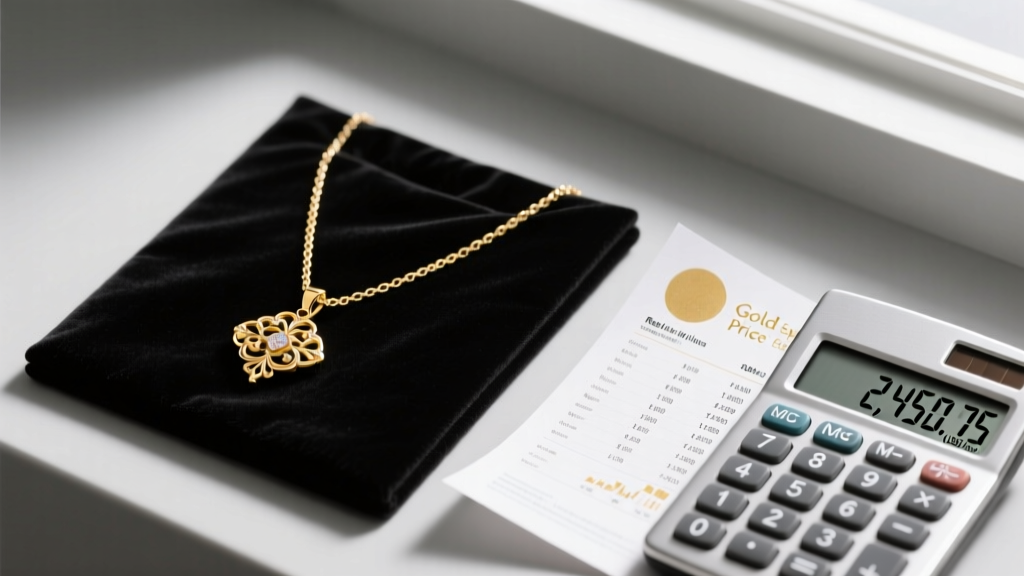
Melt Value vs. Resale Value: Where to Sell
Understanding how much your 14kt gold necklace is worth requires knowing who to sell it to. Melt value is the floor; resale value is the ceiling. According to the Gemological Institute of America (GIA), factors like brand provenance, antique status, and gemstone inclusions can elevate a piece above its scrap value.
- Pawn Shops & Cash-for-Gold Kiosks: Expect 40% to 65% of melt value. They have high overhead and assume the risk of holding and reselling the scrap. Best for immediate, emergency cash.
- Local Coin & Bullion Dealers: Expect 75% to 85% of melt value. They deal in precious metals daily, have lower overhead than pawn shops, and usually have direct accounts with large refineries.
- Online Precious Metal Refiners: Expect 90% to 98% of melt value. Companies that specialize in mail-in refining offer the closest payouts to the actual spot price, but they usually require minimum weights (e.g., 5 to 10 Troy ounces) and take a few days to process and pay out.
- Private Buyers & Estate Jewelers: If your necklace is a signed piece from a luxury house (e.g., Tiffany & Co., Bulgari, Cartier) or features high-quality diamonds, selling it for its resale value on platforms like eBay, Chrono24, or to a specialized vintage jeweler can yield 200% to 500% more than the raw melt value.
2026 Market Realities & Final Appraisal Checklist
As we navigate the 2026 precious metals market, geopolitical instability and shifting interest rates continue to keep gold prices highly reactive. Before you hand over your 14kt gold necklace, run through this final troubleshooting checklist:
- Weigh it yourself: Use a calibrated pocket scale at home. Know your exact gram weight before walking into a shop.
- Check the live spot: Pull up the live spot price on your smartphone while standing at the buyer's counter.
- Do the math: Calculate the exact 58.3% melt value using the formula provided above.
- Get three quotes: Visit a pawn shop, a dedicated coin dealer, and a local independent jeweler. The variance in their offers will immediately reveal who is operating with fair margins and who is predatory.
- Remove non-gold elements: If your necklace has a heavy leather cord or a massive steel carabiner clasp, remove them before weighing.
Ultimately, knowing exactly how much a 14kt gold necklace is worth empowers you to negotiate from a position of data, rather than emotion. Treat your gold jewelry like the financial asset it is, and the market will reward you accordingly.


