2026 Trend Report: Resin for Necklaces & Pendant Design
Discover the 2026 trends for resin for necklaces. Explore bio-resins, UV-cured pendants, anti-yellowing tech, and styling tips for modern jewelry.

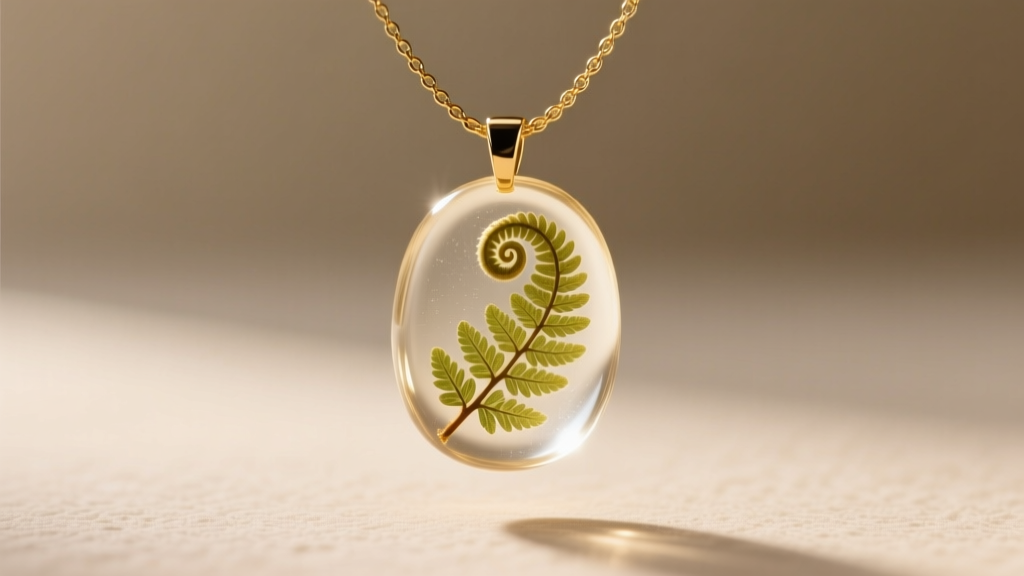
The 2026 Paradigm Shift in Resin Jewelry
Historically relegated to the realm of amateur crafts and inexpensive souvenir jewelry, resin has undergone a radical rebranding. As we navigate the 2026 jewelry landscape, the use of resin for necklaces has firmly crossed the threshold into high-end artisanal and contemporary fine jewelry. This shift is driven by advancements in polymer chemistry, specifically the development of bio-based epoxies and advanced UV-cured acrylics that offer glass-like clarity, superior scratch resistance, and unprecedented sustainability. Today’s discerning collectors and designers are no longer asking if resin belongs in a luxury necklace; they are asking which specific polymer grade best suits their encapsulation and aesthetic needs.
According to market analyses reported by National Jeweler, consumer demand for organic inclusions and sustainable materials has pushed resin-based pendants into the top tier of independent jewelry sales. The modern jewelry designer treats resin not as a mere adhesive or cheap filler, but as a primary optical medium, akin to quartz or rock crystal.
Material Matrix: Which Resin for Necklaces Dominates?
Selecting the correct resin for necklaces requires a deep understanding of polymer mechanics. The three dominant materials in the 2026 market each possess distinct Shore D hardness ratings, cure profiles, and optical properties. Below is a technical breakdown of the primary resins utilized by master jewelers today.
| Resin Type | Shore D Hardness | Cure Time | Yellowing Resistance | Best Application |
|---|---|---|---|---|
| High-Grade Epoxy (Bisphenol-A/F) | 80-85 | 24-72 Hours | High (with HALS) | Deep bezel casts, large botanical suspensions |
| UV-Cured Acrylic | 75-80 | 2-5 Minutes | Moderate | Shallow cabochons, rapid prototyping, micro-layering |
| Bio-Based Polyurethane/Epoxy | 70-78 | 12-24 Hours | Variable | Eco-conscious collections, matte or satin finishes |
High-grade epoxy remains the gold standard for deep-cast pendants. Its low exothermic reaction during curing prevents the thermal degradation of delicate organic inclusions, such as dried petals or insect wings. Conversely, UV-cured resins rely on photoinitiators that harden instantly under 365nm-405nm UV light, making them ideal for shallow, 2mm to 4mm bezel settings where rapid production is necessary. For the eco-conscious market, brands like EcoPoxy have pioneered bio-resins derived from plant-based carbon, offering a compelling narrative for sustainable necklace lines, albeit with a slightly lower Shore D hardness that requires careful wear-and-tear management.
The Chemistry of Clarity: HALS and UV Stabilizers
The most common failure mode in vintage and poorly manufactured resin necklaces is photo-oxidation, commonly known as yellowing. In 2026, premium resin for necklaces is formulated with a dual-defense system: UV absorbers and Hindered Amine Light Stabilizers (HALS). While UV absorbers act as a sunscreen, absorbing harmful radiation and dissipating it as low-level heat, HALS function as radical scavengers. They intercept the free radicals generated by UV exposure before they can break down the polymer chains and form chromophores (the molecules responsible for yellow discoloration).
When sourcing resin for high-end pendants, jewelers must verify the presence of HALS in the technical data sheet (TDS). Furthermore, proper curing is essential; an improperly mixed epoxy (deviating from the strict 1:1 or 2:1 volumetric ratios) will leave unreacted amines on the surface. This results in 'amine blush'—a waxy, cloudy film that not only ruins the optical clarity of the pendant but also compromises the adhesion of any subsequent topcoats or metal leafing.
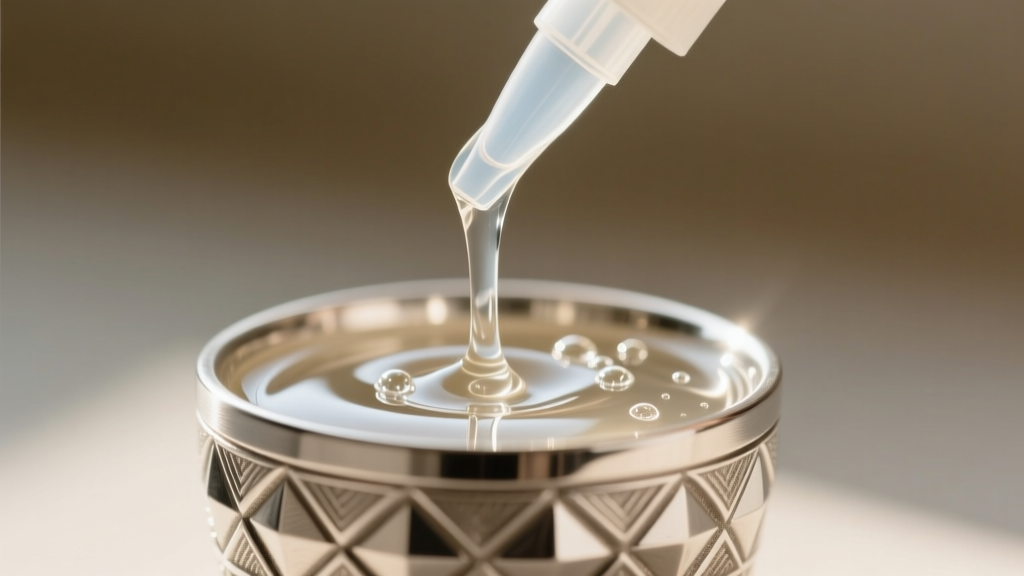
Bezel Preparation and Adhesion Failure Modes
A recurring issue in artisanal necklace manufacturing is the delamination of the resin from the metal bezel. Resin is inherently hydrophobic and does not naturally bond to smooth metals like sterling silver, 14k gold, or brass. To prevent the pendant from popping out of its setting upon impact, the interior of the bezel must be mechanically and chemically prepped.
- Mechanical Abrasion: The interior walls of the bezel cup are scuffed using 400-grit sandpaper or a fine wire brush to create a microscopic physical key.
- Solvent Degreasing: The metal is ultrasonically cleaned or wiped with 99% isopropyl alcohol to remove all polishing compounds and skin oils.
- Chemical Coupling: Advanced jewelers apply a microscopic layer of a silane coupling agent. This bifunctional molecule bonds with the metal oxide layer on one end and the epoxy polymer chain on the other, creating an unbreakable chemical bridge.
Encapsulation Protocols for Organic Inclusions
Moisture Mitigation and Sealing
Embedding organic materials—such as dried ferns, wood slices, or pressed flowers—into resin for necklaces requires rigorous moisture control. If an inclusion retains more than 5% internal moisture, that water will slowly off-gas into the curing epoxy, creating a halo of micro-bubbles or, worse, causing the organic matter to rot and turn black from the inside out.
To prevent this, inclusions must be pre-sealed. While some crafters use mod-podge, professional jewelers utilize cyanoacrylate (CA glue) vapor sealing or micro-crystalline wax. By placing the dried botanical in a vacuum chamber with a few drops of CA glue, the vapor penetrates the cellular structure of the plant, replacing the moisture and fossilizing the inclusion. This ensures the piece remains vibrant and structurally stable for decades.
"The true mastery of resin encapsulation isn't in the pouring; it's in the preparation. A perfectly sealed inclusion will outlast the metal chain it hangs from." — Master Jeweler & Polymer Specialist, 2026 Guild Symposium.
Market Pricing and Value Perception
The pricing architecture for resin necklaces in 2026 is strictly segmented by material integrity and labor intensity. Mass-market, cast-molded resin pendants on base-metal chains typically retail between $15 and $45. However, the artisanal and luxury sectors have redefined the value proposition. Hand-poured, deep-cast epoxy pendants featuring ethically foraged botanicals, set in recycled 18k gold vermeil or solid sterling silver bezels, command prices ranging from $120 to $450. At the apex of the market, avant-garde designers combining optical-grade resin with suspended diamond dust or meteorite shavings are pricing statement necklaces well into the $1,500+ range, proving that the medium's value is dictated by execution, not just raw material cost.
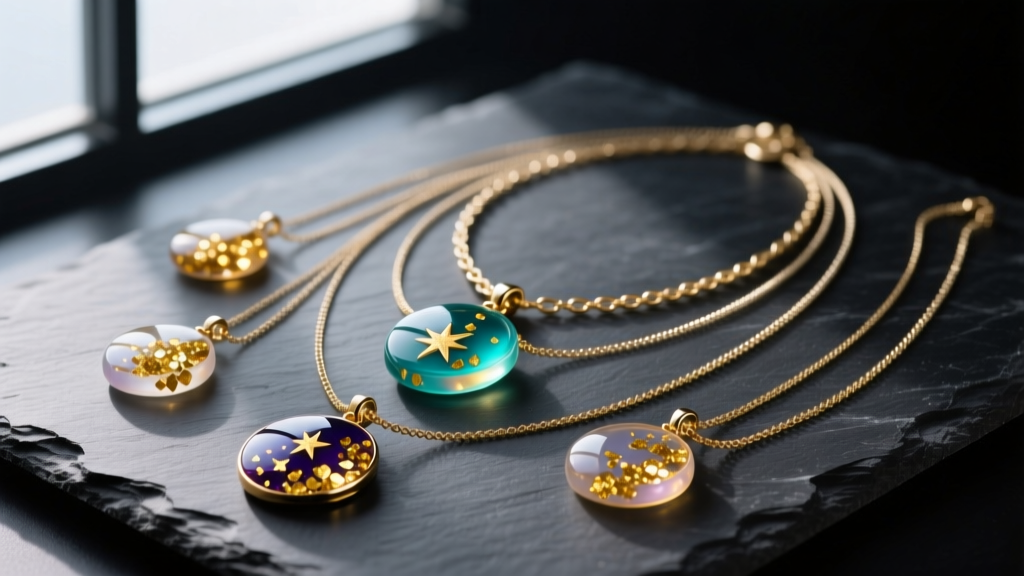
Structural Chain Pairings: Weight and Gauge Dynamics
A critical, often overlooked aspect of designing with resin for necklaces is the weight-to-chain ratio. Resin is surprisingly dense; a solid 30mm x 15mm x 8mm epoxy pendant can easily weigh between 8 and 12 grams. Pairing this with a delicate 0.9mm thread chain or a lightweight 20-gauge cable chain is a structural failure waiting to happen. The constant friction will snap the chain links or deform the jump rings.
For pendants weighing 5 to 15 grams, a 1.5mm to 2.0mm wheat chain or a 1.8mm box chain in 14k gold-filled or solid sterling silver is mandatory. These chain styles distribute the pendant's weight evenly and resist kinking. Furthermore, the bail or jump ring connecting the pendant to the chain must be a minimum of 18-gauge thickness and should be soldered closed, or feature a secure locking mechanism, to prevent the heavy resin piece from slipping off during wear.
Final Verdict: The Future of the Medium
As we move deeper into 2026, the utilization of resin for necklaces continues to evolve from a novelty to a respected cornerstone of contemporary jewelry design. By mastering the chemistry of HALS stabilization, perfecting bezel adhesion protocols, and respecting the structural physics of chain pairings, designers can create resin pendants that rival traditional gemstones in both beauty and longevity. The era of cheap, yellowing plastic jewelry is definitively over; the age of precision-engineered, luxury resin has arrived.


