How to Choose a Dripping Blood Necklace: Buyer Guide
Discover how to choose the perfect dripping blood necklace. Compare materials, chain gauges, and gemstone options in our expert alternative jewelry guide.

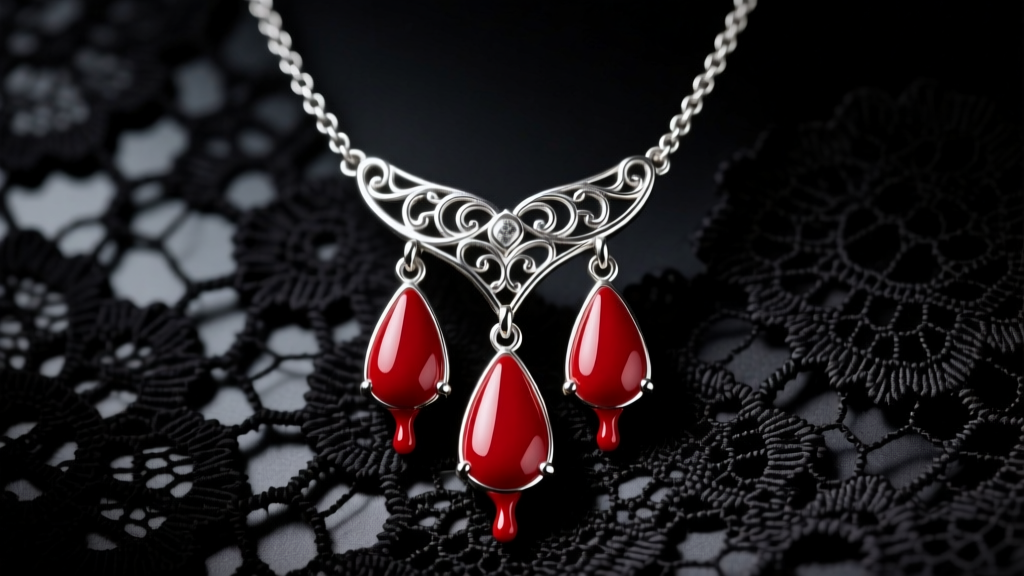
The resurgence of gothic, dark academia, and avant-garde alternative fashion has cemented the dripping blood necklace as a staple of modern edgy wardrobes. Far from being a mere Halloween novelty, high-quality blood-drop pendants are intricate pieces of statement jewelry that require a discerning eye for metallurgy, gemology, and structural integrity. Whether you are investing in an artisan-crafted piece or shopping for durable everyday alternative wear, understanding the material science behind these necklaces is crucial to avoiding cheap alloys, peeling resins, and snapped chains.
In this comprehensive buying guide, we break down the exact specifications, material grades, and failure modes you need to evaluate before purchasing a dripping blood necklace.
Decoding the 'Blood': Enamel, Resin, or Gemstone?
The visual impact of a dripping blood necklace relies entirely on the medium used to simulate the crimson droplets. Manufacturers typically use one of three methods, each with vastly different durability profiles and price points.
1. Vitreous vs. Cold Enamel
High-end alternative jewelers use vitreous enamel, which involves fusing powdered glass to a metal backing at temperatures exceeding 1,400°F (760°C). The result is a hard, glossy, UV-resistant finish that will never yellow. However, vitreous enamel is essentially glass; it has a Mohs hardness of around 5.5 to 6.5 and can shatter or chip if dropped on a hard surface.
Conversely, mass-market pieces use cold enamel (tinted epoxy resin). While cheaper and shatter-resistant, cold enamel is soft (Mohs 2-3), highly susceptible to scratching, and will inevitably yellow or cloud when exposed to prolonged UV light and skin oils.
2. Epoxy and UV Resins
Resin allows for highly sculptural, three-dimensional blood drops that extend outward from the metal bezel. Artisan jewelers use two-part epoxy resins, which offer excellent clarity and impact resistance. Avoid pieces made with UV-cured resins; according to materials testing in jewelry fabrication, UV resins suffer from severe photo-degradation, turning an unappealing muddy brown within 12 to 18 months of daily wear.
3. Carved and Faceted Gemstones
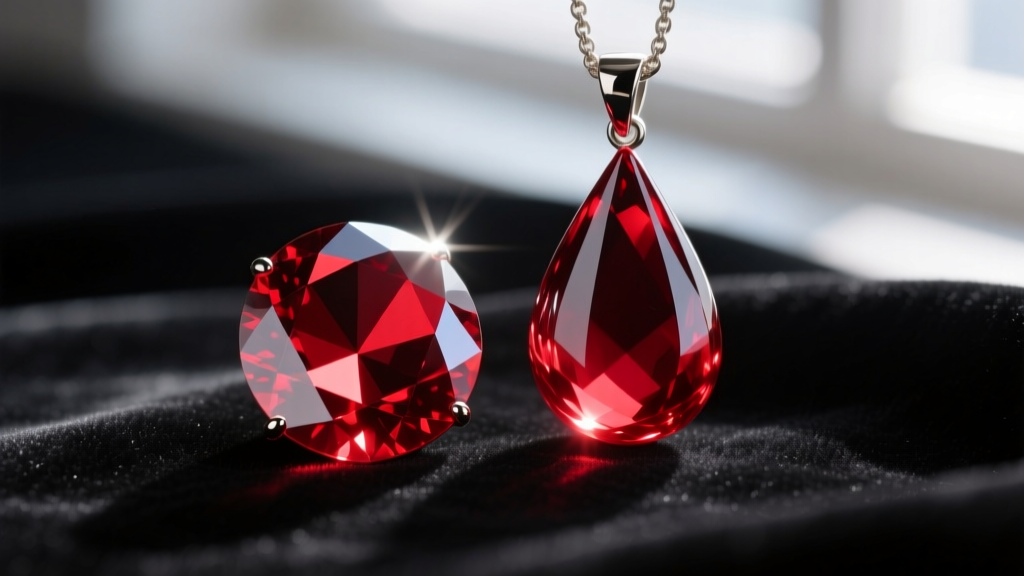
For luxury dripping blood necklaces, jewelers carve actual gemstones into teardrop shapes or use faceted briolettes. This approach eliminates the risk of yellowing or chipping associated with synthetics, relying instead on the natural light refraction of crystalline structures.
Material Comparison & Failure Modes
Use the following matrix to evaluate the true value and longevity of the pendant you are considering.
| Material Type | Mohs Hardness | Avg. Price Range | Primary Failure Mode | Best For |
|---|---|---|---|---|
| Vitreous Enamel | 5.5 - 6.5 | $80 - $250 | Chipping at the bezel edge upon impact | Heirloom pieces, occasional wear |
| Cold Enamel (Epoxy) | 2.0 - 3.0 | $25 - $60 | Surface scratching and UV yellowing | Budget-friendly, trend-based wear |
| Carved Red Garnet | 7.0 - 7.5 | $150 - $400+ | Cleavage plane fracture if struck hard | Luxury alternative, daily wear |
| Lampwork Glass | 5.5 | $60 - $150 | Thermal shock cracking, snapping at bail | Artisan gothic, statement pieces |
Chain Mechanics: Gauge, Alloy, and Clasp Security
A heavy glass or gemstone blood-drop pendant will easily snap a substandard chain. When evaluating a dripping blood necklace, the chain specifications are just as critical as the pendant itself.
- Gauge and Thickness: For pendants weighing between 8 and 20 grams, you need a chain thickness of 1.8mm to 2.5mm. Anything thinner (like a 1.0mm cable chain) will suffer from link distortion and eventual snapping at the solder joints.
- Chain Style: Rope chains offer a highly reflective, twisted aesthetic that complements gothic styles, but they are notoriously difficult to repair if they snap. Curb chains and box chains lay flat, resist tangling, and are much easier for a jeweler to solder back together if damaged.
- Base Metals: Avoid zinc alloy or 'Tibetan silver,' which contain high copper and nickel content that will oxidize rapidly and cause contact dermatitis. Opt for 316L Surgical Stainless Steel (hypoallergenic, highly tarnish-resistant, but difficult to resize) or 925 Sterling Silver (requires occasional polishing but holds long-term intrinsic value).
- Clasp Hardware: Never trust a spring-ring clasp on a heavy pendant. The internal tension spring degrades quickly. Always look for a lobster clasp with a minimum length of 12mm to ensure the trigger mechanism has adequate clearance to open and close securely.
Red Gemstone Alternatives for High-End Pieces
If you are moving away from resins and enamels, understanding red gemstone grades is essential. According to the Gemological Institute of America (GIA), red garnets are the most common natural stones used in alternative jewelry, but not all garnets are created equal.
Expert Insight: When buying a gemstone dripping blood necklace, look specifically for Almandine or Pyrope garnet varieties. Almandine offers a deep, dark, almost black-red hue perfect for gothic aesthetics, while Pyrope provides a vibrant, pure crimson. Avoid 'rhodolite' if you want a dark blood effect, as it leans heavily into purplish-pink tones.
For buyers with a higher budget, Red Spinel (Mohs 8) is a superior alternative to Ruby. It offers exceptional brilliance and lacks the rutile silk inclusions that can make some rubies look cloudy in low-light environments, ensuring your 'blood' drop catches the light even in dimly lit venues.
Styling and Neckline Pairings
The visual weight of a dripping blood necklace demands careful styling to avoid looking costumey. The goal is to integrate the piece into a cohesive dark academia, avant-garde, or modern gothic wardrobe.
The Turtleneck Anchor
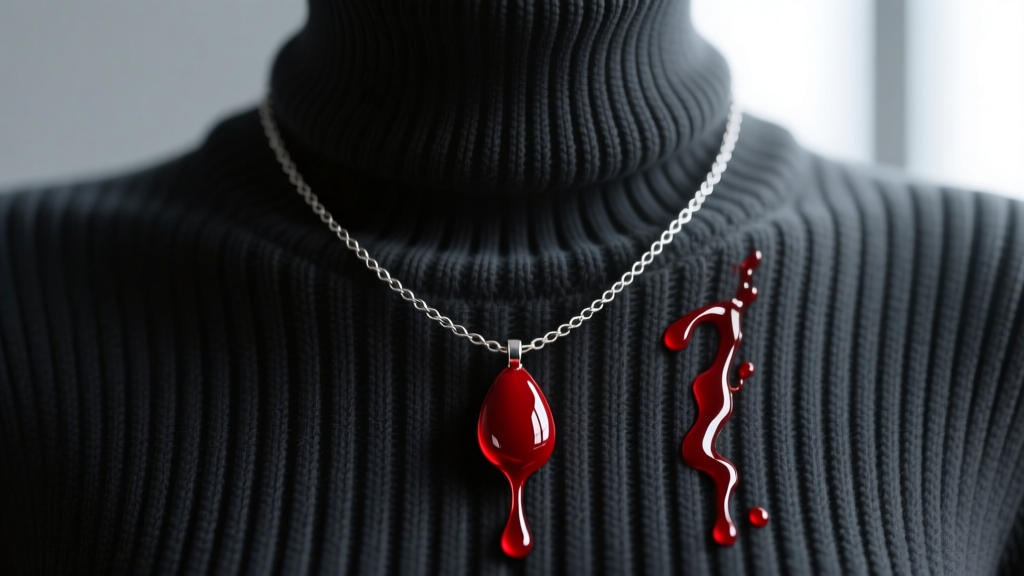
A 2.0mm stainless steel rope chain paired with a single, elongated enamel blood drop looks exceptionally striking over a tight, black ribbed turtleneck. The high neckline provides a dark, matte canvas that makes the reflective metal and glossy red droplet pop without competing with exposed skin.
Layering with Chokers
For a more complex silhouette, layer your dripping blood pendant (on a 20-inch chain) with a 14-inch oxidized sterling silver choker. Ensure the pendant drops at least 3 inches below the choker line to prevent the metal components from tangling and scratching one another throughout the day.
Care and Maintenance Protocols
Proper maintenance extends the life of alternative jewelry significantly. Follow these strict protocols based on your pendant's material:
- Enamel and Glass: Clean only with warm water and a microfiber cloth. Never use ultrasonic jewelry cleaners; the high-frequency vibrations will cause micro-fractures in the enamel or shatter lampwork glass drops.
- Resin: Keep away from all chemical solvents, including perfumes, hairsprays, and alcohol-based hand sanitizers. Solvents will break down the epoxy matrix, causing the resin to turn tacky and peel away from the metal bezel.
- Sterling Silver Chains: Store in an anti-tarnish cloth pouch. If the silver oxidizes, use a dedicated silver polishing cloth rather than liquid dips, which can strip the rhodium plating and damage the red enamel or resin inlays.
By prioritizing material integrity over fast-fashion aesthetics, you can secure a dripping blood necklace that serves as a durable, striking cornerstone of your alternative jewelry collection for years to come. For more insights into dark fashion trends and material care, consult resources like Britannica's guide to enamelwork to deepen your understanding of traditional jewelry fabrication techniques.


