Moana Toy Necklace Trend: 2026 Style & Layering Guide
Discover how the moana toy necklace evolved into a 2026 luxury trend. Explore material upgrades, enamel techniques, and oceanic layering guides.

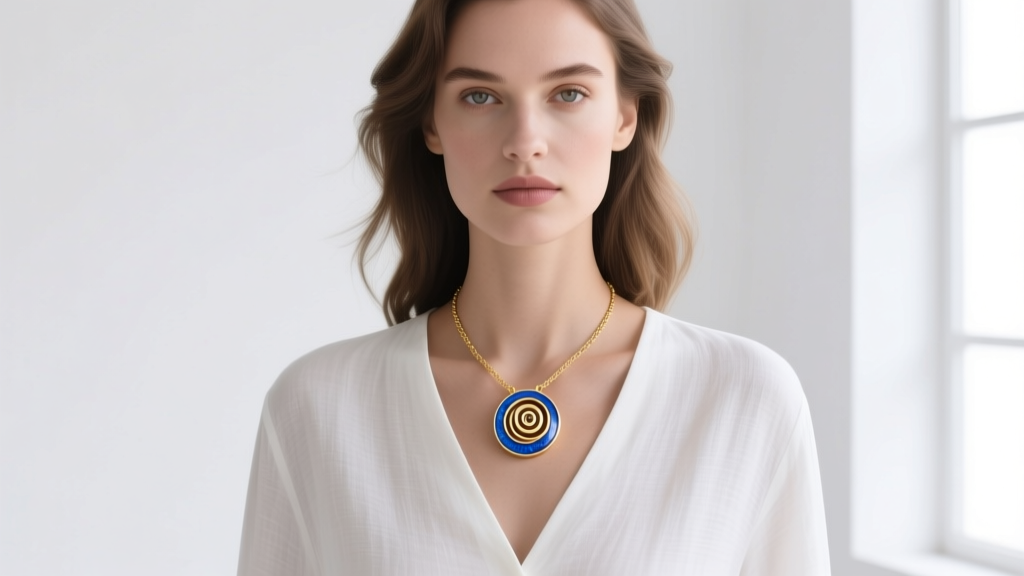
When stylists first began referencing the moana toy necklace aesthetic in late 2025, many industry insiders dismissed it as a fleeting micro-trend born of Y2K and Kidcore nostalgia. However, as we move deeper into 2026, the 'Oceanic Nostalgia' movement has matured. What began as a mass-produced, injection-molded plastic accessory for children has been radically reimagined by independent jewelers and high-end designers alike. Today, the iconic Heart of Te Fiti spiral motif is being translated into sophisticated, wearable art that honors Polynesian heritage while fitting seamlessly into a modern, elevated wardrobe.
This trend analysis breaks down exactly how the humble moana toy necklace transitioned from the playroom to the runway, the material science behind the new luxury iterations, and how to style these oceanic motifs without crossing the line into costume territory.
From Playroom to Runway: The Evolution of a Motif
The original moana toy necklace, released alongside the 2016 animated film, was a masterclass in cheap manufacturing. Typically measuring an oversized 50mm by 45mm, these pendants were cast from ABS plastic or low-grade zinc alloys, painted with acrylics, and strung on synthetic black cords. They were designed for a week of Halloween wear, not for longevity.
The 2026 'Tropical Mythos' trend strips away the cartoonish proportions and cheap materials, focusing instead on the underlying geometry of the design. The spiral, or koru, is a deeply significant motif in Polynesian art, symbolizing new life, growth, strength, and peace. Contemporary jewelers are scaling the pendant down to a more refined 22mm by 20mm, utilizing the spiral as a subtle nod to oceanic mythology rather than a direct movie replica. This shift in scale and intent is what separates a mature style choice from a nostalgic gimmick.
Material Breakdown: Toy vs. Elevated Interpretations
To understand the value of the modern oceanic pendant, one must look at the metallurgical and gemological upgrades. According to the Federal Trade Commission Jewelry Guides, accurate metal stamping and disclosure are paramount when upgrading from costume to fine jewelry. Below is a comparative analysis of the three tiers of this specific necklace style currently on the market.
| Tier | Base Material | Color/Gemstone | Price Range | Durability & Tarnish Risk |
|---|---|---|---|---|
| Original Toy | ABS Plastic / Zinc Alloy | Painted Acrylic | $8 - $15 | High (Paint chips, alloy causes contact dermatitis due to nickel leakage) |
| Fast Fashion | Brass / Plated Alloy | Cold Enamel (Epoxy Resin) | $25 - $60 | Medium (Plating wears off in 3-6 months, resin yellows with UV exposure) |
| Fine Artisan | 14k/18k Recycled Gold or Platinum | Vitreous Enamel / Lab-Created Opal | $350 - $850+ | None (Heirloom quality, hypoallergenic, UV stable) |
The most critical upgrade in the luxury tier is the use of vitreous enamel. Unlike the cold epoxy resin used in mall-brand replicas, vitreous enamel is powdered glass fused to metal at temperatures exceeding 1,400°F. This creates a luminous, oceanic teal or deep sapphire blue that will never yellow or scratch like resin. For the central 'glowing' stone, artisans are increasingly turning to lab-created opals, which offer the same play-of-color as natural opals but with superior durability and zero water-absorption risks, making them ideal for beach-to-bar wear.
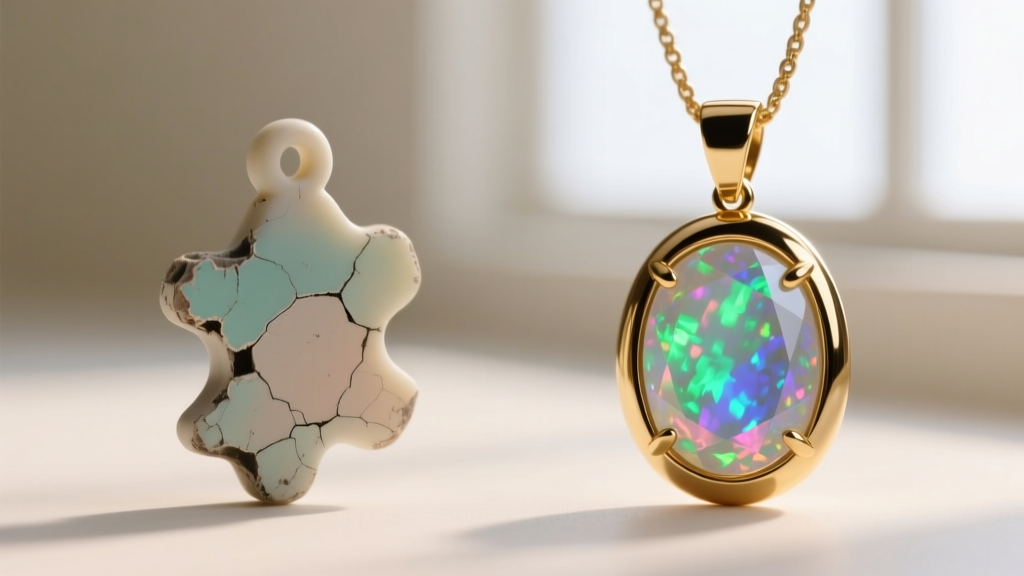
The Anatomy of a Luxury Oceanic Pendant
When investing in an elevated piece inspired by this trend, the hardware is just as important as the pendant itself. The original toy utilized a simple slip-knot on a braided nylon cord. Modern iterations require precision chain engineering to support the weight and drape of the piece.
- Chain Gauge: For a 15-gram solid gold or enamel pendant, a 1.2mm cable chain is too fragile and will eventually snap at the solder points. Look for a 2.0mm to 2.5mm rope chain or a 2.0mm box chain. These provide the necessary tensile strength while catching the light beautifully.
- Clasp Mechanics: Avoid standard spring-ring clasps, which are prone to spring failure and are difficult to operate with one hand. A high-quality lobster clasp with a reinforced jump ring, or a custom magnetic neodymium clasp, ensures the piece stays secure during active wear.
- Bail Construction: The bail (the loop connecting the pendant to the chain) should be integrated or securely laser-welded. Cheaper versions use glued-on bails that fail when exposed to humidity or sunscreen.
How to Style the 'Heart of Te Fiti' Motif in 2026
Styling a piece with such specific cultural and pop-culture origins requires a deliberate approach to avoid looking like you are wearing a theme park souvenir. The key is contrast: pairing the organic, oceanic curves of the pendant with structured, minimalist, or highly textured garments.
The Neckline Matrix
The placement of the pendant dictates its visual impact. Here is a framework for matching chain length to your wardrobe:
- 16-Inch Choker Length: Best paired with deep V-necks or off-the-shoulder linen tops. The pendant sits in the clavicle hollow, drawing the eye upward and framing the face. This length works best with smaller, 15mm minimalist spiral interpretations.
- 18-Inch Princess Length: The most versatile option. It rests perfectly on the sternum and pairs flawlessly with crisp white button-downs, silk camisoles, or tailored blazers. The rigid structure of a blazer contrasts beautifully with the fluid, organic shape of the enamel pendant.
- 24-Inch Opera Length: Ideal for layering over lightweight turtlenecks or flowy maxi dresses in the summer. This length allows the pendant to act as a focal point over a larger canvas of fabric.
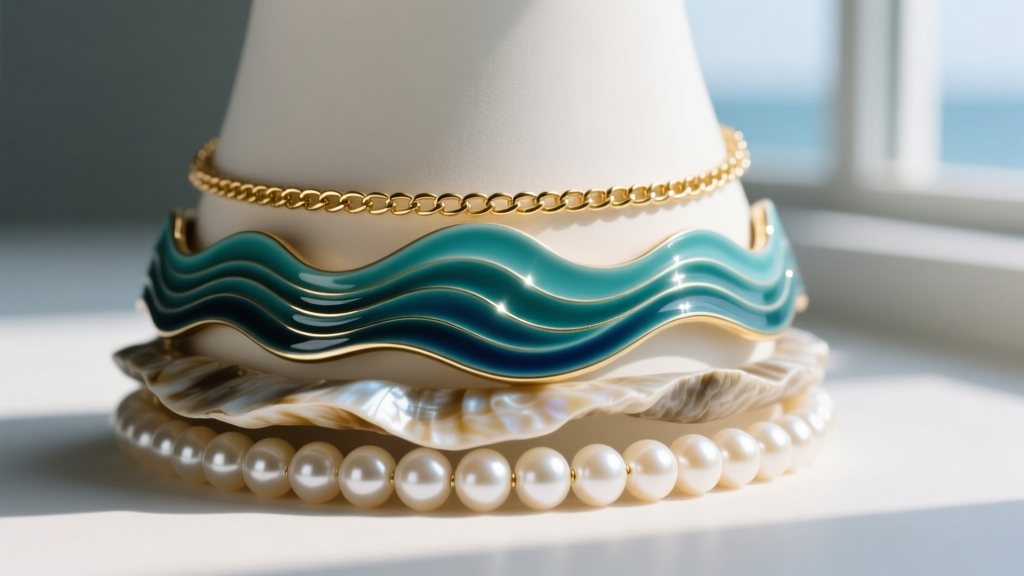
Layering with Oceanic Textures
If you choose to layer your pendant, avoid mixing it with other highly detailed or gemstone-heavy pieces, which will create visual clutter. Instead, lean into 'Oceanic Textures' to build a cohesive stack:
- The Anchor: Your 18-inch enamel or opal spiral pendant on a 2.5mm gold rope chain.
- The Contrast: A 14-inch raw, unpolished baroque pearl choker on a silk thread. The asymmetry of the raw pearls echoes the natural, untamed theme of the ocean without competing with the geometric precision of the spiral.
- The Whisper: A 20-inch ultra-fine (0.8mm) gold satellite chain featuring tiny, 2mm mother-of-pearl beads spaced an inch apart. This adds a subtle shimmer that catches the light without overwhelming the main pendant.
Style Note: Never mix silver-toned metals with gold-toned oceanic pendants unless the piece itself is explicitly crafted in mixed-metal (e.g., mokume gane). The warm, sun-baked tones of 14k or 18k yellow gold inherently complement the teal and azure enamels far better than the cool, clinical tone of white gold or platinum.
Sourcing Authentic 'Elevated' Pieces
As the trend grows, the market is being flooded with 'elevated' pieces that are, in reality, just slightly more expensive fast fashion. To ensure you are purchasing a true luxury item that aligns with the 2026 fine jewelry standards, verify the following:
First, check the hallmark. A legitimate piece will be stamped with 585 (14k gold), 750 (18k gold), or 925 (sterling silver). If the piece is gold vermeil, the brand must legally disclose that it is a base of sterling silver plated with a minimum of 2.5 microns of gold. Anything less is simple gold plating, which will wear through to the base metal within months of daily wear.
Second, scrutinize the enamel work. Hold the piece under a bright, direct light. Vitreous enamel will have a glass-like depth and may show tiny, natural inclusions or 'pinholes' from the firing process, which are marks of hand-craftsmanship. Cold enamel (resin) will look perfectly flat, overly glossy, and may show tiny dust particles trapped just beneath the surface.
The Verdict: Is the Nostalgia Trend Sustainable?
The trajectory of the moana toy necklace from a disposable plastic trinket to a celebrated motif in fine jewelry is a testament to the power of cultural storytelling in fashion. By stripping away the literal character branding and focusing on the rich, historical significance of the Polynesian spiral, designers have created a category of jewelry that feels both deeply personal and universally elegant. For the consumer, investing in a vitreous enamel and lab-opal iteration is not just a nod to a childhood favorite; it is an acquisition of a durable, heirloom-quality piece that captures the enduring allure of the ocean.


