Mastering the 16 Inch Necklace Chain: Gauges & Clasps
Discover the technical specs of the 16 inch necklace chain. Learn about gauge thicknesses, clasp durability, and exact neckline pairings.

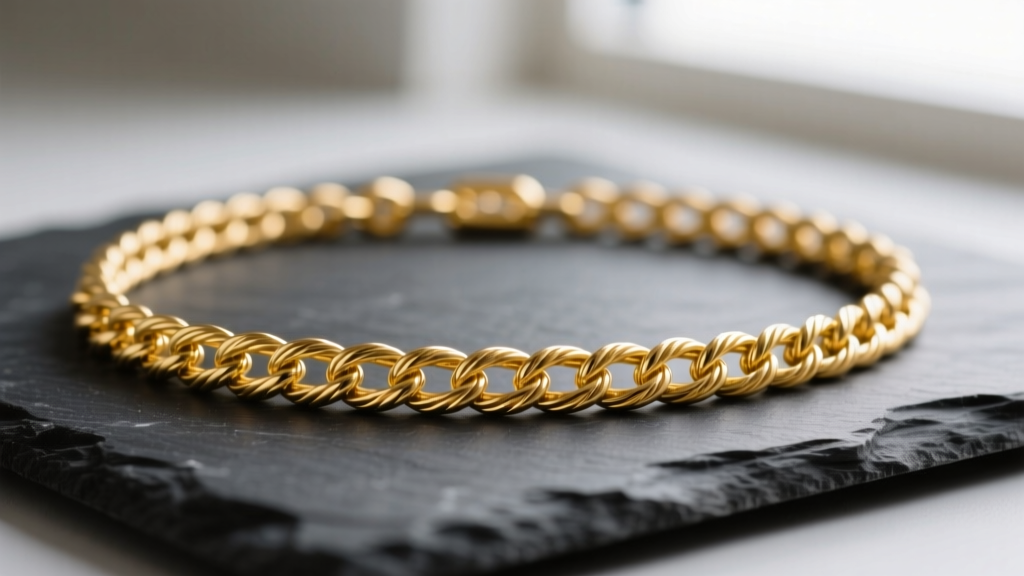
The 16 inch necklace chain occupies a highly specific anatomical real estate in jewelry design. Sitting precisely at the base of the neck and resting on the clavicle, this length—often classified as a choker or collar in traditional grading—requires exact engineering to balance comfort, drape, and structural integrity. Unlike longer opera or matinee lengths that hang freely, a 16-inch chain is subject to constant friction, skin oils, and tensile stress from the natural movement of the neck and shoulders. For jewelers and informed collectors, understanding the metallurgical and mechanical nuances of this specific length is critical for both longevity and aesthetic precision.
In this technical deep dive, we bypass generic styling advice to examine the exact gauge tolerances, clasp failure modes, and alloy tensile strengths that dictate the performance of a 16 inch necklace chain. Whether you are sourcing components for manufacturing or evaluating a fine jewelry investment, these specifications form the baseline for quality assessment.
The Anatomy and Tolerance of a 16 Inch Chain
In jewelry manufacturing, a 16 inch necklace chain measures exactly 40.64 centimeters from the interior edge of one end ring to the interior edge of the other, excluding the clasp. However, industry-standard machining tolerances allow for a variance of ±0.5 inches (approx. 1.27 cm). When a chain is soldered, the heat can cause minute contractions in the metal links, particularly in high-karat gold or platinum. Therefore, a high-quality 16-inch chain is often cut to 16.25 inches pre-solder to account for this thermal shrinkage, ensuring the final piece does not fall short of the 16-inch mark.
The structural weak points of any chain in this length are the jump rings connecting the chain to the clasp. On a 16-inch chain, these jump rings endure lateral pulling forces every time the wearer turns their head. According to manufacturing standards outlined by the Halstead Bead Company, jump rings on chains under 18 inches must be fully soldered closed or utilize a split-ring mechanism to prevent the end links from slipping through under tension.
Gauge Thickness vs. Chain Style: A Technical Breakdown
The term 'gauge' refers to the thickness of the wire used to form the links. In the American Wire Gauge (AWG) system, a lower number indicates a thicker wire. For a 16 inch necklace chain, the gauge must be carefully calibrated; too thick, and the chain becomes rigid and uncomfortable against the clavicle; too thin, and it risks snapping under the weight of a pendant or the friction of daily wear.
| Chain Style | Standard Gauge (mm) | AWG Equivalent | Approx. Tensile Strength | Best Pendant Weight |
|---|---|---|---|---|
| Cable | 0.9mm - 1.2mm | 20g - 16g | 4 - 8 lbs | Under 5 grams |
| Curb | 1.5mm - 2.0mm | 14g - 12g | 12 - 18 lbs | 5 - 15 grams |
| Box | 1.0mm - 1.5mm | 18g - 14g | 8 - 12 lbs | Under 10 grams |
| Rope | 1.5mm - 2.5mm | 14g - 10g | 15 - 25 lbs | 10 - 25 grams |
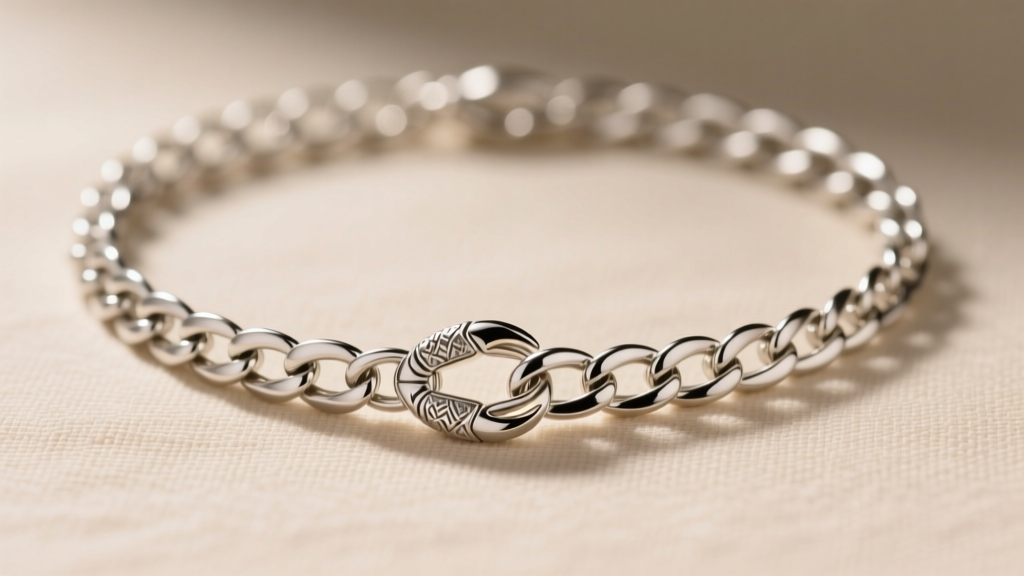
As a general rule of structural proportion, the pendant suspended from a 16 inch necklace chain should never exceed three times the weight of the chain itself. Exceeding this 3:1 ratio creates a pendulum effect that concentrates stress on the center-front links and the clasp jump rings, accelerating metal fatigue and eventual failure.
Clasp Mechanics and Failure Points
The clasp is the most frequent point of failure on any necklace, but on a 16-inch chain, it is subjected to unique stressors. Because the chain sits tightly against the neck, the clasp is often pulled laterally rather than vertically.
- Spring Ring Clasps: Common on lightweight (under 1.0mm) 16-inch chains. The internal spring mechanism is prone to fatigue after approximately 15,000 to 20,000 articulation cycles. Furthermore, the tiny lever used to retract the spring is easily bent, compromising the flush closure required to keep the jump ring secure.
- Lobster Clasps: The industry standard for mid-weight chains. A 5mm or 7mm lobster clasp provides superior lateral resistance. However, cast lobster clasps can suffer from porosity (microscopic air bubbles trapped during the casting process), which creates hidden fracture points. Stamped and machined lobster clasps offer a denser, more reliable grain structure.
- Barrel / Screw Clasps: While secure, these are highly discouraged for 16-inch chains worn without a mirror. The torque required to unscrew the barrel often twists the chain links, leading to irreversible kinking, especially in delicate box or snake chains.
Material Grades and Tensile Strength
The metallurgical composition of the chain dictates its work-hardening properties and resistance to stretching. A 16 inch necklace chain worn daily will naturally elongate over time due to the friction between links. Understanding alloy grades is essential for predicting this behavior.
925 Sterling Silver
Composed of 92.5% pure silver and 7.5% copper or other alloys. Sterling silver is relatively soft and highly susceptible to work-hardening. A 16-inch sterling silver cable chain can stretch up to 5% of its original length over a decade of daily wear. To mitigate this, manufacturers often rhodium-plate the chain, which adds a microscopic layer of hardness and prevents tarnish, though it does not alter the core tensile strength of the silver.
14k vs. 18k Gold
According to the Gemological Institute of America (GIA), the purity of gold drastically affects its mechanical properties. 14k gold (58.5% pure gold alloyed with copper, silver, and zinc) offers superior tensile strength and scratch resistance compared to 18k gold (75% pure gold). For a 16 inch necklace chain that will bear a pendant, 14k gold is technically superior because the higher alloy content provides a rigid crystalline structure that resists link deformation and stretching.
Platinum 950
Platinum is incredibly dense and durable, but it is malleable. Rather than losing metal when scratched, platinum displaces. A 16-inch platinum chain will not easily snap, but the links will compress and stiffen over time, requiring occasional professional polishing and link-loosening to maintain its fluid drape.

Precision Styling: Necklines and Pendant Ratios
From a design perspective, the 16 inch necklace chain demands precise pairing with garment necklines. Because it sits exactly on the collarbone, it competes visually with high necklines.
The Jeweler's Rule of Clearance: A 16-inch chain requires a minimum of 1.5 inches of bare skin below the jawline to breathe visually. It is mathematically incompatible with standard turtlenecks or high-crew necks, which will force the chain to bunch and catch on the fabric hem.
For V-neck and scoop-neck garments, the 16-inch chain acts as a framing device for the décolletage. When adding a pendant, the bail (the loop connecting the pendant to the chain) must be sized correctly. A standard 1.2mm 16-inch chain requires a bail with an interior diameter of at least 2.5mm to allow the pendant to slide freely without catching on the soldered seams of the chain links.
Maintenance and Ultrasonic Cleaning Protocols
Maintaining a 16 inch necklace chain requires specific cleaning protocols to avoid damaging the structural integrity of the links. While ultrasonic cleaners are excellent for removing sebum and lotion buildup from the tight crevices of a box or rope chain, they can be destructive if the chain features any fracture-filled gemstones or porous materials like pearls or opals attached to it.
For plain metal 16-inch chains, a standard ultrasonic cycle of 3 minutes in a heated (140°F) mild alkaline solution is sufficient. However, the chain must never be suspended by its clasp during the cleaning process; the high-frequency vibrations can weaken the clasp's internal spring or loosen the solder at the jump rings. Always lay the chain flat in the basket. Following the guidelines set forth by the Federal Trade Commission's Jewelry Guides, proper disclosure of any rhodium plating or surface treatments must be maintained, as aggressive ultrasonic cleaning can strip thin plating layers from sterling silver chains over time.
Conclusion
The 16 inch necklace chain is far more than a standard jewelry measurement; it is a highly engineered component that requires a precise balance of gauge thickness, alloy composition, and clasp mechanics. By understanding the tensile limits of specific chain styles and the metallurgical realities of gold and silver alloys, you can select, design, and maintain pieces that offer both flawless aesthetics and generational durability. Whether you are evaluating a delicate 18-gauge cable chain or a robust 12-gauge curb link, the technical specifications dictate the ultimate success of the piece on the body.


