How to Clean & Care for Your Judith Ripka 925 CZ Thailand Necklace
Learn expert cleaning and storage tips for your Judith Ripka 925 CZ Thailand necklace. Protect textured sterling silver and restore cubic zirconia sparkle.

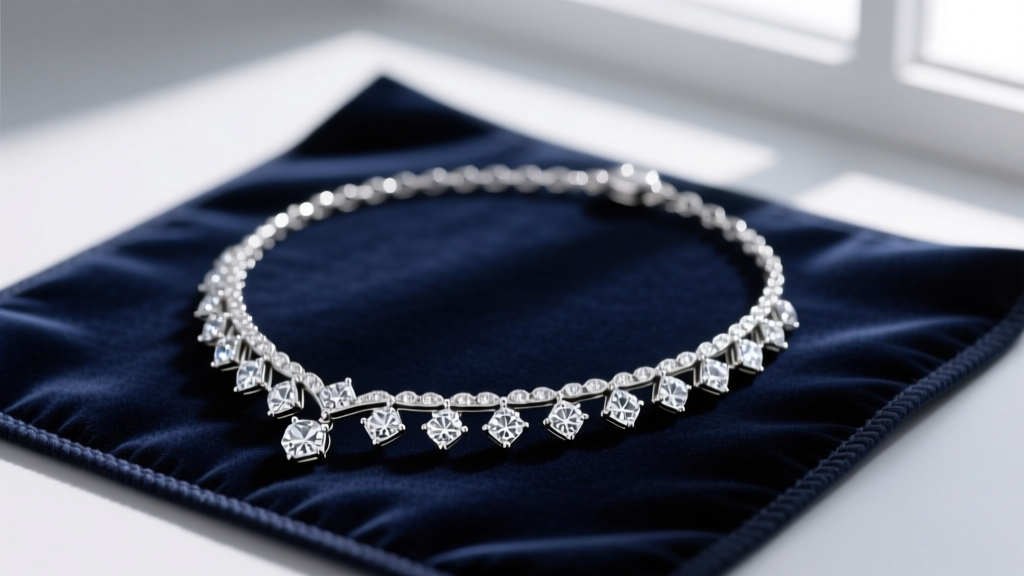
The Unique Anatomy of Your Judith Ripka Necklace
Owning a judith ripka 925 cz thailand necklace means possessing a piece of wearable art that bridges high-end designer aesthetics with exceptional international craftsmanship. Judith Ripka is globally celebrated for her signature matte, sandblasted, and 'boulder' textures juxtaposed against high-polish sterling silver and brilliant cubic zirconia (CZ) accents. The '925' stamp guarantees a 92.5% pure silver composition, while the 'Thailand' stamp denotes its origin in one of the world's premier hubs for precision silver casting and gemstone setting.
However, this specific combination of materials and finishes requires a highly specialized approach to maintenance. The copper alloy in 925 sterling silver makes it inherently susceptible to tarnish, while the intricate textures can trap microscopic debris. Furthermore, cubic zirconia is highly oleophilic, meaning it readily attracts skin oils and lotions, which can quickly dull its diamond-like fire. In this comprehensive guide, we will break down the exact chemical and mechanical care protocols required to keep your necklace looking as pristine as the day it was cast.
Understanding the Material Science: Silver, Copper, and CZ
Before applying any cleaning solution, it is vital to understand the metallurgy and gemology at play. Pure silver is too soft for daily wear, which is why The Silver Institute notes that it is alloyed with 7.5% copper to create sterling silver. When this copper is exposed to atmospheric sulfur and moisture, it undergoes a chemical reaction that forms silver sulfide—the dark, tarnished layer you see on neglected jewelry.
Simultaneously, the cubic zirconia stones demand optical maintenance. Unlike diamonds, which are lipophobic (repel grease), CZ has a surface tension that attracts sebum and cosmetic residues. When a microscopic layer of oil coats the pavilion (bottom facets) of a CZ stone, it disrupts the refractive index, causing the stone to look flat, cloudy, and gray. Therefore, your cleaning routine must simultaneously neutralize sulfur compounds on the silver and degrease the CZ stones without damaging the delicate matte textures of the metal.
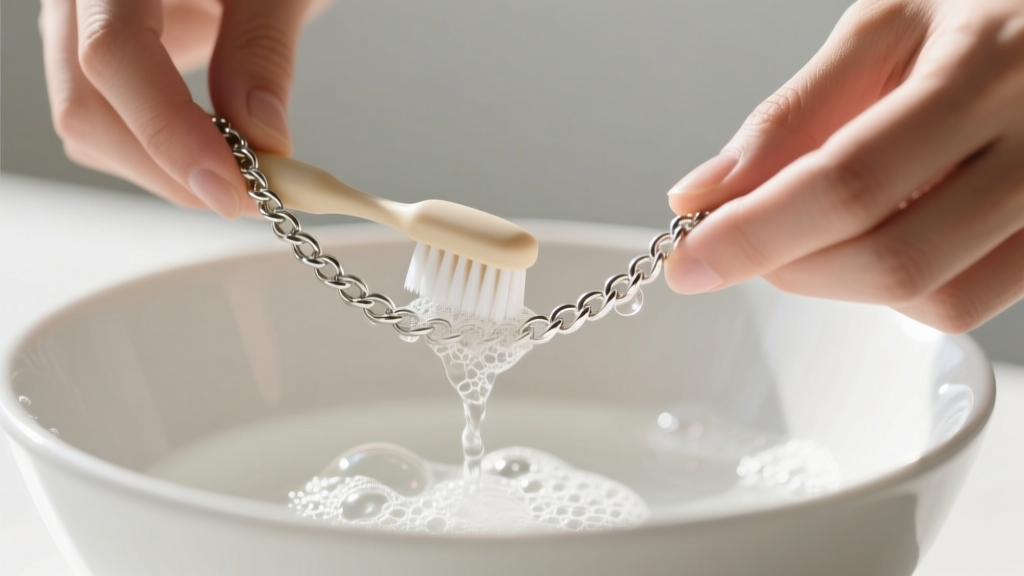
The Step-by-Step Degreasing and Cleaning Protocol
Because Judith Ripka pieces frequently feature intentional oxidation and matte texturing, you must absolutely avoid abrasive polishing cloths on the textured areas. Rubbing a silver cloth over a sandblasted finish will burnish the metal, creating unintended shiny 'bald spots' that ruin the designer's original contrast. Instead, rely on a gentle, liquid-based degreasing method.
What You Will Need
- Original Dawn dish soap (the blue formula is an industry-standard degreaser for gemstones)
- Lukewarm distilled water (tap water contains chlorine and hard minerals that can leave spots)
- A brand-new, ultra-soft baby toothbrush
- A lint-free microfiber cloth
- Wooden toothpicks (for deep crevice cleaning)
The Cleaning Process
- Prepare the Solution: Mix three drops of Dawn dish soap into a small bowl of lukewarm distilled water. Avoid hot water, as extreme thermal shock can occasionally stress the adhesive or tension settings holding smaller CZ pavé stones.
- Soak Briefly: Submerge the necklace for exactly 3 to 5 minutes. This allows the surfactants in the soap to break down the lipid bonds of skin oils trapped beneath the CZ settings.
- Agitate Gently: Using the baby toothbrush, lightly sweep across the back of the CZ stones and the high-polish silver bezels. Do not scrub the matte or textured silver; let the soapy water lift the dirt from the pores of the metal.
- Target the Crevices: If you notice dark buildup in the deep grooves of the 'boulder' texture, gently glide the tip of a wooden toothpick through the groove. Wood is softer than silver and will not leave micro-scratches.
- Rinse and Dry: Rinse thoroughly under a gentle stream of distilled water. Pat dry with a microfiber cloth, then lay the necklace flat on a towel in a well-ventilated area to ensure all hidden moisture evaporates before storage.
Strategic Storage: Preventing Tarnish Before It Starts
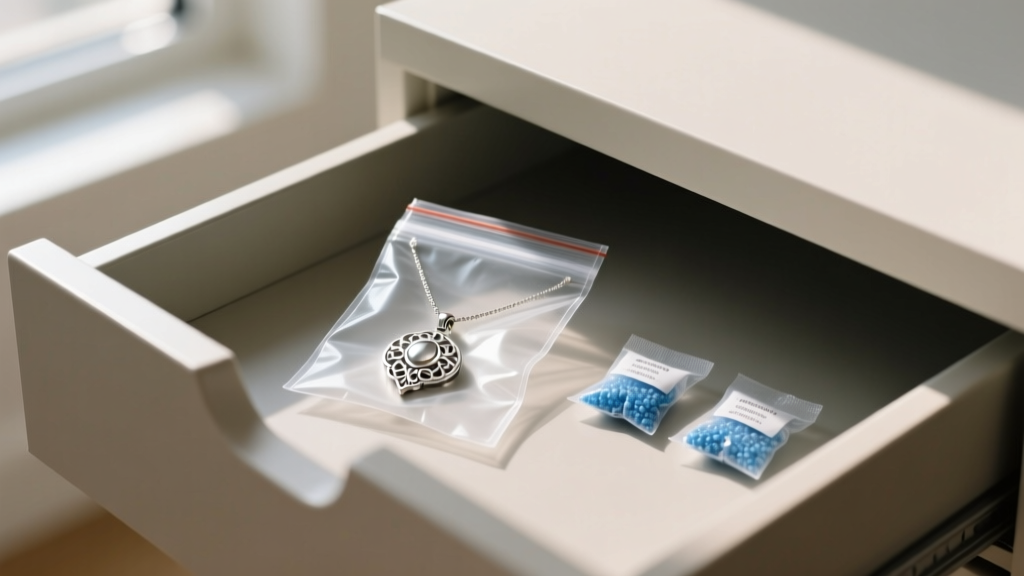
The most effective way to care for your sterling silver is to control its micro-environment when it is not being worn. Tarnish is not a sign of poor quality; it is a natural chemical inevitability for copper-alloyed silver. By managing humidity and sulfur exposure, you can drastically reduce the need for deep cleaning.
| Environmental Factor | Impact on 925 Silver & CZ | Preventative Storage Solution |
|---|---|---|
| High Humidity | Accelerates copper oxidation and tarnish spread. | Store with silica gel desiccant packets in an airtight container. |
| Atmospheric Sulfur | Reacts with copper to form black silver sulfide. | Use 3M Anti-Tarnish strips, which absorb sulfur gases for up to 6 months. |
| Cardboard & Paper | Wood pulp and cardboard off-gas sulfur compounds. | Never store in original cardboard boxes long-term; use polyethylene zip-bags. |
| Wool & Felt | Natural animal fibers contain trace sulfur and retain moisture. | Line jewelry drawers with anti-tarnish treated flannel or acid-free tissue paper. |
| Latex & Rubber | Off-gases massive amounts of sulfur, causing rapid blackening. | Keep rubber bands and latex gloves far away from your jewelry storage area. |
Critical Mistakes That Will Ruin Your Necklace
Many well-intentioned jewelry owners inadvertently destroy the finish and structural integrity of their pieces by following outdated internet 'hacks'. According to gemological guidelines outlined by the Gemological Institute of America (GIA), improper cleaning methods can cause irreversible damage to both metals and simulated gemstones.
- Avoid Silver Dip Solutions: Liquid silver dips contain thiourea and harsh acids that strip tarnish instantly. However, they will also strip away any intentional antiquing or oxidation that Judith Ripka designed into the crevices of the necklace, leaving it looking flat and artificially bright.
- Never Use Ultrasonic Cleaners: While ultrasonic waves are excellent for solid diamond and platinum pieces, the high-frequency vibrations can easily loosen the glue or micro-prongs securing pavé CZ stones, causing them to fall out into the machine's tank.
- Skip the Toothpaste: Toothpaste contains hydrated silica and calcium carbonate abrasives. While these are great for tooth enamel, they rank high enough on the Mohs hardness scale to leave permanent, microscopic scratch patterns across the high-polish silver bezels of your necklace.
- Beware of Hairspray and Perfume: The alcohols and aerosolized chemicals in cosmetics can degrade the reflective coating on lower-grade CZ over time and accelerate silver tarnish. Always follow the rule of 'jewelry on last, jewelry off first'.
When to Seek Professional Restoration
Even with meticulous at-home care, a heavily worn necklace will eventually require professional intervention. If your cubic zirconia stones become chipped or scratched (which can happen if they come into contact with harder materials like quartz dust or sapphire), a jeweler can easily replace the stones, as CZ is lab-created and highly affordable to source. Additionally, if the high-polish bezels have accumulated deep micro-scratches over years of wear, a professional bench jeweler can use a motorized polishing wheel with red rouge compound to restore the mirror finish, followed by an ultrasonic steam clean to blast out any residual polishing compound from the textured grooves. By understanding the unique material profile of your piece, you ensure that your designer necklace remains a brilliant, enduring staple in your collection for decades to come.


