How Much Is 18k Gold Necklace Worth? Value & Appraisal Guide
Discover exactly how much your 18k gold necklace is worth. Learn to calculate melt value, spot fakes, and negotiate with buyers using our expert guide.

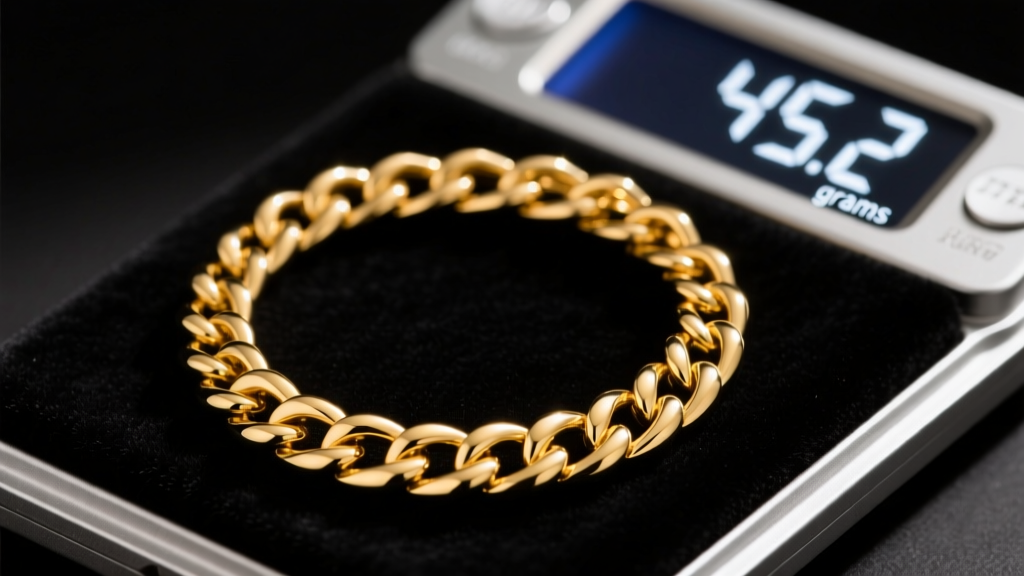
When you inherit, find, or consider selling a piece of fine jewelry, the most pressing question is often: how much is 18k gold necklace worth? The answer is rarely a single, static number. Instead, it is a variable equation dependent on the live commodities market, the piece's physical mass, its structural integrity, and its provenance. As gold prices continue to experience significant volatility leading into 2026, understanding the precise mechanics of jewelry appraisal is critical to avoiding lowball offers and costly mistakes.
This troubleshooting guide will walk you through the exact steps to verify authenticity, calculate baseline melt value, and identify hidden brand premiums that could multiply your necklace's worth.
The Core Problem: Melt Value vs. Retail vs. Resale Value
The biggest mistake sellers make is confusing retail replacement value with actual resale value. To accurately troubleshoot your necklace's worth, you must separate it into three distinct tiers:
- Melt (Scrap) Value: The absolute baseline. This is the value of the raw 18k gold if it were melted down into a bar today. It fluctuates daily with the commodities market.
- Retail Replacement Value: The cost to buy the exact same necklace new from a jeweler. This includes massive markups for labor, retail overhead, and brand prestige. Insurance companies use this number, but you will almost never get this amount when selling.
- Resale (Appraisal) Value: What a specialized buyer or collector will actually pay you. For generic chains, this is usually 70% to 90% of the melt value. For luxury designer pieces, it can exceed the melt value by 200% or more.
Step 1: Verify the 18k Hallmark (Troubleshooting Fakes)
Before doing any math, you must confirm the necklace is solid 18k gold. According to the Gemological Institute of America (GIA), 18k gold consists of 75% pure gold and 25% alloy metals (like copper, silver, or zinc) for durability.
Troubleshooting Hallmarks:
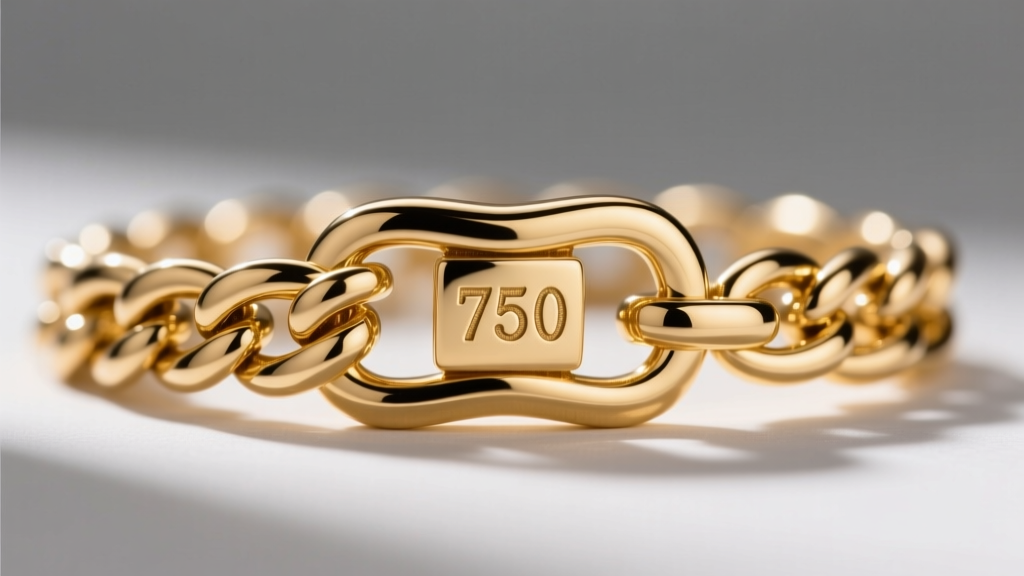
- Legitimate Stamps: Look for 18k, 18kt, 750, or AU750. These are globally recognized indicators of 75% purity.
- The 'GP' and 'GF' Traps: If the stamp reads 18k HGP (Heavy Gold Plated), 18k GP (Gold Plated), or 1/20 18k GF (Gold Filled), your necklace is primarily made of base metals like brass or copper. Its melt value is effectively zero.
- The Magnet Test: Pure gold is non-magnetic. Hold a strong neodymium magnet to the chain links. If it pulls, the chain is fake or heavily alloyed with steel. Note: The internal spring mechanism inside the clasp is often steel and will attract a magnet; always test the links themselves.
Step 2: Calculate the Melt Value (The Math)
Once verified, you need a precise digital jewelry scale to weigh the necklace in grams. To determine the baseline melt value, you must cross-reference your weight with the daily spot price of gold, which you can track via Kitco Live Gold Charts.
The Master Formula:
(Weight in Grams ÷ 31.103) × Current Spot Price × 0.75 = Melt Value
Why 31.103? That is the number of grams in one troy ounce, the standard unit of measurement for precious metals. Why 0.75? That represents the 75% pure gold content in 18k alloys.
Melt Value Calculation Matrix (Example Scenario)
Assuming a hypothetical spot price of $2,450 per troy ounce, here is how different necklace weights translate to raw melt value:
| Necklace Weight (Grams) | Troy Ounces (Total) | Pure Gold Content (oz) | Estimated Melt Value (@ $2,450/oz) |
|---|---|---|---|
| 5.0g (Delicate Chain) | 0.160 oz | 0.120 oz | $294.00 |
| 15.0g (Standard Pendant Chain) | 0.482 oz | 0.361 oz | $884.45 |
| 45.0g (Heavy Cuban Link) | 1.446 oz | 1.085 oz | $2,658.25 |
| 100.0g (Massive Statement Piece) | 3.215 oz | 2.411 oz | $5,906.95 |
Disclaimer: Gold buyers will typically pay 70% to 90% of this calculated melt value to account for their refining costs and profit margins.
Step 3: Factor in Craftsmanship, Brand, and Gemstones
If your necklace is a generic, unbranded chain, the melt calculation above is your final troubleshooting step. However, if your piece has specific origins, the value dynamics change entirely.
The Brand Premium Multiplier
Luxury jewelry houses command massive secondary market premiums. A 15-gram 18k gold chain from a mall jeweler is worth its melt value. A 15-gram 18k gold Cartier Panthère or Tiffany & Co. Mesh necklace, complete with original boxes and certificates, can sell for 2x to 5x its melt value on the secondary market. Always research the maker's mark stamped near the clasp before selling to a scrap buyer.
The Gemstone Deduction Problem
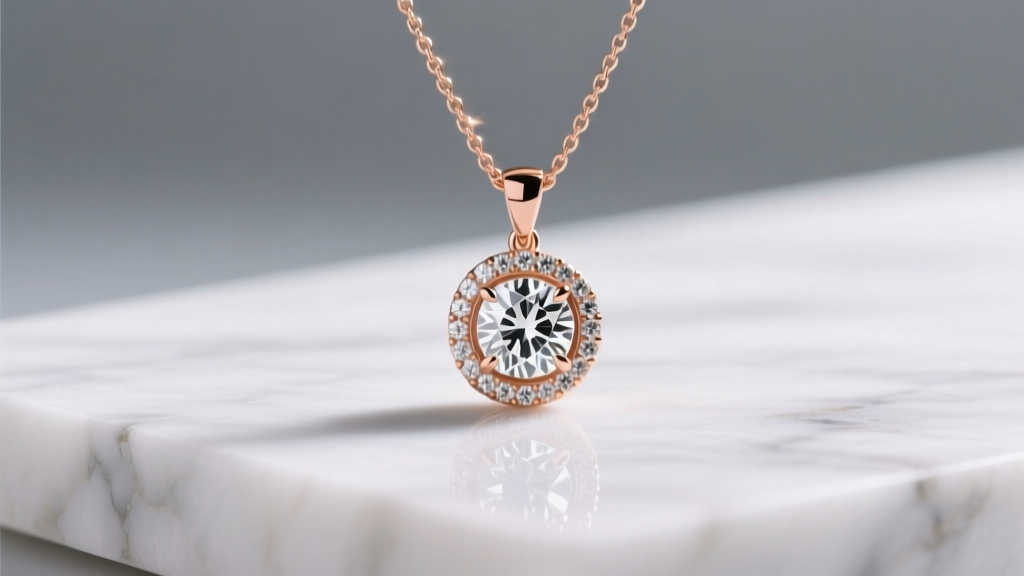
Does your 18k necklace feature diamonds or gemstones? Counterintuitively, small stones often reduce the immediate cash offer from a gold buyer. Refiners cannot melt gemstones; they must manually remove them. If the stones are melee diamonds (under 0.10 carats each), buyers will often deduct a 'labor fee' or simply refuse to pay for the stone weight. Unless your pendant features a large, certified center stone (e.g., a GIA-graded 1.00ct diamond), calculate your melt value based on the gold weight alone.
Common Appraisal Pitfalls and How to Avoid Them
When seeking a final cash offer, sellers frequently fall victim to industry tricks. The Federal Trade Commission (FTC) warns consumers to be vigilant against deceptive buying practices. Watch out for these specific red flags:
- The 'Solder' Trick: Chain links are often joined using solder. In lower-quality manufacturing, the solder is 10k or 14k gold, which slightly lowers the overall purity of the piece. Ethical buyers will assay the piece and offer a fair blended rate; predatory buyers will use the solder as an excuse to slash the per-gram offer by 30%.
- Bait-and-Switch Scales: Always weigh your necklace at home on a calibrated digital kitchen or jewelry scale before walking into a buyer's office. If their scale reads 12.4 grams and yours reads 14.1 grams, walk out immediately.
- Pawn Shop Lowballing: Pawn shops are lenders, not specialized precious metal refiners. They typically offer 30% to 50% of melt value to hedge their risk. For maximum return, seek out dedicated precious metal exchanges or high-end estate jewelry buyers.
Final Decision Framework: Sell, Melt, or Keep?
To conclude your troubleshooting process, use this rapid decision matrix to determine your next move:
- Sell to an Estate Buyer: If the necklace is a verified luxury brand (Cartier, Bvlgari, Van Cleef) or features a certified diamond over 0.50ct. Do not melt these.
- Sell to a Gold Refiner: If the necklace is a generic, broken, or heavily worn 18k chain with no brand prestige. Shop around to at least three local refiners and demand a quote based on the daily Kitco spot price.
- Keep and Repurpose: If the sentimental value outweighs the cash offer, or if the chain is a unique, heavy Italian weave (like a hand-faceted Franco) that would cost thousands to replace at retail.
Understanding exactly how much an 18k gold necklace is worth requires stripping away emotion and relying on hard data: weight, purity, and live market metrics. By verifying your hallmarks, doing the math yourself, and choosing the right buyer for your specific type of chain, you ensure that you capture the true value of your precious metals.


