Choosing the Perfect Lilac Necklace: Gemstone Material Comparison
Discover which gemstone makes the best lilac necklace. Compare lilac amethyst, kunzite, sugilite, and charoite for durability, color, and value.

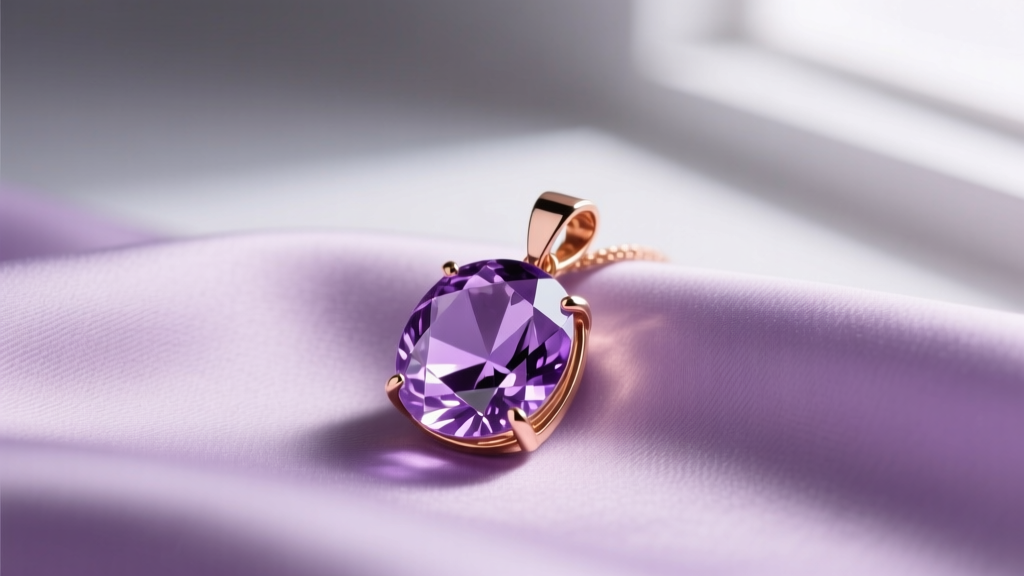
The Allure of the Lilac Necklace: Beyond the Color
When jewelry enthusiasts search for a lilac necklace, they are typically drawn to the soft, romantic, and calming violet-pink hues that define the color. However, from a gemological perspective, 'lilac' is not a single mineral but a color manifestation found across several distinct gemstone families. Selecting the right material for your necklace requires looking past the surface color and understanding the underlying crystal structure, durability, and environmental vulnerabilities of the stone.
In this comprehensive material comparison, we will dissect the four primary gemstones used to craft lilac necklaces: Rose de France Amethyst, Kunzite, Sugilite, and Charoite. Whether you are designing a custom pendant or purchasing a finished piece, understanding these material properties will dictate how the necklace wears over time, how it should be set, and how it must be maintained.
The Contenders: Decoding Lilac Gemstone Materials
Rose de France Amethyst (The Durable Classic)
The most common and accessible lilac gemstone is the Rose de France amethyst. Unlike its deep purple counterparts, this variety of quartz exhibits a delicate, pastel lilac hue. Gemologically, it shares the exact same physical properties as standard amethyst: a Mohs hardness of 7, a specific gravity of 2.65, and a refractive index of 1.544–1.553. Its color is caused by trace amounts of iron and natural irradiation within the quartz crystal lattice. Because it lacks cleavage planes, it is highly resistant to chipping, making it an exceptional choice for everyday pendants.
Kunzite (The Pleochroic Showstopper)
Kunzite is the pink-to-lilac variety of the mineral spodumene. It is renowned for its extreme pleochroism, meaning it displays different colors (often a deeper lilac-pink and a near-colorless hue) when viewed from different crystallographic angles. Master lapidaries must carefully orient the cut so the table facet aligns with the c-axis to maximize the lilac saturation. With a Mohs hardness of 6.5 to 7, it seems durable on paper, but kunzite possesses perfect cleavage in two directions, making it highly susceptible to splitting if struck against a hard surface.
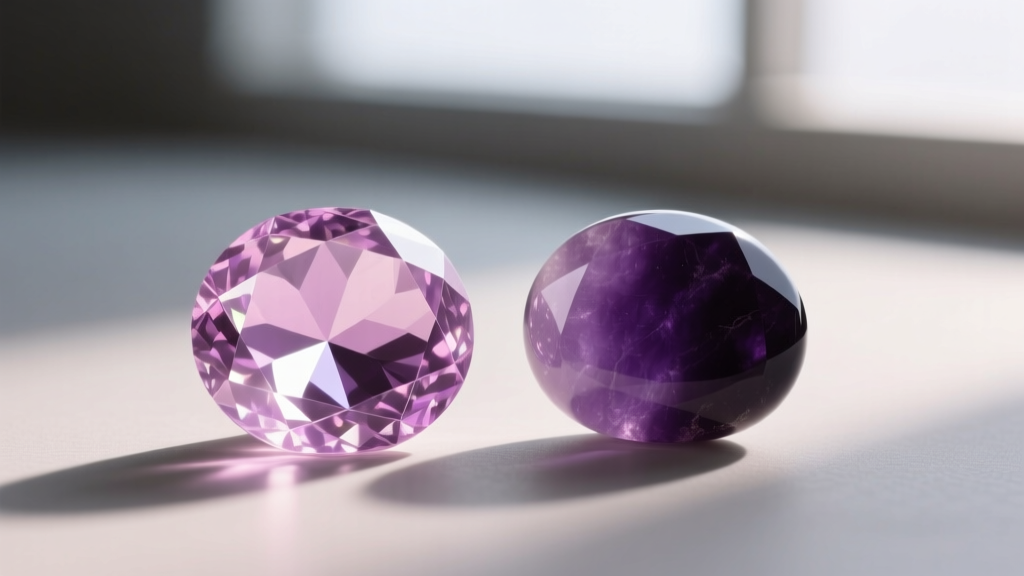
Sugilite (The Opaque Statement Stone)
For those who prefer opaque, cabochon-cut lilac necklaces, sugilite is a premier choice. Discovered in 1944 and gemologically classified as a cyclosilicate, sugilite's rich lilac-to-purple color is derived from manganese. High-grade sugilite, often referred to in the trade as 'jelly' or 'gel' grade, possesses a semi-translucent, waxy luster that mimics high-quality jade. It ranks between 5.5 and 6.5 on the Mohs scale, requiring protective bezel settings in necklace designs to prevent abrasion.
Charoite (The Swirling Silicate)
Charoite is a rare silicate mineral found exclusively in the Murun Mountains of Yakutia, Russia. Its lilac color is interspersed with swirling white, black, and orange patterns, creating a highly distinctive, psychedelic aesthetic. The radiating fibrous crystal structure of charoite often produces a subtle chatoyancy (cat's eye effect) when polished. Ranking 5 to 6 on the Mohs scale, it is relatively soft and porous compared to quartz, demanding careful wear and specific cleaning protocols.
Durability & Wearability: Mohs Hardness and Cleavage
When designing or purchasing a lilac necklace, the pendant's suspension point and setting style must be dictated by the gemstone's toughness. A necklace pendant rests on the sternum, an area prone to accidental impacts against desks, steering wheels, and doorways. Below is a comparative breakdown of the structural integrity of these four lilac materials.
| Gemstone Material | Mohs Hardness | Cleavage / Fracture | Toughness Rating | Recommended Setting |
|---|---|---|---|---|
| Rose de France Amethyst | 7.0 | None / Conchoidal | Good | Prong or Bezel |
| Kunzite (Spodumene) | 6.5 - 7.0 | Perfect (2 directions) | Fair to Poor | Heavy Bezel / Halo |
| Sugilite | 5.5 - 6.5 | None / Uneven | Fair | Bezel with Backing |
| Charoite | 5.0 - 6.0 | None / Splintery | Fair | Bezel / Cabochon |
As noted by the Gemological Institute of America (GIA), kunzite's perfect cleavage is a critical vulnerability. Jewelers must avoid using ultrasonic cleaners on kunzite lilac necklaces, as the high-frequency vibrations can cause internal fractures to propagate, effectively splitting the stone in half. Conversely, amethyst's conchoidal fracture means it will chip rather than split, making it vastly superior for active lifestyles.
Color Stability and Environmental Risks
A major consideration for any colored gemstone necklace is long-term color stability. Not all lilac stones are created equal when exposed to environmental stressors.
- Kunzite: Often dubbed the 'evening stone,' kunzite is notoriously sensitive to prolonged exposure to ultraviolet (UV) light and intense heat. Wearing a kunzite lilac necklace daily in direct sunlight over several years can cause the pastel lilac hue to fade into a pale, washed-out pink or near-white. It is best reserved for indoor or evening wear.
- Amethyst: While more stable than kunzite, amethyst can still undergo color fading if subjected to extreme, prolonged heat (such as being left on the dashboard of a hot car). According to GIA's amethyst care guidelines, sudden temperature changes can also induce internal stress fractures known as 'tiger lily' inclusions.
- Sugilite & Charoite: These opaque stones are generally color-stable in light, but their porous nature makes them vulnerable to chemical absorption. Perfumes, lotions, and hairsprays can seep into the micro-fissures of charoite, dulling its polished luster and altering its optical reflectivity over time.
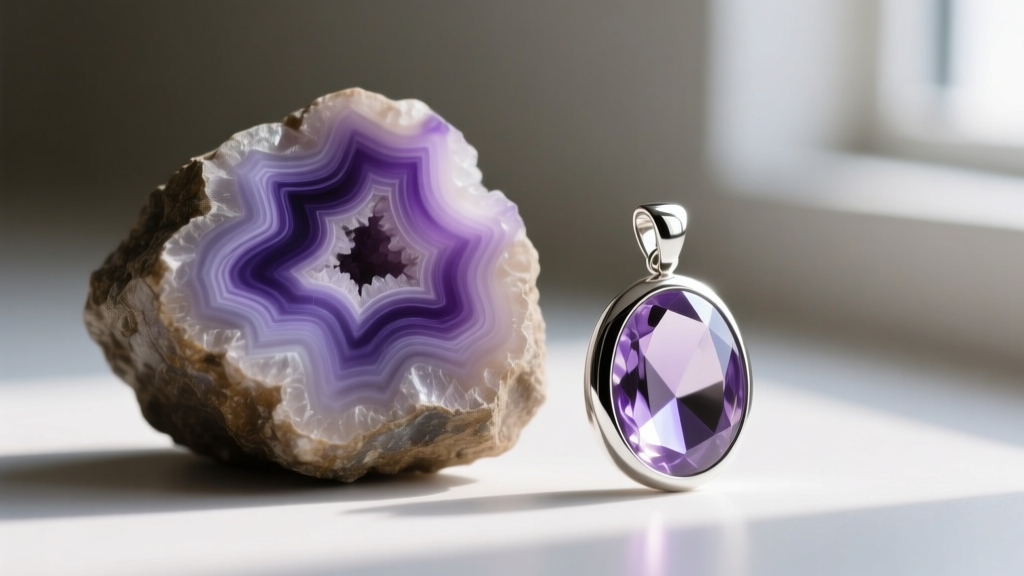
Pricing, Sourcing, and Market Value
The valuation of a lilac necklace varies wildly depending on the material's rarity, origin, and grade. Understanding these market dynamics prevents overpaying for commercial-grade stones.
Rose de France Amethyst
Sourced primarily from Brazil and Bolivia, this material is abundant. High-quality, eye-clean faceted stones typically range from $15 to $40 per carat. The value lies more in the precision of the lapidary cut and the metalwork of the necklace setting rather than the intrinsic rarity of the rough.
Kunzite
Mined predominantly in Afghanistan, Brazil, and Madagascar, kunzite pricing is heavily dependent on color saturation and clarity. Well-cut, highly saturated lilac kunzite commands between $30 and $100+ per carat. Stones over 10 carats are common, as the rough forms in massive pegmatite crystals, making it a favorite for dramatic, oversized cocktail pendants.
Sugilite
Authentic sugilite is sourced almost exclusively from the Hotazel mines in South Africa. Due to mine depletion and export restrictions, top-tier 'jelly' grade sugilite has seen massive price appreciation, often selling for $50 to over $150 per gram (not carat) for premium cabochons. Mineralogical databases like Mindat note the increasing scarcity of gem-grade manganese-rich veins, making high-end sugilite necklaces a legitimate collector's asset.
Charoite
With only one known commercial deposit in Russia, charoite is inherently rare. However, market prices remain accessible, generally ranging from $10 to $50 per gram depending on the vibrancy of the lilac color and the distinctiveness of the swirling chatoyant patterns.
Decision Framework: Choosing Your Lilac Necklace
To finalize your selection, apply this practical decision framework based on your intended wear habits:
- For Daily, Active Wear: Choose Rose de France Amethyst. Its 7 Mohs hardness, lack of cleavage, and resistance to environmental fading make it the only truly worry-free lilac stone for a pendant that will be worn to the office, the gym, and everywhere in between.
- For Evening and Formal Events: Choose Kunzite. Its exceptional clarity, high dispersion, and pleochroic flash make it unmatched under indoor lighting. Just remember to store it in a dark jewelry box when not in use.
- For Bohemian or Statement Styling: Choose Sugilite or Charoite. If your wardrobe leans toward artisan, opaque, or textural aesthetics, the waxy luster of jelly sugilite or the swirling fibrous patterns of charoite offer a unique, organic alternative to traditional faceted gems.
"A gemstone's beauty is only as enduring as its physical properties allow. When selecting a colored stone for a necklace, always prioritize the crystal's structural integrity and environmental stability over its initial visual impact."
By understanding the distinct gemological profiles of amethyst, kunzite, sugilite, and charoite, you can confidently invest in a lilac necklace that not only captures your desired aesthetic but also stands the test of time.


