Is an 18k Gold Plated Necklace Worth It? A Beginner's Guide
Discover if an 18k gold plated necklace is right for you. Learn about micron thickness, base metals, pricing, and care tips in this beginner guide.

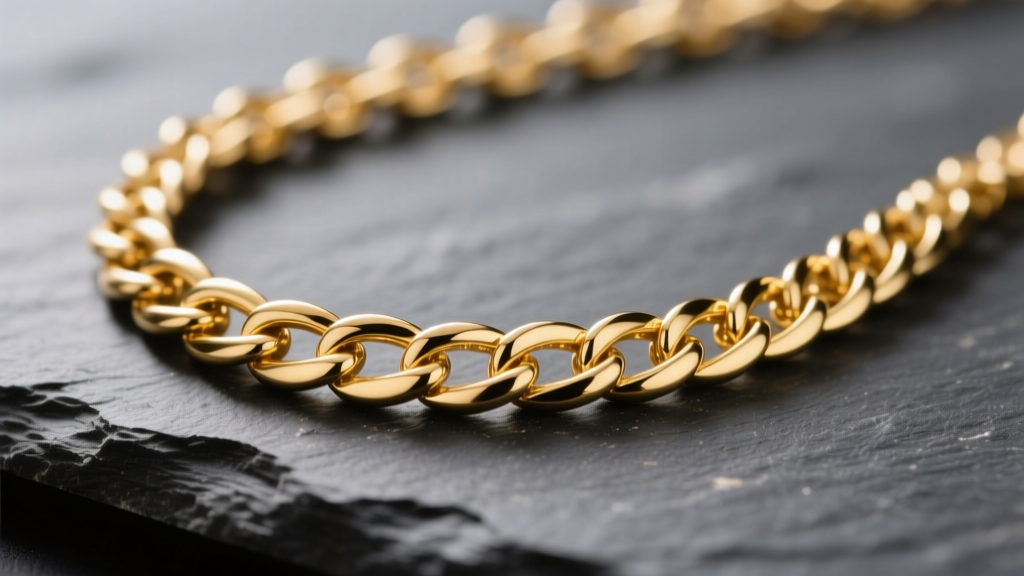
What Exactly is an 18k Gold Plated Necklace?
If you are stepping into the world of accessible luxury, you have likely encountered the term "18k gold plated necklace." But what does it actually mean, and is it a smart investment for your jewelry box? To understand this, we first need to break down the terminology. The "18k" refers to the purity of the gold used in the outer layer. Pure gold is 24 karats, which is too soft for everyday jewelry. Therefore, 18k gold is an alloy consisting of 75% pure gold and 25% other metals (usually copper, silver, or zinc) to add durability and achieve that rich, warm yellow hue.
"Plated" means that this 18k gold is not solid throughout. Instead, it is applied as a microscopic outer layer over a different, more affordable base metal using an electrochemical process called electroplating. According to the Gemological Institute of America (GIA), gold plating allows manufacturers to offer the luxurious appearance of high-karat gold at a fraction of the cost of solid gold pieces. However, not all plating is created equal, and understanding the nuances is the key to making a purchase you will not regret.
The Micron Mystery: Why Thickness Matters
The most critical factor in determining the lifespan and quality of an 18k gold plated necklace is the thickness of the gold layer, measured in microns (one-thousandth of a millimeter). This is where many beginners get tricked. A necklace might technically be "18k gold plated," but if the layer is impossibly thin, it will wear off in a matter of weeks.
The Federal Trade Commission (FTC) Jewelry Guides strictly regulate these terms to protect consumers. Here is a breakdown of the plating thickness tiers you will encounter in the market:
| Plating Type | Thickness (Microns) | Expected Lifespan (Daily Wear) | Best Use Case |
|---|---|---|---|
| Flash Plated | 0.01 - 0.1 | 1 - 3 Months | Trendy, seasonal costume jewelry |
| Gold Electroplate | 0.175+ | 6 - 12 Months | Affordable everyday basics |
| Heavy Gold Electroplate (HGE) | 2.5+ | 1 - 3 Years | High-quality demi-fine staples |
| Gold Vermeil | 2.5+ (over Sterling Silver) | 2 - 5+ Years | Premium demi-fine, heirloom alternatives |
For a piece you intend to wear regularly, always look for a minimum of 0.175 microns (standard electroplate), though 2.5 microns (heavy plate or vermeil) is the gold standard for longevity.
Base Metals: The Hidden Foundation
The metal hiding beneath the gold layer dictates the structural integrity, weight, and allergy-safety of your necklace. When the gold eventually wears down, the base metal is exposed. Here are the three most common foundations used for an 18k gold plated necklace:
1. Brass and Copper
Brass is the most common base metal for budget-friendly plated jewelry. It is inexpensive, easy to cast, and takes plating well. However, brass contains copper. When exposed to the chlorides and lactic acid in human sweat, copper oxidizes and creates copper chloride, which is notorious for turning your skin green. This is not a sign of toxic jewelry, but simply a chemical reaction indicating the plating has worn through.
2. Stainless Steel
Surgical-grade stainless steel (316L) is highly durable, tarnish-resistant, and hypoallergenic. It will never turn your skin green. The downside? Stainless steel is notoriously difficult to plate. The gold layer often struggles to bond securely to the steel, meaning it can chip or flake off rather than wearing away gracefully.
3. Sterling Silver (Vermeil)
When an 18k gold plated necklace uses a solid 925 sterling silver base and features a gold layer of at least 2.5 microns, it earns the legal designation of "Gold Vermeil." This is the pinnacle of demi-fine jewelry. Sterling silver is hypoallergenic, holds immense value, and provides an excellent, stable surface for gold adhesion.
Pricing Reality Check: What Should You Pay?
Understanding the intersection of base metals and micron thickness will save you from overpaying. Here is a realistic pricing framework for an 18k gold plated necklace in the current market:
- Flash Plated Brass ($15 - $35): Acceptable for fast-fashion trends or one-off event jewelry. Do not expect this to survive a summer of daily wear.
- Standard Electroplated Brass/Steel ($40 - $85): The sweet spot for affordable, trendy demi-fine brands. Good for moderate wear if cared for properly.
- Heavy Gold Electroplate / Vermeil ($95 - $250+): The investment tier. You are paying for the thick micron layer and the premium sterling silver base. These pieces can last for years and are often indistinguishable from solid gold to the naked eye.

5 Rules for Making Your Plated Necklace Last
The lifespan of your jewelry is entirely in your hands. Plated gold is susceptible to friction, chemicals, and moisture. Follow these five strict rules to maximize the life of your 18k gold plated necklace:
- The pH Rule: Your body chemistry matters. Highly acidic sweat breaks down gold plating rapidly. If you know you sweat heavily, remove your necklace before exercising or spending time in high humidity.
- The Chemical Rule: Always apply your perfumes, hairsprays, and lotions before putting on your jewelry. The alcohols and emulsifiers in cosmetics act as mild solvents that degrade the gold layer.
- The Friction Rule: Avoid wearing delicate plated chains to bed. The friction against your pillows and tossing/turning acts like fine sandpaper, slowly buffing the gold away from the high-contact areas.
- The Cleaning Rule: Never use silver polish, baking soda, or ultrasonic cleaners on plated jewelry. These will strip the gold instantly. Instead, use a few drops of pH-neutral dish soap in lukewarm water, gently rub with a soft microfiber cloth, and pat completely dry.
- The Storage Rule: Store your necklace in an airtight anti-tarnish pouch with a silica gel packet. Oxygen and ambient moisture are the enemies of the base metal hiding beneath the gold.
The Verdict: Who is this For?
An 18k gold plated necklace is an exceptional choice for the style-conscious beginner who wants the luxurious aesthetic of high-karat gold without the staggering price tag of solid pieces. By prioritizing micron thickness and choosing a hypoallergenic base metal like sterling silver (vermeil), you can build a stunning, durable jewelry collection that stands the test of time.
Ultimately, an 18k gold plated necklace bridges the gap between disposable costume jewelry and ultra-expensive fine jewelry. Armed with the knowledge of microns, base metals, and proper care, you are now ready to shop with confidence and build a jewelry wardrobe that truly shines.


