1920s Beaded Necklace Value: Pricing & Authentication Guide
Discover the true value of a 1920s beaded necklace. Our pricing guide covers authentication, materials, and restoration costs for collectors.

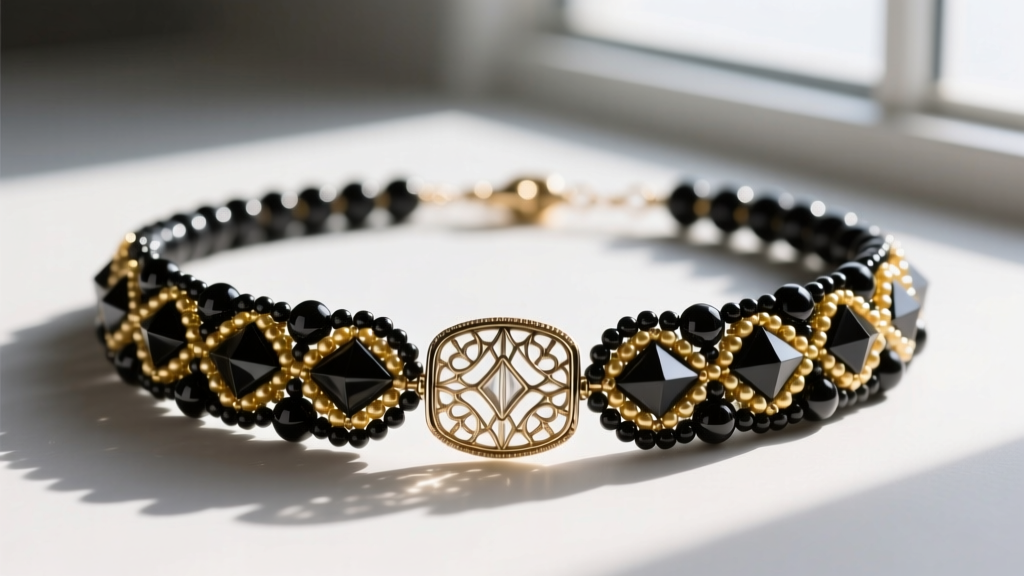
The Allure and Market Reality of 1920s Beaded Necklaces
The 1920s flapper era revolutionized jewelry, shifting the focus from heavy, formal Edwardian parures to long, swinging sautoirs and vibrant beaded necklaces that moved with the wearer. Today, the 1920s beaded necklace remains a highly sought-after artifact of Art Deco design. However, as we navigate the vintage jewelry market in 2026, buyers must be acutely aware of the widening gap between authentic period pieces and high-quality modern reproductions. Understanding the true value of these necklaces requires looking past the aesthetic and evaluating material science, structural integrity, and historical manufacturing techniques.
According to the Victoria and Albert Museum, the democratization of fashion in the 1920s meant that high-end couture jewelry was rapidly mimicked by mass-market manufacturers using innovative new materials. This dual-tier production is exactly why a 1920s beaded necklace can range in value from $40 to over $2,000. This guide provides a rigorous budget and value assessment framework for serious collectors and budget-conscious enthusiasts alike.
Material Breakdown: What Are You Actually Buying?
The value of a vintage 1920s necklace is inextricably linked to its material composition. Manufacturers in this era experimented wildly, resulting in distinct categories of beads that dictate modern pricing.
Czech Glass Seed Beads
The backbone of the 1920s beaded necklace was the Czech glass seed bead, typically sized between 11/0 (approx. 1.5mm) and 15/0 (approx. 1.0mm). Authentic pieces often feature hex-cut beads that catch the light, or intricate metallic lusters. Value drops significantly if the glass shows modern uniformity; vintage beads have slight size variations and occasionally contain tiny air bubbles trapped during the lampworking process.
Early Plastics: Bakelite vs. Celluloid
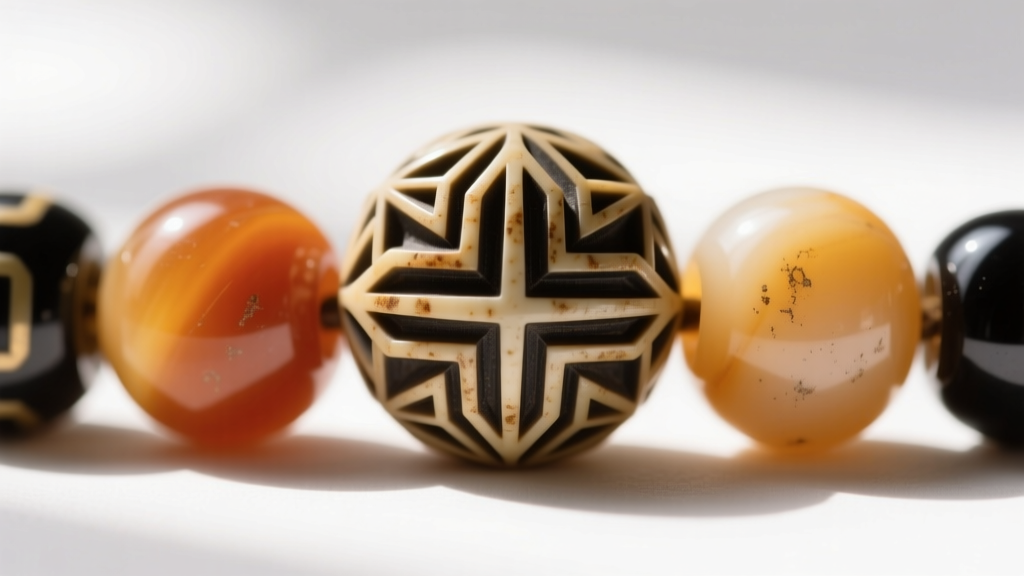 Bakelite (phenol formaldehyde) and celluloid were the wonder materials of the decade. Bakelite beads are heavy, emit a distinct carbolic acid smell when rubbed with a thumb, and command a premium. Celluloid, while beautifully carved to mimic ivory or jade, is highly unstable. It suffers from 'celluloid disease'—an off-gassing of nitric acid that causes the material to crack, crumble, and degrade over time. Budget Rule: Never pay a premium for cracked celluloid; the degradation is irreversible and can damage adjacent beads.
Faux Pearls and Essence d'Orient
High-end 1920s faux pearls were coated in essence d'orient, a mixture of guanine (derived from fish scales) and lacquer. Under a jeweler's loupe, authentic 1920s faux pearls show overlapping, plate-like layers and occasional micro-flaking near the drill holes. Modern plastic pearls coated in synthetic pearlescent paint lack this depth and structural imperfection, instantly identifying them as post-1950s reproductions.
2026 Pricing Tiers and Value Assessment Matrix
To accurately assess a 1920s beaded necklace, we must categorize it into one of four distinct market tiers. Use this matrix when evaluating estate sales, auction lots, or online listings.
| Value Tier | Price Range (2026) | Defining Characteristics | Budget Verdict |
|---|---|---|---|
| Tier 1: Decorative | $30 - $75 | Cotton-strung, minor bead loss, modern push-pin clasps, or high-quality 1980s reproductions. | Buy for costume wear; zero investment value. |
| Tier 2: Collector Standard | $80 - $250 | Intact Czech glass or faux pearl sautoirs, original silk knotting, period-correct barrel clasps. | The sweet spot for authentic Art Deco style on a budget. |
| Tier 3: Premium Vintage | $250 - $600 | Incorporation of tested Bakelite, uranium glass (Vaseline beads), rare geometric Art Deco pendants. | Strong value retention; highly sought after by specialized collectors. |
| Tier 4: Museum / Signed | $600 - $2,500+ | Early signed pieces (e.g., early Miriam Haskell, Chanel), pristine provenance, complex multi-strand bibs. | Investment grade; requires climate-controlled storage. |
Authentication vs. Reproduction: Spotting the Fakes
The market is currently saturated with 'vintage-style' necklaces imported from overseas. Differentiating a true 1920s beaded necklace from a modern replica requires examining the findings and the stringing medium.
The Clasp Test
As detailed by Lang Antiques' Antique Jewelry University, clasps are the most reliable indicators of age. A genuine 1920s piece will typically feature a barrel clasp, a push-in box clasp, or an early spring-ring clasp. Early spring rings often lack the modern 'tab' used to pull the mechanism back, or they feature a tiny 'V' stamp. If the necklace has a modern lobster claw clasp or a large, stamped '925' toggle, it is either a modern reproduction or an authentic strand that has been clumsily altered, which drastically reduces its vintage value.
Thread and Knotting Analysis
Authentic 1920s necklaces were strung on silk or early cotton threads. Over a century, silk undergoes protein degradation, leading to stretching, fraying, and eventual snapping. If you pull the necklace gently and the thread shows zero stretch, feels wiry, or has a synthetic sheen, it has likely been restrung with modern nylon or polyester. While restringing is normal, a necklace on its original, slightly stretched silk thread holds a 15-20% premium for purist collectors.
The 'Silk Rot' Factor: Calculating Restoration Costs
 When buying a Tier 1 or Tier 2 necklace, you must factor in the inevitable cost of restoration. 'Silk rot' is the primary failure mode for 1920s beaded jewelry. If the thread is brittle or the necklace kinks unnaturally when laid flat, it requires immediate restringing to prevent catastrophic bead loss. Professional restringing of a 30-inch sautoir with individual knotting typically costs between $60 and $120 in 2026. Budget Strategy: Intentionally purchase beautiful but broken 'as-is' strands at estate sales for $20-$40, and invest in professional restringing to create a pristine, museum-quality piece for under $150.
Smart Buying Strategies for Budget-Conscious Collectors
If your goal is to acquire an authentic 1920s beaded necklace without overpaying, adopt the following tactical approaches:
- Target Uranium Glass: Czech glass beads containing uranium (Vaseline glass) glow vividly under UV light. These are incredibly difficult to fake and offer a built-in authentication guarantee. They usually sit at the lower end of Tier 3 pricing.
- Examine the Drill Holes: Use a 10x loupe to inspect the bead holes. Vintage 1920s beads were drilled mechanically, often resulting in slightly irregular, conical entry points. Modern laser or high-speed CNC drilling leaves perfectly uniform, sharp-edged cylindrical holes.
- Avoid 'Frankenstein' Strands: Some sellers combine broken vintage necklaces into one long strand. Look for color consistency, uniform bead patina, and matching wear patterns around the drill holes. A necklace with mixed wear patterns is a composite piece and should be priced at Tier 1 levels.
Final Verdict on 1920s Beaded Value
Evaluating a 1920s beaded necklace is an exercise in historical forensics. By shifting your focus from the mere visual appeal to the tactile and chemical realities of Czech glass, early plastics, and period-correct findings, you can confidently navigate the market. Whether you are hunting for a $50 estate sale bargain to restring yourself or investing $500 in a pristine Bakelite and seed bead sautoir, understanding these material and structural nuances ensures your budget is spent on genuine Art Deco history, not modern nostalgia.


