2026 Jewelry Necklace Holder Buying Guide: What to Look For
Discover the best jewelry necklace holder options for 2026. Learn about anti-tarnish materials, capacity, and styles to keep your chains tangle-free.

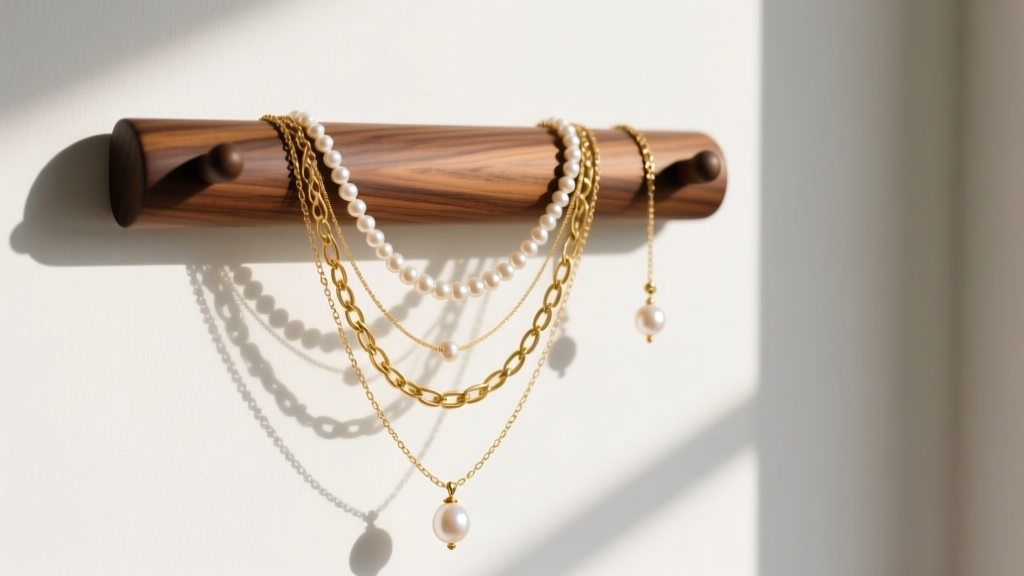
The Hidden Cost of Tangled Chains
There is a specific kind of entropy that occurs inside a standard jewelry box. When necklaces are piled together, the kinetic energy from opening and closing the drawer causes the links to shift. Because chain links are essentially tiny, interlocking hooks, this movement inevitably results in severe knotting. Over time, forcing these knots apart weakens the metal, stressing the soldering points on delicate cable chains and potentially snapping them. Investing in a dedicated jewelry necklace holder is not merely an aesthetic choice; it is a critical preservation strategy for your collection. This comprehensive buying guide breaks down the exact materials, hardware specifications, and form factors you need to evaluate in 2026 to protect your investment.
Core Materials: Anti-Tarnish vs. Aesthetic
The material of your organizer directly impacts the chemical environment surrounding your metals. Sterling silver, in particular, is highly susceptible to hydrogen sulfide in the ambient air, which causes rapid tarnishing. When selecting a holder, you must evaluate the surface materials that will come into direct contact with your pieces.
The Danger of Raw Wood and MDF
While rustic wooden necklace trees are visually appealing, raw or poorly sealed wood emits acidic vapors and moisture. According to GIA's gem care guidelines, porous materials can trap humidity and release organic acids that will permanently degrade soft gemstones like pearls and opals, while accelerating the oxidation of silver. If you prefer a wooden aesthetic, ensure the wood is heavily sealed with a polyurethane finish or lined with an inert barrier.
Velvet, Microfiber, and Pacific Silvercloth
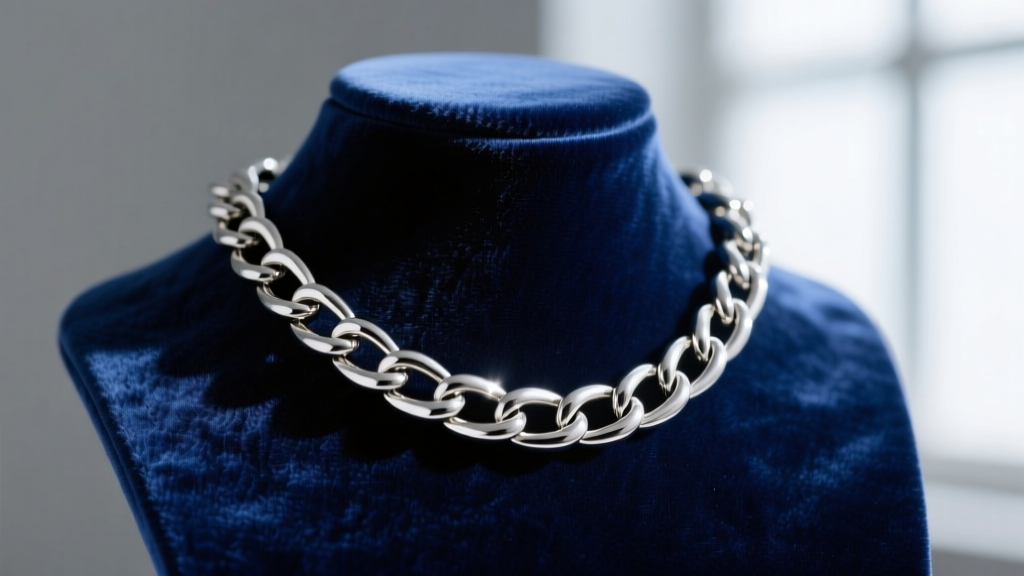
For high-end collections, look for holders lined with treated flannel or Pacific Silvercloth. These fabrics are embedded with microscopic silver particles that intercept and absorb hydrogen sulfide before it can reach your jewelry. A standard velvet bust is excellent for preventing micro-scratches on high-polish gold, but it will not stop tarnishing unless the holder is kept inside an airtight acrylic vitrine.
Sizing and Capacity Matrix
Choosing the right size requires an honest audit of your current collection and your purchasing habits. Below is a structural matrix to help you match holder dimensions to specific necklace profiles.
| Holder Type | Hook Spacing | Max Weight per Hook | Best Suited For |
|---|---|---|---|
| Standard Wall Rack | 1.5 - 2.0 inches | 15 grams | Delicate cable chains, solitaire pendants |
| Premium Wide Rack | 2.5 - 3.5 inches | 60+ grams | Layered sets, heavy Cuban links, statement bibs |
| Freestanding Bust | N/A (Draped) | N/A | Chokers, pearl strands, collar necklaces |
| Travel Roll | Variable | 20 grams | Vacation essentials, minimal daily wear |
Hardware and Hook Specifications
The hooks on a jewelry necklace holder bear the entire structural load of your collection. Many mass-produced organizers fail because they utilize thin, 1mm aluminum wire hooks that bend under the weight of a solid gold chain.
Weight Tolerance and Gauge
When evaluating a holder, check the gauge of the hooks. You want a minimum thickness of 2mm to 3mm, ideally crafted from solid brass or stainless steel. A standard 18-inch, 3mm solid gold Cuban link chain can easily weigh between 40 and 60 grams. Flimsy hooks will warp outward, causing necklaces to slide off and pile on the floor. Furthermore, the hook ends should be capped or smoothly polished; rough, machine-cut wire ends will snag and scratch soft metals.
Vertical Clearance
Do not overlook the vertical drop. If you own long 24-inch to 30-inch opera-length chains or necklaces with heavy, oversized pendants, a holder with only 8 inches of vertical clearance will result in the pendants resting on the surface below, defeating the purpose of hanging them. Look for a minimum vertical clearance of 12 inches for wall-mounted units.
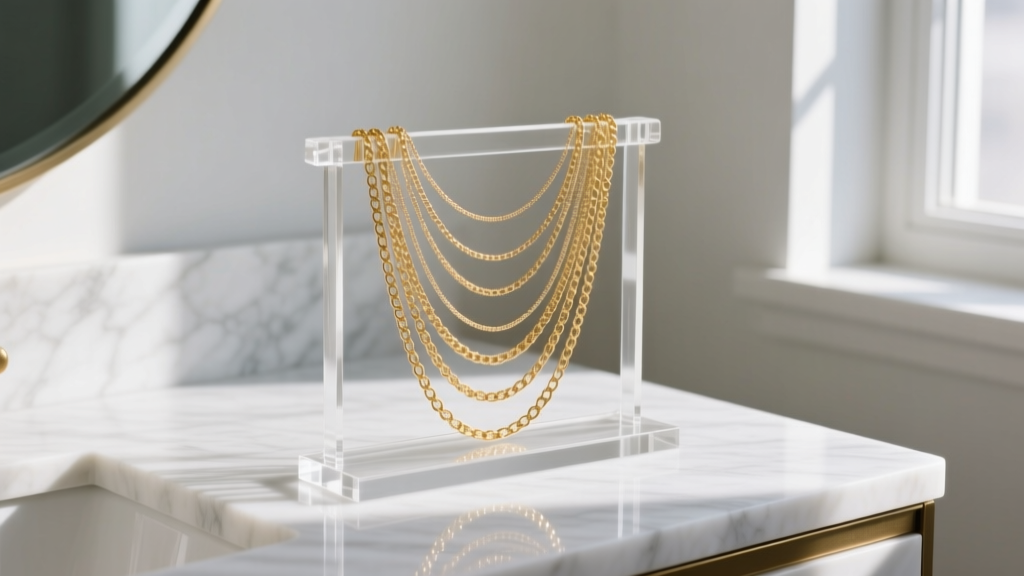
Form Factors: Wall-Mounted vs. Freestanding vs. Travel
Your spatial constraints and lifestyle will dictate the ideal form factor. Each style offers distinct advantages and compromises regarding accessibility and protection.
The Wall-Mounted Advantage
Wall-mounted racks are the gold standard for preventing tangles because they allow gravity to keep chains perfectly straight. They also turn your collection into functional wall art. The primary drawback is installation; you must use drywall anchors rather than relying on adhesive strips, which frequently fail under the dynamic load of removing and replacing heavy chains.
Freestanding Trees and Busts
Freestanding organizers are ideal for renters or those who frequently rearrange their vanity space. However, necklace trees with a central pole and radiating branches often suffer from a crowding effect. If you choose a tree, opt for a staggered, asymmetrical branch design that provides at least 3 inches of lateral space between hanging points. Busts are superior for chokers and rigid collar necklaces that cannot be hung from a hook without risking structural damage to their clasps.
Travel Organizers: Hard-Shell vs. Soft Roll
For travel, avoid soft velvet rolls if you are packing heavy pendants. When a soft roll is compressed inside a suitcase, the pendants can press into the chains, leaving permanent indentations or causing kinks. Instead, look for hard-shell EVA foam travel cases with dedicated, snap-down elastic straps that secure the chain flat against a padded interior, as recommended by top home organization experts.
Pro Tip: Always unclasp your necklaces before hanging them on a jewelry necklace holder. Hanging a necklace by its clasp puts undue stress on the spring-ring or lobster mechanism, eventually wearing out the internal spring and causing the clasp to fail.
Expert Verdict: Matching Holder to Collection Size
Ultimately, the best jewelry necklace holder is one that scales with your habits. If you possess a curated collection of 10 to 15 everyday pieces, a premium, anti-tarnish lined acrylic vitrine will offer the best protection against dust and oxidation. For the maximalist with over 40 chains of varying lengths, a custom-configurable wall-mounted system with adjustable, heavy-gauge brass pegs is the only viable solution to maintain visibility and prevent kinetic tangling. By prioritizing hook gauge, material inertness, and adequate spatial clearance, you will extend the lifespan of your chains and ensure your collection remains pristine and ready to wear.


