The Ultimate Guide to the 2 Piece Heart Necklace
Discover how to choose, style, and care for a 2 piece heart necklace. Learn about metals, chain lengths, and gifting tips in this beginner's guide.

What Exactly is a 2 Piece Heart Necklace?
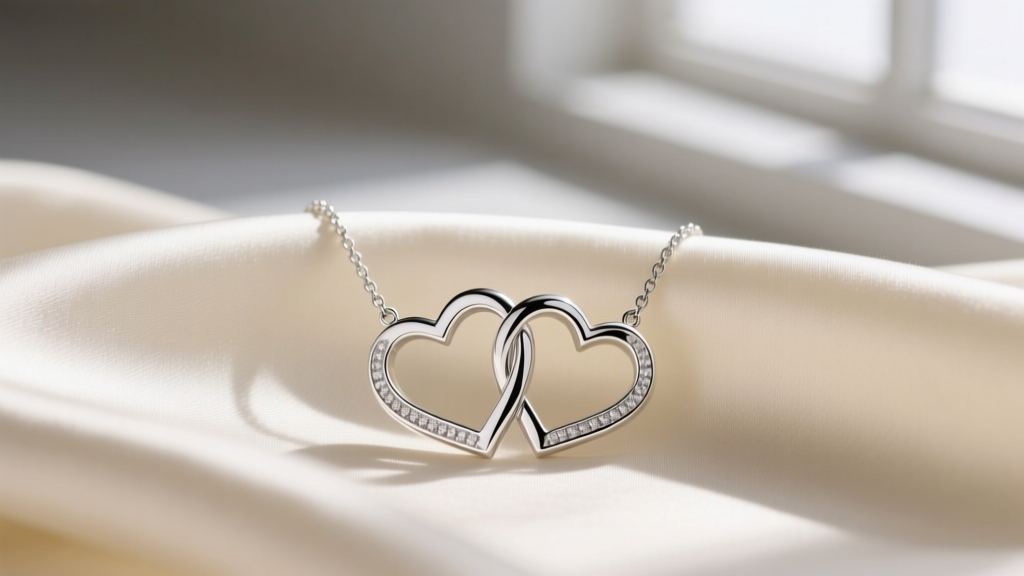
The 2 piece heart necklace—often referred to as a puzzle heart, split heart, or best friend necklace—is a timeless symbol of connection. At its core, it consists of a single heart pendant that is divided into two distinct, interlocking halves. One half is worn by you, and the other is gifted to someone who holds a special place in your life. While historically popular among teenagers as friendship jewelry, the 2 piece heart necklace has evolved into a sophisticated accessory for couples, mothers and daughters, and even as a self-love reminder where the second half is kept in a memory box.
For beginners stepping into the world of meaningful jewelry, navigating the sheer volume of options can be overwhelming. From cheap mall-kiosk alloys to fine jewelry boutiques, the quality variance is massive. This guide will break down the metallurgy, chain mechanics, and styling techniques you need to know before making a purchase.
Decoding the Metals: What to Buy (and What to Avoid)
The most critical mistake beginners make is prioritizing the pendant's design over its metal composition. Because a 2 piece heart necklace rests directly against the sternum—an area prone to sweat and body oils—reactive metals will quickly tarnish, turn your skin green, or trigger contact dermatitis.
According to the Gemological Institute of America (GIA), sterling silver must contain at least 92.5% pure silver, with the remainder usually being copper for added strength. However, if you have sensitive skin, you must ensure the alloy is nickel-free. Here is a breakdown of the most common metals used in split heart pendants:
| Metal Type | Composition & Grade | Durability & Tarnish Resistance | Estimated Price Range |
|---|---|---|---|
| 316L Surgical Steel | Iron, chromium, molybdenum, ultra-low carbon | Highly durable, waterproof, zero tarnish | $15 - $40 |
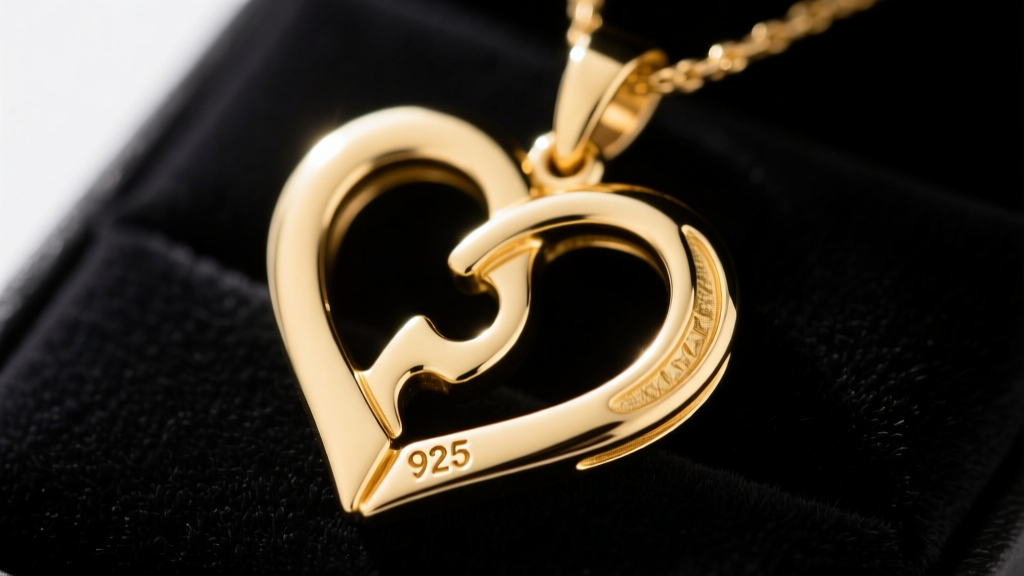
| 925 Sterling Silver | 92.5% pure silver, 7.5% copper (or zinc) | Moderate; requires polishing to remove oxidation | $35 - $90 |
| 14k Gold Vermeil | Thick 14k/18k gold plating (min 2.5 microns) over 925 silver | Good, but will eventually wear down to silver base | $60 - $150 |
| Solid 14k Gold | 58.3% pure gold alloyed with silver, copper, or zinc | Exceptional; lifetime durability, waterproof | $250 - $600+ |
Metals to Avoid: Steer clear of terms like "Tibetan Silver," "Alpaca," or "German Silver." These are not silver at all; they are copper-nickel-zinc alloys that frequently cause severe allergic reactions and rapid green discoloration on the skin.
Chain Styles and Lengths That Actually Work
A beautiful 2 piece heart pendant is useless if the chain snaps after a week of wear. The pendant's weight—typically ranging from 3 to 6 grams for a standard 15mm to 20mm heart—requires a chain with adequate tensile strength.
The Best Chain Profiles for Split Hearts
- Cable Chain (1.2mm - 1.5mm): The classic choice. The uniform oval links distribute weight evenly and allow the puzzle pieces to lay flat against the collarbone without twisting.
- Box Chain (1.0mm - 1.2mm): Made of square links connected in a smooth, continuous line. Box chains are incredibly strong for their thickness and offer a modern, geometric contrast to the curved heart pendant.
- Rope Chain (Avoid Hollow Varieties): While beautiful, many budget rope chains are hollow to save on metal costs. These crush easily and are nearly impossible to repair if the pendant snags.
Dialing in the Length
For a standard 2 piece heart necklace, the ideal length depends on the wearer's neckline. A 16-inch chain sits snugly on the collarbone, acting almost like a choker, which is ideal for smaller, daintier puzzle hearts. An 18-inch chain is the universal standard, resting just below the collarbone and perfectly framing the neckline of most crew-neck and scoop-neck shirts.
Pro-Tip on Clasps: Always check the clasp mechanism. A lobster clasp is vastly superior to a spring-ring clasp for pendant necklaces. Spring rings are notorious for failing because the tiny internal tension spring easily breaks or gets stuck, leading to lost jewelry.
Engraving and Customization Limits
Many buyers want to engrave initials or dates on their half of the heart. If you are opting for a standard 15mm wide puzzle piece, your surface area is incredibly limited—roughly 7mm of flat space at the widest point.
For spaces this small, laser engraving is mandatory. Traditional rotary engraving (which uses a spinning diamond-tipped bit) requires too much physical space and can warp thin metal plates. Laser engraving can accurately reproduce 4pt to 6pt fonts, allowing you to fit a 10-character date (e.g., 10.24.2021) or a short initial set (e.g., A + M) without compromising the structural integrity of the pendant.

Layering Your Half of the Heart
One of the most common questions beginners ask is how to wear their half of the necklace when the other person isn't around. The asymmetrical, jagged edge of a puzzle heart actually makes it a fantastic candidate for layered necklace stacks.
To execute a balanced layering technique, use the "Rule of Three" with a 2-inch variance between chains:
- Base Layer (14 inches): A simple, minimalist gold or silver herringbone choker or a tiny bezel-set gemstone.
- The Focal Point (16 or 18 inches): Your 2 piece heart necklace on a cable chain.
- The Anchor (20 inches): A heavier pendant, such as a solid gold bar, a coin pendant, or a lariat drop.
By framing the jagged edge of the split heart between smooth, geometric shapes, you elevate the piece from a sentimental trinket to a deliberate, high-fashion styling choice.
Caring for Your Split Heart Pendant
The interlocking teeth of a puzzle heart are notorious traps for dead skin cells, lotion residue, and environmental dust. Over time, this buildup can make the pieces fit together poorly and dull the metal's shine. The GIA recommends regular, gentle cleaning for all gold and silver jewelry to maintain light reflection and prevent long-term corrosive damage from cosmetics.
The 5-Minute Monthly Deep Clean
- Step 1: Mix a few drops of mild, phosphate-free dish soap into a bowl of lukewarm (not hot) water.
- Step 2: Submerge both halves of the heart necklace for 3 to 5 minutes to loosen debris.
- Step 3: Using an extra-soft baby toothbrush, gently brush the interlocking puzzle teeth and the bail (the loop where the chain attaches).
- Step 4: Rinse thoroughly under distilled water to avoid hard water spots, and pat dry with a microfiber cloth.
Crucial Warning: Never wear your 2 piece heart necklace in a chlorinated pool or hot tub. Chlorine aggressively attacks the alloy metals (like copper and zinc) in both sterling silver and 14k gold, leading to micro-fractures and permanent discoloration.
Final Thoughts
A 2 piece heart necklace is more than just a piece of metal; it is a tangible representation of a bond. By prioritizing hypoallergenic metals like 925 sterling silver or 316L surgical steel, selecting a sturdy cable or box chain, and committing to basic maintenance, you ensure that your symbol of connection lasts just as long as the relationship it represents. Whether you are gifting it to a lifelong friend, a partner, or keeping a piece for yourself, understanding the craftsmanship behind the jewelry makes wearing it all the more meaningful.


