Cleaning & Care for a Halloween Horror Nights Necklace
Learn expert cleaning and maintenance tips for your Halloween Horror Nights necklace to protect enamel, base metals, and leather from theme park wear.

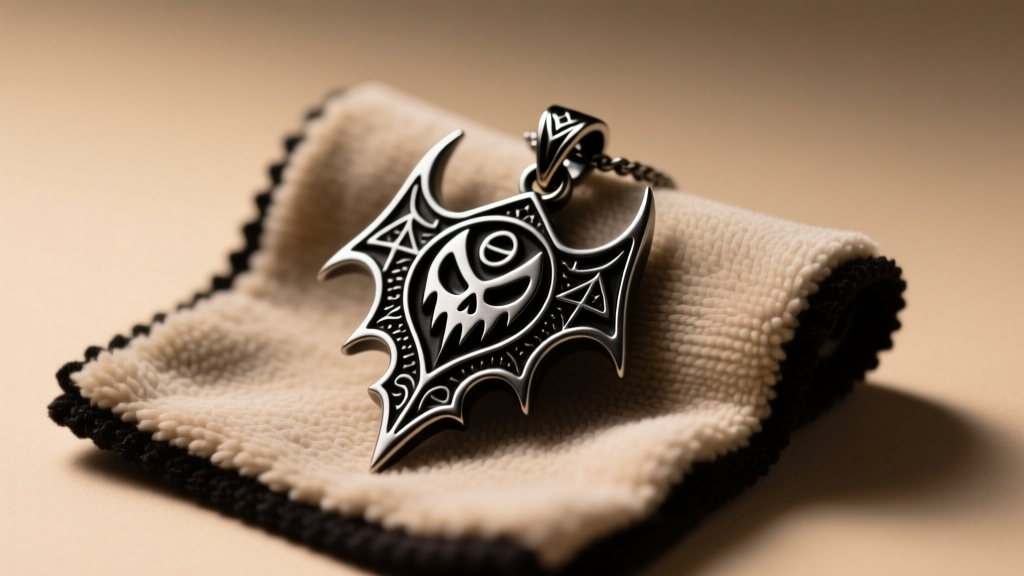
Collecting event-exclusive merchandise is a massive part of the theme park experience, and a Halloween Horror Nights necklace is often the crown jewel of any horror fan's collection. Whether you secured a limited-edition icon pendant, a glow-in-the-dark acrylic piece, or a heavy metallic chain from Universal Studios, these items are subjected to some of the harshest environments in the jewelry world. Between the humid Florida or California nights, the acidic sweat of navigating crowded scare zones, and the chemical residue from theatrical fog machines, your necklace takes a beating.
Unlike fine jewelry crafted from solid 14k gold or platinum, theme park merchandise relies on specific base metals, cold enamels, and mixed media that require highly specialized care. Using the wrong cleaning method can strip antique plating, melt resin details, or cause irreversible oxidation. This comprehensive guide will walk you through the exact material science of your event jewelry and provide a professional-grade maintenance protocol to keep your horror collection pristine for years to come.
The Material Science of Theme Park Horror Jewelry
To properly clean your necklace, you must first understand what it is actually made of. According to manufacturing standards for mass-produced event merchandise, most pendants are not solid silver or steel. They are typically cast from Zamak 3 or Zamak 5, which are zinc alloys containing aluminum, magnesium, and copper. This alloy is chosen for its excellent casting detail—perfect for capturing the intricate, grotesque textures of horror icons—but it is highly porous and prone to oxidation if the protective topcoat is compromised.
Furthermore, the "paint" or color filling on these pendants is rarely true vitreous enamel (which is fired glass). Instead, manufacturers use cold enamel, which is essentially a pigmented epoxy resin. While durable against minor impacts, cold enamel is highly sensitive to heat, alcohol-based solvents, and ultrasonic vibrations. The chains accompanying these pendants are usually 304 or 316L stainless steel, which are relatively rust-resistant, but the jump rings and clasps are often made of cheaper plated brass that can corrode when exposed to the salt in human sweat.
The Step-by-Step Cleaning Protocol
Forget the harsh commercial silver dips or ultrasonic cleaners you might use for fine jewelry. The Gemological Institute of America (GIA) strictly advises against using ultrasonic waves on any jewelry featuring epoxy resins, porous base metals, or antiqued finishes, as the vibrations can shatter the resin and strip the darkened patina from the crevices of your horror pendant.
Step 1: The Dry Debris Removal
Before introducing any moisture, use a soft-bristled makeup brush or a clean, dry microfiber cloth to gently sweep away loose dust, dried sweat, and fog machine residue. Pay special attention to the deep crevices of skull motifs or monster textures where particulate matter loves to hide.
Step 2: The pH-Neutral Wash
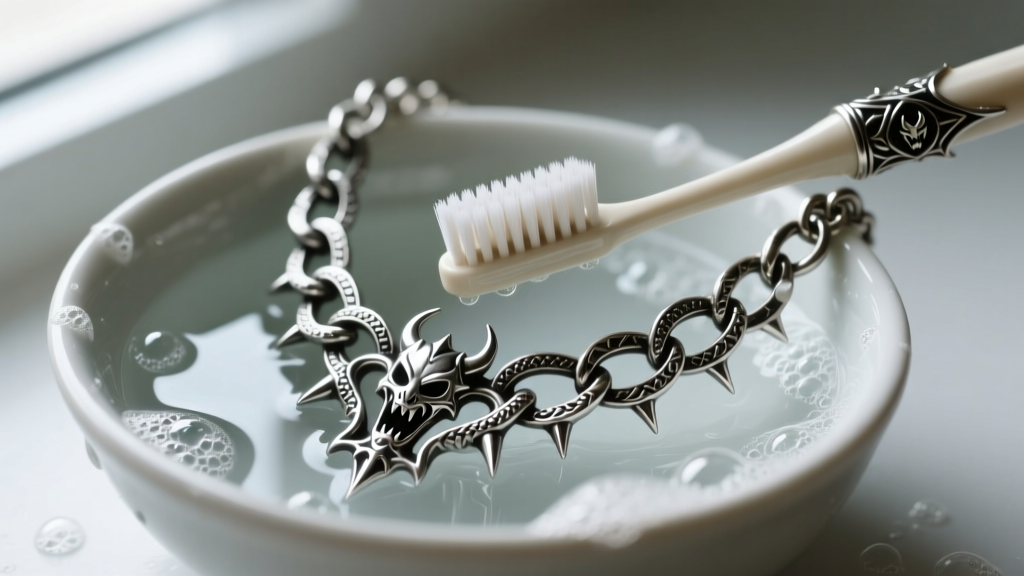
Mix a few drops of pH-neutral dish soap (like Dawn) into a bowl of distilled water. Avoid tap water, as the chlorine and fluoride can react with exposed zinc alloy. Dip a soft baby toothbrush into the solution and gently agitate the surface of the metal. Do not scrub the cold enamel directly; instead, let the soapy water lift the oils from the resin.
Step 3: The Controlled Rinse and Dry
Rinse the necklace briefly under a gentle stream of distilled water. Immediately pat it dry with a lint-free microfiber cloth. Do not let the piece air dry, as water spots will form on the stainless steel chain, and lingering moisture near the clasp will trigger rust. Use a hair dryer on the cool setting to blow out any trapped water from the jump rings and chain links.
Material-Specific Maintenance Chart
Different components of your Halloween Horror Nights necklace require different approaches. Use this quick-reference matrix to avoid catastrophic damage during your cleaning routine.
| Component Material | Primary Vulnerability | Approved Cleaning Agent | Strict Prohibitions |
|---|---|---|---|
| Zinc Alloy (Zamak) Pendant | Plating loss, white oxidation | Distilled water + mild surfactant | Silver polish, ammonia, baking soda |
| Cold Enamel (Epoxy Resin) | Clouding, melting, chipping | Damp microfiber cloth only | Rubbing alcohol, ultrasonic cleaners |
| 304 Stainless Steel Chain | Water spots, sebum buildup | Warm soapy water, jewelry wipes | Bleach, chlorine pool water |
| Leather or Waxed Cotton Cord | Sweat degradation, snapping | Saddle soap (sparingly) | Submersion in water, heat drying |
Troubleshooting Common Theme Park Jewelry Failures
Even with meticulous care, the harsh environment of a haunted theme park can cause specific issues. Here is how to troubleshoot the most common problems reported by collectors.
The "Green Neck" Syndrome
If your pendant leaves a green or black smudge on your chest, the protective clear coat on the zinc alloy has worn off, allowing the copper content in the Zamak to react with your skin's natural acids and lotions. To fix this, clean the back of the pendant thoroughly with a mild soap solution, dry it completely, and apply a thin, even coat of Jeweler's Secret coating or clear, non-yellowing polyurethane spray. This creates a permanent barrier between the base metal and your skin.
Clasp Corrosion and Stiff Jump Rings
The lobster clasps on event merchandise are notorious for seizing up after exposure to high humidity and sweat. If your clasp feels stiff, do not force it, as the internal spring is likely rusted. Apply a microscopic drop of synthetic watch oil (never WD-40, which attracts dust and degrades plastics) to the hinge mechanism. Work the lever back and forth until the oil penetrates, then wipe away all excess with a cotton swab.
Post-Season Storage and Preservation
How you store your necklace for the 11 months it is not being worn is just as critical as how you clean it. The Jewelers of America emphasizes that controlling ambient humidity is the single most effective way to prevent base metal oxidation.
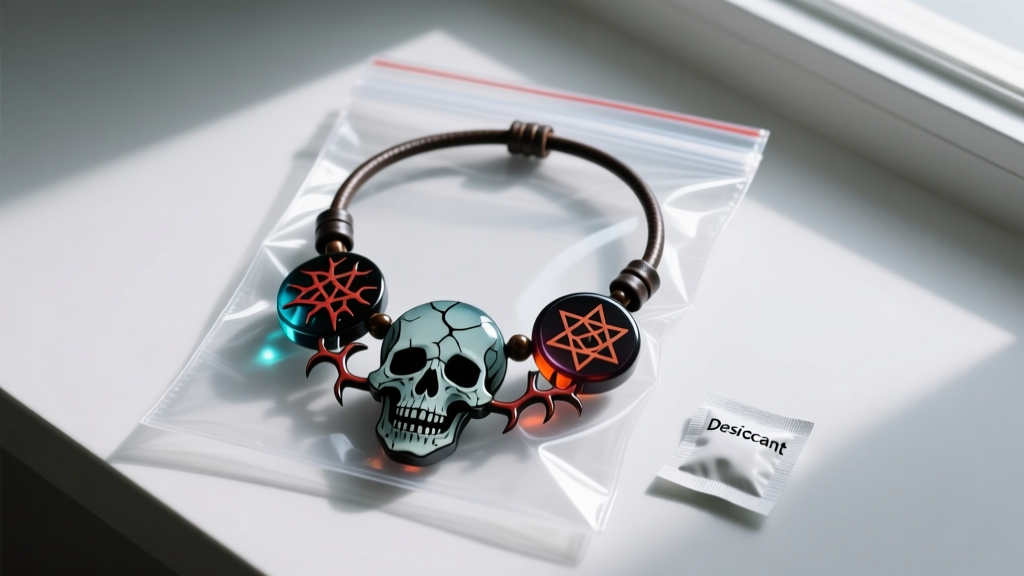
Never store your Halloween Horror Nights necklace in a cardboard box or a standard jewelry drawer, as cardboard off-gasses acidic compounds that accelerate tarnishing. Instead, place the fully dried necklace inside an anti-tarnish ziplock bag made of treated polyethylene. Toss in a fresh 5-gram silica gel desiccant packet to absorb any residual moisture. If your necklace features a delicate acrylic component or a leather cord, lay it completely flat in a climate-controlled environment; hanging leather cords for long periods will cause them to stretch and eventually snap under the weight of the pendant.
By understanding the unique material composition of your event merchandise and following these targeted maintenance protocols, your horror collection will remain as terrifyingly beautiful as the night you bought it. Treat your theme park jewelry with the same respect you would afford fine estate pieces, and it will survive to haunt many more seasons to come.


