Beginner Guide to the 20 Pound Chain Necklace Trend
Discover everything about the 20 pound chain necklace trend. Learn about materials, weight vs. width, clasp safety, and how to wear heavy chains.

The Ultimate Status Symbol: Decoding the Heavy Chain
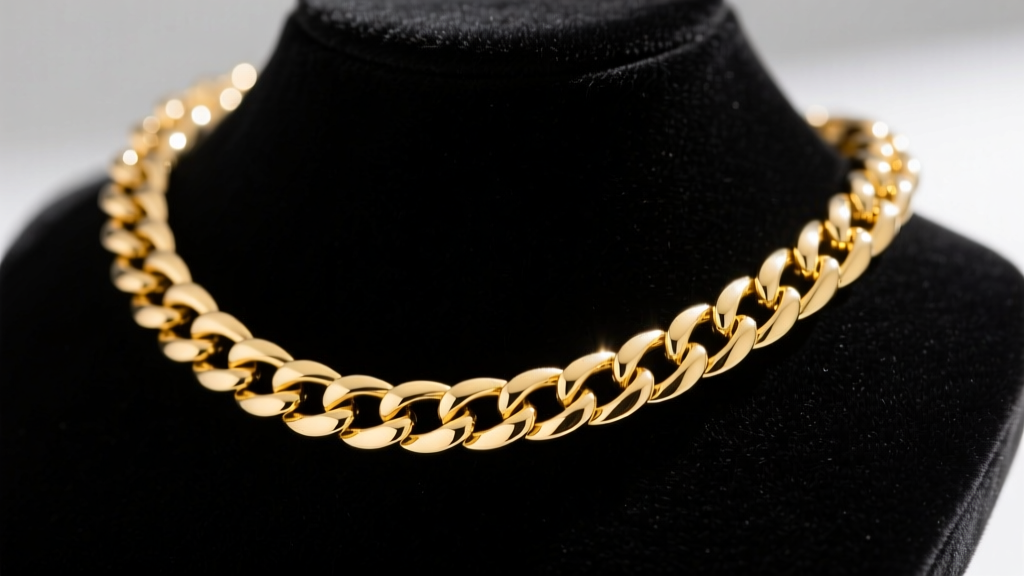
In the world of streetwear and hip-hop jewelry, few terms carry as much mystique as the 20 pound chain necklace. For beginners stepping into the world of statement jewelry, the phrase evokes images of massive, diamond-encrusted ropes and Cuban links worn by music's biggest icons. However, navigating the market for ultra-heavy chains requires more than just a large budget; it demands a solid understanding of metallurgy, ergonomics, and jewelry engineering. Whether you are looking to invest in a literal heavyweight piece or simply want to capture the aesthetic of a massive chain without the physical strain, this 2026 guide will break down everything you need to know before making a purchase.
The Myth vs. Reality: Weight vs. Width
The most common mistake beginners make is confusing chain width with chain weight. When most people reference a '20 pound chain,' they are actually thinking of a 20-millimeter (20mm) wide Cuban link chain. A standard 22-inch solid 14k gold chain that is 20mm wide typically weighs between 1,200 and 1,500 grams (roughly 2.6 to 3.3 pounds).
A literal 20-pound (9,071 grams) solid gold necklace is a rare, custom-commissioned museum piece. To put this into perspective, at 2026 gold spot prices, the raw melt value of 9 kilograms of 14k gold exceeds $450,000—before factoring in the master jeweler's labor, custom tooling, or any diamond settings. Therefore, when shopping for this aesthetic, you are usually deciding between a massively wide chain (20mm+) or a multi-layered setup that accumulates weight through pendants and layered ropes.
Hollow vs. Solid: The Electroforming Illusion
If you see a 30mm wide chain advertised at a surprisingly low price, it is likely hollow. Jewelers use a process called electroforming to create massive, voluminous chains that are up to 70% lighter than their solid counterparts. While this achieves the '20 pound' visual footprint for a fraction of the cost, hollow chains are notoriously fragile. A single accidental tug or drop can dent the links beyond repair, making solid or semi-solid constructions the only viable choice for daily wear.
Material Grades and Pricing Breakdown
Choosing the right metal dictates not only the price but the longevity and skin-compatibility of your heavy chain. Below is a comparative look at the most common materials used for oversized statement necklaces.
| Material Grade | Durability & Tarnish | Est. Price Range (22' 20mm) | Best For |
|---|---|---|---|
| Solid 14k Gold | Excellent; highly resistant to tarnish and bending. | $75,000 - $95,000 | Lifetime investments, daily heavy wear. |
| Solid 18k Gold | Good; softer than 14k, prone to scratching under heavy weight. | $110,000 - $140,000 | High-end collectors, special occasions. |
| Gold Vermeil (Silver base) | Moderate; will eventually wear off at the friction points of heavy links. | $2,500 - $5,000 | Budget-conscious buyers wanting real metal weight. |
| Brass with Gold Plating | Poor; high risk of skin discoloration and rapid plating loss. | $150 - $400 | Costume jewelry, single-event styling. |
For authoritative guidelines on precious metal purity and hallmarking, always refer to the Gemological Institute of America (GIA) to ensure your investment is accurately stamped and verified.

Ergonomics and Clasp Engineering
Wearing a chain that weighs upwards of 3 to 5 pounds introduces real physical considerations. Neck strain, posture alteration, and skin friction are common complaints among beginners who jump straight into ultra-heavy jewelry. Furthermore, the physics of a heavy chain puts immense stress on the weakest point of the necklace: the clasp.
The Clasp Failure Point
A standard 15mm lobster clasp has a static shear strength of about 10 to 15 pounds. However, when you walk, dance, or suddenly stop, a 4-pound chain generates dynamic kinetic force that can easily snap a standard spring mechanism or pull apart the jump ring. For any chain exceeding 1.5 pounds, you must upgrade the hardware.
- Screw-Lock Clasps: These feature a threaded barrel that physically screws the two ends together, eliminating spring failure entirely.
- Reinforced Box Clasps: Often used on iced-out tennis chains and heavy Cubans, these include a primary snap-lock tongue paired with dual figure-eight safety latches on the sides.
- Welded Jump Rings: Ensure the rings connecting the clasp to the chain are laser-welded shut rather than simply bent closed.
Styling the Heavyweight Aesthetic
Styling a massive chain requires balancing proportions. A 20mm wide chain dominates the chest, meaning your wardrobe needs to accommodate the visual weight. In 2026, the prevailing trend in streetwear leans toward minimalist, monochromatic backgrounds that allow the metal to act as the sole focal point.
Heavyweight chains look best over solid-colored, heavyweight cotton hoodies or plain crewneck sweaters. Avoid busy patterns or graphic tees, which compete with the intricate geometry of a Cuban or rope link. If you are layering, pair the massive 20mm chain with a much thinner, simpler rope chain (around 4mm to 6mm) at a shorter length (18 inches) to create depth without turning your neckline into a tangled mess.

Iced Out vs. Plain Gold: Diamond Considerations
Many beginners looking for a 20 pound chain necklace actually want an 'iced out' version. Setting thousands of melee diamonds onto heavy links requires exceptional craftsmanship. The prongs must be raised and tightened perfectly; otherwise, the friction between the heavy links will loosen the stones over time.
When buying iced-out heavy chains, look for VS1 or VS2 clarity diamonds. While VVS (Very Very Slightly Included) stones are heavily marketed in hip-hop jewelry, the color (F-G range) and the quality of the setting matter far more to the naked eye than flawless clarity on melee stones. Always ensure the jeweler provides a Federal Trade Commission (FTC) compliant breakdown of the total carat weight and diamond quality.
Final Sourcing Advice for Beginners
Never buy ultra-heavy chains from unverified social media sellers. The market is flooded with tungsten-filled gold fakes and high-quality brass replicas that mimic the weight of real gold. Always purchase from established jewelers who utilize XRF (X-ray Fluorescence) scanning to verify the elemental composition of the metal before you leave the store. By understanding the difference between visual width and literal weight, and by investing in proper clasp engineering, you can safely and stylishly rock the ultimate heavyweight chain.


