2025 Necklace Trends: A 2026 Budget & Value Assessment
Discover which 2025 necklace trends hold their value in 2026. We analyze material grades, pricing, and ROI on layered chains, chokers, and pendants.

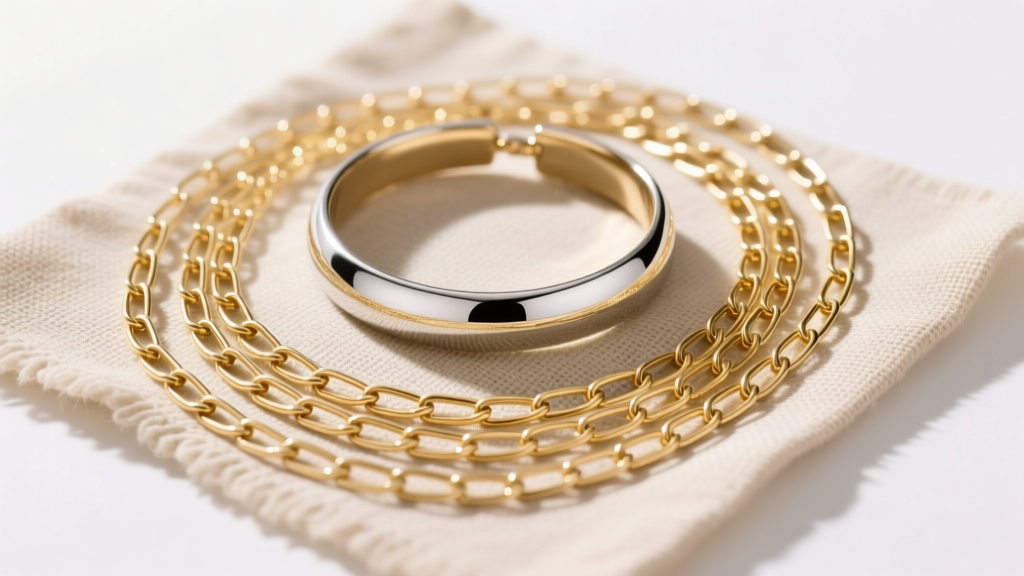
As we navigate the jewelry landscape in 2026, the dust has finally settled on the viral 2025 necklace trends that dominated social media feeds and designer runways alike. Last year was defined by a stark polarization: on one end, the ultra-minimalist 'quiet luxury' paperclip chains; on the other, the aggressive, maximalist liquid metal chokers and asymmetric lariat pendants. But as the hype cycle cools, a critical question remains for collectors and everyday wearers: which of these pieces were genuine investments, and which were overpriced fast fashion destined for the tarnish bin?
In this comprehensive budget and value assessment, we are stripping away the marketing gloss to evaluate the material science, manufacturing integrity, and secondary market viability of last year's biggest necklace trends. Whether you are looking to authenticate a vintage find on Depop or decide if your 2025 purchases hold resale value, this guide provides the exact metrics you need.
The Hype Cycle: Evaluating Last Year's Viral Necklaces
The 2025 jewelry market saw a massive influx of 'demi-fine' brands attempting to bridge the gap between costume jewelry and solid gold. However, the Federal Trade Commission Jewelry Guides strictly regulate how metals can be stamped and advertised, and many trendy brands pushed the boundaries of these definitions. The result? A market flooded with pieces that looked incredible on camera but failed the 12-month wear test. To assess true value in 2026, we must look past the aesthetic and examine the metallurgy.
Trend 1: The Chunky Liquid Metal Choker
Popularized by avant-garde runways and quickly adapted by high-street brands, the molten or 'liquid metal' choker was the undisputed statement piece of 2025. These necklaces feature irregular, organic shapes meant to mimic dripping mercury or melted silver. But from a value perspective, the material composition varies wildly.
Material Failure Modes to Watch
Fast-fashion iterations (priced between $40 and $80) were predominantly cast from Zamak—a zinc alloy with aluminum, magnesium, and copper. While Zamak is cheap to cast, it is highly porous. To achieve a silver or gold look, manufacturers used PVD (Physical Vapor Deposition) coating. The problem? PVD on Zamak without a proper nickel barrier layer typically degrades within 4 to 6 months of direct skin contact, especially given the average human skin pH of 5.5. The coating micro-fractures, allowing sweat to oxidize the base metal, leading to the dreaded 'green neck' effect.
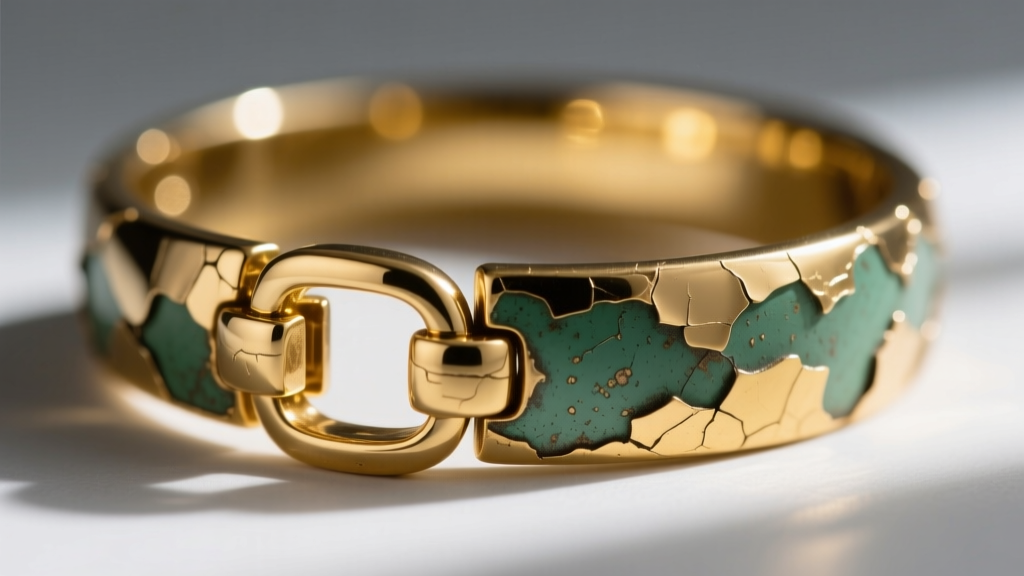
The Value Pick: If you are buying this trend in 2026, only invest in solid 925 sterling silver or solid 14k gold versions. Brands like Missoma and Elsa Peretti's archival Tiffany pieces utilize lost-wax casting in solid precious metals, ensuring the piece can be polished and restored indefinitely. Expect to pay $250 to $600 for a solid silver piece that will retain at least 60% of its value on the secondary market.
Trend 2: Asymmetric Station Chains & Lariat Pendants
The asymmetric station chain—featuring a delicate cable chain on one side and a heavier, textured, or gem-set chain on the other—was the go-to layering piece of 2025. This trend heavily relied on the 'gold-filled' and 'vermeil' market. Understanding the difference is crucial for your budget.
- 14/20 Gold-Filled: By FTC standards, this means 5% of the total weight of the item is solid 14k gold, mechanically bonded to a brass core. It is highly durable and can last 5-10 years without wearing through, making it a solid budget choice ($80-$150).
- 18k Gold Vermeil: This is a thick layer of 18k gold (minimum 2.5 microns) plated over a solid 925 sterling silver base. While the silver base holds intrinsic scrap value, the 18k gold layer is softer and more prone to scratching and wearing off at high-friction points like the clasp and pendant bail.
According to metallurgical data from the Gemological Institute of America (GIA), the wear rate of electroplated gold is directly proportional to the friction it endures. Asymmetric chains, which often feature uneven weight distribution, place uneven stress on the delicate 18-gauge (1.0mm) cable sections, accelerating the wear of vermeil plating.
Cost vs. Longevity: The 2026 Value Matrix
To help you make informed purchasing or selling decisions, we have compiled a value matrix comparing the top 2025 necklace trends, their typical 2025 retail prices, and their estimated 2026 resale or intrinsic value.
| 2025 Trend | Typical Material | 2025 MSRP | 2026 Resale / Scrap Value | Value Retention |
|---|---|---|---|---|
| Liquid Metal Choker | Zamak with PVD | $65 | $0 (Unsellable) | 0% |
| Liquid Metal Choker | Solid 925 Silver | $320 | $150 - $190 | 47% - 59% |
| Paperclip Layering Set | 14/20 Gold-Filled | $120 | $40 - $60 | 33% - 50% |
| Asymmetric Station | 18k Vermeil over 925 | $180 | $60 - $85 (Silver scrap) | 33% - 47% |
| Solid Gold Lariat | Solid 14k Gold (5g) | $450 | $280 - $320 | 62% - 71% |
How to Authenticate and Assess Value in the Secondary Market
If you are hunting for 2025 trends on platforms like Vestiaire Collective, The RealReal, or Depop in 2026, authentication is your primary defense against overpaying for degraded metals. Here is your actionable checklist:
- Locate the Hallmark: Use a 10x jeweler's loupe to inspect the clasp and the jump ring. Look for '925', '14K', '10K', or '750'. If a piece claims to be solid gold but is stamped '14K HGE' (Heavy Gold Electroplate) or '14K GF' (Gold Filled), it is not solid gold and should be priced accordingly.
- The Magnet Test: While not foolproof, a strong neodymium magnet can quickly identify steel or iron cores hidden beneath cheap plating in 'designer' replicas. Precious metals like gold and silver are non-magnetic.
- Inspect the Bail and Clasp: The Vogue Shopping archives frequently highlight that the first signs of vermeil failure occur at the pendant bail and the lobster clasp due to metal-on-metal friction. If the silver base is showing through these high-friction zones, negotiate the price down by at least 40%.
Final Verdict: What to Keep, Sell, or Buy Now
The 2025 necklace trends were a mixed bag of genuine design innovation and metallurgical corner-cutting. As we move deeper into 2026, the market is correcting itself, rewarding intrinsic material value over fleeting viral aesthetics.
Keep: Any solid 14k or 18k gold lariats and paperclip chains. The gold market continues to see upward pressure, making these pieces excellent wearable hedges against inflation. Their minimalist design ensures they will remain staple layering pieces for decades.
Sell: High-end designer vermeil pieces that are still in pristine condition. The secondary market for 'quiet luxury' branded items is still warm, but as the plating inevitably begins to wear, their value will plummet to mere silver scrap weight.
Buy Now: Look for lightly worn, solid 925 silver liquid metal chokers on resale platforms. Original buyers who experienced the 'green neck' effect from cheap alloys have flooded the market with solid silver versions at a steep discount, mistaking the trend itself for a failure rather than the cheap materials they originally purchased. This is your window to acquire high-quality statement pieces at a fraction of their 2025 retail cost.
Ultimately, true style outlasts the trend cycle. By prioritizing material integrity and understanding the exact mechanics of jewelry degradation, you can build a necklace collection that not only elevates your wardrobe but protects your budget in the long run.


