Silver Lock Necklace Value Guide: Is It Worth It in 2026?
Discover the true value of a silver lock necklace in 2026. We break down pricing tiers, sterling silver grades, and what to look for before buying.

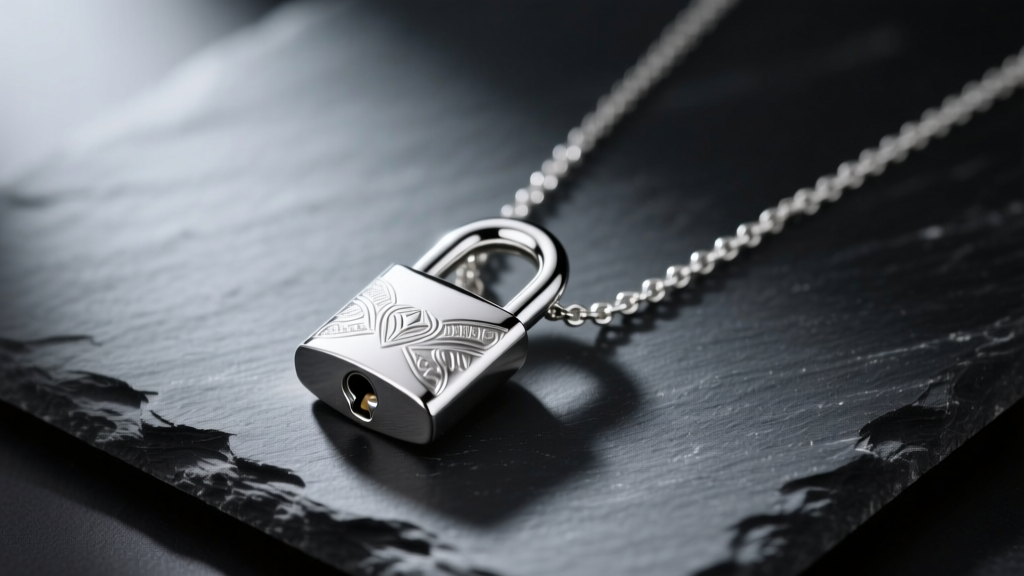
The Enduring Appeal of the Silver Lock Necklace
The silver lock necklace has transcended its origins as a mere decorative motif to become a staple of modern jewelry wardrobes. Historically symbolizing eternal love, security, and unbreakable bonds, the padlock pendant has been championed by luxury houses and independent artisans alike. But as we navigate the jewelry market in 2026, with fluctuating precious metal markets and a surge in direct-to-consumer brands, how do you determine the true value of a silver lock necklace? Are you paying for the brand name, the craftsmanship, or the raw materials? This comprehensive value assessment breaks down the anatomy, pricing tiers, and structural integrity of silver lock necklaces to help you make an informed, budget-conscious investment.
Material Breakdown: What Kind of Silver Are You Buying?
Before assessing the price tag, you must verify the metal composition. The term "silver" is frequently hijacked by fast-fashion brands to describe heavily plated base metals. According to the Gemological Institute of America (GIA), true value lies in solid silver alloys, but not all solid silver is created equal. Understanding the nuances between standard sterling, Argentium, and plated alternatives is the first step in your budget assessment.
Silver Grades and Tarnish Resistance
| Silver Type | Composition | Tarnish Resistance | Value Proposition |
|---|---|---|---|
| 925 Sterling Silver | 92.5% Silver, 7.5% Copper | Moderate (Requires polishing) | Industry standard; excellent balance of durability and cost. |
| Argentium 935/960 | 93.5%+ Silver, Germanium | High (Highly tarnish-resistant) | Premium pricing; ideal for low-maintenance everyday wear. |
| Silver-Filled | Brass core, 5-10% Silver layer | Low (Wears off over time) | Budget-friendly but lacks longevity and resale value. |
| Silver Plated | Base metal with microscopic silver coat | Very Low (Tarnishes and flakes) | Fast fashion; avoid if seeking long-term value. |
When shopping, always look for the "925" stamp or a recognized hallmark. The London Assay Office provides excellent resources on understanding how hallmarks guarantee the precious metal content of your jewelry, ensuring you aren't overpaying for a silver-plated imitation.
2026 Pricing Tiers: From Fast Fashion to Fine Jewelry
The market for a silver lock necklace is highly segmented. Your budget will dictate not just the brand, but the weight, finishing techniques, and mechanical functionality of the piece. Here is what you can expect across three distinct pricing tiers in the current market.
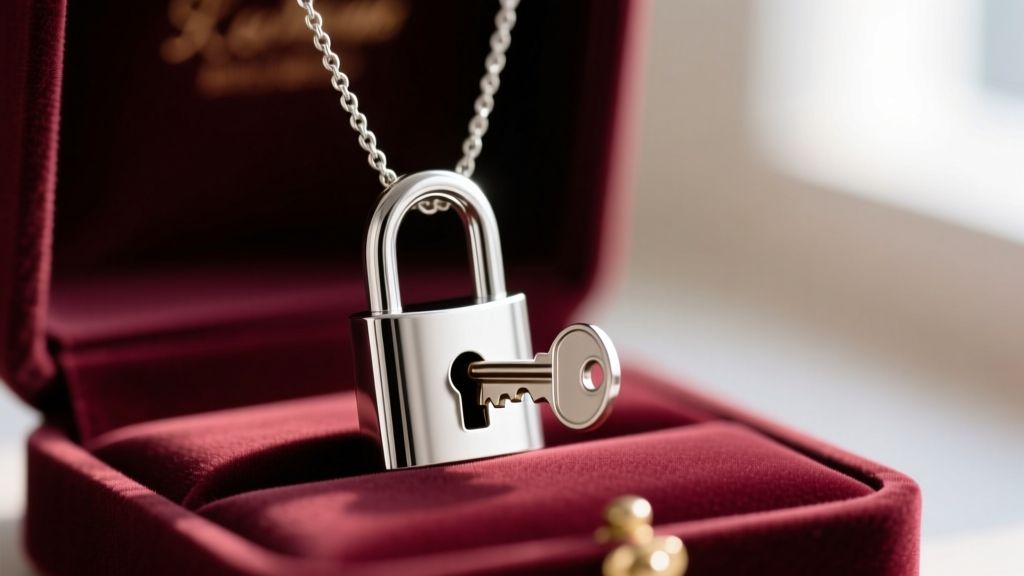
Tier 1: The Budget & Fashion Tier ($30 - $80)
In this bracket, you are primarily looking at silver-plated brass or very lightweight, hollow-cast 925 sterling silver pendants (typically under 3 grams). The chains are usually thin cable or rope chains (0.8mm to 1.0mm) that are prone to kinking. The lock is purely decorative, often cast as a single solid piece with a molded-on "keyhole." While acceptable for seasonal trends, these pieces offer poor long-term value due to rapid degradation and high replacement rates.
Tier 2: The Mid-Market & Artisan Tier ($85 - $250)
This is the sweet spot for value. Brands like Mejuri, Gorjana, and countless independent silversmiths operate here. You can expect solid 925 sterling silver pendants weighing between 5 and 12 grams. Many pieces in this tier feature rhodium plating over the silver to stave off tarnish, though this adds to the initial cost. The locks may feature moving shackles (the U-shaped bar at the top) and are paired with sturdier box or curb chains (1.2mm to 1.8mm). This tier offers the best balance of material integrity and accessible pricing.
Tier 3: The Luxury & Heritage Tier ($300 - $800+)
At the top end, you are paying for heritage branding (think vintage Cartier or Tiffany & Co. designs), heavyweight solid silver (15+ grams), and intricate mechanical engineering. Some luxury silver locks feature actual working mechanisms with miniature keys, enamel inlays, or mixed-metal accents like 18k gold rivets. The chains are robust, often featuring custom-designed lobster clasps and heavy gauge links (2.0mm+). While the markup for the brand name is significant, the structural longevity and secondary market demand make these pieces viable heirloom assets.
Hardware & Mechanics: The Hidden Cost of Lock Pendants
A silver lock necklace is only as valuable as its weakest mechanical point. When assessing value, scrutinize the hardware. Does the shackle open and close? If so, what is the locking mechanism? High-value pieces utilize a spring-loaded internal pin or a functional miniature key and tumbler system. Cheaper versions rely on friction-fit hinges that loosen after a few months of wear, causing the shackle to flop open uncontrollably.
Furthermore, examine the bail (the loop connecting the lock to the chain). A soldered, solid bail is essential. If the bail is a simple open jump ring, the heavy lock pendant will eventually wear through the ring or slip off the chain, resulting in a lost investment.
Assessing the Chain: Don't Let a Weak Link Break Your Budget
The Silver Institute notes that silver is a relatively soft metal, making chain selection critical for supporting the weight of a lock pendant. A common mistake is pairing a heavy 15-gram padlock with a delicate 1.0mm chain. This creates a high-stress point at the clasp and the bail, leading to inevitable snapping. For a standard 8-gram lock pendant, a 1.5mm box chain or a 2.0mm curb chain provides the necessary tensile strength. Always factor the cost of a proper chain into your total budget assessment; a $150 pendant on a $20 chain is a structural liability.
Resale Value and Longevity: Is It an Investment?
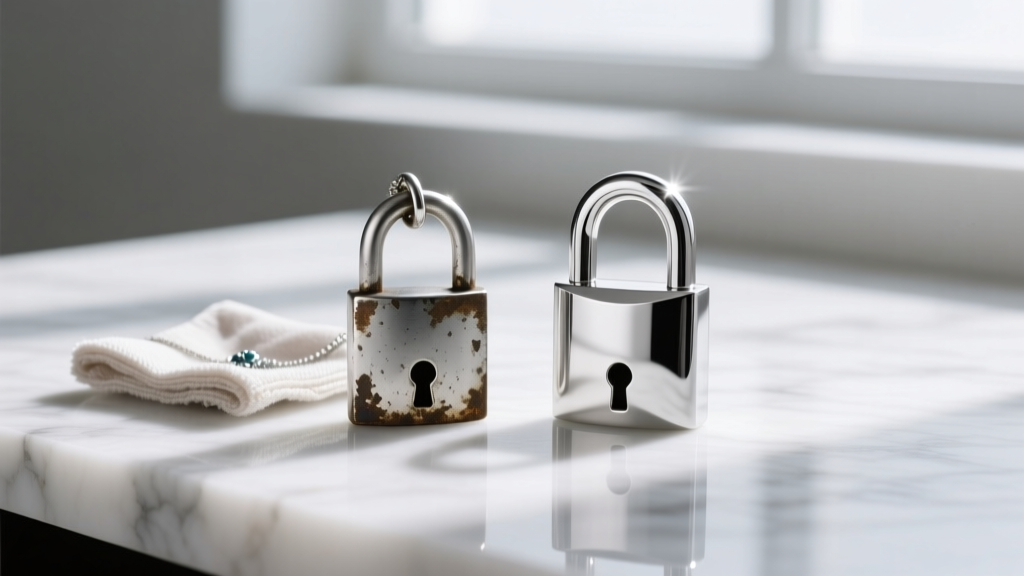
Unlike gold or platinum, silver jewelry rarely appreciates in value based on its raw melt weight. The spot price of silver makes the intrinsic metal value of a 10-gram necklace relatively low (often under $10). Therefore, the "investment" value of a silver lock necklace lies entirely in its brand cachet, design rarity, and condition.
"When buying silver jewelry, you are investing in the artistry and the emotional resonance of the piece, not the commodity market. To protect that investment, proper storage and regular, gentle polishing are non-negotiable."
If you purchase from a recognized luxury house or a highly sought-after independent artisan, the piece can retain 40% to 60% of its retail value on the secondary market. However, generic, unbranded 925 silver lock necklaces will essentially lose their retail markup the moment you leave the store. If your goal is purely financial investment, silver jewelry is not the vehicle. If your goal is cost-per-wear and enduring style, a well-made mid-tier silver lock necklace is an exceptional value.
Final Verdict: How to Maximize Your Budget in 2026
To extract the maximum value from a silver lock necklace purchase this year, follow this strict checklist:
- Verify the Stamp: Ensure the piece is stamped "925" or bears a recognized assay hallmark. Avoid anything labeled simply "Tibetan Silver" or "Alpaca," which contain zero actual silver.
- Weight Matters: Ask the jeweler for the gram weight of the pendant. Aim for at least 5 grams for a small lock, and 10+ grams for a statement piece to ensure it isn't hollow-cast.
- Check the Clasp: Ensure the chain features a sturdy lobster clasp or a secure toggle, rather than a flimsy spring-ring clasp that struggles to support the pendant's weight.
- Mechanical Integrity: If the lock has a moving shackle, test the hinge. It should snap shut cleanly without lateral wobble.
Ultimately, a silver lock necklace is a profound symbol of connection. By prioritizing solid materials, appropriate chain gauges, and structural hardware over fleeting fast-fashion trends, you secure a piece that will safely hold your memories for decades to come.


