The Ultimate 8mm Necklace Buying Guide: Weight, Metals, and Clasps
Discover what to look for when buying an 8mm necklace. Learn about chain weights, metal grades, clasp durability, and pricing in our expert guide.

Understanding the 8mm Profile: More Than Just Thickness
When navigating the world of statement jewelry, the 8mm necklace occupies a highly specific and coveted sweet spot. Measuring exactly 8 millimeters in width or diameter, this profile is substantial enough to serve as a standalone statement piece, yet versatile enough to layer over heavier garments or wear with tailored streetwear. However, buying an 8mm chain or bead strand requires far more scrutiny than purchasing a delicate 2mm or 4mm piece. The increased surface area and material volume introduce unique structural challenges, specifically regarding weight distribution, clasp tension, and manufacturing integrity.
Whether you are eyeing a classic 8mm Cuban link, a rugged stainless steel rope chain, or a strand of 8mm natural onyx beads, understanding the metallurgy and mechanics behind this specific gauge is critical. According to manufacturing standards outlined by Rio Grande, a leading jewelry supply authority, chains exceeding 6mm in width require specialized soldering techniques and reinforced clasp assemblies to prevent catastrophic failure. This guide breaks down exactly what to look for when investing in an 8mm necklace.
Chain Styles That Dominate the 8mm Gauge
Not all chain patterns translate well to an 8mm width. The structural integrity of the link design dictates how the necklace drapes, reflects light, and withstands daily wear.
Cuban Link vs. Standard Curb
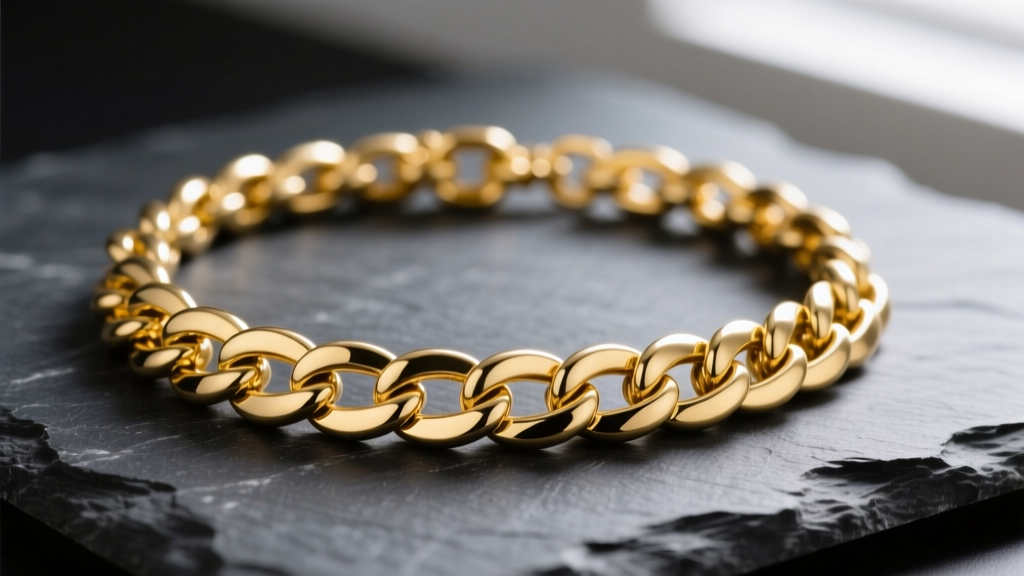
The Cuban link is the undisputed king of the 8mm category. Characterized by tightly interlocking, oval-shaped links that have been filed flat, the 8mm Cuban offers a smooth, continuous surface that catches the light uniformly. A standard curb chain, while similar, features more spaced-out, twisted links. At 8mm, a standard curb can feel slightly more aggressive on the neck and is prone to catching on body hair or fine fabrics, whereas the filed surface of the Cuban prevents this friction.
The Rope Chain at 8mm
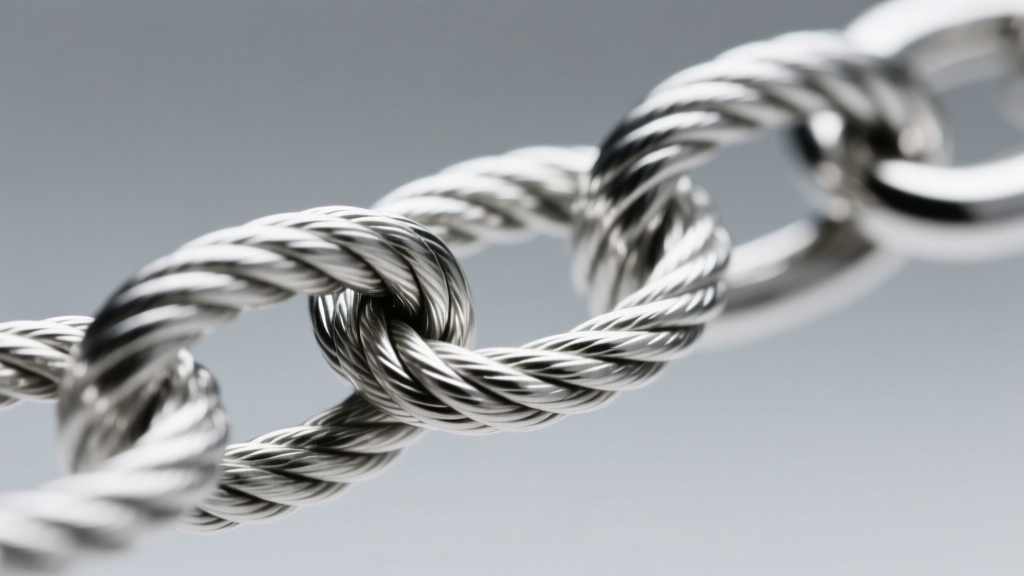
Rope chains are constructed by twisting multiple smaller links into a spiral, mimicking the look of a woven rope. At 8mm, a rope chain becomes incredibly heavy and highly reflective due to the multi-faceted surface area. However, the tight twists make it difficult for jewelers to repair if a link snaps, as the tension in the spiral can cause adjacent links to unravel when cut.
Figaro and Mariner Links
The Figaro pattern (alternating three small links with one long link) offers a vintage aesthetic, but at 8mm, the long links can become structural weak points if they are not properly soldered. Mariner (or anchor) chains feature a vertical bar in the center of each oval link, providing excellent rigidity and a nautical, masculine edge that works exceptionally well in the 8mm to 10mm range.
The Weight Factor: Solid vs. Hollow Construction
The most critical purchasing decision you will make when buying an 8mm gold or silver chain is choosing between solid and hollow construction. Because precious metals are priced by weight, manufacturers often create hollow links to make an 8mm necklace more affordable. This is a false economy that buyers must avoid.
- Solid 8mm Chains: Built from solid wire, these chains are heavy, durable, and can be easily repaired by a jeweler using laser or torch soldering if a link breaks. They drape beautifully due to their natural weight.
- Hollow 8mm Chains: Made from thin sheets of metal stamped and folded into the shape of a link. An 8mm hollow chain might weigh 70% less than its solid counterpart, but it is highly susceptible to denting. Once a hollow link is crushed, it cannot be repaired, and the structural integrity of the entire chain is compromised.
Expert Tip: Always ask the jeweler for the exact gram weight of the chain. If an 8mm 20-inch gold chain weighs less than 25 grams, it is almost certainly hollow or heavily alloyed with base metals.
Weight, Pricing, and Metal Density Matrix
To help you benchmark pricing and verify authenticity, use the following data table. These metrics represent a standard 20-inch 8mm Cuban link chain. Pricing is based on 2026 market averages for retail craftsmanship.
| Metal Type | Avg. Weight (20-inch) | Estimated Retail Price Range | Durability & Repairability |
|---|---|---|---|
| 14k Solid Yellow Gold | 60g - 75g | $4,500 - $6,800 | Excellent; easily soldered and polished. |
| 18k Solid Yellow Gold | 65g - 80g | $6,000 - $9,500 | Good; softer metal, prone to scratching. |
| 925 Sterling Silver | 55g - 65g | $180 - $350 | Excellent; requires anti-tarnish maintenance. |
| 316L Stainless Steel | 70g - 85g | $45 - $120 | Indestructible; cannot be traditionally soldered. |
| 14k Gold Vermeil (over 925) | 55g - 65g | $250 - $450 | Fair; gold layer will eventually wear off at friction points. |
Metal Grades and Purity Standards
When investing in a heavy 8mm piece, metal purity dictates not just the price, but the longevity and skin-compatibility of the necklace. The Gemological Institute of America (GIA) strictly outlines gold purity standards, which are vital to understand when reading hallmarks on thicker chains.
14k vs. 18k Gold
For an 8mm chain that will be worn daily, 14k gold (58.5% pure gold) is the superior choice. The higher alloy content (mixed with copper, silver, or zinc) makes the metal significantly harder and more resistant to bending and scratching. 18k gold (75% pure gold) offers a richer, deeper yellow hue but is noticeably softer. An 18k 8mm Cuban link is more likely to stretch over time under its own heavy weight.
316L Surgical Stainless Steel
For buyers seeking the 8mm aesthetic without the precious metal investment, 316L stainless steel is the benchmark. It contains molybdenum, which provides exceptional resistance to chloride corrosion (sweat and saltwater). Unlike lower-grade 304 steel, 316L will not rust or cause contact dermatitis, making it ideal for heavy, thick chains worn against the skin.
Clasp Mechanics: The Weakest Link in Heavy Chains
The most common point of failure on an 8mm necklace is not the chain itself, but the clasp. A standard 8mm solid chain exerts significant downward and lateral force. Using an undersized or inappropriate clasp is a guaranteed way to lose your investment.
Why Standard Lobster Clasps Fail
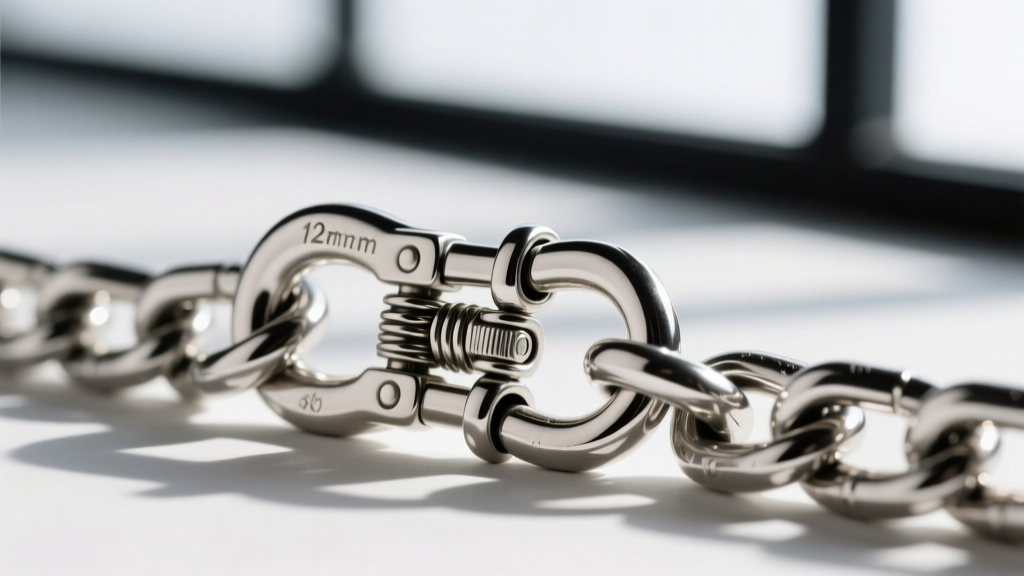
A standard 10mm or 12mm lobster clasp relies on a tiny internal spring mechanism. When supporting a 70-gram solid gold chain, a sudden movement or snag can generate enough kinetic force to snap the spring or pull the jump ring open. If you must use a lobster clasp on an 8mm chain, it should be a heavy-duty, oversized 15mm+ cast lobster clasp with a soldered (closed) jump ring.
The Box Clasp with Safety Latch
The industry standard for heavy 8mm precious metal chains is the box clasp (also known as a tongue and groove clasp). A metal 'tongue' is compressed and inserted into a 'box' where it springs open and locks into place. For an 8mm chain, this must be paired with a figure-8 safety catch—a secondary wire loop that hinges over a small pin on the opposite side of the box. This redundancy ensures that even if the primary box mechanism fails, the necklace will not fall off. Jewelers of America consistently recommends secondary safety catches for any necklace exceeding 50 grams.
Alternative Profiles: 8mm Bead Necklaces
The 8mm measurement is not exclusive to metal chains; it is also a standard diameter for gemstone and pearl bead necklaces. When buying an 8mm bead strand (such as black onyx, lapis lazuli, or freshwater pearls), the primary E-E-A-T concern is drilling quality.
Cheaply manufactured bead necklaces feature off-center drill holes, causing the 8mm beads to sit crookedly and creating uneven friction that will prematurely fray the silk or nylon cord. Always inspect the strand by holding it taut; the beads should align perfectly without gaping or twisting. Furthermore, ensure the beads are individually knotted. While knotting is traditional for pearls, high-end 8mm semi-precious stone necklaces should also feature micro-knotting between beads to prevent total loss if the cord snaps.
Final Verdict: How to Choose Your 8mm Necklace
Buying an 8mm necklace is an exercise in balancing visual impact with structural engineering. If you are purchasing a precious metal chain, demand solid construction, verify the gram weight, and insist on a box clasp with a safety latch. If you are opting for stainless steel, ensure it is graded 316L for skin safety and corrosion resistance. By focusing on these granular details—rather than just the visual width—you ensure that your 8mm necklace will remain a durable, defining element of your wardrobe for decades to come.


