The 2026 Value Guide to Authentic 90s Choker Necklaces
Assess the true market value of 90s choker necklaces in 2026. We break down materials, vintage authentication, and pricing for tattoo and velvet styles.

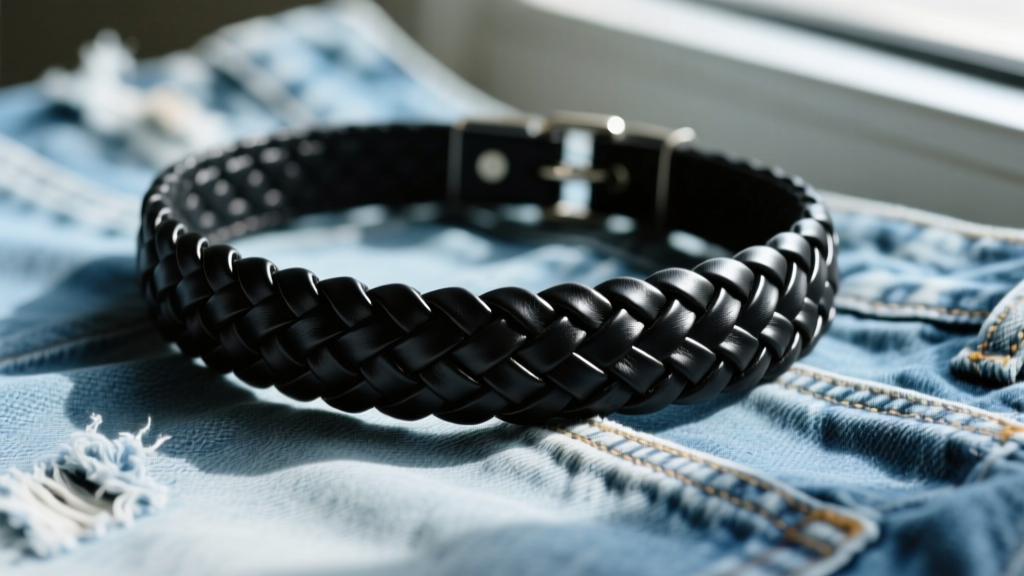
The Resurgence and Real Value of 90s Choker Necklaces
The cyclical nature of fashion has firmly re-established 90s choker necklaces as a staple in contemporary jewelry boxes. However, as we navigate the 2026 vintage market, a significant divide has emerged between authentic archival pieces and modern fast-fashion reproductions. For collectors and budget-conscious stylists alike, understanding the true value of these accessories requires looking past the nostalgia and examining material integrity, hardware forensics, and market scarcity. According to Vogue's historical archive on choker evolution, the 1990s democratized the choker, moving it from high-fashion runways to mall-brand impulse buys. Today, assessing the budget and value of these pieces means understanding which of those impulse buys actually survived the decades.
Material Breakdown: What Actually Survived the Decades?
To accurately price 90s choker necklaces, you must first understand the chemical and physical degradation of the materials used during that era. The 1990s costume jewelry industry relied heavily on inexpensive polymers and base metals, which present specific failure modes today.
Polyurethane and Nylon Tattoo Chokers
The iconic woven 'tattoo' choker was typically manufactured from extruded polyurethane (PU) or nylon monofilament strands, usually measuring between 0.8mm and 1.2mm in thickness. Over 30 years, exposure to UV light, ambient humidity, and skin oils causes polymer chain breakdown. This results in 'polymer memory loss'—where the plastic loses its elasticity and sags permanently. A genuine 1996 tattoo choker that still possesses structural snap-back elasticity is a rare find. When assessing value, gently stretch the weave; if it feels brittle or fails to retract instantly, its value drops from a collectible $45 to a mere $8 display piece.
Velvet Ribbons and Pot-Metal Hardware
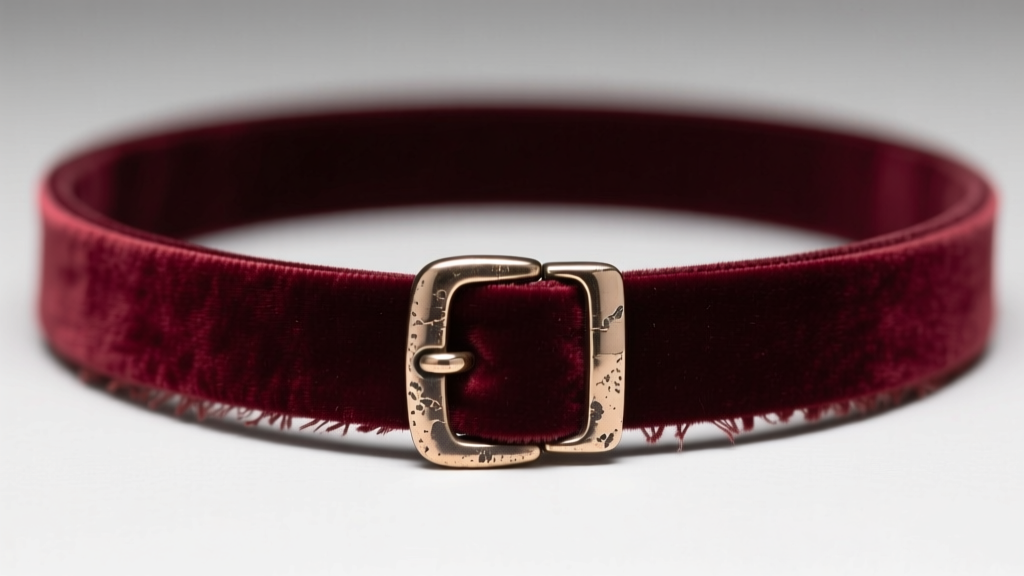
Velvet slip-on and clasp chokers were predominantly crafted from rayon or cotton-blend velvet, paired with zinc-alloy (pot-metal) lobster or spring-ring clasps. These alloys were plated with a microscopically thin layer of nickel or silver-tone paint. In 2026, finding a 90s velvet choker without 'brassing' (where the base metal shows through the plating) or galvanic corrosion at the clasp loop is exceptionally difficult. Furthermore, the velvet itself is prone to 'balding' along the fold lines where it was stored.
Market Pricing: Vintage Authentic vs. Modern Reproductions
When building a collection or sourcing pieces for resale, it is crucial to differentiate between true vintage, deadstock, and contemporary homages. The table below outlines the current 2026 market pricing and value assessment for 90s choker necklaces across different categories.
| Category | Era / Origin | Material Quality | Average 2026 Price | Investment Value |
|---|---|---|---|---|
| Vintage Deadstock | 1992-1999 (Mall Brands) | Original PU / Unoxidized Metal | $35 - $65 | Moderate (High demand for tagged pieces) |
| Vintage Worn | 1992-1999 (Mall Brands) | Stretched PU / Tarnished Metal | $8 - $18 | Low (Wearable but fragile) |
| Fast-Fashion Replica | 2024-2026 (Shein, H&M) | Elastane Blends / Cast Brass | $5 - $14 | None (Mass-produced) |
| Designer Archival | 1990s (Westwood, Gaultier) | Sterling Silver / Hardware | $250 - $800+ | High (Appreciates annually) |
How to Authenticate Vintage 90s Chokers
Because the manufacturing techniques for basic chokers are easily replicated, authenticating 90s choker necklaces requires a forensic approach to the hardware and provenance.
Clasp and Hardware Forensics
Modern replicas often feature heavier, machine-cast lobster clasps with clean, laser-etched markings. In contrast, authentic 90s mall-brand chokers (from retailers like Claire's or Wet Seal) frequently utilized 12mm spring-ring clasps stamped from thin brass sheets. These vintage clasps often have a slightly asymmetrical shape and a weaker internal steel spring. If the clasp feels heavy, perfectly symmetrical, and features a modern 'lead-free' compliance stamp, you are likely looking at a post-2020 reproduction.
Packaging and Provenance
Deadstock value is heavily tied to original packaging. Authentic 90s chokers were often sold on flimsy, high-gloss cardboard backing cards with specific typography (like the ubiquitous 'Lisa' or 'Jewelry We Are' brand logos). The presence of the original, slightly yellowed cardboard backing and a rusted staple or plastic fastener can increase the resale value by up to 40% on platforms like Depop and Etsy.
Preservation: Storing Plastics and Velvets in 2026
If you are investing in authentic 90s choker necklaces, proper storage is non-negotiable to preserve their budget value. According to The Spruce Crafts guide to vintage costume jewelry preservation, base metals and early plastics require specific environmental controls.
- UV Protection: Polyurethane tattoo chokers will turn brittle and yellow if exposed to direct sunlight. Store them in opaque, acid-free tissue paper.
- Moisture Control: Never store velvet chokers in airtight plastic bags, as trapped humidity will accelerate the oxidation of the zinc-alloy clasps and promote mildew on the rayon fibers. Use breathable cotton pouches instead.
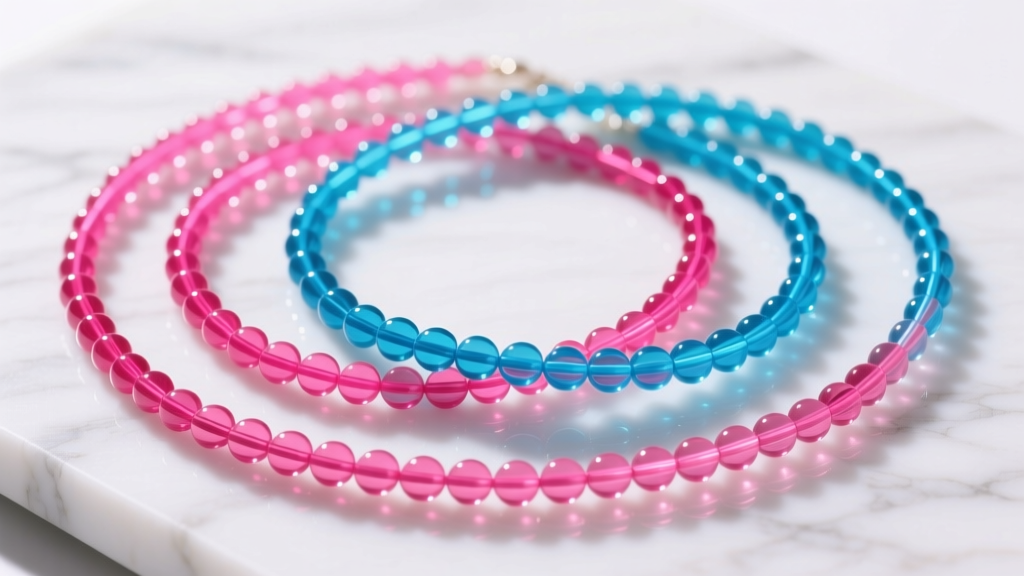
- Tension Release: Never hang stretch-plastic or beaded chokers on a jewelry tree. The constant gravitational pull will permanently warp the elastic core. Always lay them flat in a divided jewelry box.
The Verdict: Are 90s Chokers a Smart Budget Purchase?
From a pure investment standpoint, mass-produced 90s mall-brand chokers are not financial assets; they are cultural artifacts. However, from a styling and budget perspective, they offer immense value. A well-preserved, authentic 1990s velvet cameo choker or a deadstock tattoo necklace provides a level of textural authenticity and historical weight that modern $12 replicas simply cannot mimic. By understanding the material failure modes and knowing exactly what to look for in the hardware, you can confidently navigate the 2026 vintage market and build a highly curated, historically accurate collection without overpaying for fast-fashion imitations.


