How to Style and Layer Your Initial Necklace Pearl
Learn how to style, layer, and care for your initial necklace pearl. Discover expert tips on pearl grades, chain lengths, and neckline matching.

The Anatomy of a Premium Initial Necklace Pearl
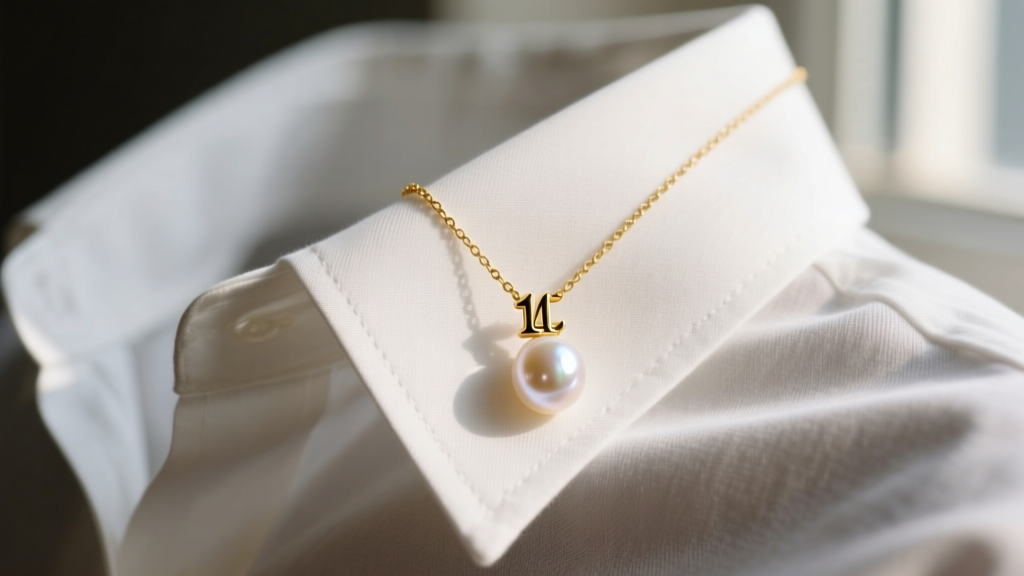
The fusion of personalized typography and organic gemstones has made the initial necklace pearl a cornerstone of modern fine jewelry wardrobes. Unlike mass-produced costume pieces, a high-quality pearl initial pendant requires a discerning eye for both metallurgical standards and gemological grading. When investing in this timeless silhouette, understanding the underlying anatomy of the piece is critical to ensuring longevity and aesthetic brilliance.
Pearl Grade and Nacre Thickness
The pearl serving as the backdrop or accent to your initial letter dictates the necklace's overall luster and durability. According to the Gemological Institute of America (GIA), nacre thickness is the primary determinant of a pearl's lifespan and optical depth. For an initial necklace pearl, you will typically encounter two varieties:
- AAA White Akoya Pearls (5mm - 7mm): Known for their mirror-like luster and perfectly round shape. An Akoya pearl should have a minimum nacre thickness of 0.4mm to prevent peeling over time. These are ideal for minimalist, high-end initial pendants.
- Gem-Grade Freshwater Pearls (6mm - 8mm): Offering a softer, satin-like luster with subtle baroque or near-round shapes. High-quality freshwater pearls are composed of solid nacre, making them incredibly durable for daily wear, though they lack the sharp, glassy reflection of Akoya.
Metal Purity and Chain Construction
The chain and initial hardware must complement the pearl's organic nature. Solid 14k gold (58.5% pure gold) is the industry standard for water-resistant, everyday jewelry. If opting for gold vermeil, ensure the piece meets the Federal Trade Commission's standard of at least 2.5 microns of gold plating over a sterling silver base. Avoid gold-plated brass, as the copper alloys will oxidize and degrade the silk or wire used to mount the pearl.
Step-by-Step Guide to Layering Your Pearl Initial Pendant
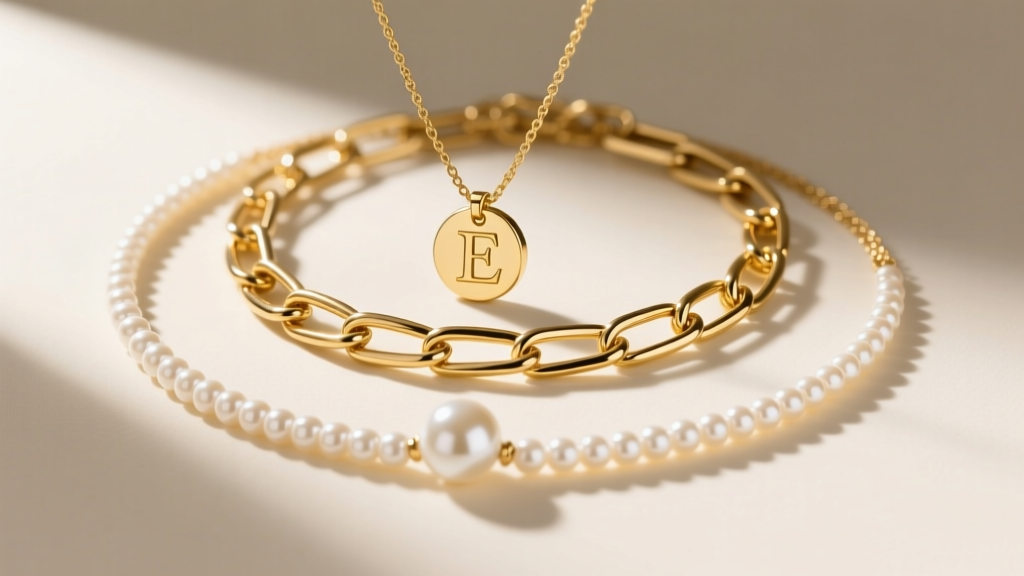
Layering requires mathematical precision to prevent tangling and visual clutter. The most common failure mode in necklace layering is clustering pendants within the same focal point. To properly style an initial necklace pearl, we utilize the "Rule of Three" and the "2-Inch Drop Framework."
Step 1: Anchor with a Delicate Choker (14-15 Inches)
Begin with a lightweight, gemstone-free chain that sits flush against the collarbone. A 15-inch 14k gold cable chain or a micro-pearl station necklace (featuring 2mm seed pearls) provides a textural base without competing with your main initial pendant. This anchor piece draws the eye upward and frames the face.
Step 2: Position the Initial Necklace Pearl (16-18 Inches)
Your initial necklace pearl should serve as the centerpiece. For a standard V-neck or crew neck, an 18-inch chain allows the initial letter and its pearl accent to rest precisely in the hollow of the collarbone. Ensure the bail (the loop connecting the pearl to the chain) is fitted with a silicone or gold stopper bead if you want the pearl to remain centered, or allow it to slide freely for a more organic, asymmetrical look.
Step 3: Add a Textural Counterweight (20-24 Inches)
To balance the visual weight of the pearl, the longest layer should introduce a contrasting geometric element. A 22-inch paperclip chain, a matte gold coin pendant, or a simple lariat drop creates a vertical line that elongates the torso. The contrast between the spherical pearl and the angular lower chain is what elevates the styling from basic to editorial.
Layering Length & Chain Style Matrix
| Layer Position | Ideal Length | Chain Type | Pendant / Style Focus |
|---|---|---|---|
| Top (Anchor) | 14" - 15" | Delicate Cable or Box | Bare chain or micro-seed pearls |
| Middle (Focal) | 16" - 18" | Rope or Wheat Chain | Initial Necklace Pearl (5-7mm) |
| Bottom (Weight) | 20" - 24" | Paperclip or Figaro | Geometric coin or lariat drop |
Matching Your Necklace to Necklines
The versatility of the initial necklace pearl shines when paired correctly with specific garment necklines. The goal is to create harmony between the jewelry's drop length and the fabric's cut.
- The Classic Button-Down: Leave the top two buttons undone to create a natural V-shape. An 18-inch initial necklace pearl resting against the skin, layered with a 22-inch textured gold chain, bridges the gap between professional and effortlessly chic.
- The Crew Neck T-Shirt: Because the neckline sits high (around 15-16 inches), your initial pendant must be pushed to 20 inches to sit visibly on the fabric. In this scenario, opt for a larger, 8mm freshwater pearl with a bold, serif initial letter to ensure it reads clearly against the cotton.
- The Deep V-Neck or Wrap Dress: This is where the 16-inch choker and 18-inch pearl initial combination excels. The jewelry mimics and enhances the plunging geometry of the dress, keeping the styling elegant rather than overwhelming.
Care and Maintenance Protocols
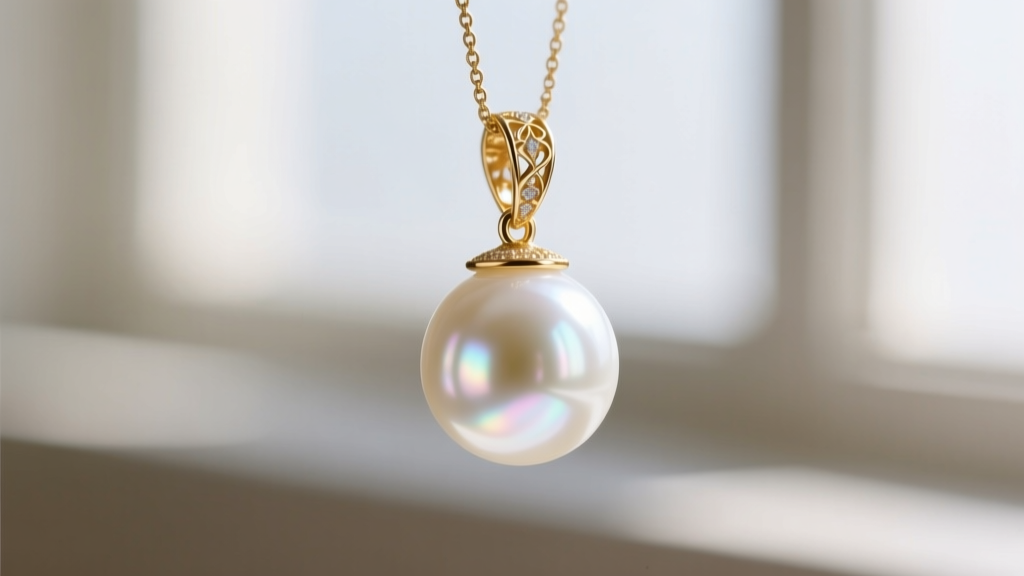
Pearls are organic gemstones, ranking a mere 2.5 to 4.5 on the Mohs scale of hardness. This makes your initial necklace pearl highly susceptible to chemical degradation and scratching. To preserve the nacre's orient and the metal's polish, strict adherence to care protocols is necessary.
According to GIA's pearl care guidelines, pearls should always be the "last on, first off" accessory. Hairsprays, perfumes, and lotions contain alcohols and acids that will strip the pearl's natural moisture, leading to a chalky, dull appearance over time. After wearing, gently wipe the pearl with a lint-free microfiber cloth to remove skin oils and environmental pollutants.
Furthermore, never store your initial necklace pearl in an airtight plastic bag or a safety deposit box for extended periods. Pearls require ambient humidity to prevent cracking; storing them in a soft, breathable cotton pouch alongside your other jewelry will protect them from being scratched by harder gemstones like diamonds or sapphires while maintaining their structural integrity.
Final Thoughts on Personalization
Curating the perfect initial necklace pearl is an exercise in balancing sentimental value with gemological quality. By prioritizing solid nacre thickness, adhering to the 2-inch drop layering rule, and respecting the organic nature of the pearl through proper maintenance, you transform a simple monogram into a multi-generational heirloom. Whether you choose the mirror-like finish of an Akoya or the soft romance of a Freshwater pearl, mastering these styling techniques ensures your personalized piece remains a sophisticated staple in your jewelry rotation for decades to come.


