What Is a 925 Milor Italy Necklace? Beginner's Guide
Discover what a 925 Milor Italy necklace stamp means. Learn about Milor Group silver quality, pricing, and care tips in this beginner-friendly guide.

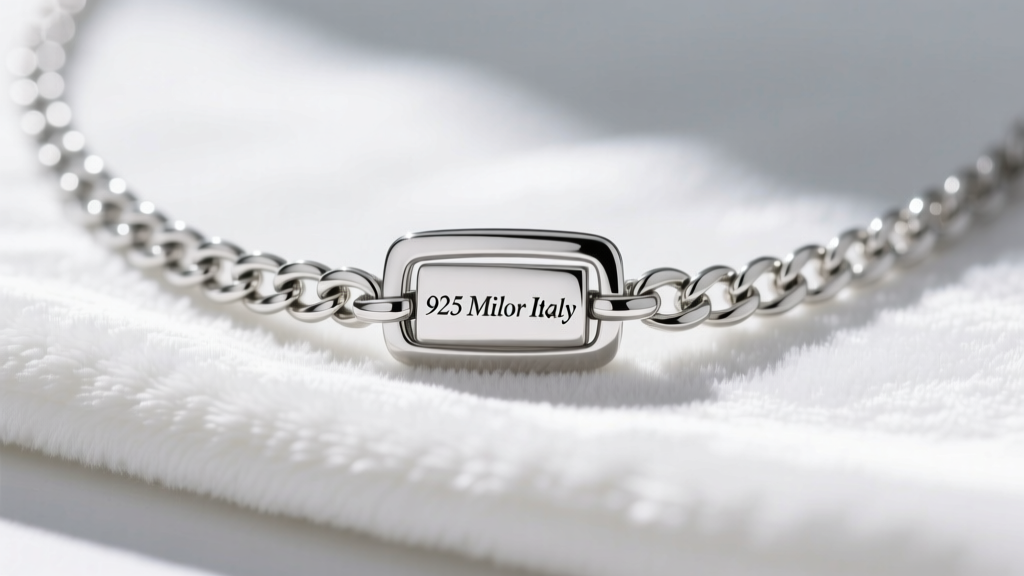
The Anatomy of the '925 Milor Italy' Stamp
If you have ever purchased a necklace from a television shopping network, a department store, or an estate sale, you might have noticed a very specific sequence of stamps on the clasp or the jump ring: 925, Milor, and Italy. For beginners, deciphering jewelry hallmarks can feel like learning a foreign language. However, understanding these three distinct marks is the key to knowing exactly what you own, how it was made, and its true market value.
According to the Gemological Institute of America (GIA), precious metal stamps are legally required in many jurisdictions to guarantee the purity of the alloy. Here is the exact breakdown of what this specific triad of stamps means for your jewelry:
- 925 (The Purity Mark): This indicates that the piece is crafted from sterling silver. Pure silver (999) is too soft for everyday jewelry, so it is alloyed with 7.5% other metals—usually copper—to create a durable material that is 92.5% pure silver.
- Milor (The Maker's Mark): This is the registered trademark of the manufacturer. In this case, it belongs to the Milor Group, a massive and highly respected jewelry manufacturing conglomerate based in Milan, Italy.
- Italy (The Country of Origin): This stamp guarantees that the physical manufacturing, casting, and chain-linking processes took place within Italian borders, a country globally renowned for its superior metallurgical techniques and precision chain-making machinery.
Who is the Milor Group?
Founded in 1980, the Milor Group S.p.A. is not a boutique artisan shop; it is an industrial powerhouse in the fine jewelry sector. They specialize in high-volume, precision-crafted sterling silver and gold jewelry. Milor is the primary supplier behind many famous brands sold on platforms like QVC, HSN, and JCPenney, as well as numerous international department stores.
Because Milor operates at an industrial scale, they utilize advanced manufacturing techniques that smaller silversmiths cannot afford. This includes laser welding for seamless chain links, computerized diamond-cutting for high-reflection facets, and automated electroplating lines for perfectly even gold or rhodium finishes. When you see the Milor stamp, you are looking at mass-produced jewelry, but mass-produced at the highest tier of Italian quality control.
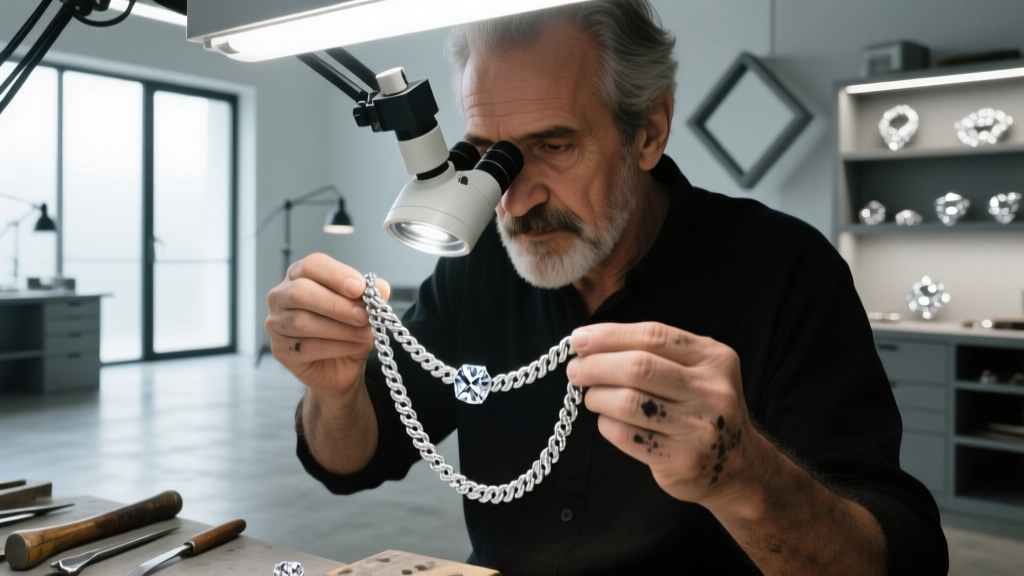
Material Grades and Plating Techniques
While the base metal of a 925 Milor Italy necklace is always sterling silver, the surface finish can vary dramatically. Milor is famous for its advanced surface treatments, which dictate how the necklace looks, how it wears, and how you must care for it. Below is a comparison of the most common finishes you will encounter on Milor silver pieces.
| Finish Type | Composition & Process | Visual Appearance | Durability & Tarnish Resistance |
|---|---|---|---|
| Rhodium Plated | A thin layer of rhodium (a platinum group metal) electroplated over the 925 silver. | Bright, mirror-like white metal. Mimics white gold or platinum. | Highly tarnish-resistant. Plating may wear off friction points after 2-5 years. |
| Gold Vermeil | Per FTC guidelines, vermeil requires a minimum of 2.5 microns of gold plating over a sterling silver base. | Rich yellow, rose, or white gold tone. | Moderate. Gold will eventually wear away on high-friction areas (like clasp rings), revealing the silver beneath. |
| E-Coat (Anti-Tarnish) | A microscopic, clear electrophoretic polymer coating applied over raw or oxidized silver. | Can be matte, glossy, or antique (oxidized black crevices). | Excellent. Prevents sulfur in the air from reaching the silver, stopping tarnish for years. |
| Raw / Polished Silver | No plating. The 925 sterling silver is simply polished to a high shine. | Warm, slightly yellowish-white metallic luster. | Low. Will naturally oxidize and turn black when exposed to humidity, sweat, and sulfur. |
Pricing Expectations and Value Retention
One of the most common questions beginners ask is, 'How much should I pay for a Milor necklace?' Because Milor produces thousands of variations—from delicate 1mm box chains to heavy 15mm Cuban links—pricing is entirely dependent on the gram weight of the silver and the complexity of the finish.
As a general rule for 2026 retail pricing, expect to pay between $2.50 and $5.00 per gram for standard sterling silver Milor chains. Therefore, a lightweight 10-gram pendant necklace should retail between $40 and $75, while a substantial 60-gram statement chain could easily command $200 to $350. Pieces featuring gold vermeil or semi-precious gemstone settings will carry a 20% to 40% premium over the raw silver weight.
Expert Buyer's Tip: When purchasing Milor jewelry from television shopping networks or liquidation sites, always calculate the price-per-gram. Broadcasters often inflate the 'retail value' by comparing heavy chains to lightweight boutique pieces. Weighing your expectations against the actual silver spot market will keep you from overpaying for the brand name alone.
Common Failure Modes and Troubleshooting
Even high-quality Italian manufacturing is subject to the laws of chemistry and physics. Here are the most common issues beginners face with 925 Milor Italy necklaces, along with actionable solutions.
The 'Green Neck' Phenomenon
If your skin turns green beneath the necklace, your Milor piece is not fake. This is a chemical reaction between the 7.5% copper alloy in the sterling silver and the natural acids, salts, and lotions on your skin. People with highly acidic sweat or those living in humid climates experience this most frequently. The Fix: Wipe the chain daily with a damp cloth to remove skin oils, or apply a microscopic layer of clear nail polish to the back of the pendant where it touches your skin.
Hollow-Core Chain Crushing
To create massive, impressive-looking chains without the exorbitant cost of solid silver, Milor frequently utilizes 'hollow-core' manufacturing. These chains are lightweight and affordable but possess a critical failure mode: they crush easily. If you sleep in a hollow-core chain or pull it sharply, the links will dent and cannot be hammered back into shape. The Fix: Always remove hollow-core necklaces before sleeping, exercising, or wearing heavy backpacks.
Clasp Mechanism Fatigue
Milor typically uses standard spring-ring clasps for lightweight chains and lobster-claw clasps for heavier pieces. Spring rings contain a tiny internal steel spring that is prone to rusting or losing tension over time. If your clasp feels stiff or won't snap shut, it is likely failing. The Fix: Take the necklace to a local jeweler to have the $5 clasp snipped off and replaced with a heavier-duty sterling silver lobster clasp.
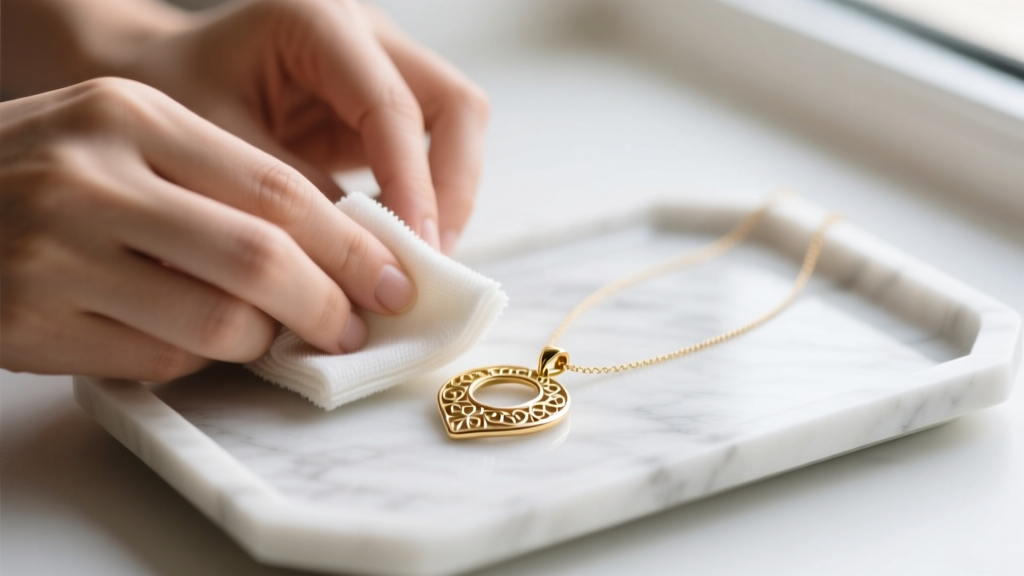
Care and Maintenance Protocol
Proper maintenance will ensure your Milor necklace lasts for decades. However, the cleaning method must be matched to the specific finish of the metal. Using the wrong chemical can strip gold vermeil or cloud rhodium plating in seconds.
- For Raw or E-Coated Silver: Use a dedicated silver polishing cloth impregnated with micro-abrasives. Rub gently along the grain of the metal. Never use liquid silver dips, as they contain harsh thiourea acids that can cause rapid re-tarnishing.
- For Gold Vermeil: Never use polishing cloths or ultrasonic cleaners; they will strip the 2.5-micron gold layer. Instead, mix a few drops of mild, phosphate-free dish soap into lukewarm water. Soak for three minutes, gently agitate with a baby-hair toothbrush, rinse in distilled water, and pat dry with a lint-free towel.
- For Rhodium Plated Silver: Clean exactly like vermeil. Avoid all abrasives. If the rhodium wears off and the yellowish silver underneath shows through, a jeweler can easily 're-dip' the piece in a rhodium bath to restore its factory-fresh white gold appearance.
Final Verdict: Is It Worth Buying?
A necklace stamped '925 Milor Italy' is an excellent purchase for both beginners and seasoned collectors. You are getting genuine, legally verified sterling silver crafted by one of the most technologically advanced jewelry manufacturers in the world. While they are mass-produced rather than hand-forged by a solitary artisan, Milor's precision chain-weaving and strict quality control mean you are getting exceptional durability for the price point. By understanding the specific plating on your piece and adhering to the proper care protocols, your Italian silver necklace will remain a staple in your wardrobe for a lifetime.


