Aaron Judge Gavel Necklace: Materials & Craft Guide
Discover the metals, weights, and chain pairings behind the iconic Aaron Judge gavel necklace. Compare 14k gold, silver, and platinum properties.

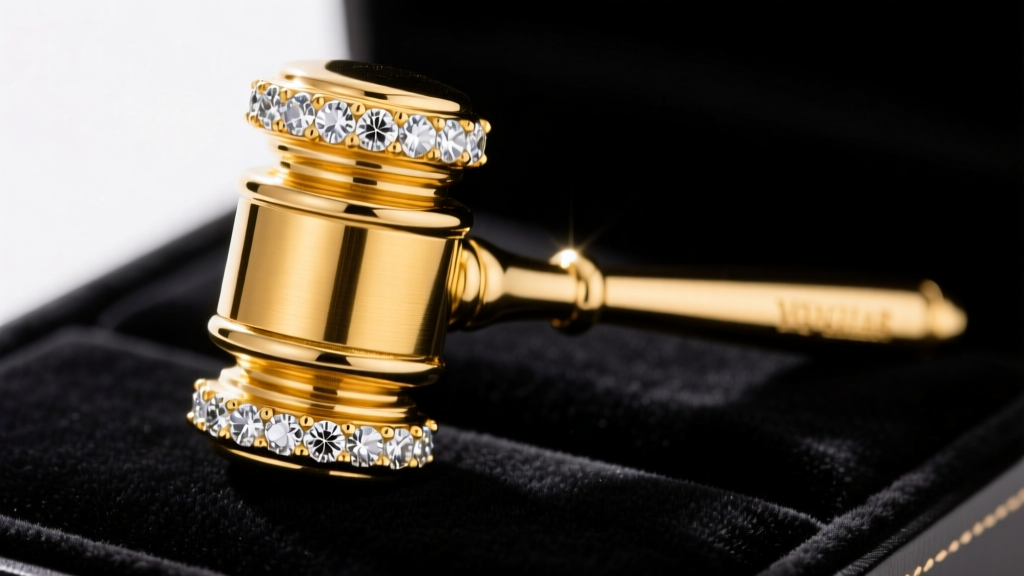
The "All Rise" motif has cemented the Aaron Judge gavel necklace as one of the most recognizable pieces of modern sports memorabilia and custom fan jewelry. As of 2026, the trend of oversized, thematic sports pendants continues to dominate MLB fashion, but crafting a functional, durable gavel pendant requires serious metallurgical expertise. A gavel is inherently top-heavy, presenting unique structural challenges for jewelers. This guide breaks down the material properties, alloy grades, and structural engineering required to create a high-end gavel necklace that hangs correctly, withstands daily wear, and captures the iconic Yankee swagger.
The Anatomy of a Gavel Pendant: Weight and Balance
Unlike a simple cross or dog tag, a gavel pendant features a bulky, cylindrical head and a narrow, tapered handle. When cast in solid precious metals, this asymmetrical shape creates a severe center-of-gravity issue. If the bail (the loop connecting the pendant to the chain) is placed exactly at the top center of the handle, the heavy gavel head will constantly flip upside down against the wearer's chest.
To combat this, master jewelers utilize a few specific engineering techniques:
- Counterweighting: Adding a dense tungsten or steel core inside the lower handle during the casting process to shift the center of gravity downward.
- Triangular Bails: Using a wide, reinforced triangular bail that sits flush against the chain, preventing the pendant from rotating freely.
- Hollow Electroforming: While some budget replicas use hollow electroformed gold to reduce weight, this compromises structural integrity and makes diamond paving impossible. Authentic, high-tier Aaron Judge style gavels are always solid cast.
Material Breakdown: Gold, Silver, and Platinum
The choice of metal dictates not only the price but the durability, weight, and color of the piece. According to the Gemological Institute of America (GIA), the alloy mix in karat gold fundamentally changes its Vickers hardness, which is critical for holding diamonds on the gavel's striking face.
14k vs. 18k Yellow Gold
14k yellow gold (58.5% pure gold) is the industry standard for heavy sports jewelry. It possesses a Vickers hardness of approximately 140-160, making it rigid enough to support the prongs of melee diamonds without bending. 18k gold (75% pure gold) offers a richer, deeper yellow hue that looks exceptional on camera, but its lower hardness (120-140 Vickers) means the bail and prongs are more susceptible to wear and deformation over time. For a 45-gram gavel pendant swinging on a heavy chain, 14k gold is the superior structural choice.
Sterling Silver and Rhodium Plating
Sterling silver (92.5% silver, 7.5% copper) is highly accessible but fundamentally too soft (60-70 Vickers) for a heavy, diamond-set gavel. If a silver gavel is worn daily, the bail will quickly thin out from chain friction. Furthermore, the copper content causes rapid tarnishing when exposed to sweat. Silver gavels must be heavily plated with rhodium to mimic white gold, but this plating will wear off the high-friction edges of the gavel head within months.
Platinum: The Heavyweight Champion
Platinum (usually 95% pure, alloyed with ruthenium or iridium) is incredibly dense. A gavel pendant that weighs 45 grams in 14k gold will weigh nearly 80 grams in platinum. While platinum is excellent for securing diamonds due to its malleability and lack of metal memory, an 80-gram pendant is excessively heavy for the cervical spine during active wear. Platinum is best reserved for smaller, scaled-down gavel charms rather than full-sized statement pieces.
Chain Pairings: Supporting the Gavel's Mass
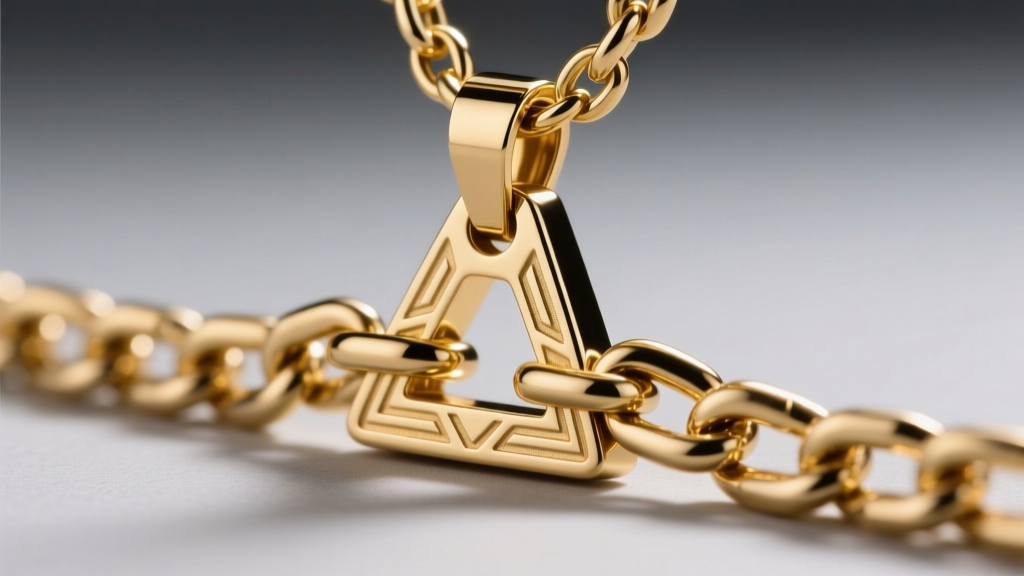
An Aaron Judge gavel necklace is only as strong as the chain holding it. A solid 14k gold gavel pendant typically weighs between 35 and 55 grams. Pairing this with a standard 3mm rope chain is a recipe for a snapped necklace and a lost pendant. As detailed in Blue Nile's metal education guide, chain link structure dictates tensile strength.
Jeweler's Rule of Thumb: The chain's weight should always equal or exceed the weight of the pendant. A 50g gavel requires a minimum 50g chain to ensure the clasp sits properly at the nape of the neck and doesn't constantly slide forward.
Recommended Chain Styles for Heavy Gavels:
- Franco Chains (6mm - 8mm): The interlocking V-links distribute weight evenly and prevent kinking. This is the safest option for heavy, asymmetrical pendants.
- Cuban Link Chains (6mm - 10mm): The quintessential MLB player chain. While visually iconic, ensure the links are laser-welded and the edges are diamond-cut and polished smooth to prevent chest hair pulling.
- Clasp Engineering: Never use a standard lobster clasp for a 50g+ pendant. You must use a box clasp with dual figure-8 safety latches to prevent catastrophic failure if the primary tongue slips.
Material Comparison Chart
| Material | Purity | Vickers Hardness | Density (g/cm³) | Best Chain Pairing | Ideal Use Case |
|---|---|---|---|---|---|
| 14k Yellow Gold | 58.5% | 140 - 160 | 13.0 | 6mm Franco or Cuban | Heavy, diamond-set daily wear |
| 18k Yellow Gold | 75.0% | 120 - 140 | 15.5 | 5mm Box Chain | Occasional wear, rich color |
| Sterling Silver | 92.5% | 60 - 70 | 10.4 | 4mm Rope or Curb | Budget replicas, light wear |
| Platinum 950 | 95.0% | 110 - 130 | 21.4 | 4mm Wheat Chain | Small charms, high-end pave |
Gemstone Accents: Diamond Grades for Sports Jewelry
The "All Rise" gavel is rarely just plain metal; the striking face and the handle bands are typically paved with diamonds. Because sports jewelry relies on the collective sparkle of dozens of small melee diamonds (usually 1.0mm to 1.5mm in diameter), prioritizing carat weight and color over flawless clarity is the smartest financial move.

For an authentic Aaron Judge style gavel, jewelers typically source melee diamonds in the SI1 to SI2 clarity range with G to H color. At this size, inclusions are entirely invisible to the naked eye, especially when set in bright rhodium-plated white gold or reflective yellow gold beads. Using VVS (Very Very Slightly Included) diamonds for a gavel face will increase the price by 300% without adding any visible brilliance to the piece. The metalwork and the precision of the bright-cut setting are far more important than the diamond grade.
Maintenance and Tarnish Prevention
A heavy gavel pendant acts like a pendulum, generating significant friction against the chain bail and the wearer's skin. This friction accelerates wear and traps dead skin cells, lotions, and sweat in the diamond settings, dulling the sparkle.
To maintain the structural integrity and brilliance of your gavel necklace:
- Ultrasonic Cleaning: Use an ultrasonic cleaner with a mild degreasing solution once a month to blast debris from under the gavel head's diamond pave.
- Prong Checks: Because of the pendulum effect, the prongs on the bottom edge of the gavel head take the most abuse. Have a jeweler inspect and tighten these prongs every six months.
- Bail Polishing: The inside of the bail will develop deep grooves from chain friction over time. A jeweler can re-line the bail with a hardened steel or platinum sleeve to prevent it from wearing through completely.
Conclusion
The Aaron Judge gavel necklace is more than a piece of fan merchandise; it is a feat of custom jewelry engineering. By selecting 14k gold for its optimal hardness-to-weight ratio, pairing it with a heavy-duty Franco or Cuban chain featuring a safety box clasp, and utilizing smart SI-clarity melee diamonds, you ensure the piece remains durable, comfortable, and visually striking. Whether you are commissioning a custom piece from a master jeweler or evaluating a high-end replica, understanding these material properties is the key to investing in a pendant that truly commands the room.


