Acrylic Chain Necklace Value: 2026 Cost & Quality Guide
Is an acrylic chain necklace worth your money? We break down 2026 pricing tiers, PMMA material grades, durability, and how to spot quality links.

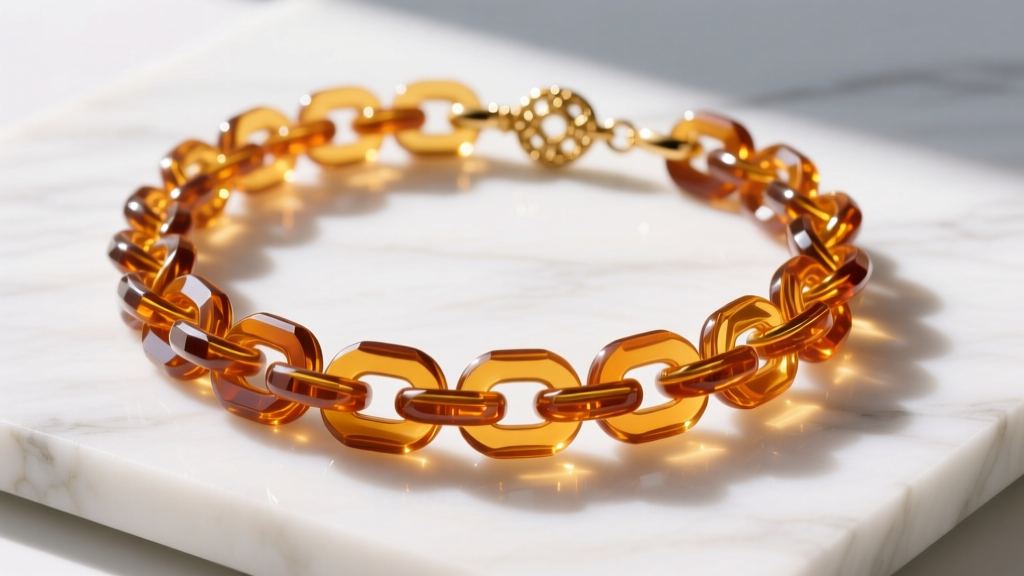
The Rise of the Acrylic Chain Necklace: Trend vs. Investment
Over the past few years, the acrylic chain necklace has transitioned from a niche Y2K nostalgia piece to a dominant staple in contemporary jewelry layering. As we navigate the 2026 market, consumers are faced with a vast pricing disparity. You can find an acrylic chain necklace for $8 at a fast-fashion checkout counter, or you might see a seemingly similar piece retailing for $150 at a high-end boutique. This massive gap leaves many buyers wondering: is this material actually worth the investment, or are you just paying for a trendy aesthetic?
To truly assess the budget and value of these pieces, we have to look past the colorful links and examine the polymer chemistry, manufacturing techniques, and hardware integration. In this comprehensive guide, we break down exactly what you should expect to pay, how to identify premium polymers, and the hidden failure modes that turn a bargain into a waste of money.
Material Breakdown: PMMA vs. Standard Plastics
Not all plastics are created equal. When jewelers refer to high-quality acrylic, they are specifically talking about Polymethyl Methacrylate (PMMA), often known by brand names like Lucite or Perspex. According to the British Plastics Federation, PMMA is a transparent thermoplastic that boasts exceptional optical clarity, acting as a lightweight, shatter-resistant alternative to glass.
Cheaper alternatives often use Polyvinyl Chloride (PVC) or low-grade polystyrene. These inferior plastics lack the structural integrity of PMMA and are highly susceptible to environmental degradation. PMMA sits at about a 3 to 4 on the Mohs hardness scale. While this means it can be scratched by harder metals or gemstones, its tensile strength and impact resistance make it ideal for the interlocking links of a chain necklace, provided it is manufactured correctly.
The Importance of UV Stabilizers
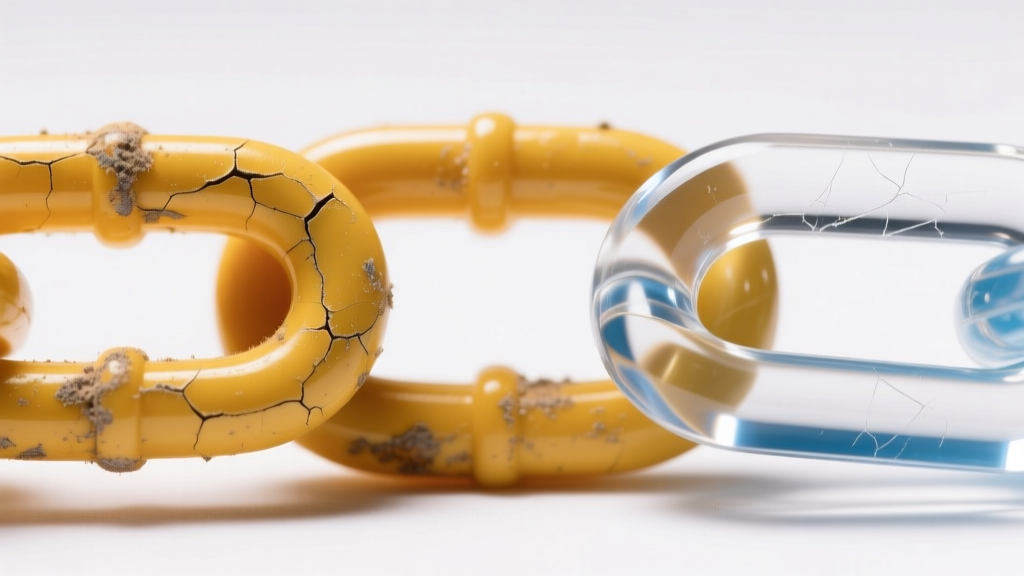
One of the most critical value indicators in 2026 is the presence of Hindered Amine Light Stabilizers (HALS) in the acrylic mixture. Cheap acrylic chains lack these UV inhibitors. When exposed to direct sunlight over a 6-to-12-month period, untreated acrylic undergoes photo-oxidation, resulting in a brittle, yellowed chain that easily snaps. Premium brands invest in UV-stabilized PMMA, ensuring the necklace retains its optical clarity and structural flexibility for years.
2026 Pricing Tiers: What Should You Actually Pay?
Assessing the value of an acrylic chain necklace requires understanding the three distinct market tiers. The price is rarely just about the plastic itself; it is heavily dictated by the manufacturing method and the metal hardware used to connect the links.
| Market Tier | Price Range | Material & Manufacturing | Hardware Quality | Expected Lifespan |
|---|---|---|---|---|
| Fast Fashion | $8 - $18 | Injection-molded PVC or low-grade PMMA with visible seam lines. | Plated base metal, weak jump rings. | 3 - 6 months |
| Mid-Market Boutique | $25 - $65 | Cast PMMA with UV inhibitors, tumbled for smooth edges. | Surgical stainless steel or solid brass. | 1 - 3 years |
| Designer / Artisan | $75 - $200+ | Hand-carved or CNC-machined Lucite, hand-polished to optical clarity. | Solid 14k gold-filled, sterling silver, or custom cast clasps. | 5+ years |
If you are buying a piece purely for a single-season trend or a specific event, the fast-fashion tier serves its purpose. However, for a sustainable, everyday layering piece, the mid-market tier offers the highest cost-per-wear value. You are paying for cast PMMA and, crucially, hardware that will not corrode and degrade the plastic over time.
Durability & Failure Modes: The Hidden Costs
When evaluating the budget of an acrylic chain necklace, you must account for potential failure modes. Acrylic itself rarely shatters under normal wear, but the necklace as a whole is vulnerable in three specific ways:
- Friction Cracking at the Link Holes: The most common point of failure is where the metal jump ring passes through the acrylic link. If the metal ring is rough, poorly soldered, or made of soft base metal, it acts like a micro-saw. Over months of friction against the skin and clothing, it cuts through the acrylic, causing the link to snap.
- Chemical Clouding (Micro-Crazing): PMMA is highly sensitive to certain solvents. Exposure to alcohol-based hand sanitizers, perfumes containing high alcohol volumes, or ammonia-based cleaners will cause micro-crazing. This manifests as a permanent, cloudy web of microscopic fractures inside the plastic, completely ruining the optical clarity of the chain.
- Clasp Tension Failure: Heavy, chunky acrylic chains require robust clasps. Cheap lobster clasps often feature weak internal springs that fail to support the weight of thick PMMA links, leading to accidental drops and subsequent chipping on hard surfaces.
How to Test Link Integrity In-Store
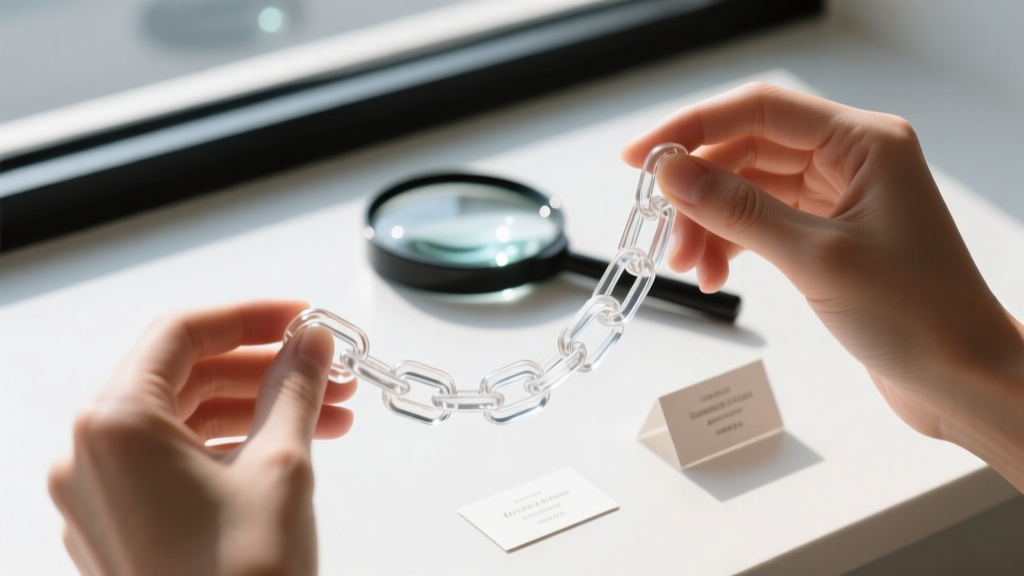
If you are shopping in person, perform the "Tension and Seam" test. First, run your fingernail along the inner and outer edges of the acrylic links. High-quality cast or machined acrylic will feel perfectly smooth. If you feel a raised ridge or a slight indentation, it is an injection-molded piece with a sprue mark or seam line—a hallmark of mass-produced, low-value manufacturing. Second, gently pull the chain taut. Listen for any clicking or creaking sounds at the metal-to-plastic junctions, which indicate poorly sized jump rings putting undue stress on the acrylic holes.
Long-Term Care and Maintenance
To protect your investment and maximize the lifespan of your acrylic chain necklace, you must adopt a specific care routine. Never use ultrasonic jewelry cleaners, as the high-frequency vibrations can exacerbate micro-fractures in the polymer. Furthermore, avoid commercial glass cleaners entirely.
According to guidelines adapted from Plastics Today regarding PMMA maintenance, the only safe cleaning method involves a few drops of mild, non-lotion dish soap mixed with lukewarm water. Use a clean, lint-free microfiber cloth to gently wipe each link, ensuring you remove body oils and environmental pollutants that can dull the surface finish over time. Always store the necklace flat or hanging in a soft pouch; tossing it into a jewelry box with harder metals or gemstones will guarantee severe surface scratching due to acrylic's relatively low Mohs hardness.
Final Verdict: Is It Worth the Budget?
The value of an acrylic chain necklace in 2026 is entirely dependent on your material literacy. A $12 injection-molded PVC chain is not a bargain; it is a disposable accessory that will likely yellow and snap before the season ends. Conversely, a $65 cast PMMA chain with stainless steel hardware and UV inhibitors represents genuine value, offering the bold, lightweight aesthetic of modern design without the heavy price tag or physical weight of solid gold or gemstone alternatives.
By prioritizing optical clarity, seamless manufacturing, and robust metal hardware, you can confidently integrate acrylic chains into your permanent jewelry rotation, proving that synthetic polymers can absolutely hold their own in a high-value wardrobe.


