Budget Guide: Best Adjustable Knot for Necklace Cords
Discover the true value of an adjustable knot for necklace cords. Compare material costs, longevity, and DIY savings versus traditional metal clasps.

The Economics of Necklace Closures: Clasp vs. Knot
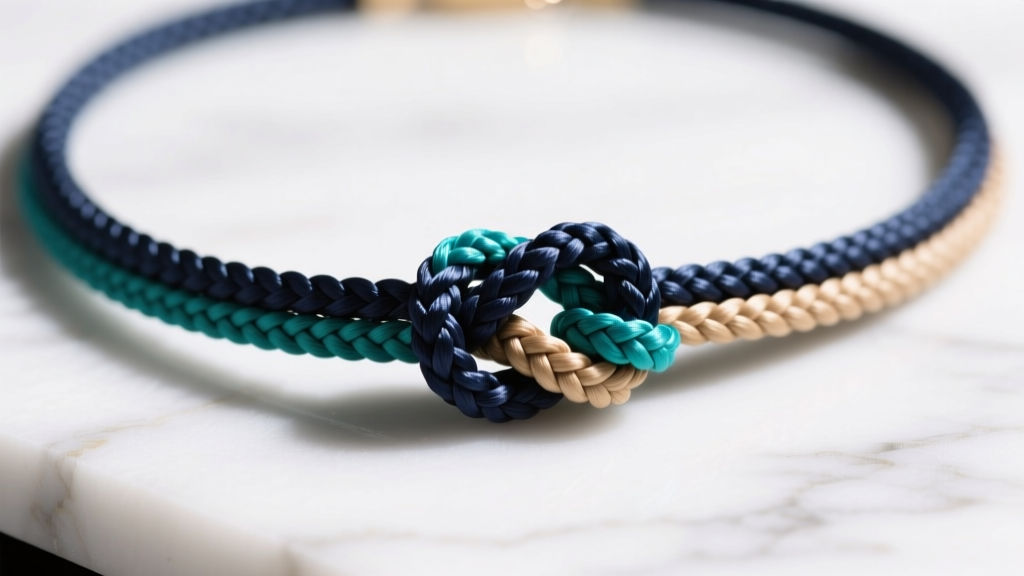
When evaluating the true cost of handmade or artisan jewelry, the closure mechanism is often the most overlooked variable in the pricing structure. A standard sterling silver lobster clasp, combined with two soldered jump rings and the labor to attach them, typically adds $4.00 to $8.00 in raw manufacturing costs. In the retail market, this hardware translates to a $20 to $40 markup on the final piece. By contrast, mastering an adjustable knot for necklace designs requires roughly four inches of working cord, reducing the closure cost to less than $0.05 per unit. But is this budget-friendly alternative actually a sound long-term investment, or does it compromise the integrity of your jewelry? This value assessment breaks down the material science, longevity, and real-world economics of sliding knot closures.
Material Breakdown: Cost and Longevity of Cord Options
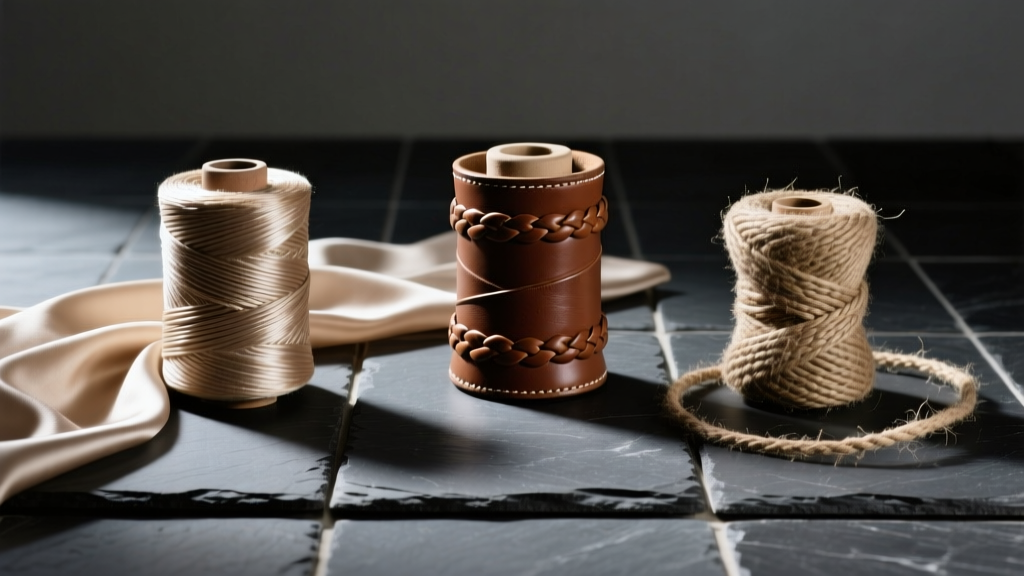
The success and lifespan of an adjustable knot for necklace cords rely entirely on the surface friction and tensile strength of the base material. A knot is only as secure as the cord's ability to resist "creep"—the slow, microscopic loosening that occurs under the constant, low-level tension of a hanging pendant. According to Rio Grande's stringing materials guide, different fibers react uniquely to friction and environmental factors like skin oils and humidity.
| Cord Material | Avg. Cost / Yard | Friction Grip | Est. Lifespan | Best Application |
|---|---|---|---|---|
| Waxed Nylon (C-Lon) | $0.12 | Very High | 5+ Years | Heavy pendants, daily wear |
| Braided Leather | $1.85 | Medium | 1-2 Years | Rustic styles, light pendants |
| Chinese Knotting Silk | $0.45 | Low | 2-3 Years | Delicate gemstones, occasional wear |
| Natural Hemp | $0.25 | High (but frays) | 6-12 Months | Eco-friendly, temporary fashion |
Why Waxed Nylon Outperforms Traditional Leather
While leather offers a premium aesthetic, it is a protein-based fiber that stretches and compresses over time. More problematically, human sebum (skin oil) acts as a lubricant on leather, drastically reducing its friction coefficient and causing sliding knots to fail unexpectedly. Waxed nylon, such as C-Lon or S-Lon, is a thermoplastic polymer. It possesses zero stretch, boasts a tensile strength of up to 70 lbs for medium-weight cords, and features a microcrystalline wax coating that provides a tacky grip, effectively locking the square knot in place even when exposed to moisture and oils.
The Mechanics and Failure Modes of the Sliding Knot
To properly assess the value of this closure, one must understand its mechanical failure points. The standard adjustable knot for necklace cords is the sliding square knot (a fundamental macrame technique). It is tied using a separate "working cord" wrapped around the two overlapping "base cords." The sequence is strictly right-over-left, then left-over-right.
There are two primary failure modes to watch for:
- Abrasion at the Entry/Exit Points: If the base cords are pulled aggressively while the knot is tightened, the internal friction will generate enough heat to melt or fray the base cords. Over months of adjustment, this creates a weak point that can snap under the weight of a heavy stone pendant.
- Working Cord Slippage: If the working cord is significantly thinner than the base cords (e.g., using a 0.5mm cord to tie a knot over 2.0mm base cords), the knot will lack the structural bulk required to maintain tension, leading to catastrophic slippage.
For optimal security, the working cord should be the exact same diameter as the base cords, or no more than 0.25mm thinner. As noted in the Fire Mountain Gems' jewelry-making encyclopedia, maintaining uniform cord thickness ensures the friction is distributed evenly across the entire surface area of the knot.
DIY Savings vs. Pre-Made Retail Markup
From a pure budget perspective, transitioning from pre-made clasped chains to adjustable cord necklaces yields massive savings, particularly for jewelry makers and collectors who frequently swap pendants. Let us break down the exact cost comparison for a mid-range gemstone pendant setup:
The Traditional Clasp Route
- Sterling Silver Box Chain (18-inch): $18.00
- Lobster Clasp & Jump Rings: $3.50
- Pendant Bail (Soldered): $4.00
- Total Hardware Cost: $25.50 (Retail value: $75.00+)
The Adjustable Knot Route
- Waxed Nylon Cord (2 yards): $0.24
- Microcrystalline Wax (for maintenance): $0.10 per application
- Direct Pendant Threading (No bail needed): $0.00
- Total Hardware Cost: $0.34 (Retail value of pre-made adjustable necklace: $35.00)
The DIY adjustable knot for necklace designs eliminates the need for expensive metal findings and specialized soldering equipment. Furthermore, because the knot allows the necklace to be adjusted from choker length (14 inches) to matinee length (24 inches), a single cord replaces the need to purchase multiple chains of varying lengths to suit different necklines.
End-of-Life Maintenance: Sealing and Protecting
The ultimate test of value is how a material ages. Metal clasps suffer from spring fatigue and jump ring distortion. Adjustable cords, however, require a specific end-of-life sealing technique to prevent unraveling.
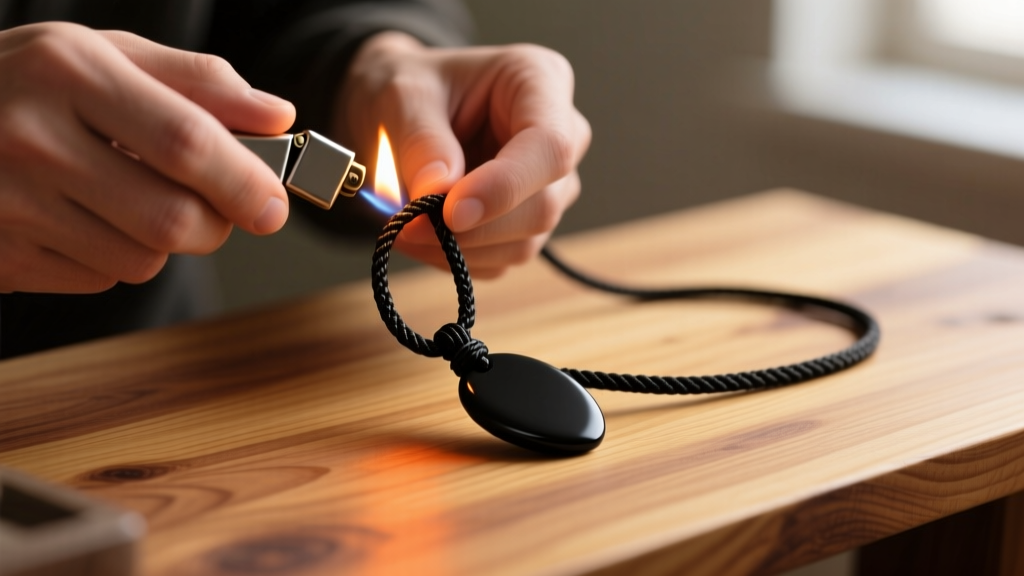
If you are using synthetic cords like nylon or polyester, the ends of the working cord must be trimmed flush and melted using a thread zap or a butane lighter. The thermoplastic nature of the material allows it to melt into a smooth, rounded bead that fuses to the knot, creating a permanent mechanical stop. Never use this heat-sealing technique on leather, silk, or hemp. Protein and cellulose fibers will char, burn, and leave a sharp, brittle bead that will scratch the wearer's skin and eventually crumble. For natural fibers, a drop of flexible cyanoacrylate (jewelry glue) or a tight wrapping of invisible thread is required to secure the ends.
Expert Maintenance Tip: To extend the life of a sliding knot and restore its original "tacky" grip after years of wear, gently clean the cord with a soft cloth and rubbing alcohol to remove skin oils. Once dry, apply a microscopic layer of Renaissance Wax (a microcrystalline conservator's wax) to the base cords. This restores the friction coefficient without degrading the fibers, effectively resetting the lifespan of the closure.
Final Verdict: Maximizing Your Jewelry Budget
When subjected to a rigorous budget and value assessment, the adjustable knot for necklace cords emerges as a vastly superior alternative to traditional metal hardware for pendant jewelry. It offers unparalleled versatility in length, eliminates the weak points associated with spring-loaded clasps, and reduces material costs by over 95%. While it requires a basic understanding of macrame mechanics and material science to execute properly, the long-term durability of waxed nylon ensures that this budget-friendly closure will easily outlast the pendants it holds. For collectors and makers looking to optimize their jewelry spend, mastering the sliding square knot is an essential, high-yield skill.
For further reading on preserving your jewelry investments, consult the GIA's jewelry care guidelines to ensure your gemstones and settings remain as secure as the cords that hold them.


