African Amber Necklace Value Guide: 2026 Pricing & Authenticity
Discover the true value of an African amber necklace in 2026. Learn pricing tiers, authenticity tests, and how to avoid overpaying for copal or resin.

The "African Amber" Misconception: What Are You Actually Buying?
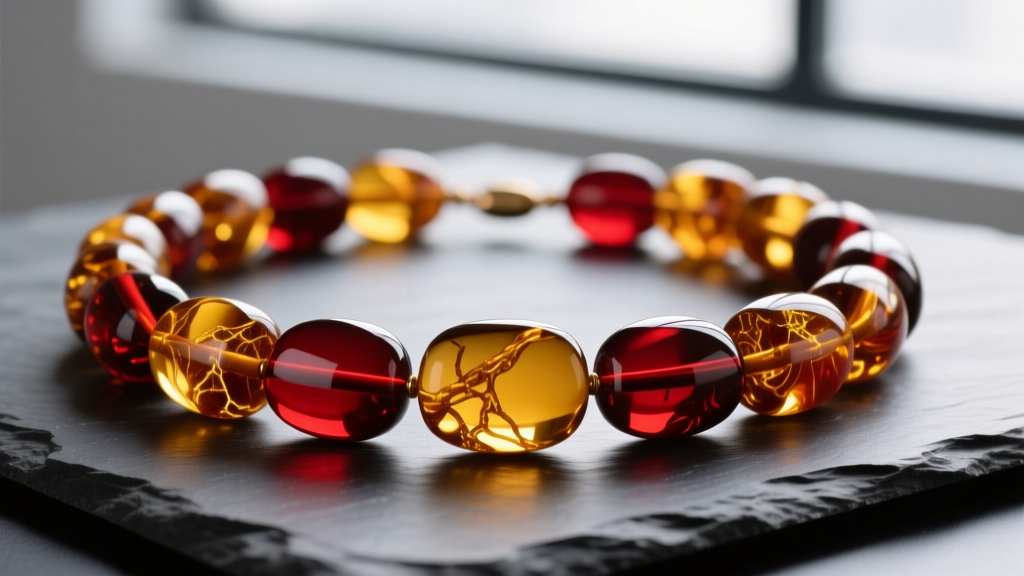
The term "African amber" is one of the most misunderstood and frequently misused phrases in the vintage and antique jewelry market. If you are assessing the budget and true value of an African amber necklace in 2026, the first step is discarding the assumption that the material originated in Africa or is even fossilized amber. Genuine amber is a polymerized hydrocarbon resin that requires millions of years to fossilize. Africa is not a primary geological source for true fossilized amber; the most prominent deposits are in the Baltic region, the Dominican Republic, and Myanmar.
When dealers use the term "African amber," they are typically referring to one of three very different materials, each with a drastically different market value:
- Phenolic Resin (Bakelite/Catalin): Mass-produced synthetic trade beads manufactured in Europe during the 1920s through the 1970s, later traded into Africa. These are historically interesting but chemically synthetic.
- Copal: Sub-fossilized tree resin that is only hundreds or thousands of years old, rather than millions. Copal is often sourced from East Africa (particularly Kenya and Tanzania) and is chemically immature, making it softer and more prone to crazing (surface cracking).
- Genuine Fossilized Amber: Rarely, true Baltic or Dominican amber is traded through African markets, but this represents a tiny fraction of necklaces sold under the "African" label.
Understanding which of these three materials you are holding is the single most critical factor in determining whether a $600 price tag is a fair investment or a severe overpayment. According to the Gemological Institute of America (GIA), distinguishing between copal, true amber, and synthetic resins requires looking beyond visual warmth and focusing on chemical and physical properties.
2026 Market Pricing Tiers for African Amber Necklaces
To conduct a proper value assessment, you must align the asking price with the actual material composition. The vintage jewelry market has seen a stabilization in synthetic resin prices, while high-grade, unheated copal has seen a slight uptick due to collector interest in ethnographic artifacts. Below is the 2026 pricing framework for standard 18-to-24-inch graduated bead necklaces.
| Material Classification | Age / Origin | 2026 Fair Market Value | Investment Potential |
|---|---|---|---|
| Phenolic Resin (Vintage Trade) | 1920s–1970s (Synthetic) | $45 – $120 | Low (Stable novelty value) |
| African Copal | 100 – 10,000 Years (East Africa) | $150 – $350 | Moderate (Susceptible to damage) |
| True Fossilized Amber | 30M+ Years (Imported/Baltic) | $600 – $2,500+ | High (Appreciates over time) |
Note: Pricing assumes beads are in excellent condition, free of deep stress fractures, and properly strung. Heavy surface crazing on copal can reduce its value by up to 40%.
Four Definitive Authenticity Tests You Can Perform at Home
Relying on visual cues like the "sun spangle" inclusions or butterscotch coloring is a guaranteed way to lose money. Modern phenolic resins and heat-treated copal can perfectly mimic the visual depth of ancient amber. To protect your budget, utilize these non-destructive (and minimally destructive) tests.
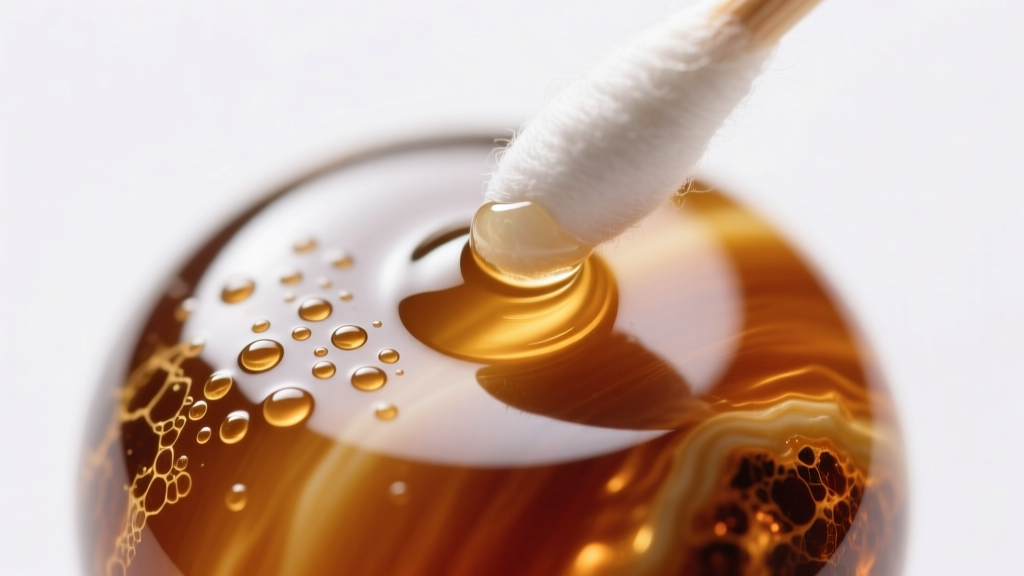
1. The Acetone Swab Test (Copal vs. True Amber)
Copal is chemically immature and contains volatile solvents that have not yet fully evaporated. If you apply a drop of pure acetone (standard nail polish remover) to a cotton swab and rub it on an inconspicuous area of a copal bead, the surface will become tacky and leave a fingerprint if touched. True fossilized amber is completely inert to brief acetone exposure. Phenolic resins will also resist acetone, meaning this test successfully isolates copal but does not distinguish between true amber and plastic.
2. The UV Fluorescence Test
Using a standard 365nm UV flashlight is one of the most reliable ways to assess value. Genuine fossilized amber will fluoresce with a distinct pale blue, green, or milky white glow under ultraviolet light. Copal typically shows a much weaker, chalky white fluorescence, while phenolic resins and modern plastics will appear "dead" or absorb the light without reflecting a fluorescent hue. Data from Mindat.org confirms that the polymerization process in true amber creates the specific hydrocarbon structures responsible for this unique UV reaction.
3. The Saltwater Buoyancy Test
True amber and copal share a specific gravity of roughly 1.05 to 1.10, meaning they will float in heavily saturated saltwater but sink in fresh water. Mix 1 part table salt to 4 parts warm water until fully dissolved. A genuine amber or copal necklace will float, while glass, heavy Bakelite, and certain modern plastic fakes will sink to the bottom. This is an excellent bulk test for an entire necklace.
4. The Hot Needle Test (Use with Extreme Caution)
Heat a sewing needle until it is red hot and touch it to a hidden area, such as the inside of a bead's drill hole. True amber will emit a faint, pleasant piney or resinous smoke and will not melt easily. Copal will melt instantly and smell like burning tree sap. Phenolic resin and plastics will melt quickly, emit a harsh chemical odor, and leave a black, sticky residue. Because this is destructive, it should only be used as a last resort on beads you already own, never on a piece you are currently evaluating for purchase.
Evaluating Craftsmanship and Hidden Stringing Costs
A common failure point in budget assessments for heavy trade bead necklaces is ignoring the structural integrity of the stringing material. Authentic African trade beads—whether copal or phenolic—are exceptionally heavy, often weighing between 80 and 150 grams per individual bead. A full necklace can easily exceed two pounds.
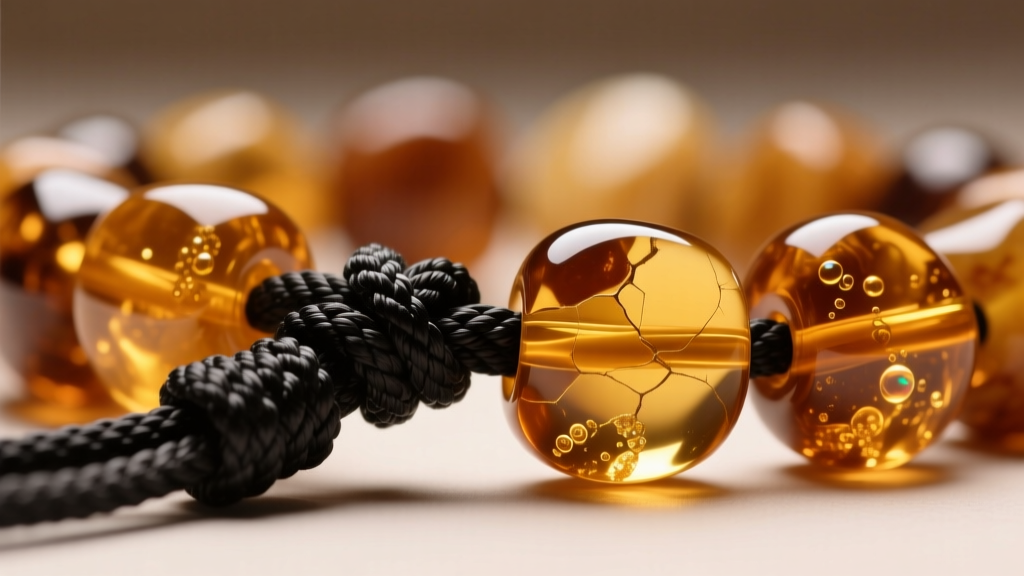
When inspecting a vintage necklace, check the drill holes. If the beads are strung on cotton thread or standard silk, the necklace is a structural liability. Skin oils, friction, and the sheer weight of the beads will cause cotton and silk to rot and snap, potentially resulting in the loss and shattering of valuable beads upon impact with a hard floor.
The Value Deduction Rule: If a seller is asking top-tier market price ($300+ for copal, $800+ for amber) but the piece is strung on unknotted cotton or fraying silk, you must deduct the cost of professional restringing from your offer. Properly restringing a heavy, graduated amber necklace requires 0.9mm braided nylon (such as S-Lon or C-Lon) or flexible beading wire (0.024-inch Soft Flex), with individual knots between each bead to prevent friction and loss. Expect to pay a professional jeweler between $85 and $150 for this specialized heavy-duty restringing in 2026. Factor this hidden cost into your initial budget assessment.
Investment vs. Adornment: Final Verdict on Value
"The value of an African amber necklace is rarely in its geological rarity, but rather in its ethnographic history, aesthetic warmth, and the buyer's ability to accurately identify the polymer they are purchasing."
If your goal is pure financial investment and long-term value retention, you must ruthlessly filter out phenolic resins and heavily crazed copal, focusing your budget exclusively on verified, UV-tested fossilized amber. However, if your goal is to acquire a striking, historically rich piece of wearable art, vintage phenolic trade beads and East African copal offer immense aesthetic value at a fraction of the cost of true amber.
By entering the market armed with an acetone swab, a UV flashlight, and a clear understanding of 2026 pricing tiers, you eliminate the guesswork. You will no longer pay premium fossilized amber prices for 1950s European plastics, ensuring your jewelry budget is allocated toward genuine quality and authentic craftsmanship.