The African Shell Necklace: 2026 Gift & Style Guide
Discover the perfect African shell necklace for every occasion. Our 2026 gift guide covers cowrie, puka, and sustainable sourcing for mindful gifting.

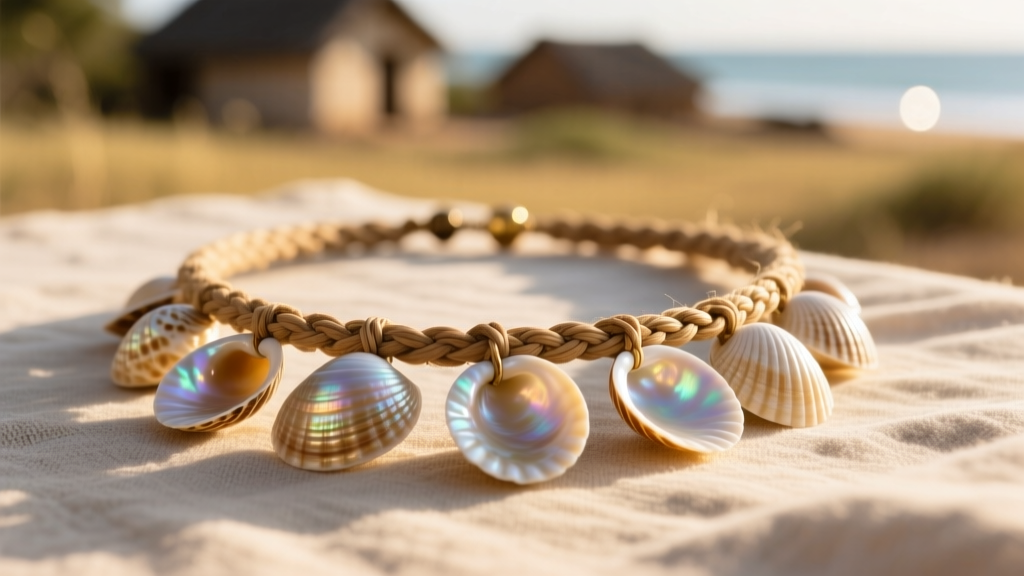
The Enduring Allure of Organic Adornment
As we navigate the jewelry landscape of 2026, the shift toward sustainable, organic, and historically significant adornment has never been more pronounced. The African shell necklace stands at the intersection of cultural heritage and modern bohemian aesthetics. Unlike mass-produced metallic jewelry, shell necklaces carry a tactile warmth and a rich anthropological history. Whether you are shopping for a minimalist beach wedding attendee, a festival-going bohemian, or a collector of ethical artisan crafts, understanding the nuances of shell types, stringing materials, and ethical sourcing is critical. This comprehensive gift guide will help you select an authentic, high-quality African shell necklace that perfectly matches the recipient's lifestyle and the occasion.
Decoding the Anatomy of an African Shell Necklace
To gift a shell necklace with confidence, you must first understand the materials. The term 'shell' encompasses a vast array of marine biology, and different species offer vastly different aesthetic and structural properties.
Cowrie Shells (Monetaria moneta and Mauritia maculifera)
The cowrie is arguably the most iconic shell in African history, having served as currency, a symbol of fertility, and a protective talisman across West and Central Africa for centuries. When gifting a cowrie necklace, look for the Monetaria moneta (money cowrie), which features a smooth, highly polished dorsal ridge and distinct labial teeth on its ventral side. High-quality artisan pieces will retain the shell's natural porcelain-like enamel finish rather than coating it in synthetic lacquers, which can yellow and peel over time.
Cone Shells and the 'Puka' Misnomer
Many buyers mistakenly refer to all disc-shaped shell beads as 'puka.' True puka beads originate from the naturally occurring holes in the Hawaiian cone shell (Conus miliaris). In the context of African-inspired and Indian Ocean trade jewelry, artisans typically utilize the Conus litteratus (strawberry cone) or the operculum of the Turbo petholatus (tapestry turban snail). These are hand-cut and polished into uniform discs or heishi beads. Gifting a necklace made from polished Conus shells offers a more refined, minimalist look compared to the rustic, asymmetrical charm of whole cowries.
Mother of Pearl (Pinctada margaritifera)
Sourced primarily from the black-lipped pearl oyster found in the warm waters of the Indian Ocean and East African coast, Mother of Pearl (MOP) provides an iridescent, luxurious finish. MOP is often carved into geometric pendants or thin, delicate discs. It is an excellent gift for someone who prefers a sophisticated, elevated aesthetic over a purely rustic one.

The 2026 Occasion Matching Matrix
Matching the shell type and necklace length to the recipient's intended use is the hallmark of a thoughtful gift. Below is a decision framework to help you align your purchase with specific occasions and dress codes.
| Occasion / Vibe | Recommended Shell Type | Ideal Length & Style | Best Stringing Material |
|---|---|---|---|
| Beach Wedding / Resort Wear | Polished White MOP or Conus Discs | 16-18 inch Choker or Princess | 1mm Silk Cord or Fine 14k Gold Chain |
| Music Festivals / Boho Chic | Whole Monetaria moneta (Cowrie) | 24-30 inch Opera or Multi-Strand | Waxed Irish Linen or Braided Leather |
| Everyday Minimalist / Office | Single Large Mabe Shell or Small Turbo Operculum | 18 inch Pendant on Chain | Sterling Silver or Gold-Filled Cable Chain |
| Cultural Celebration / Heritage | Unbleached, Natural Cowrie with Brass Trade Beads | 20-22 inch Matinee, Heavy Weight | Thick Waxed Cotton (2mm+) |
Sourcing Ethics and CITES Compliance
Gifting organic jewelry in 2026 requires a mindful approach to environmental impact and ethical labor. While the Monetaria moneta cowrie is abundant and not currently threatened, the overharvesting of certain conch, triton, and specialized pearl oysters has led to strict international trade regulations.
The Convention on International Trade in Endangered Species (CITES) monitors the global shell trade to prevent the depletion of vulnerable marine populations. When purchasing a high-end Mother of Pearl or rare conch shell necklace, reputable jewelers should be able to provide documentation proving the shells were harvested sustainably or sourced from aquaculture byproducts rather than wild-caught solely for their shells.
Furthermore, the human element of shell crafting is paramount. Many authentic African shell necklaces are crafted by artisan cooperatives in Kenya, South Africa, and Senegal. To ensure your gift supports fair wages and safe working conditions, look for brands certified by the Fair Trade Federation. According to the Gemological Institute of America (GIA), the value of organic gems is increasingly tied to their verifiable, ethical provenance, making fair-trade certification a significant value-add for the conscious recipient.
Hardware, Stringing, and Care Specifics
The structural integrity of a shell necklace relies heavily on its hardware and stringing. Shells are primarily composed of calcium carbonate, ranking at a mere 2.5 to 3 on the Mohs hardness scale. This makes them highly susceptible to scratching, chipping, and chemical erosion.
Stringing Techniques
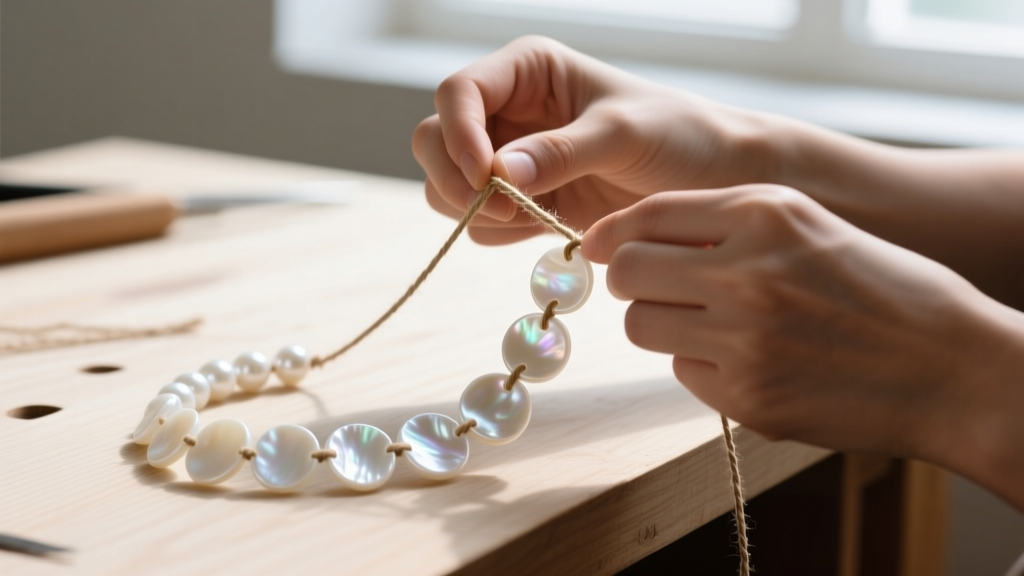
- Waxed Irish Linen: The gold standard for heavy cowrie and trade bead necklaces. It offers immense tensile strength and resists rot from saltwater and sweat. Look for 0.8mm to 1.2mm thickness.
- Silicone-Lined Crimps: If the necklace uses a wire or chain, ensure the jeweler uses silicone-lined crimp beads. Standard metal crimps can easily crush the delicate edges of drilled shell beads when compressed.
- Macramé Sliding Knots: For adjustable, clasp-free designs, a waxed cotton sliding knot is ideal. It eliminates the need for metal clasps that can tarnish and stain the porous surface of the shell.
Hardware Selection
Avoid base metals, plated brass, or cheap alloys for the clasps and jump rings. These metals oxidize rapidly when exposed to moisture, leaving permanent green or black rust stains on the porous edges of the shells. Always opt for solid 14k gold, 14k gold-filled, or solid sterling silver hardware.
The 'Last On, First Off' Rule
Calcium carbonate reacts aggressively with acids. Lactic acid from sweat, citric acid from perfumes, and the chemicals in sunscreens can dissolve the glossy enamel finish of a cowrie or the iridescent nacre of Mother of Pearl. Advise your gift recipient to follow the 'last on, first off' rule: the necklace should be the final item put on after cosmetics and perfumes have dried, and the first item removed upon returning home, gently wiped with a damp, soft microfiber cloth before storage.
Final Gifting Thoughts
An African shell necklace is far more than a fleeting seasonal accessory; it is a piece of wearable history and a testament to natural artistry. By paying close attention to the specific species of shell, the ethics of the supply chain, and the technical details of the stringing and hardware, you elevate your gift from a simple trinket to a cherished, enduring heirloom. Whether draped over a linen shirt at a coastal dinner or layered with vintage metals at a summer festival, a thoughtfully sourced shell necklace remains a timeless expression of global style and mindful consumption.


