Air Tag Necklace Value: Budget vs Premium Holders in 2026
Is an air tag necklace worth the investment? We assess budget vs. premium holders, material signal attenuation, and clasp durability for 2026.

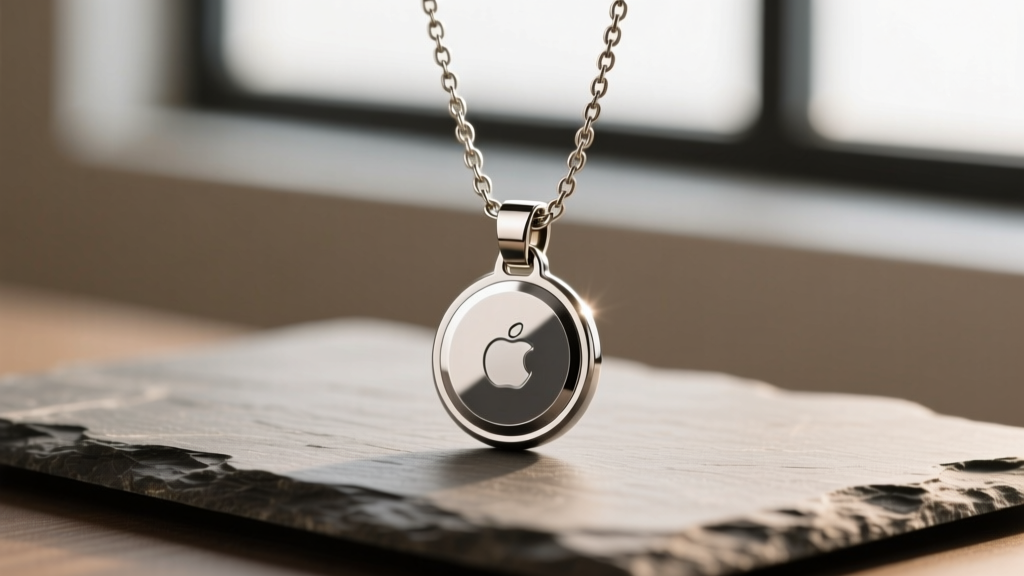
The True Cost of an Air Tag Necklace: Beyond the $29 Tracker
The Apple AirTag revolutionized personal item tracking, but its default form factor—a simple 1.26-inch stainless steel and white plastic disc—presents a unique challenge for jewelry wearers. Slipping it into a pocket is easy, but wearing it as an air tag necklace requires a dedicated pendant holder. In 2026, the market is flooded with options ranging from $8 silicone sleeves to $200 sterling silver bezels. But how do you assess the true value of these accessories?
As jewelry and tech converge, the 'pendant paradox' emerges: you want the tracker hidden as a stylish pendant, yet fully functional for Ultra-Wideband (UWB) Precision Finding. According to Apple's official AirTag technical specifications, the device relies on both Bluetooth Low Energy (BLE) and UWB antennas, which are highly susceptible to material interference. This guide cuts through the marketing fluff to evaluate the metallurgy, signal attenuation, and mechanical failure modes of air tag necklaces across different budget tiers, helping you determine where to save and where to invest.
Material Breakdown: How Budget Choices Impact Signal & Durability
The material of your air tag pendant dictates not just its aesthetic, but its lifespan and its ability to transmit a radio frequency signal. Here is a deep dive into the three primary material categories dominating the 2026 market.
Silicone & TPU (The $10–$20 Tier)
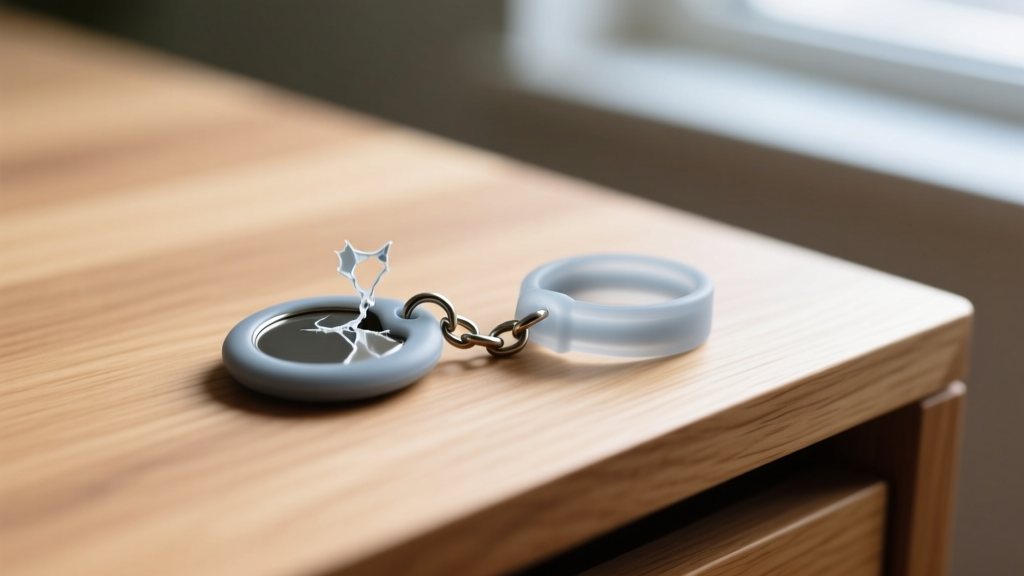
Thermoplastic Polyurethane (TPU) and silicone are the most common budget materials. Because they are non-metallic, they offer 0% signal attenuation, allowing your AirTag to broadcast at maximum range. However, the value proposition degrades rapidly based on the polymer's Shore A hardness rating. Cheap, unbranded Amazon holders often use 70A TPU, which is too soft; the loop connecting the pendant to the chain stretches and tears within 3 to 6 months of friction. For a budget TPU holder to offer real value, it must be molded from 85A to 90A TPU and ideally feature a carbon-black pigment to prevent the severe UV yellowing that plagues clear silicone sleeves after a summer of sun exposure.
Zinc Alloy vs. 316L Stainless Steel (The $25–$60 Tier)
The mid-tier market is a minefield of mislabeled metals. Many $25 'stainless steel' pendants are actually zinc alloys plated with a chrome finish. When exposed to the sodium chloride in human sweat, zinc alloys undergo galvanic corrosion, leading to pitting, skin irritation, and eventual structural failure at the hinge. True value in this tier requires verifying 316L surgical-grade stainless steel, which contains molybdenum to resist chloride corrosion. Furthermore, any metal holder that fully encases the AirTag without a polycarbonate or resin 'window' over the white plastic side will effectively block the UWB antenna, reducing Precision Finding from a 30-foot directional radius to a useless 3-foot proximity ping.
Sterling Silver & Premium Leather (The $80–$200+ Tier)
At the premium end, jewelers craft bezels from 925 sterling silver and top-grain leather. While visually stunning, these materials introduce the 'pendulum effect.' An AirTag weighs 11 grams. A heavy sterling silver bezel can add 30 to 45 grams. A 56-gram pendant swinging on a 20-inch chain generates significant dynamic torque, placing immense stress on the cervical spine and the necklace clasp. Leather, while lightweight, is porous; it absorbs sweat and ambient moisture, eventually warping and compromising the IP67 water resistance of the AirTag itself if the leather holds moisture against the device's speaker grille.
Signal Interference & Material Attenuation Data
Understanding how different materials interact with 2.4 GHz Bluetooth and UWB frequencies is critical for assessing value. A cheap metal pendant that blocks your signal renders the $29 tracker useless, effectively making the pendant a waste of money. Based on RF propagation principles outlined in Apple Support's AirTag user guide and independent testing, here is how common materials perform.
| Material Grade | Avg. Price | UWB Attenuation | BLE Attenuation | Est. Lifespan |
|---|---|---|---|---|
| 85A TPU / Silicone | $12 - $18 | 0% | < 5% | 1 - 2 Years |
| Zinc Alloy (Chrome Plated) | $20 - $30 | 80 - 100% | 40 - 60% | 6 - 12 Months |
| 316L Steel (w/ Resin Window) | $45 - $65 | 10 - 15% | < 10% | 5+ Years |
| 925 Sterling Silver (Open Back) | $120 - $200 | 15 - 20% | < 15% | Lifetime |
Note: UWB attenuation above 30% severely degrades the directional 'Precision Finding' arrow on your iPhone, forcing you to rely solely on standard Bluetooth proximity pinging.
Clasp & Chain Mechanics: Where Budget Necklaces Fail
The most overlooked aspect of an air tag necklace value assessment is the chain and clasp assembly. The dynamic load of a swinging pendant is vastly different from the static weight of a standard jewelry chain. A 40-gram pendant bouncing as you walk can generate peak tension forces exceeding 150 grams on the clasp and jump rings.
The Clasp Failure Point: Budget necklaces almost universally use spring-ring clasps. These are designed for lightweight chains (under 15 grams) and feature a weak internal coil spring that easily snaps under dynamic pendulum loads. For any air tag necklace, you must insist on a stainless steel lobster clasp with a minimum gate thickness of 1.5mm. Lobster clasps distribute tension across a solid metal spine, easily handling 60+ grams of dynamic force.
Jump Ring Fatigue: The small circular ring connecting the pendant to the chain is the most common failure point. In budget manufacturing, jump rings are sliced from a wire coil, leaving a tiny vertical gap. Over months of friction, this gap widens, and the chain slips out. High-value necklaces utilize laser-welded jump rings or seamless split rings, eliminating the gap entirely and preventing catastrophic loss of your tracker.
2026 Value Matrix: Top Budget vs. Premium Air Tag Pendants
To contextualize the data, here is a structured assessment of the current market leaders based on our material and mechanical criteria, as frequently updated by accessory reviewers like Wirecutter's comprehensive guide to AirTag accessories.
- Best Ultra-Budget (Under $15): Carbon-Black 85A TPU Holders. Avoid clear silicone. Look for listings that specify reinforced, dual-layer connection loops. The value here is pure signal transparency and replaceability.
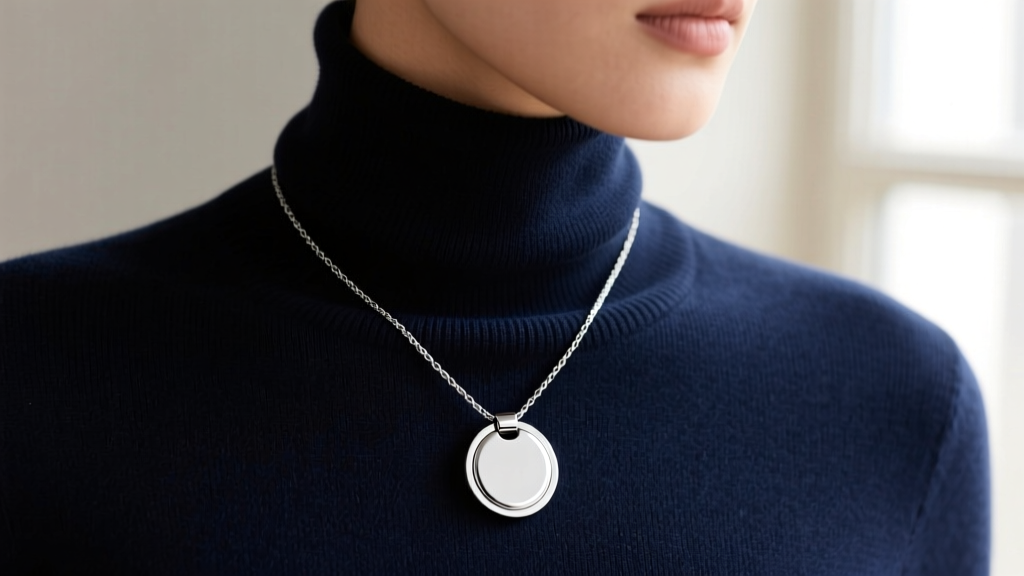
- Best Mid-Tier Value ($40–$60): 316L Stainless Steel with Polycarbonate Windows. Brands like Spigen or specialized Etsy metalworkers offer CNC-machined steel holders that feature a resin backplate. This protects the UWB antenna while providing a premium, heavy-duty exterior that won't corrode from sweat.
- Best Premium Investment ($120+): 925 Sterling Silver Open-Back Bezels. Custom silversmiths create 'coin bezel' style pendants that grip the AirTag's stainless steel rim without covering the white plastic face. This preserves 100% of the signal while elevating the tracker into a legitimate piece of everyday jewelry. Ensure the chain is upgraded to a 2.5mm curb or rope chain to support the weight.
Final Verdict: Where to Invest and Where to Save
When evaluating the true cost of an air tag necklace, the cheapest option is rarely the most economical. Spending $10 on a flimsy silicone sleeve that tears and drops your AirTag into a storm drain is a net loss. Conversely, spending $150 on a heavy silver pendant that blocks the UWB signal defeats the purpose of the technology.
The Sweet Spot: The highest value in 2026 lies in the $35 to $55 range. Investing in a 316L stainless steel holder with a dedicated dielectric window, paired with a 2.0mm to 3.0mm stainless steel curb chain and a robust lobster clasp, provides a lifetime of durability, zero galvanic corrosion, and uncompromised tracking capabilities. Treat the holder not just as a sleeve, but as a critical piece of RF engineering and mechanical jewelry.


